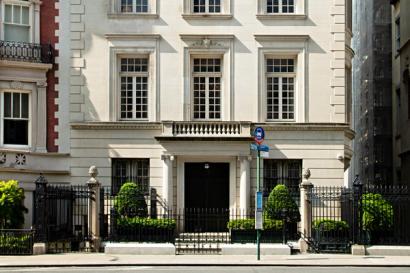
Jamie Sharp, antique dealer
Antique dealer Jamie Sharp on discovering treasure, trusting his taste and the pleasure of constantly learning. Introduction by Joseph Bullmore.
- Words by: Joseph Bullmore
One day in his early twenties, after a stint working at Cabana magazine in Milan, Jamie Sharp bought a job-lot of books on eBay. “I think it cost about £100,” he says now. “A woman turned up to the house with hundreds of them. My mum was furious. But it turned out that the woman’s grandfather had been an antiquarian book seller. They were worth a fortune.”
And so an antique dealer was born. In the short years that have followed, Sharp has plied a highly successful trade in a business usually populated by people three times his age. He uses his exquisite one-bedroom flat in Holland Park as a sort of showroom for his wares – a treasure trove of exposed beams and deep sofas where almost everything is for sale. “Two weeks after I got here, people visited and said: ‘Have you just moved in? It looks like you’ve lived here for 30 years!’” he laughs. “But it’s constantly changing; constantly moving.”
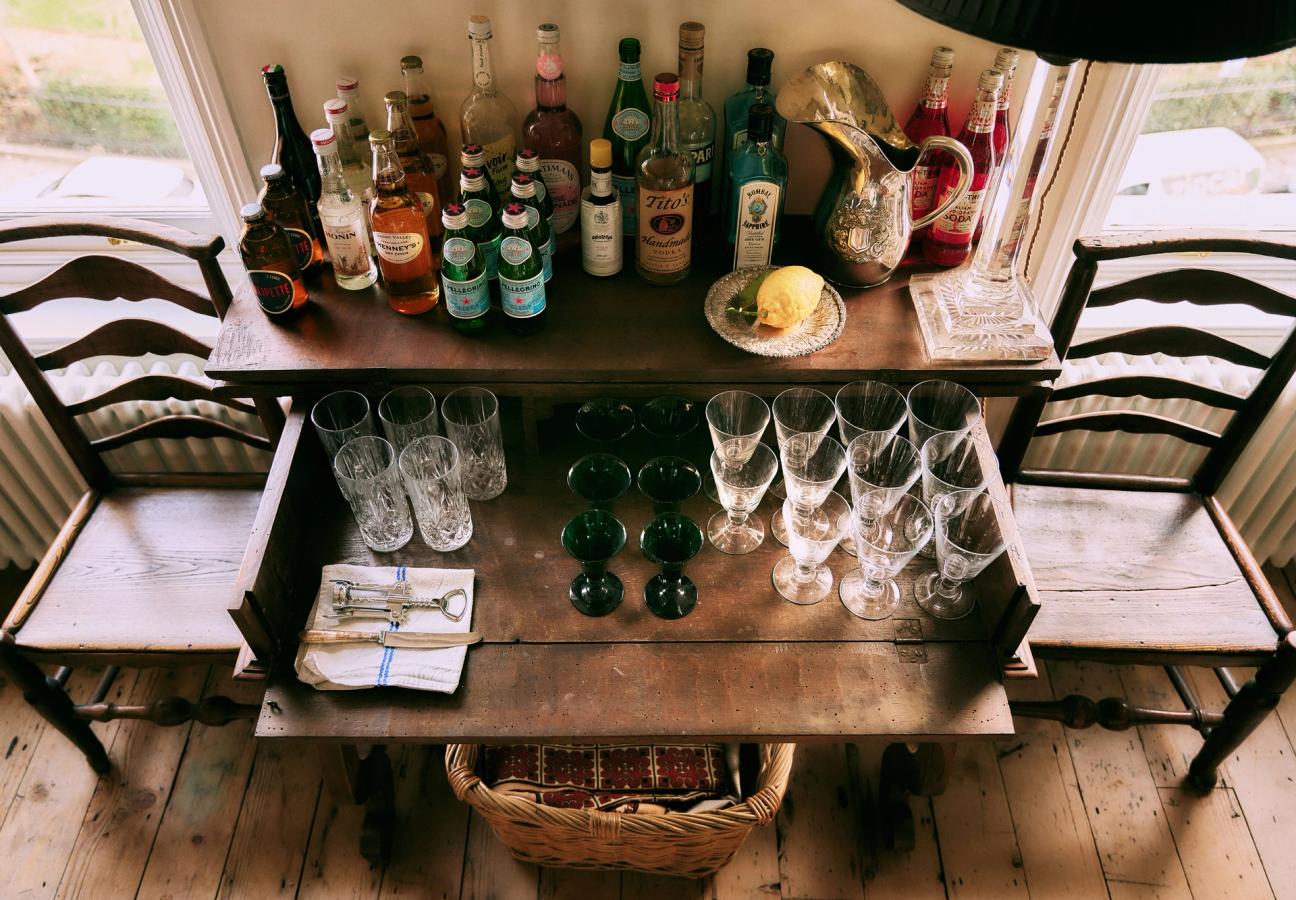
I grew up in Notting Hill on the Portobello Market, where I still live. I loved going to all of the antique dealers and antique shops, and as soon as I had any pocket money, I wanted to buy things. I was like every kid in that I wanted to discover treasure. I started collecting coins and stamps, then got bored of each thing and moved on to the next. I started buying and selling as soon as I was a teenager, really.
I initially put aside an amount of money to spend on stock. I had saved up a lump sum and started buying, which was scary. For the first time, I was spending money on things that I thought other people would want to buy. But I also impulsively bought a few things that I loved, that I couldn’t resist, but that I realistically didn’t think anyone would want at all. And those were all the things that sold straight away. It made me realise that what people want from me is my taste – me saying: “Look, this is great.” It was a good lesson.

I source antiques in lots of different places. You can find really good stuff in antique shops if you go to the countryside in England. I do a lot online – places like The Sale Room and Invaluable, which has pretty much all the European auctions. I also look through all the auction catalogues and I usually avoid the smarter sales. If an auction house has done a very good job in promoting a sale, and done lots of marketing, then things will usually go for a fortune. So I want to avoid any sales where things are very well photographed – and instead find the one with thousands of lots where they’re selling a broken car, a bicycle with one wheel, a Chinese pot with a piece missing. Then I know that I’m going to get something good. No one’s going to be bothered to look through all of those things unless they’re truly addicted like me.
It’s not always straightforward. I recently had a Napoleonic bed that I bought at auction in Rome, and it was just fantastic. I couldn’t resist it. It was a beautiful thing. It had this curved back and these curved finials and swags and everything. And I bought it for a fortune and had it sent from Rome, and when it was arrived it was really quite bashed up, and it had been painted over with this kind of gooey brown paint that sort of looked like it was wood in the photos but wasn’t. So I had it restored, and you would have thought I was restoring the Sistine Chapel. It really was a process. It took months. It looks amazing now, but I’ll never see a profit on that piece.
“You would have thought I was restoring the Sistine Chapel…”
Another time, I bought a set of really nice Victorian armchairs, which seemed like quite a good deal. They were £200 for the pair – and when they arrived, they were about the size of my hand.
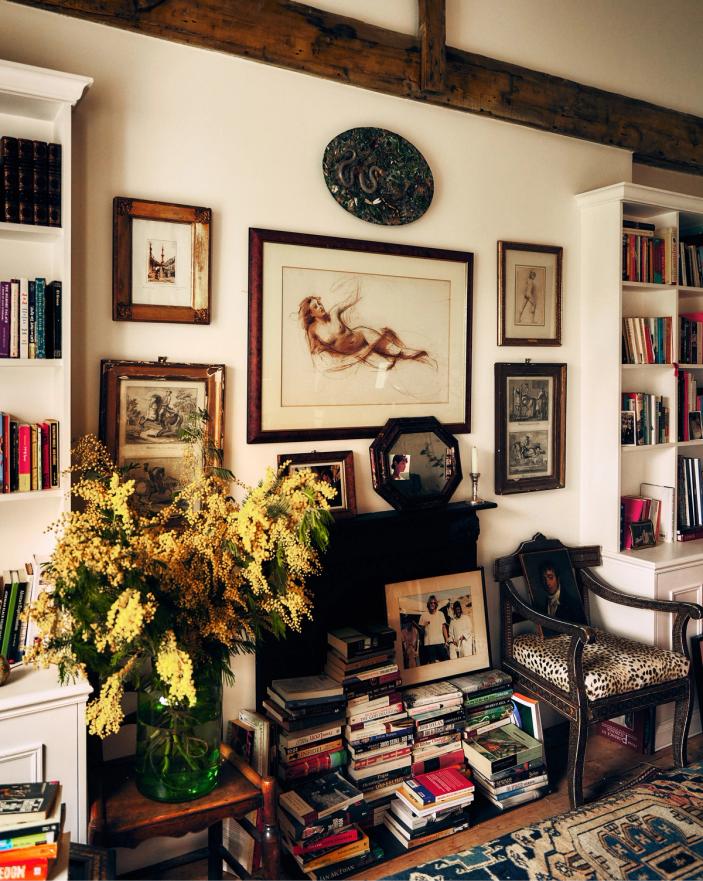
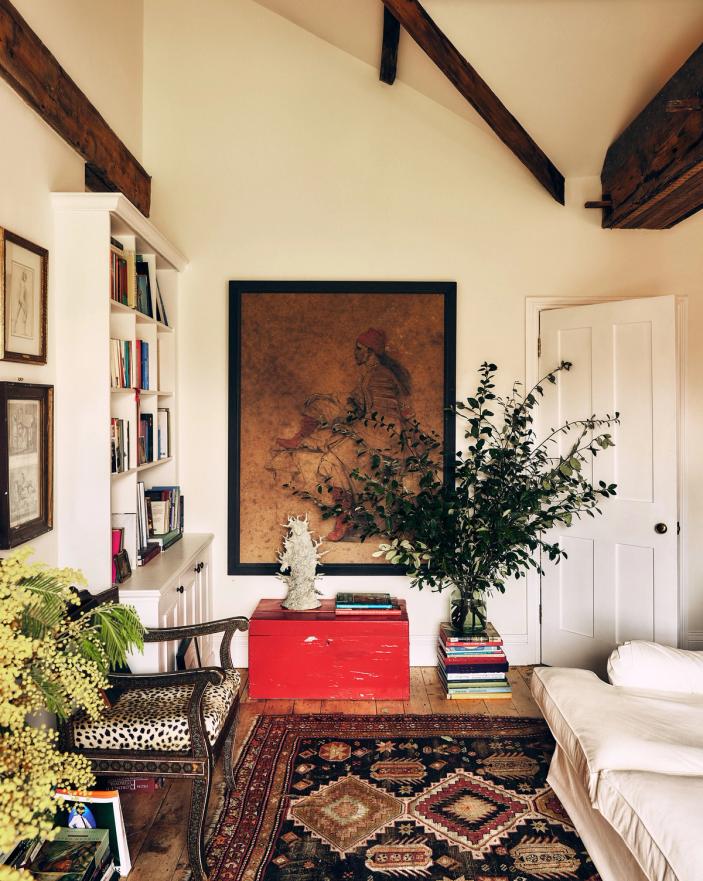
There’s been a huge turn to maximalism recently. People sometimes describe me as loving maximalism decoration, and it turns out they just mean “having things”. But I think that people get it really wrong when they go for as much colour, and as many pattern and textures and rugs and funny shapes as possible. I don’t like that. I think that having a few good things instead is great. Perhaps the maximalist trend will result in everything going beige and grey again soon. Which is probably worse.
The fact that I’m not constrained by any one period or style means that I’m constantly learning. In the world today, it sometimes feels like there’s so little left to be discovered – there’s so much information out there on everything. But when you find yourself one day researching a giant Burmese lacquer pumpkin, it’s actually quite a journey. It leads you to the British Library and to finding things out that you never thought you would – and to do that as a job is really, really enriching. And it’s fun.