Previous Issue
Issue 28
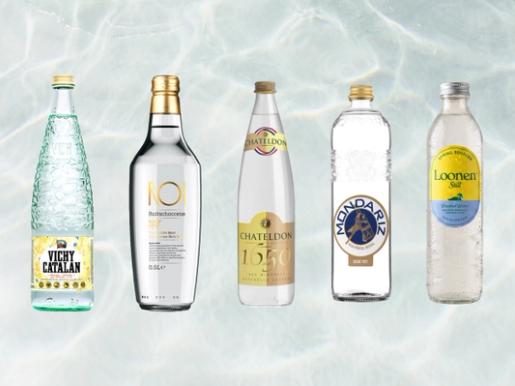
The Five New Status Waters
From coin-tasting magnesium to creamy carbonation, five expensive waters bubbling to the top of high-end hydration’s newly rarefied pecking order.
Last weekend, Hannah Crosbie of The Observer wrote a canny piece about the “curious rehabilitation” of Stella Artois — tracking the lager’s remarkable 20-year boomerang from luxury beer, to literal punchline, to luxury beer again. Its unavoidable Wimbledon partnership this past summer has certainly helped, Crosbie points out, as has that gold-rimmed tulip chalice and quite possibly all that business with the knife and the foam. Meanwhile, beloved French brasserie Camille, in Borough Market, now serves Stella on draught (with a dash of Chartreuse or Picon, if you like) as does the excellent Bistro Fredde in Shoreditch. It’s a far cry from the lager’s low ebb in the noughties, when Jamie T (who also seems mid-comeback, now I think of it) sung about how Sheila went out with her mate Stella and proceeded to have a really ghastly time. Here are five more brands that have staged remarkable comebacks over the years.
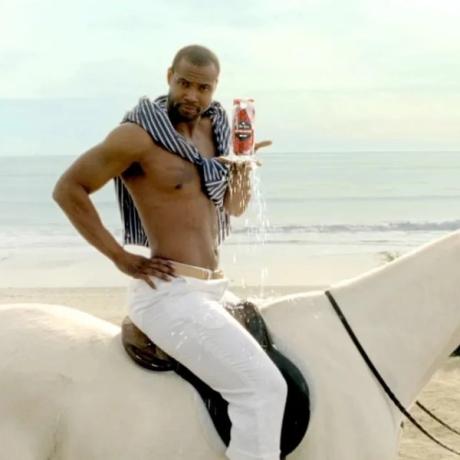
The men’s grooming brand had been a mid-market staple since long before men used the word ‘grooming’, having made musky, clovey fragrances that smelled like the inside of a mahogany cabinet. By the late 2000s, however, the brand was seen as a mainstay of sweaty uncles and those who photographed naval ships, with a name that didn’t particularly help. But then a series of maximalist, tongue-in-cheek adverts by Wieden + Kennedy in 2010 revitalised its fortunes with the tagline ‘The Man Your Man Could Smell Like’, sparking a huge boost in sales and a million half-hearted imitators in the process.
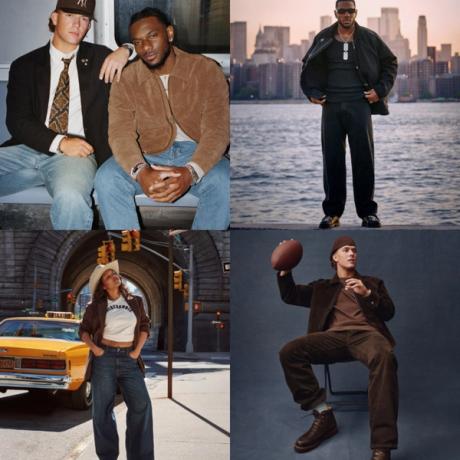
What started out as a reliable outdoors brand (did you know that Hemingway killed himself with an A&F shotgun?) had morphed, by the early noughties, into a behemothic style house so poorly lit that one navigated it solely by following the heavy musk of its scantily clad assistants. But by the end of the decade it had become clear that its management, led by CEO Mike Jefferies, had long pursued a campaign of body-shaming, racial discrimination and creepy coercion that pretty much torpedoed the company overnight once it was out in the open. Now Abercrombie is back, and something of a Wall Street darling, having ditched the splashy branding, shady storefronts and over-sexualised imagery in favour of a more wholesome, preppy, outdoorsy look under new CEO Fran Horowitz.
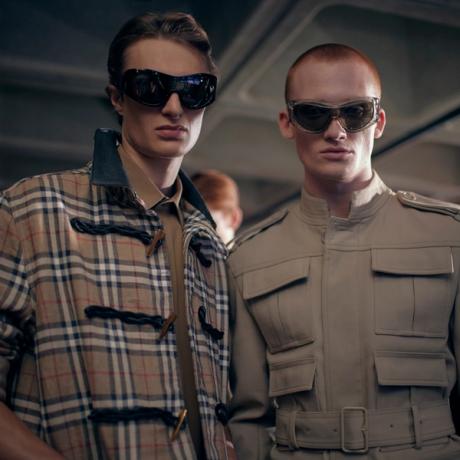
Burberry, founded in 1856, was for decades the first name in British outerwear and the inventor of gabardine cloth. But by the late 1990s a series of licensing deals and diffusion-line items had brought their signature camel-and-red check pattern out from the coat lining and into middle-market products — most egregiously, perhaps, on a much counterfeited baseball cap and scarf. The check coon came to symbolise the British ‘chav’ and hooligan aesthetic to such an extent that some football stadiums blocked entry to anyone wearing it. Though the company itself has endured a handful of controversies, cost-cuttings, and profit warnings in recent years, the brand’s perception has returned to somewhere near its previous pomp.
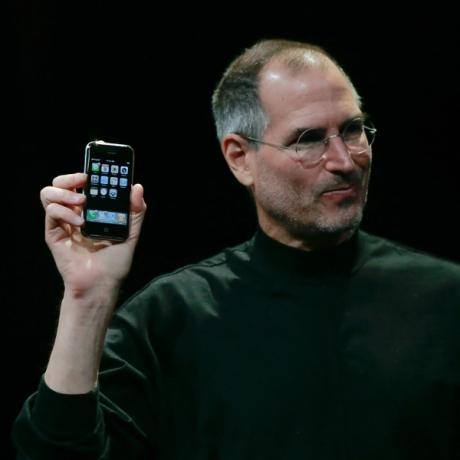
It’s hard to imagine that, after defining personal computing in the 1970s, Apple had by 1997 become the oddball hippie cousin of Silicon Valley, floundering just a few days from bankruptcy after a series of shoddy launches. Then, with nothing left to lose, the board brought back the previously jettisoned Steve Jobs, now outfitted in a natty new polo neck. Jobs swiftly axed 70 per cent of its products and brought the company back into relevance with the iMac, iPod and, eventually, the iPhone, all aesthetically streamlined by designer Jony Ive. Tim Cook, initially dismissed as a supply-chain nerd incapable of following Jobs’s act, then quietly turned the company into a $4.6 trillion money-printing machine, growing its stock 2,300 per cent under his tenure and building a 2.5-billion-device ecosystem. (If the Airpod division was a standalone business, it would be in the top 30 in the US.) Now Cook is out, and Apple is betting its next act on John Ternus — and AI.
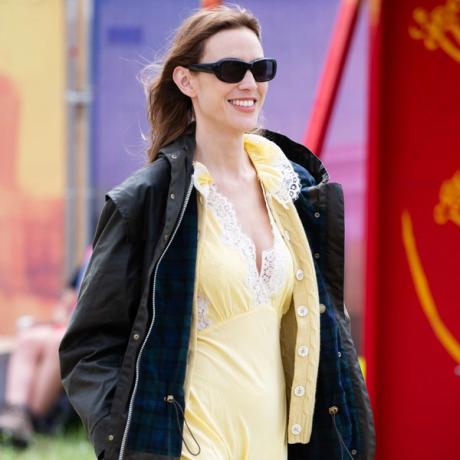
The coatmaker was initially founded in South Shields in 1894 as an outfitter for North Sea fishermen, but by the mid-century had become a symbol of a certain utilitarian elegance — beloved by submariners, motorcyclists, the royal family, and Steve McQueen alike. By the 1990s, however, the fragrant waxed jacket had grown stale — a throwback to ruddy-faced Sloane Rangers and the permanently gouted. Its remarkable rehabilitation in the 2000s was spurred by Kate Moss, Alexa Chung, a slew of fashion collaborations, and a current obsession with a sort of wholesome Cotswolds chic — leading the family-owned company to more than £300 million in sales last year.
Previous Issue
Issue 28
From coin-tasting magnesium to creamy carbonation, five expensive waters bubbling to the top of high-end hydration’s newly rarefied pecking order.
Don't miss next week
Get The Friday Five and the week's best stories straight to your inbox.
Last weekend, Hannah Crosbie of The Observer wrote a canny piece about the “curious rehabilitation” of Stella Artois — tracking the lager’s remarkable 20-year boomerang from luxury beer, to literal punchline, to luxury beer again. Its unavoidable Wimbledon partnership this past summer has certainly helped, Crosbie points out, as has that gold-rimmed tulip chalice and quite possibly all that business with the knife and the foam. Meanwhile, beloved French brasserie Camille, in Borough Market, now serves Stella on draught (with a dash of Chartreuse or Picon, if you like) as does the excellent Bistro Fredde in Shoreditch. It’s a far cry from the lager’s low ebb in the noughties, when Jamie T (who also seems mid-comeback, now I think of it) sung about how Sheila went out with her mate Stella and proceeded to have a really ghastly time. Here are five more brands that have staged remarkable comebacks over the years.
The men’s grooming brand had been a mid-market staple since long before men used the word ‘grooming’, having made musky, clovey fragrances that smelled like the inside of a mahogany cabinet. By the late 2000s, however, the brand was seen as a mainstay of sweaty uncles and those who photographed naval ships, with a name that didn’t particularly help. But then a series of maximalist, tongue-in-cheek adverts by Wieden + Kennedy in 2010 revitalised its fortunes with the tagline ‘The Man Your Man Could Smell Like’, sparking a huge boost in sales and a million half-hearted imitators in the process.
What started out as a reliable outdoors brand (did you know that Hemingway killed himself with an A&F shotgun?) had morphed, by the early noughties, into a behemothic style house so poorly lit that one navigated it solely by following the heavy musk of its scantily clad assistants. But by the end of the decade it had become clear that its management, led by CEO Mike Jefferies, had long pursued a campaign of body-shaming, racial discrimination and creepy coercion that pretty much torpedoed the company overnight once it was out in the open. Now Abercrombie is back, and something of a Wall Street darling, having ditched the splashy branding, shady storefronts and over-sexualised imagery in favour of a more wholesome, preppy, outdoorsy look under new CEO Fran Horowitz.
Burberry, founded in 1856, was for decades the first name in British outerwear and the inventor of gabardine cloth. But by the late 1990s a series of licensing deals and diffusion-line items had brought their signature camel-and-red check pattern out from the coat lining and into middle-market products — most egregiously, perhaps, on a much counterfeited baseball cap and scarf. The check coon came to symbolise the British ‘chav’ and hooligan aesthetic to such an extent that some football stadiums blocked entry to anyone wearing it. Though the company itself has endured a handful of controversies, cost-cuttings, and profit warnings in recent years, the brand’s perception has returned to somewhere near its previous pomp.
It’s hard to imagine that, after defining personal computing in the 1970s, Apple had by 1997 become the oddball hippie cousin of Silicon Valley, floundering just a few days from bankruptcy after a series of shoddy launches. Then, with nothing left to lose, the board brought back the previously jettisoned Steve Jobs, now outfitted in a natty new polo neck. Jobs swiftly axed 70 per cent of its products and brought the company back into relevance with the iMac, iPod and, eventually, the iPhone, all aesthetically streamlined by designer Jony Ive. Tim Cook, initially dismissed as a supply-chain nerd incapable of following Jobs’s act, then quietly turned the company into a $4.6 trillion money-printing machine, growing its stock 2,300 per cent under his tenure and building a 2.5-billion-device ecosystem. (If the Airpod division was a standalone business, it would be in the top 30 in the US.) Now Cook is out, and Apple is betting its next act on John Ternus — and AI.
The coatmaker was initially founded in South Shields in 1894 as an outfitter for North Sea fishermen, but by the mid-century had become a symbol of a certain utilitarian elegance — beloved by submariners, motorcyclists, the royal family, and Steve McQueen alike. By the 1990s, however, the fragrant waxed jacket had grown stale — a throwback to ruddy-faced Sloane Rangers and the permanently gouted. Its remarkable rehabilitation in the 2000s was spurred by Kate Moss, Alexa Chung, a slew of fashion collaborations, and a current obsession with a sort of wholesome Cotswolds chic — leading the family-owned company to more than £300 million in sales last year.
Previous Issue
Issue 28
From coin-tasting magnesium to creamy carbonation, five expensive waters bubbling to the top of high-end hydration’s newly rarefied pecking order.
Don't miss next week
Get The Friday Five and the week's best stories straight to your inbox.