The Gentleman’s Journal Guide to Ascot Etiquette
With invaluable input from our friends at Debrett’s, the final social arbiters
- Words by: Joseph Bullmore
Welcome to the Gentleman’s Journal Ascot Etiquette Guide — or our Ascotiquette Guide, if you will. And if that name seems gently eccentric, then that’s precisely the point. Royal Ascot is a carpark with a racecourse attached. Or a waistcoat catwalk with some horses nearby. It is one of the high points of British decorum and formality, yes — but also of a certain eccentricity and jolliness. Morning dress — the de rigeur staple of Royal Ascot, as we’ll come to — is one of the few times when the English truly allow themselves a spritz of colour, chiefly via the waistcoat. Fifty shades of pale yellow. Not that this is a time for unrestrained hedonism and looseness, of course. For that we have Wilderness. Or Cheltenham. Instead, there are rules to observe. Here are some of the most important — with invaluable input from Rupert Wesson and Hugo Strachwitz, Directors at Debrett’s, perhaps the final social arbiters of these sorts of things.
Hats off! (Or on, actually)
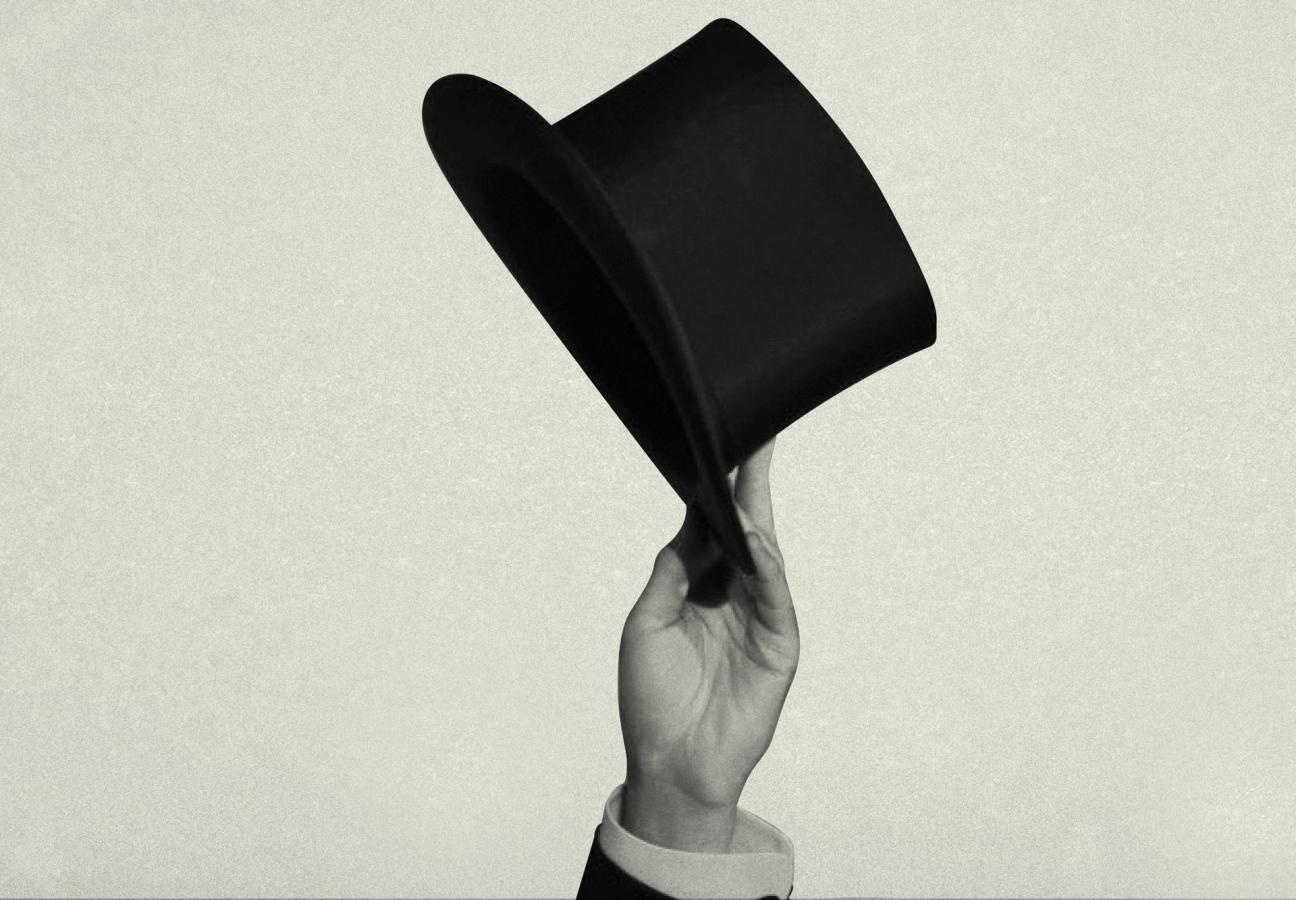
Some men keep a couple of ice cubes under their hats to cool their heads beneath Berkshire’s Saharan rays. Others store their keys up there, I’m told, so as not to ruin the clean lines of their morning suit coat. “Just don’t try to keep contraband under there,” says Wesson, remembering how an usher at the entrance of the race course asked him to remove his hat one year to check for illicit booze.
It’s not a bad idea, however, to keep a personal business card or something unique tucked into the inner-rim of the cap so you don’t mistake it for someone else’s on the odd occasion when you take it off. Kristian Ferner Robson — the hatter-in-chief to the chattering classes, via his company, Oliver Brown — once told me that dozens of hats go ‘missing’ a day from the various enclosures due to such useful confusion.
It helps if you rarely take it off, of course, and the polite form at Ascot is to keep yours on at all times when outdoors — though “top hats may also be removed within an enclosed external seating area, terrace, balcony, or garden”, according to the official code — until, that is, you are greeting a lady, at which point, removing it with “a gentle doff” is appropriate, according to Strachwitz. (Or if you are presented to a member of the royal family, at which point you should remove it “as an act of deference”.)
But one shouldn’t leave one’s hat upside down on a table like an ice bucket, as the beautiful silk will get worn out, and that’s the one thing you can’t replace. And never wear a tophat with sunglasses. Or tilted like a cowboy or late 90s Snoop Dogg.
The Gentlemen’s Dress Code
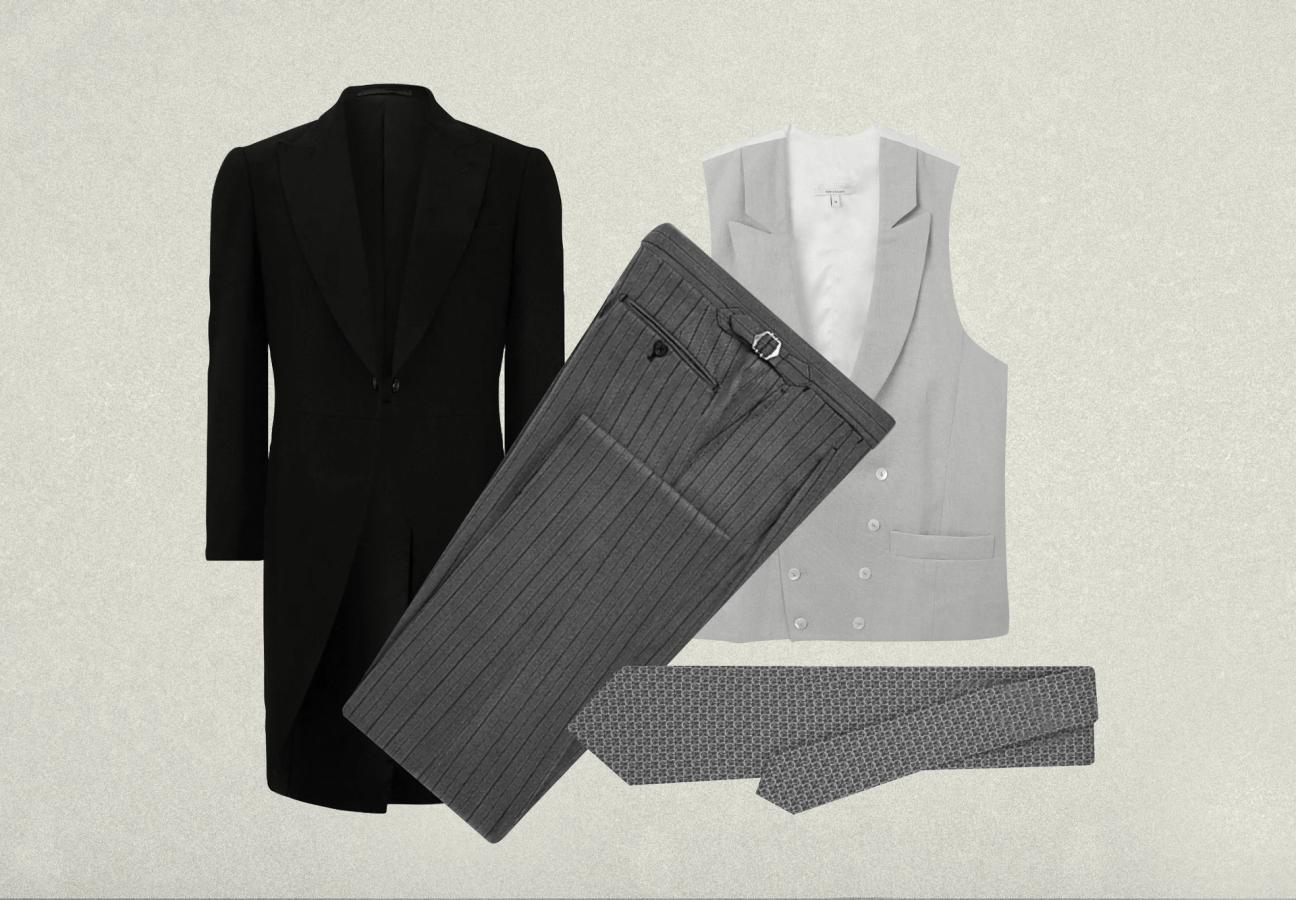
For the Royal Enclosure, where you’ll be, it’s morning dress, obviously — a dress code almost obtusely mismatched to the June heat, like wearing rugby boots on a bouncy castle. Inconvenience, as ever, if a form of manners.
Your suit should come in “black, grey or navy material” according to the official code — though navy might one look like an usher at a Kent hotel wedding. A black coat is the general form, traditionally with ‘spongebag’ or ‘cashmere’-striped trousers (that’s the name of the stripe — they’ll be made of wool), though some like to swap those out with a lighter puppytooth for a slightly springier feel.
The waistcoat should almost certainly be double-breasted (it works so much better in contrast with the single-breasted coat, and the old boys sometimes pronounce it as a clipped ‘wistkut’, with the shortest, sharpest vowels possible — a sort of 1920s, Waughian holdout, which sits nicely next to the proper pronunciation of the place itself: “Asket”. Light and pastel tones (ranging from dove grey and pale buff through to powder blue and dusty pink and mint green) often work best in the sunshine. Ties should really be patterned and sit in contrast to the waistcoat. Hermes, Ferragamo, and E. Marinella are strong choices here.
His Majesty, of course, does things slightly differently. “He prefers to wear a mid-gray coat with matching trousers,” says Strachwitz, often with a pale grey or buff waistcoat and a paler, more tonal palette on the tie-and-shirt.
And so, as with everything in British manners, a fine line is trod between the collective and the individual. We are all the same, but we are also all ourselves. “There are uniform elements to it,” says Strachwitz. “ut to break with the possibility of it being considered a uniform, those individual flashes of colour or eccentricity come in.”
And when can one take the morning suit coat off? “When you get home,” Wesson says.
The Carpark
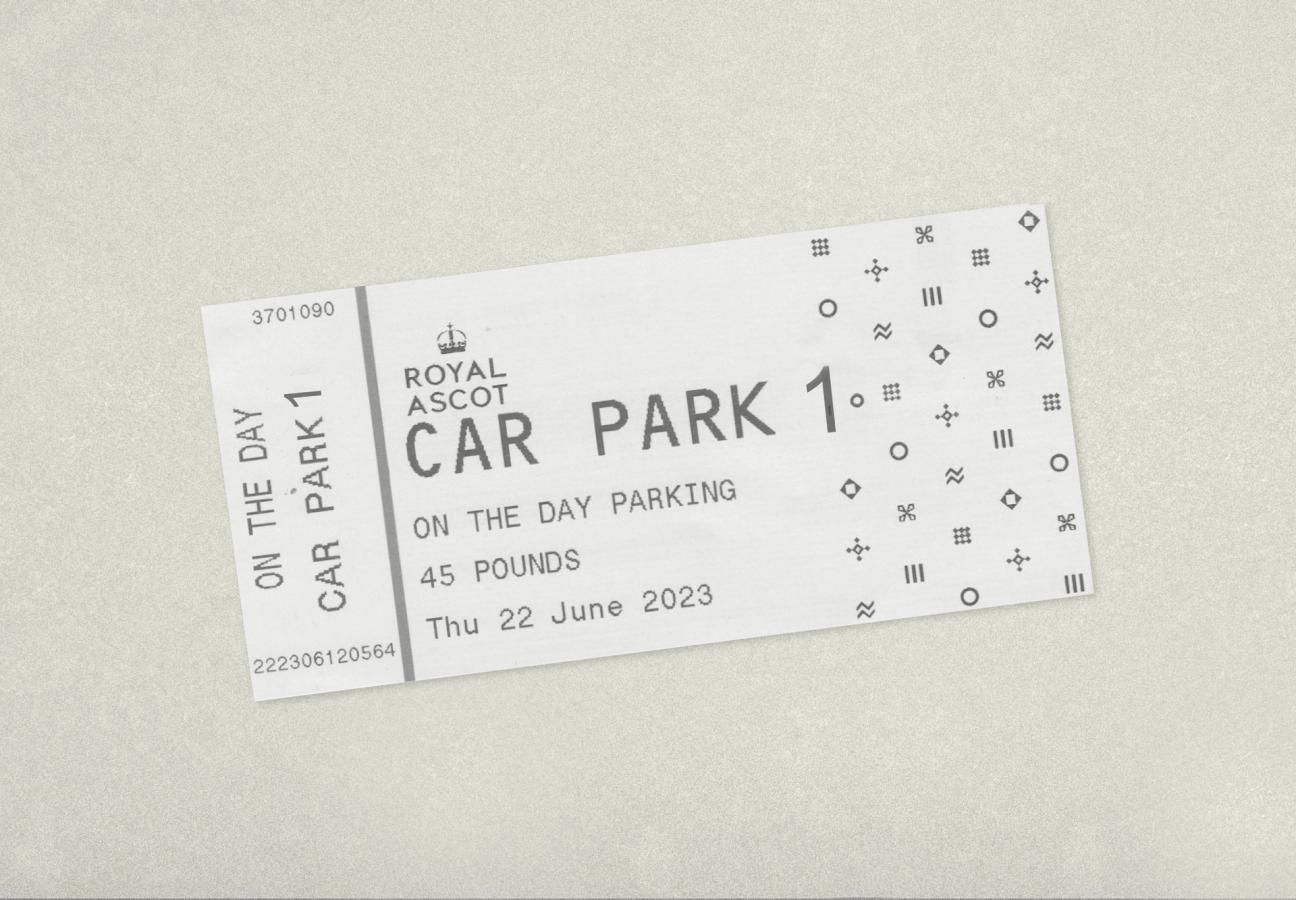
On certain days in mid-June, Number One Carpark (we are still unclear whether there are any others) is the most desirable location in the world. You cannot buy your way into those slots. It’s a case of ‘dead man’s shoes’, (which is fitting, as many of the chaps here are in a pair of great uncle George’s old brogues.) The easiest way to secure a primo space at Number One Carpark, of course, is to invent a time machine, go back 100 years, and convince your grandfather to secure a primo space in Number One Carpark.
Things should remain collegiate, however. Games of gazebo one-upmanship are a little naff. Feel free to mingle from your spot with those you know or friendly neighbours, offering champagne or blinis or Marlboro Touches as appropriate. When the racing starts, you probably ought to abandon your hamper and decant yourself from the Defender tailgate and go and watch. And do remember that you’ll need to arrange for a designated driver as your escape pod home/ to The Surprise. “It’s one of the reasons to have children,” says Wesson. “So they can drive their parents home after the picnic at Ascot…”
The Royals
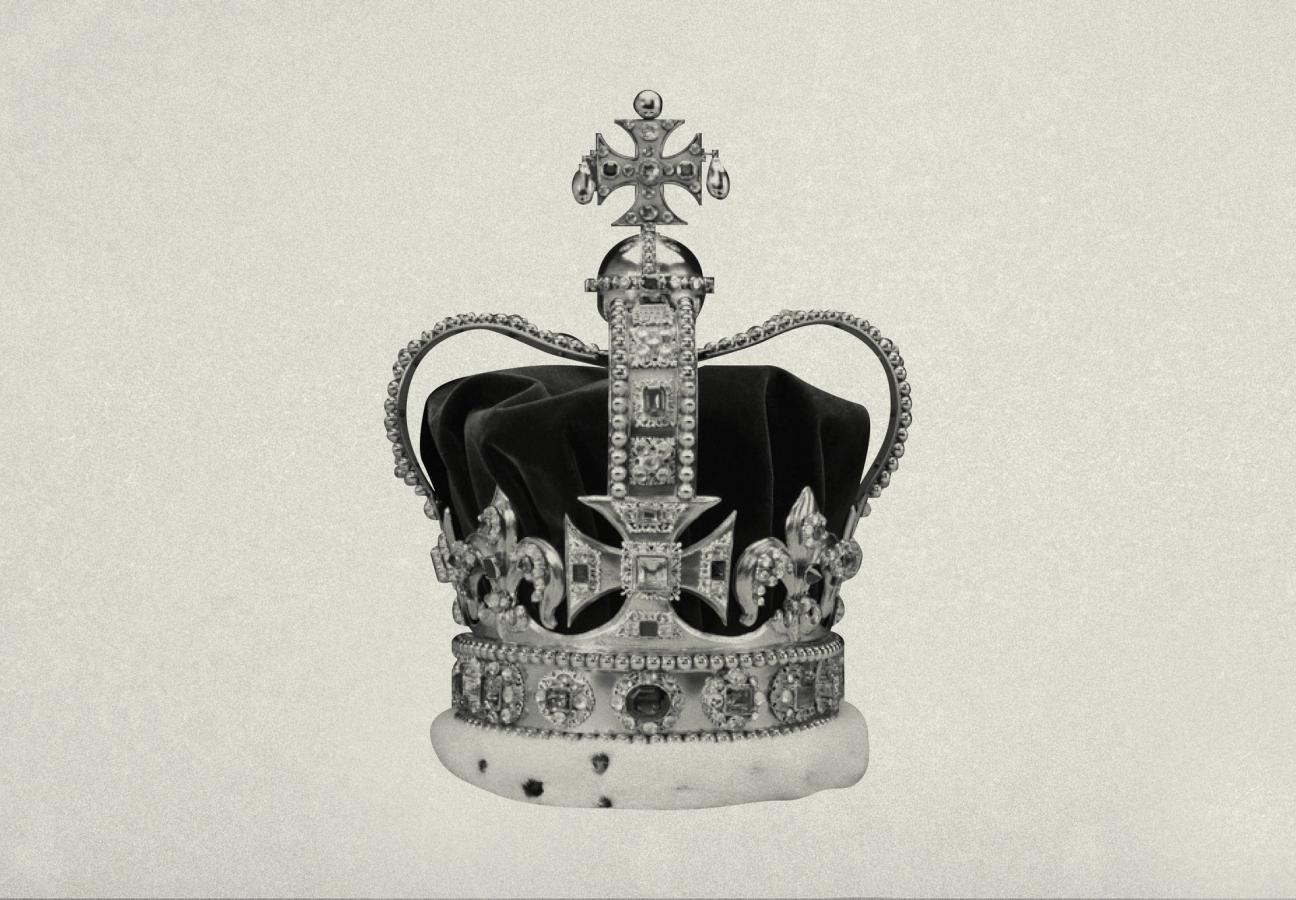
The king is traditionally there for the first day of Ascot at least, while Queen Camilla has a more robust interest in horses and will usually be there a few days a week. The Princess Royal will also be there several times. “There are a few top tips, should you find yourself in the presence of royals,” says Strachwitz. “There are only two royal family members you should describe as his or her majesty, of course — the king and the queen. All other senior members of the royal family are ‘your royal highness’.”
“And there is an expectation that if you’re in the Royal Enclosure you know how to behave,” adds Wesson. “And you will not be overawed by the presence of the royal family.”
The Horses
Do remember to watch as many races as possible, and to bet on every one. Things are much more interesting with skin in the game. Like poker. Or divorce. If you should happen to win, “don’t toss your hat in the air,” says Wesson. “They come down with quite a weight.”
“But I think you can let a little bit of steam off politely — a gentle punch of the air, perhaps,” says Strachwitz. “But not shirt-over-your-head stuff…”
The self-proclaimed tipsters are part of the fun,too. “If there’s one thing I love more than finding someone who knows about horses it’s finding someone who thinks they know about horses, and would absolutely love to be asked about it,” says Wesson. “I absolutely love that nonsense.”
And remember, he says: “the only people who make money out of horse racing are vets and bookmakers.” And champagne houses, too, of course: big wins should always be met with a bottle of something frothy, shared with your group. “There’s no point taking cash back with you. It should all be reinvested on the spot.”
Before you place a bet, make sure your wardrobe is a winner. Read our guide to dressing for Royal Ascot.