
Style -- 4 days ago

Winter boots are built to endure, but not to be ignored. A careful clean preserves their structure, finish and comfort far better than leaving them to dry out and crack.
Winter treats footwear the way bureaucracy treats initiative: with deliberate, grinding hostility. One week, your boots look almost dashing, crunching through frost and making you feel faintly competent. The next, they resemble archaeological finds, encrusted with salt, ringed with dried slush and exuding a smell that suggests something died in November and has been commuting with you ever since.
The instinctive response is to punish them in the washing machine, as if a 40-degree cycle were a universal solvent for poor decisions. This is how good boots are turned into bin liners. Leather cracks, glues fail, membranes sulk and you are left wondering why your once reliable companions now let in water like a student flat.
Cleaning winter boots is less about laundering and more about field maintenance. Handle them like kit, not laundry, and they will repay you with years of service.
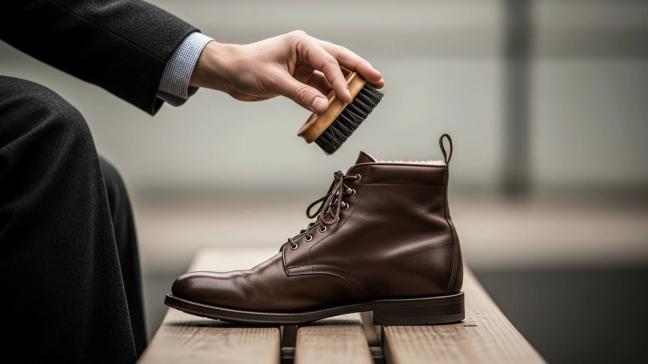
Resist the urge to attack them while they are still wet and accusatory. Let mud, slush and road filth dry completely. Then take them outside, knock the soles together like chalk erasers and brush off everything that is willing to leave freely. A soft brush or an old toothbrush will do; the point is to remove grit before you introduce water, not grind it lovingly into the uppers.
Only once the loose dirt is gone do you bring in moisture. Think of this as a negotiation. You are persuading the remaining grime to leave, not interrogating it under a hose.
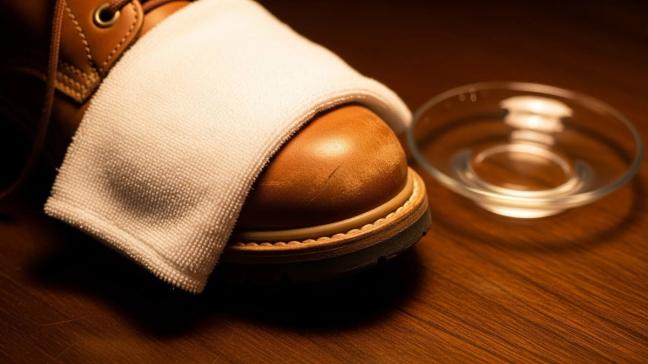
Full-grain leather winter boots are the ones most men quietly fear washing. They are also the ones that benefit most from calm, methodical attention.
Start with a damp cloth, not a soaking one. Wipe the uppers with lukewarm water, working slowly so you lift traffic film, not the leather’s natural oils. If the boots have met road salt, you will see pale tide marks along the bottom edges. Left alone, that salt will dry the leather and eventually split it. A mild solution of white vinegar and water, dabbed on with a cloth, dissolves these rings without turning your boots into a salad. Follow with a clean water wipe to remove the residue and let them dry at room temperature.
The key phrase here is at room temperature. Park them in front of a radiator, and the leather will dry too fast, lose its suppleness and start plotting against you. Stuff them lightly with paper or use shoe trees to help them keep their shape while they dry in a cool, airy spot.
Once they are properly dry, you have, in effect, stripped them. The leather will be clean but slightly vulnerable, its protective finishes diluted. This is the moment for conditioner and waterproofing. A small amount of cream or wax designed for outdoor leather, worked in with a cloth, restores oils and flexibility. A compatible waterproofing treatment, from the likes of Nikwax or a brand’s own product, helps repel future rain and slush. Without this step, all you have done is make them clean and anxious.
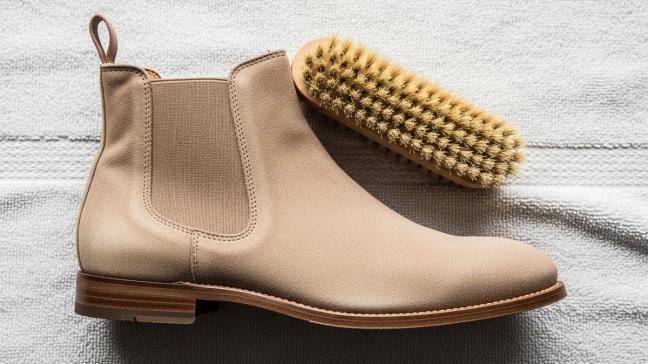
Suede and nubuck are winter’s impractical darlings. They look sophisticated in the shop and like a bad decision ten minutes after meeting a salted pavement. They cannot be treated like smooth leather, and they definitely cannot be dunked.
Again, begin dry. Use a suede or nubuck brush to lift mud and surface dirt once everything has hardened. Work with the nap, not against it, as if you are calming down a small, offended animal. For light marks and water spots, a dedicated suede cleaner or a very dilute solution designed for the job is preferable to kitchen remedies, but a cautious vinegar and water mix can rescue salt stains in emergencies. Apply sparingly with a cloth and leave to dry naturally, then brush again to restore texture.
Oil or greasy marks are often best handled with powder. Baking soda or cornflour sprinkled on, left overnight and then brushed away can lift a surprising amount. If the stain persists, you are dealing with history, not dirt, and a professional cleaner may be your only route to absolution.
Once clean and dry, always finish with a spray specifically labelled for suede and nubuck. This is not vanity. It gives the leather a fighting chance in the next round of slush.

Modern winter boots often combine textile uppers, synthetic leather and waterproof membranes. They look reassuringly like footwear that could be hurled into a washing machine. Most brands would rather you did not.
Remove laces and insoles, brush away dried dirt, then use lukewarm water with a small amount of mild soap or a purpose-made footwear cleaner on a cloth or soft brush. Nikwax and others sell gels designed for exactly this task and, unlike your washing powder, they do not leave residues that clog membranes and reduce water repellency.
Rinse with a clean, damp cloth until you are confident all cleaner has gone, then stuff lightly with paper and let them air dry. Again, no radiators, no tumble dryers, no “warm” oven that someone has thoughtfully turned into a boot cupboard. Excess heat is not kind to adhesives or synthetic fibres and can warp the very structure that keeps your feet dry.
Once they are dry, reapply a waterproofing spray that plays nicely with fabric and membranes. The factory coating does not last forever, particularly after encounters with salt and detergent, and a periodic top-up makes the difference between beading and sulking.
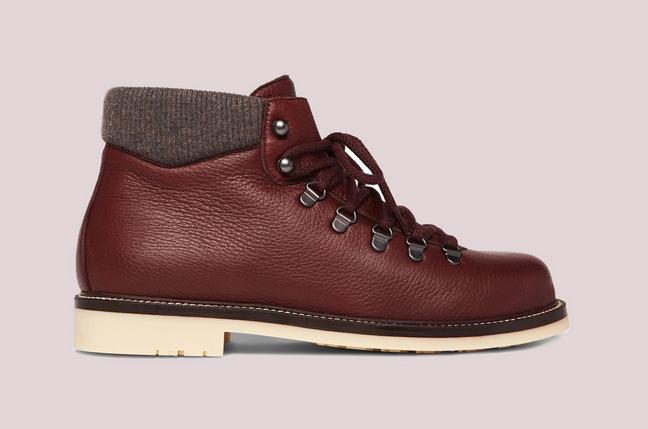
Rubber and EVA winter boots look as if they could survive anything, which is how many of them end up cracked and chalky in a cupboard by April.
Their care is mercifully simple. Rinse off mud and salt with warm water, perhaps a little mild soap for stubborn grime, then dry with a towel and allow them to stand in a ventilated spot. The important part is to avoid leaving salt on them long-term. It quietly degrades rubber and can stiffen synthetic shells until they crack.
Some manufacturers sell rubber conditioners to keep the material supple. If you live somewhere that treats pavements as salt licks for five months of the year, this is not the most ridiculous investment you could make.
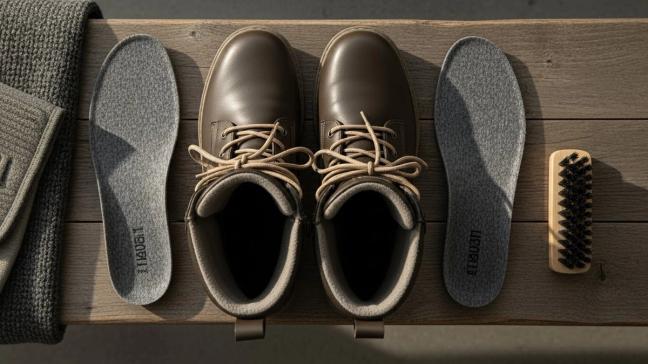
Winter boots do not just collect dirt on the outside. Inside, they accumulate sweat, grit and the sort of odours that can kill a hallway. Ignoring this and focusing purely on the uppers is like polishing the front door and leaving the bins uncollected.
First, remove the insoles if they are designed to come out. Shake out any grit, knock them together gently and let them air. Many synthetic insoles can be hand-washed in lukewarm water with a little mild soap, then pressed with a towel and air-dried flat. Check the brand’s guidance before deciding to machine wash anything that normally lives under your foot.
For the boot interior, a simple approach works best. After each serious outing, especially if your feet have been working hard, open the boots fully and let them breathe somewhere dry. If smells start to linger, a light sprinkling of baking soda left overnight and shaken out the next day is infinitely preferable to drowning the lining in aggressive disinfectant sprays that can irritate skin and damage membranes.
Snow boots with removable thermal liners should have those liners taken out and dried regularly. Leaving them festering inside, damp and compressed, is how you end up with mould and the kind of scent you could weaponise.
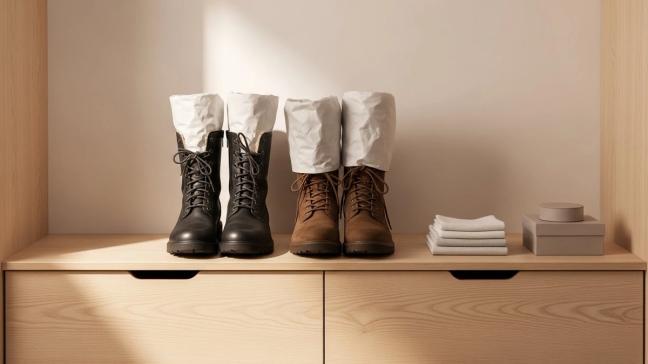
The most civilised moment in the life of a winter boot is not its first outing, but its last. Shoving filthy, salt-stained footwear into a cupboard in March and forgetting about it is essentially pre-booking disappointment for November.
When the worst of the weather has passed, give your boots a proper farewell inspection. Clean them as above. Remove every trace of salt and mud you can find. Let them dry slowly and completely with insoles out and tongues open. Condition leather, reproof fabric, check laces, and examine soles for serious wear while there is still time to do something about it.
Then store them in a cool, dry, ventilated place. Not directly above a radiator. Not in a plastic bag. Stuff them with paper or use shoe trees so they do not collapse into strange shapes over summer.
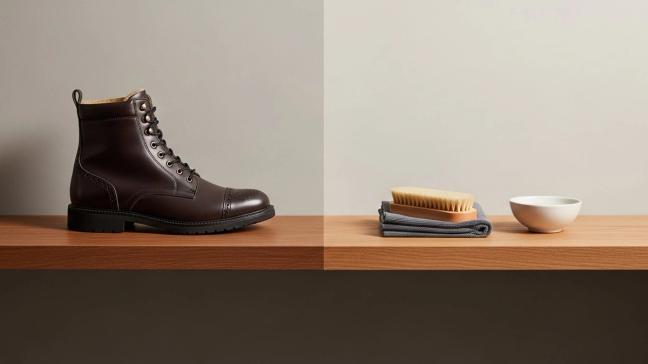
None of this is particularly glamorous. It will not earn you admiring glances on social media. But it is the quiet work that makes the glamorous bits possible. Clean, well-maintained winter boots last longer, look better and behave themselves when the pavements are impersonating Siberia.
Treat them like disposable trainers, and they will repay you with leaks and cracked leather just as you are halfway down an icy street. Treat them like equipment worthy of a little time with a brush, a cloth and some common sense, and they will carry you through years of bad weather with the sort of understated competence that bureaucracy could only dream of.
To receive the latest in style, watches, cars and luxury news, plus receive great offers from the world’s greatest brands every Friday.