Previous Issue
Issue 25
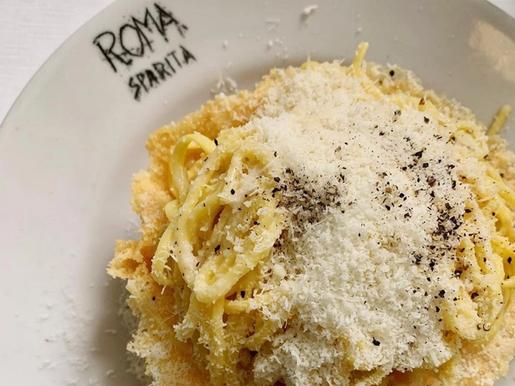
Anthony Bourdain's Five Favourite Dishes on the Planet
Anthony Bourdain wrote about food with unmatched wit, curiosity and conviction. These were the five dishes he loved most, from prawn brains to Czech blood sausage.

I have always rather liked the idea of investing in wine, in the same way that I have always rather liked the idea of investing in vintage Ferragamo ties, or investing in old Range Rovers. (I have a lovely 2002 'Royal Edition' P38 to hand, should anyone wish to 'invest' that away from me.) It seems like a very good way to rationalise one's indulgences. And naturally, I always thought that the classics were the way to go—back tried-and-tested, big name marques and appellations and one couldn’t go far wrong.
But the received wisdom is not always so wise. This week I got a note from our friend Tom Gearing, founder of wine investment platform Cult Wines, which confirmed this. "The safest names in fine wine are no longer a safe bet,” he said. “And the interesting ones are…”
In their study, Cult Wines analysed 52,147 wines over the first half of 2026. The five ‘First Growths’ split down the middle: Lafite rose 2.7% while Latour fell 1.4%. But the most notable and interesting performances were far away from the usual stars. Here, then, are the five wines you should actually be investing in. You can thank me later. And do let me know about the Range Rover.
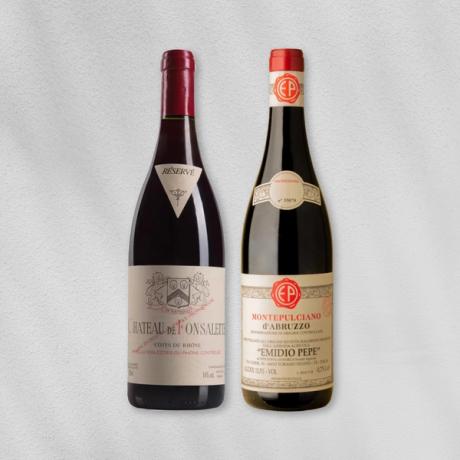
The art market has long known what happens to prices when a legend dies, and wine is no different. Following the death of Emmanuel Reynaud, Rayas is the third best performing wine in Cult Wine’s entire dataset: up 6.8% at median across 25 vintages, with 88% of them rising. And the wine world lost another giant just last week: Emidio Pepe, the great traditionalist of Abruzzo, who died at 94. His wines were already among the strongest in our data before his passing, up 6% across the range. If the pattern that lifted Rayas holds, that story is only the beginning.
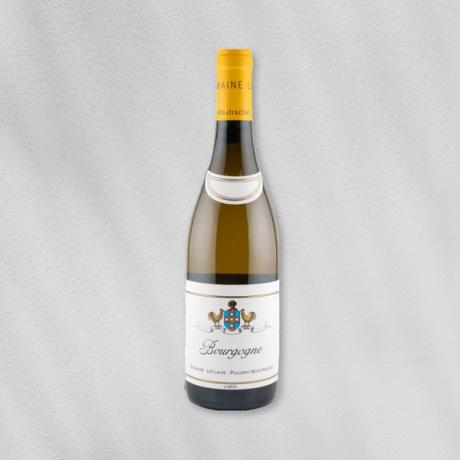
Whites beat reds across the whole market in the first half of the year, and Leflaive owns the top of the table. Its Puligny-Montrachet Clavoillon was the number one performing wine in the entire market, up 7.2% at median across 21 vintages, and Les Pucelles rose in 22 of its 25 vintages. Burgundy's headline index is flat — but its best whites are happily defying that trend.
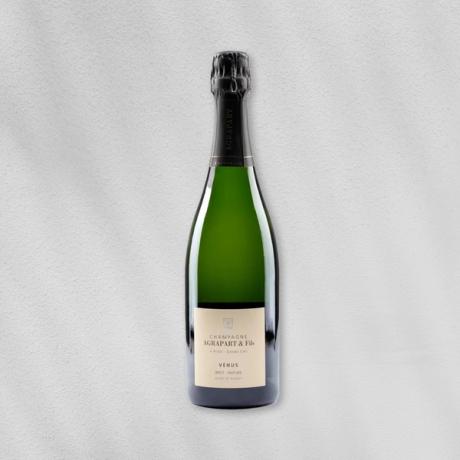
Champagne has climbed every month since February, ahead of most of France, and grower Champagne is leading it. Agrapart's range rose 3.1% at median with 78% of its wines up, the most consistent producer in the region, and one cuvée jumped 30% on a single trade. Krug is up too, for readers who want to back the famous name.
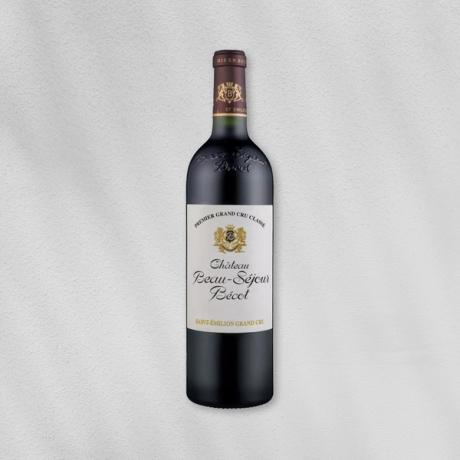
While its Saint-Émilion neighbours unwind spectacularly (Pavie fell 5.1% across 244 trades), Beau-Séjour Bécot sits in our top fifteen producers: up 1.8% at median with a string of superbly rated recent vintages still trading at very ordinary prices. Quality, value and momentum in one label, which is rarer than it should be.
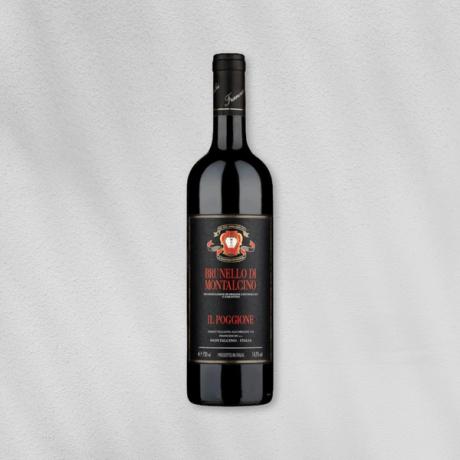
Italy led the entire recovery and this is its most buyable expression: up 4.9% at median across 16 vintages, with more confirmed trades than almost any Italian wine in the dataset. Proof the Italy story is not just Solaia at 6%; it runs right down to bottles a reader can actually afford.
Previous Issue
Issue 25
Anthony Bourdain wrote about food with unmatched wit, curiosity and conviction. These were the five dishes he loved most, from prawn brains to Czech blood sausage.
Don't miss next week
Get The Friday Five and the week's best stories straight to your inbox.
I have always rather liked the idea of investing in wine, in the same way that I have always rather liked the idea of investing in vintage Ferragamo ties, or investing in old Range Rovers. (I have a lovely 2002 'Royal Edition' P38 to hand, should anyone wish to 'invest' that away from me.) It seems like a very good way to rationalise one's indulgences. And naturally, I always thought that the classics were the way to go—back tried-and-tested, big name marques and appellations and one couldn’t go far wrong.
But the received wisdom is not always so wise. This week I got a note from our friend Tom Gearing, founder of wine investment platform Cult Wines, which confirmed this. "The safest names in fine wine are no longer a safe bet,” he said. “And the interesting ones are…”
In their study, Cult Wines analysed 52,147 wines over the first half of 2026. The five ‘First Growths’ split down the middle: Lafite rose 2.7% while Latour fell 1.4%. But the most notable and interesting performances were far away from the usual stars. Here, then, are the five wines you should actually be investing in. You can thank me later. And do let me know about the Range Rover.
The art market has long known what happens to prices when a legend dies, and wine is no different. Following the death of Emmanuel Reynaud, Rayas is the third best performing wine in Cult Wine’s entire dataset: up 6.8% at median across 25 vintages, with 88% of them rising. And the wine world lost another giant just last week: Emidio Pepe, the great traditionalist of Abruzzo, who died at 94. His wines were already among the strongest in our data before his passing, up 6% across the range. If the pattern that lifted Rayas holds, that story is only the beginning.
Whites beat reds across the whole market in the first half of the year, and Leflaive owns the top of the table. Its Puligny-Montrachet Clavoillon was the number one performing wine in the entire market, up 7.2% at median across 21 vintages, and Les Pucelles rose in 22 of its 25 vintages. Burgundy's headline index is flat — but its best whites are happily defying that trend.
Champagne has climbed every month since February, ahead of most of France, and grower Champagne is leading it. Agrapart's range rose 3.1% at median with 78% of its wines up, the most consistent producer in the region, and one cuvée jumped 30% on a single trade. Krug is up too, for readers who want to back the famous name.
While its Saint-Émilion neighbours unwind spectacularly (Pavie fell 5.1% across 244 trades), Beau-Séjour Bécot sits in our top fifteen producers: up 1.8% at median with a string of superbly rated recent vintages still trading at very ordinary prices. Quality, value and momentum in one label, which is rarer than it should be.
Italy led the entire recovery and this is its most buyable expression: up 4.9% at median across 16 vintages, with more confirmed trades than almost any Italian wine in the dataset. Proof the Italy story is not just Solaia at 6%; it runs right down to bottles a reader can actually afford.
Previous Issue
Issue 25
Anthony Bourdain wrote about food with unmatched wit, curiosity and conviction. These were the five dishes he loved most, from prawn brains to Czech blood sausage.
Don't miss next week
Get The Friday Five and the week's best stories straight to your inbox.