Why the Ineos Grenadier won me over in the Swiss Alps
Dismissed by some and adored by others, the Ineos Grenadier is one of the automotive world's most divisive newcomers. A week in Switzerland revealed why that may be its greatest strength.
- Words by: Harry Jarman
If there's one modern car that has divided opinion quite like the Ineos Grenadier, I struggle to think of it.
Since its launch, the conversation has rarely been quiet. Some dismiss it as too agricultural. Others question its styling, its size or whether there's room for another serious off-roader in a market already dominated by familiar names. Then there are those who simply say, "It's not very good in London.” They're probably right. But then again, neither is a Mercedes G-Class. Nor, in many respects, is a full-fat Range Rover. These are not cars designed to squeeze into underground car parks or glide silently through Chelsea at school-run speed. Judging the Grenadier on its ability to navigate the King's Road feels rather like criticising a sailing yacht because it isn't particularly good on the M25.
The Grenadier was never built for London. It was built for adventure.
I recently spent some time with one in Switzerland and, somewhere between mountain passes, gravel tracks and impossibly beautiful Alpine villages, I found myself falling not only for the car, but for what Sir Jim Ratcliffe and the team at Ineos Automotive are trying to achieve.
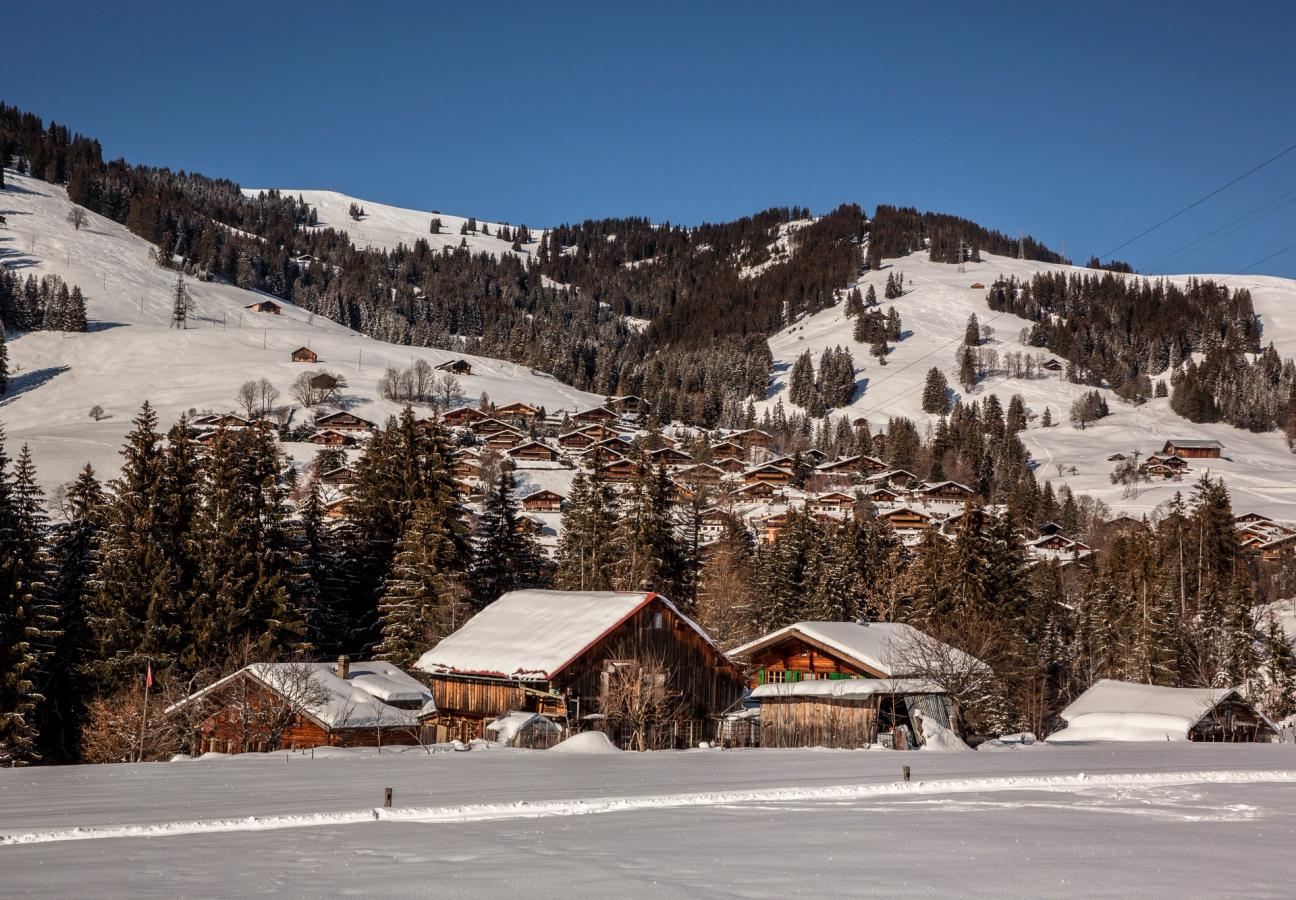
I was based in the beautiful village of Chateau d’Oux, just outside Gstaad, where the Mercedes G-Class is unquestionably king of the road. Every luxury hotel seemed to have a row of them outside, while Range Rovers quietly went about their business. Yet during my stay I only counted just two Grenadiers. It my view it’s this rarity only added to the allure.
People didn't sneer. They stopped, looked and asked questions. There was curiosity rather than judgement. In a town where automotive status symbols are ten a penny, the Grenadier somehow managed to feel refreshingly different and dare I say, cool.
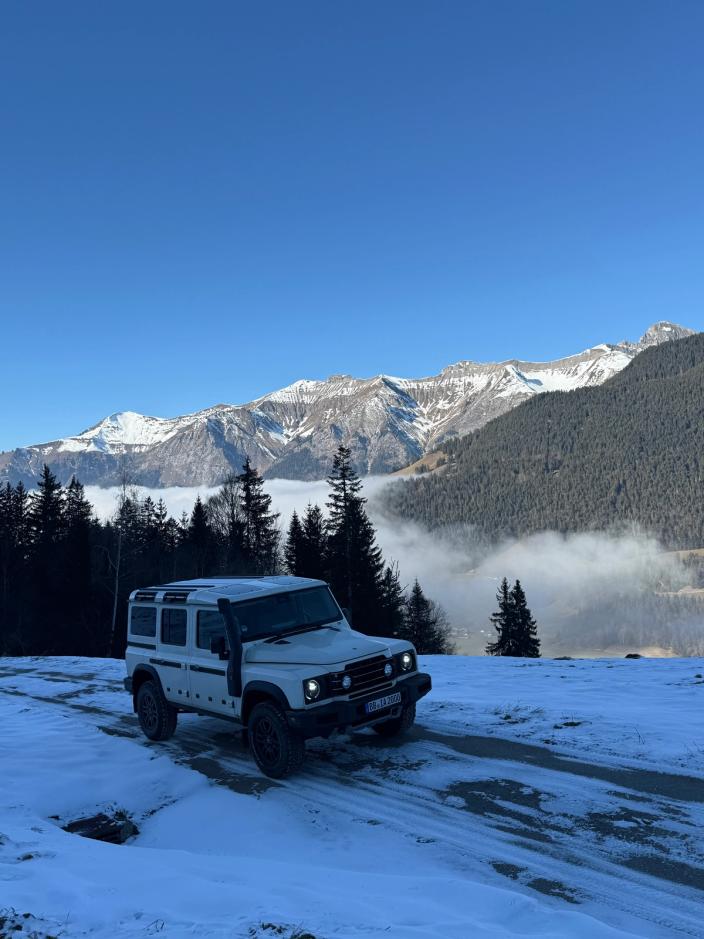
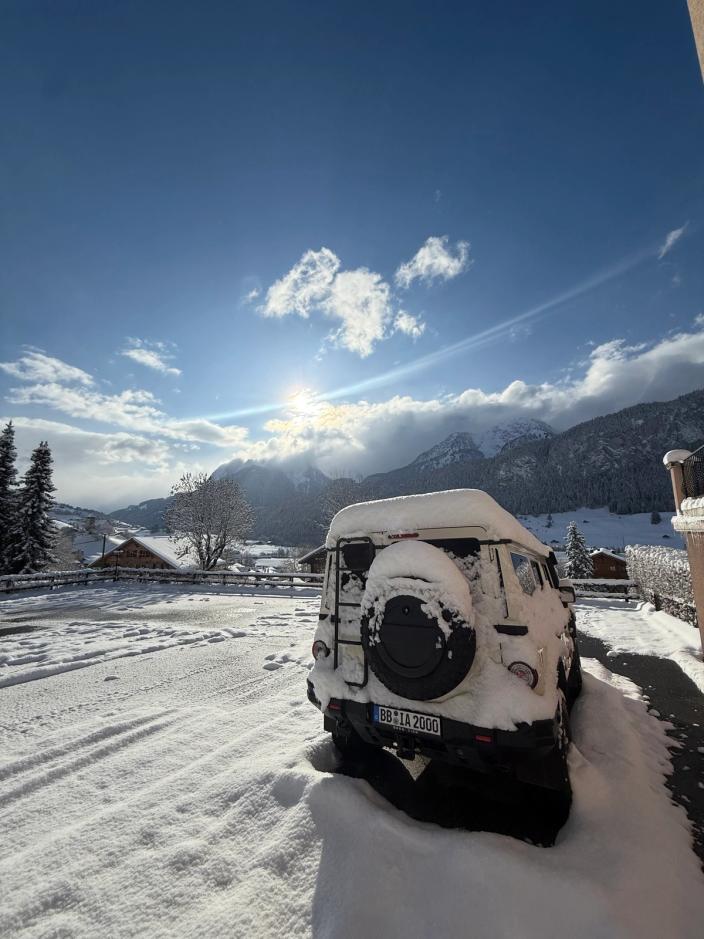
Perhaps that's because, in a world where so many premium SUVs have become fashion accessories first and driving machines second, the Grenadier feels remarkably honest. It doesn't seem remotely interested in chasing trends or impressing the valet. It simply wants to get on with the job.
Early criticisms surrounding the steering have been well documented, and to Ineos' credit they've listened. The latest version is noticeably more composed, yet without losing the character that makes it unique. More importantly, every drive feels like an event.
Modern luxury cars are astonishingly competent. They're quieter, smoother and more technologically advanced than ever before. Yet somewhere along the way many have also become rather anonymous. You climb aboard, select Drive and allow the computers to do almost everything while your seat massages your back and a giant touchscreen asks whether you'd like to update your software.
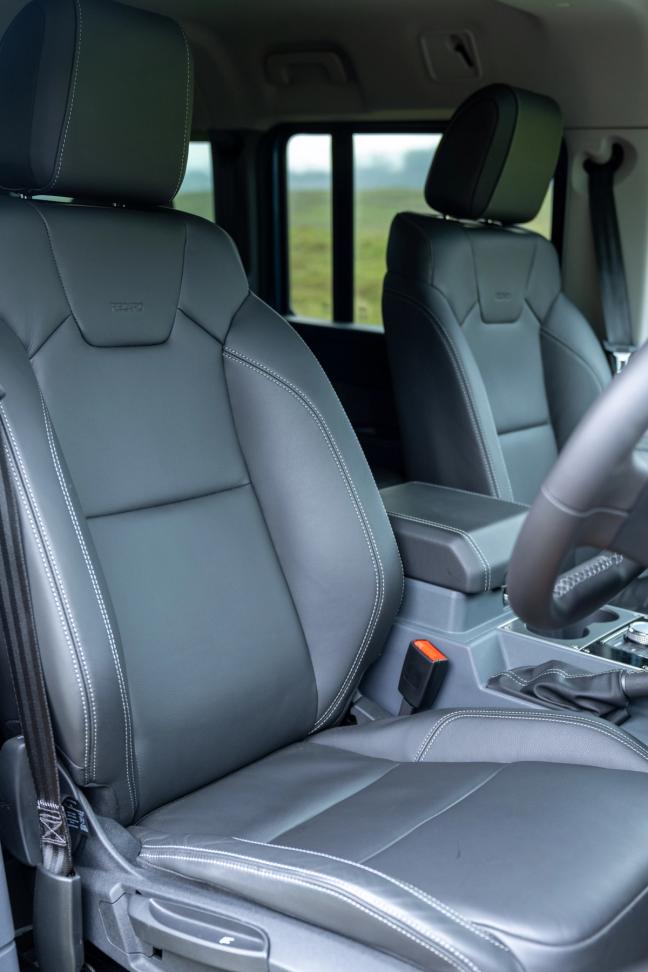
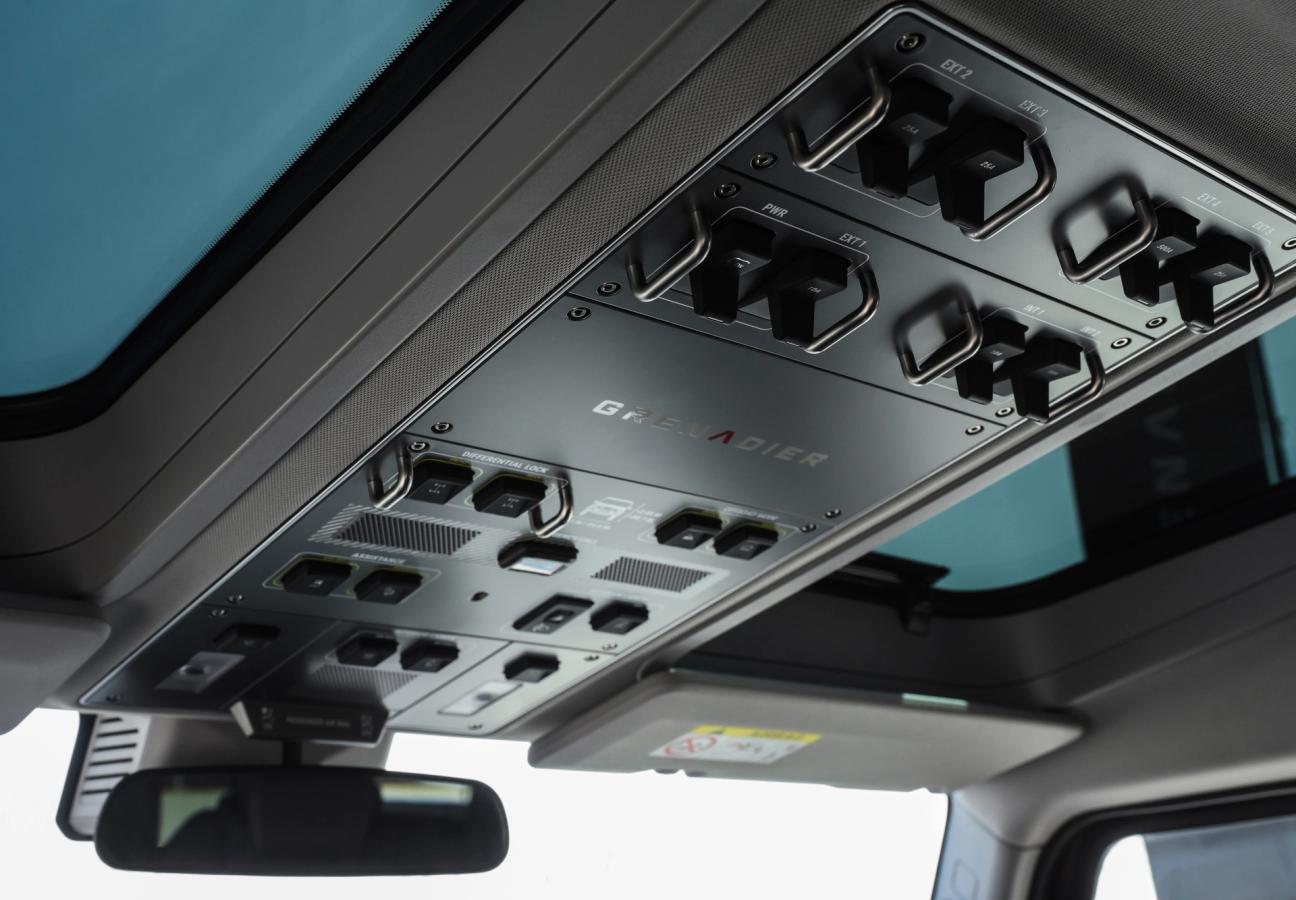
The Grenadier takes a very different approach. You sit high with a commanding view of the road ahead. The controls are satisfyingly mechanical, almost fighter jet like. You feel every movement of the car beneath you. It asks something of the driver and rewards you for paying attention.
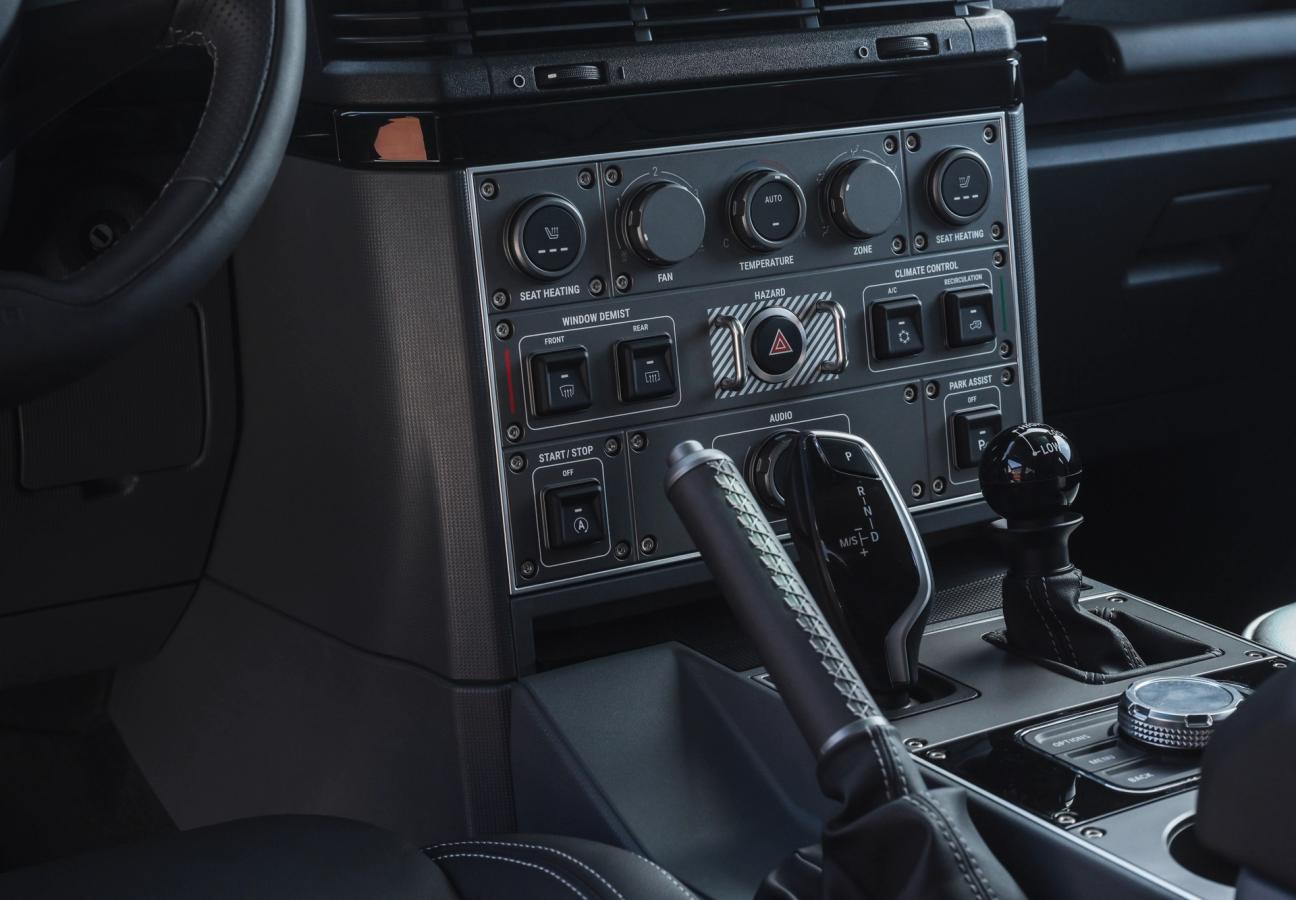
Jeremy Clarkson captured this surprisingly well after driving the Grenadier's sibling, the Quartermaster. "You need to put in a shift," he wrote, before concluding that "after a while you'll begin to rather enjoy it. It was like going back to the olden days." Reading those words after my week in Switzerland, I couldn't help but agree. The Grenadier reminds you that driving can still be an activity, not merely a mode of transport. Above all else, it's fun.
And perhaps that's what Sir Jim Ratcliffe deserves the most credit for. At a time when so much of the automotive industry seems intent on making every SUV feel broadly the same, Ineos has had the courage to build something with genuine personality. That alone is an extraordinary brave achievement.
Launching an entirely new automotive manufacturer in today's market is no small feat. The barriers to entry are immense, regulations continue to tighten and the established manufacturers have decades of experience behind them. Yet somehow Ineos has built a vehicle that doesn't feel like an imitation of anything else. It has conviction.
Standing beside the Grenadier against the backdrop of the Swiss Alps, it struck me that we may well look back on these first-generation Station Wagons in much the same way we now look at the earliest Land Rover Defenders. Not because they're perfect, but because they stand for something.
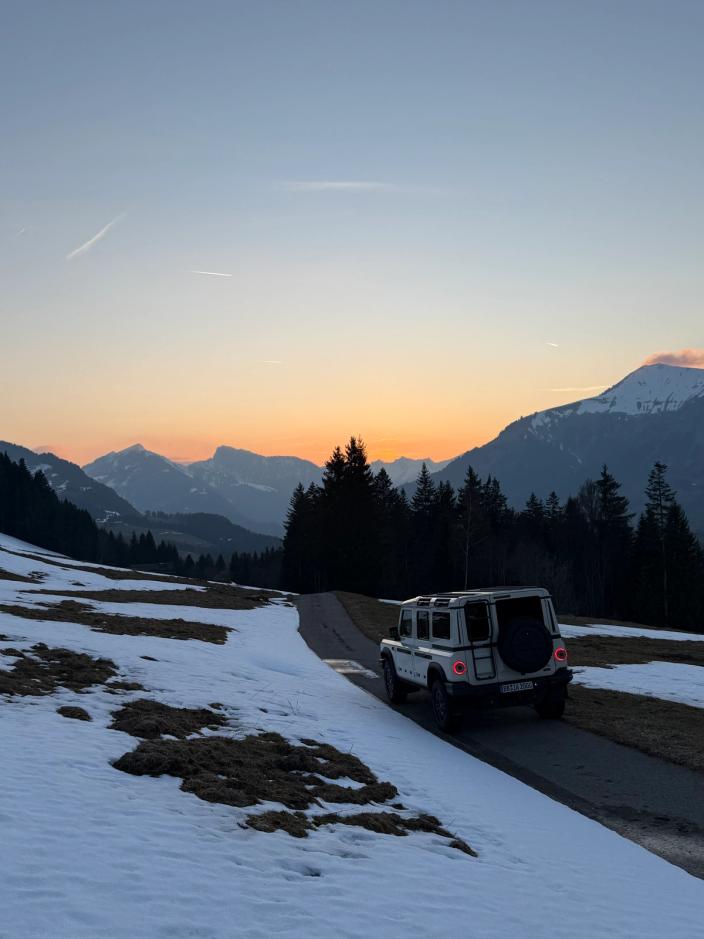
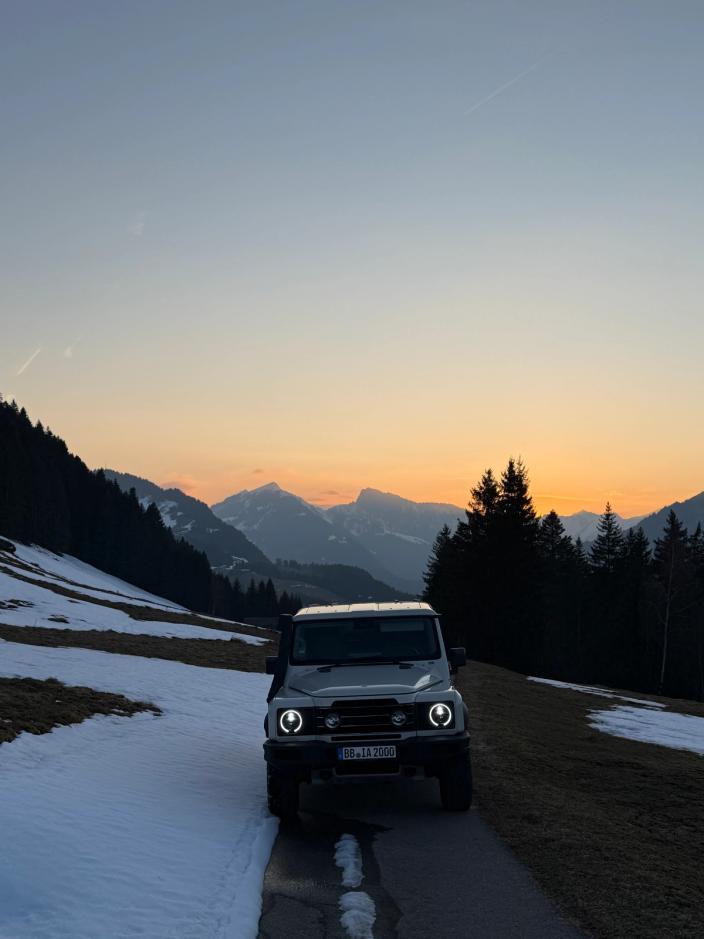
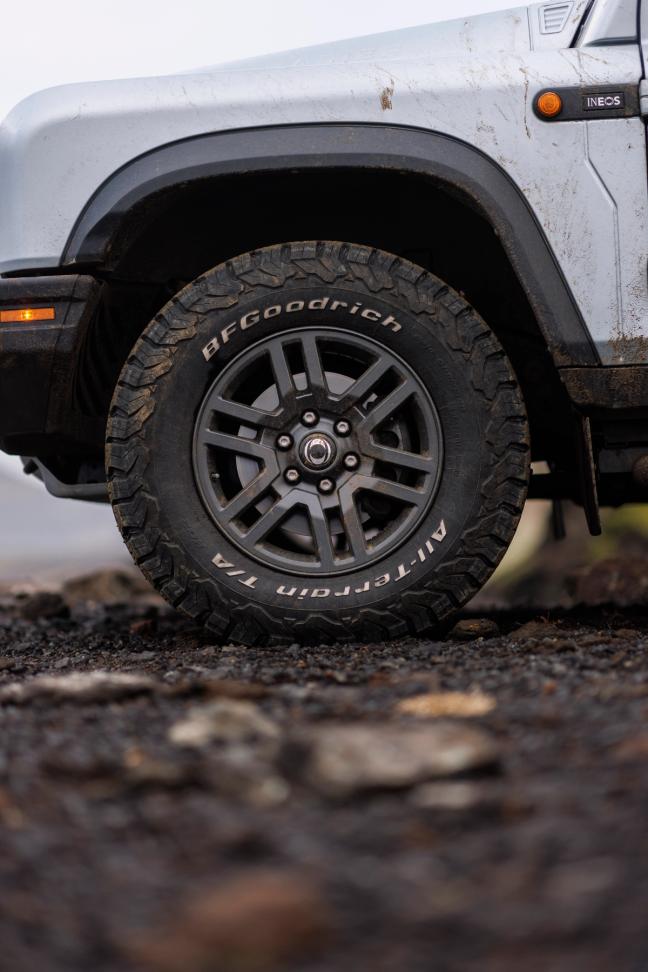
The design is refreshingly free of fashionable gimmicks that will inevitably date. The engineering feels honest, robust and built with longevity in mind. It isn't trying to reinvent the wheel; it's trying to build something that will still be earning its keep in twenty or thirty years’ time and I suspect it will.
The Grenadier won't be for everyone. It never claimed to be.
If your life revolves around squeezing through London's narrow streets or spending hours in stop-start traffic, there are probably better options. But if you live in the countryside, the Highlands or the Alps, or simply long for a car that reminds you why you fell in love with driving in the first place, then the Grenadier deserves your attention.
After my time with the Grenadier in Switzerland, I realised something rather unexpected. I hadn't simply discovered a new car I admired. I'd discovered a car that made me smile every single time I climbed behind the wheel. And these days, that's becoming an increasingly rare thing.