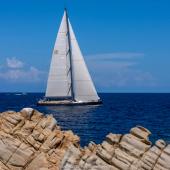
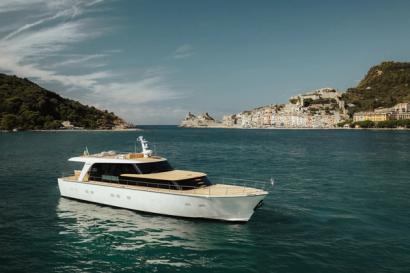
Six decades under sail: Celebrating 60 years of Nautor Swan
From a small Finnish shipyard to some of the most desirable sailing yachts ever built, Nautor Swan has spent 60 years proving that performance and elegance need never be mutually exclusive.
- Words by: Harry Jarman
I was fortunate enough to grow up sailing. And, as anyone who spends enough time around boats will know, you gradually begin to understand the names that matter. You learn the different yards, the designers, the great racing boats and, eventually, what separates a good yacht from a truly exceptional one. There was always one name that reigned supreme in my eyes: Swan.
Why? Gianguido Girotti, CEO of Nautor Swan, perhaps puts it best: “Swan is the yacht every sailor dreams of owning because it delivers tangible achievements: winning round-the-world races, enabling owners to sail anywhere or compete at the highest level, always without compromising on elegance or performance.”
That combination has always been at the heart of Swan. These are yachts built to be sailed, and sailed properly, but they are also extraordinarily beautiful objects. There is an understated quality to a Swan that has always appealed to me. They don't need to shout about what they are; among sailors, the name does quite enough.
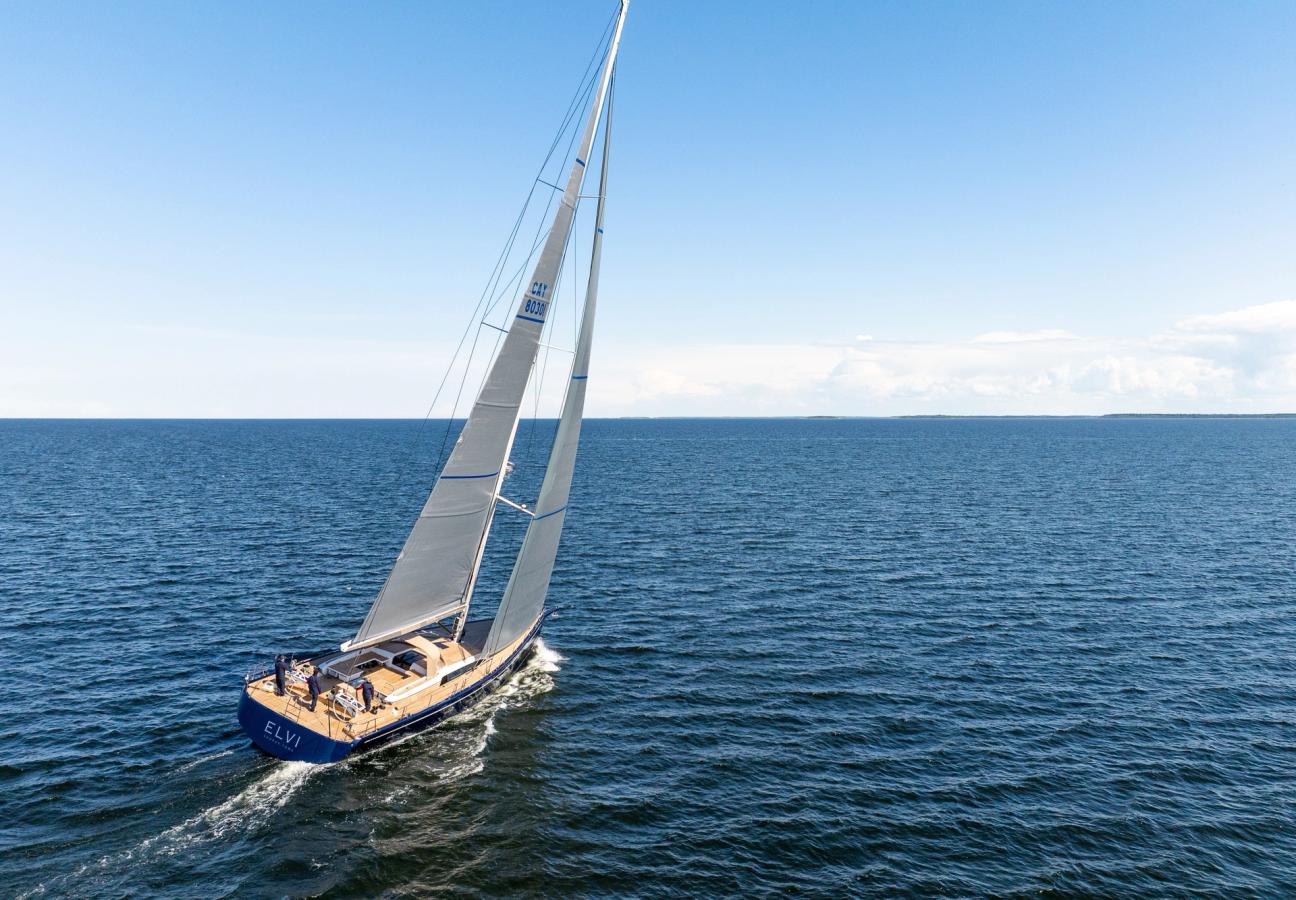
Swan 80
This year, Nautor Swan celebrates its 60th anniversary, an extraordinary achievement in any industry, but particularly in yacht building – a business that has experienced more than its fair share of headwinds. And yet, somehow, Swan today feels every bit as aspirational as it did when I first learnt of the name as a teenager.
The story begins in 1966 in Pietarsaari, on Finland's west coast, where Pekka Koskenkylä founded Nautor with a wonderfully simple ambition: to build the best sailing yacht in the world. The first result was the Swan 36. Designed by legendary New York naval architects Sparkman & Stephens, it established a formula Swan has been refining ever since: a yacht that should be fast and seaworthy enough to race and cross oceans, but none of that should come at the expense of its comfort or elegance.
Success followed quickly. Sparkman & Stephens would design approximately the first 1,000 Swans, but perhaps the most important was the Swan 65. In 1974, Sayula II, owned and skippered by Mexican businessman Ramón Carlín, won the inaugural Whitbread Round the World Race. Swan wasn't simply building beautiful yachts; it was building yachts capable of taking on the world's toughest races, and winning.
After a period working with Ron Holland, another defining relationship began in 1981 with Argentine naval architect Germán Frers. His first yacht for the yard was the Swan 51, and his designs would help establish the modern Swan aesthetic: purposeful, beautifully proportioned and remarkably resistant to passing trends.
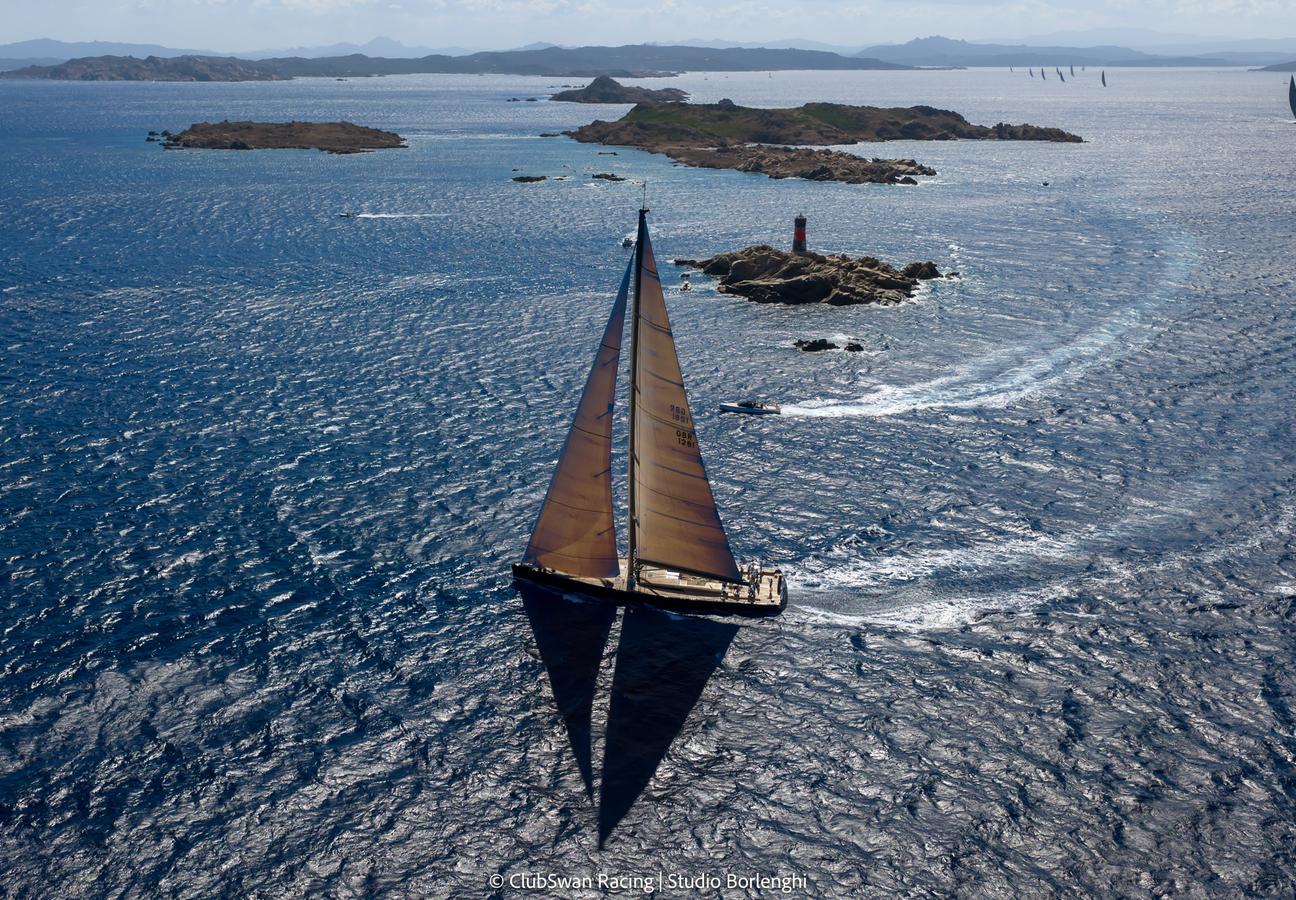
Swan 128
Leonardo Ferragamo became Swan's sole owner in 1998, beginning another important chapter, before the company joined the Sanlorenzo Group in 2024. Through all that change, however, the fundamental proposition has remained remarkably consistent.
The latest Swan 51 demonstrates how the company is beginning to rethink propulsion. Developed with Oceanvolt, its Dual Energy system allows fully electric motoring, hybrid operation and even the regeneration of electricity while sailing. At more than eight knots, the yacht can generate up to 5kw of power. It is clever technology, but importantly, it also doesn't interfere with the reason you bought a Swan in the first place: to sail.
Then there was the new Swan 80, which made its world premiere at that year’s Cannes Yachting Festival. Frers had once again designed the hull, with Lucio Micheletti responsible for the exterior styling and Misa Poggi the interiors. It was joined by the Swan 73 and an entirely new family of bluewater cruising yachts.
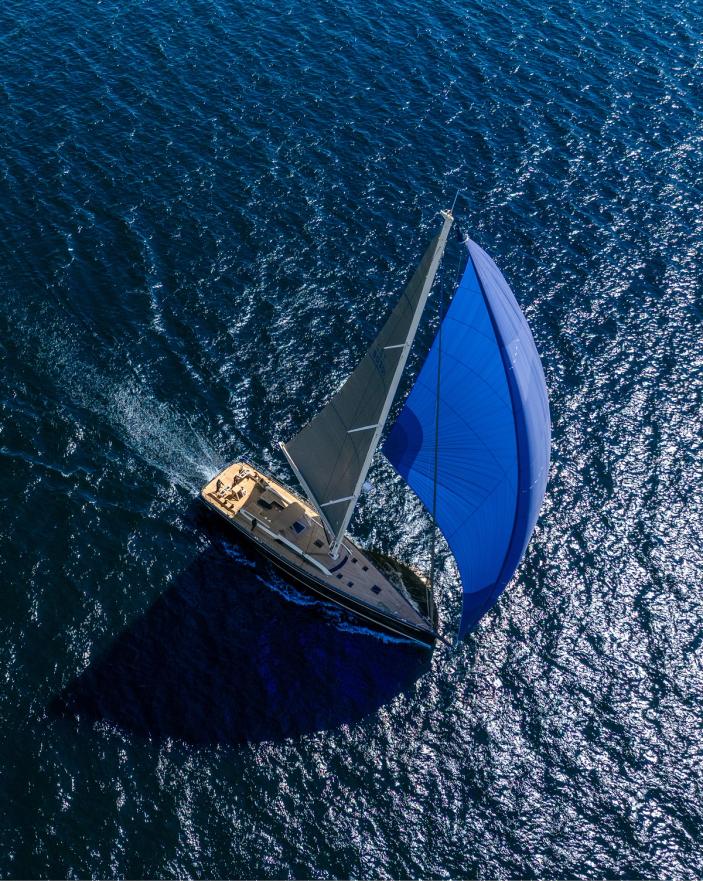
Swan 80
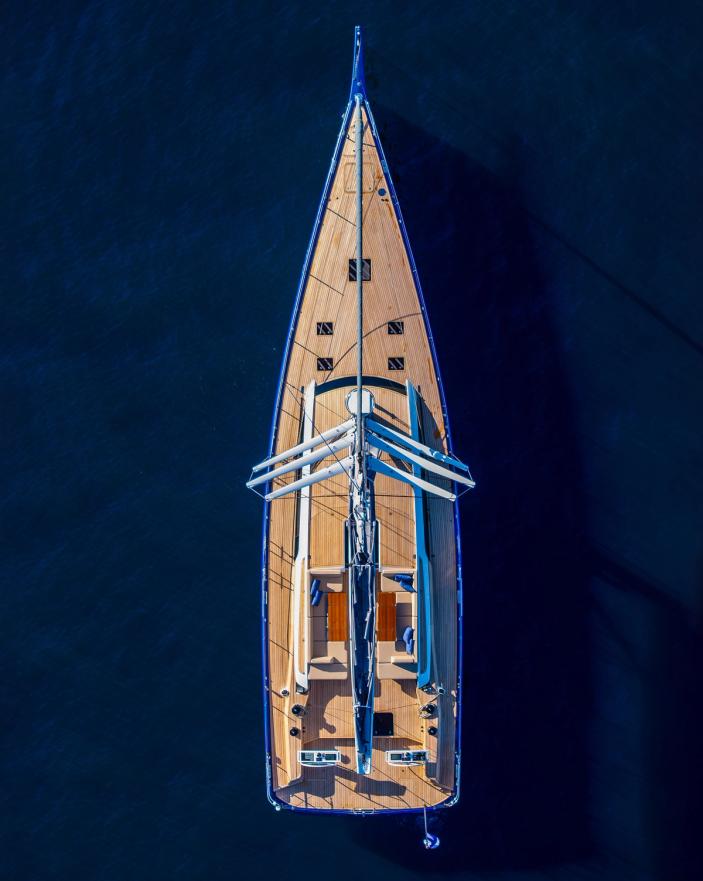
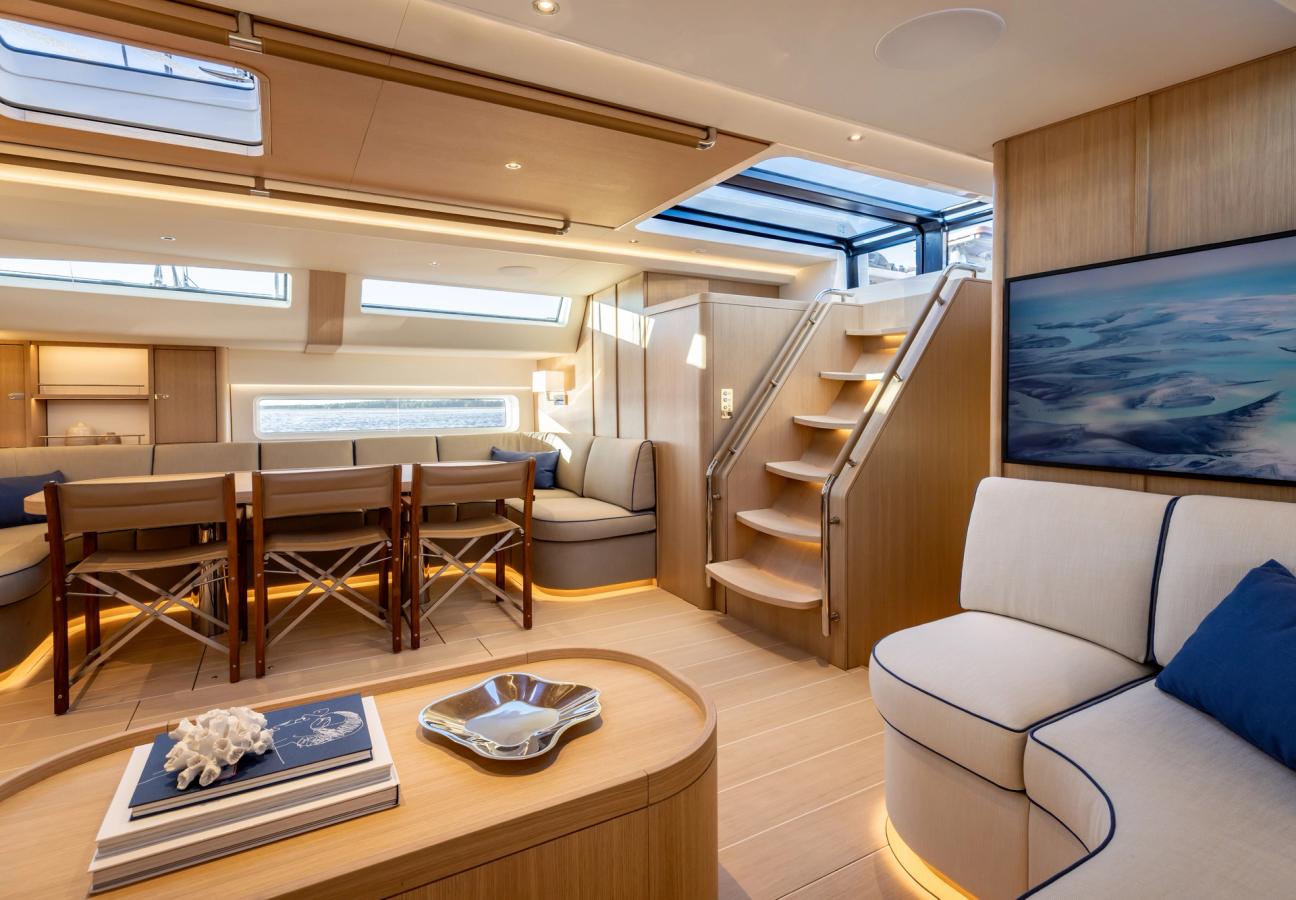
Swan 80 Interior
Perhaps the greatest statement of intent, however, is the Swan Alloy 44. At 44 metres, the aluminium superyacht represents a significant new chapter, designed by Malcolm McKeon with interiors by Studio Liaigre.
The most poignant moment of Swan’s anniversary year came in Porto Cervo. More than 170 yachts gathered for September’s Rolex Swan Cup. Among them were the new Swan 80 and the 128-foot Be Cool. But the guest of honour was rather smaller: Tarantella, the very first Swan ever built, which returned to the water following a complete refit.
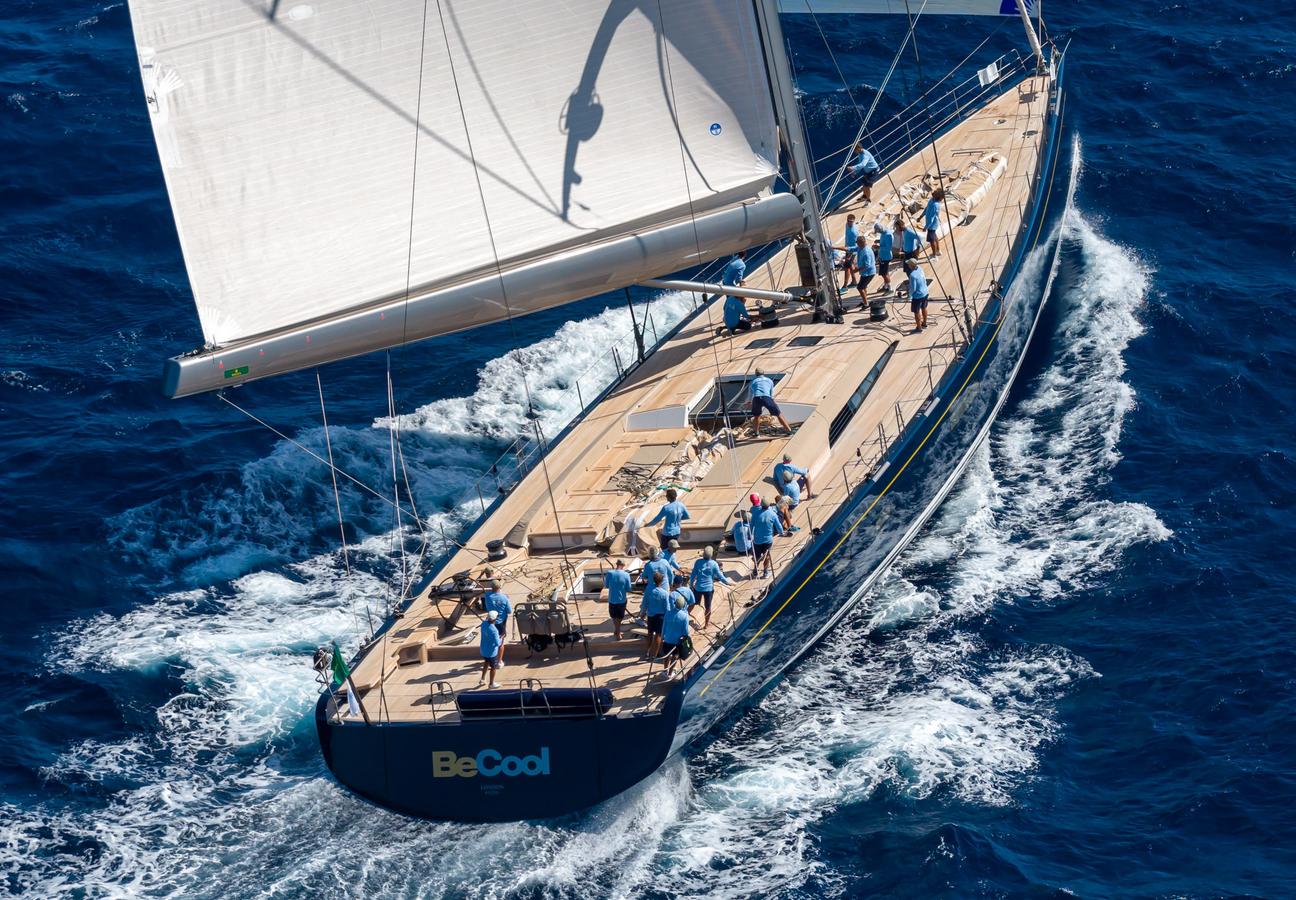
Swan 128
There was something wonderfully poetic about the first Swan sharing the same waters with yachts that represented the company’s future, six decades after she was launched. I was very excited to be there.
These are yachts for people who genuinely love sailing. They are fast without being extreme, luxurious without being ostentatious and beautifully designed without appearing to try too hard. There is a quiet confidence to them, an understanding that those who know, know.
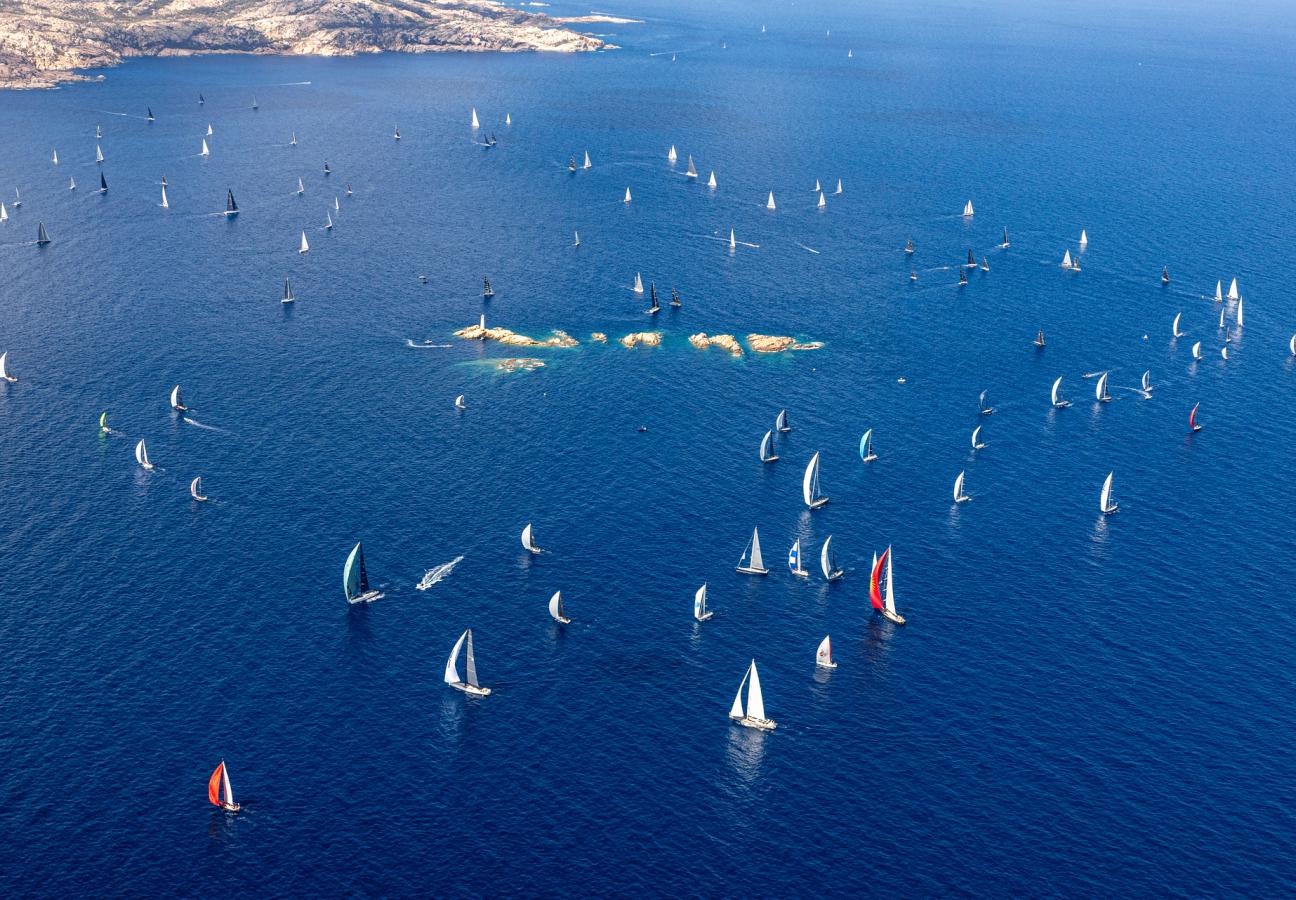
Rolex Swan Cup
For me, that makes a Swan the gentleman's yacht in the truest sense: elegant, capable, understated and built with purpose. The sort of yacht you'd be just as proud to sail across an ocean as you would be to arrive aboard in Porto Cervo.
I dreamt of owning one as a teenager. Sixty years after the first Swan took to the water, I am unfortunately still dreaming.