The long, lofty history of the top hat
Elegant, eccentric and endlessly mythologised, here's how the top hat went from aristocratic necessity to ceremonial rarity…
- Words by: Jonathan Wells
The top hat’s history, fittingly, is flush with tall tales. Was it perhaps invented by London haberdasher John Hetherington, who, in 1797, allegedly sparked a riot when he strode through the capital wearing a hat so tall and lustrous that women swooned, children screamed and passers-by suffered broken limbs? Probably not.
Or does the story begin a year earlier, when French satirist Carle Vernet painted Un Incroyable — depicting a dandy sporting something strikingly similar? That seems pretty unlikely, too. Of course, there’s always the chimneystack theory: that the hat’s rigidly upright shape was inspired by the many stovepipes that rose from London's rooftops.
They’re all charming explanations: compelling, colourful and entirely befitting a piece of headwear that would come to tower over the 19th century — and beyond. The trouble is that none of them can be proved. But that leaves us with a rather pleasing possibility: that the truth might just top them all. Here’s what we do know…
In the late 18th century, the top hat begins to take shape
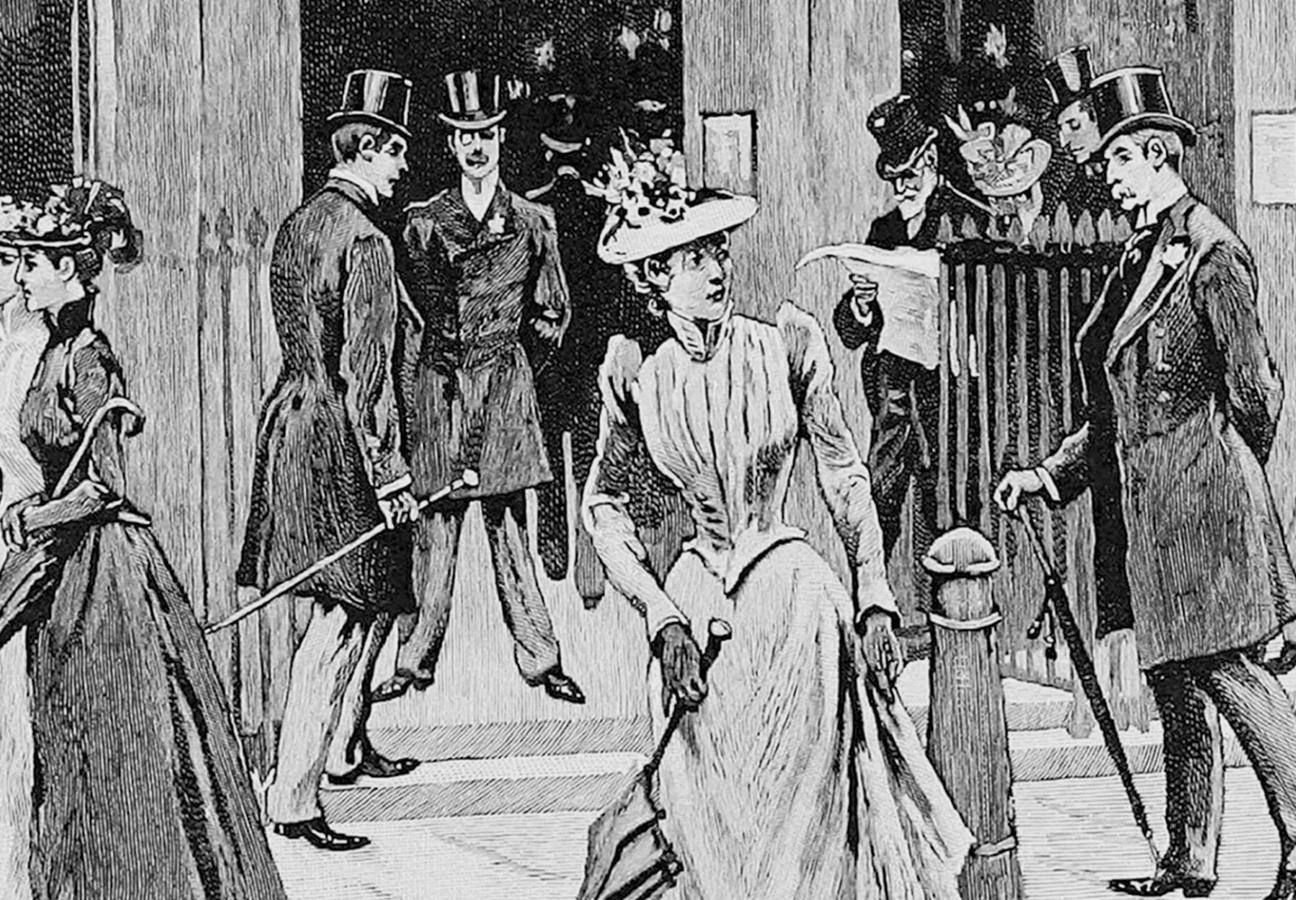
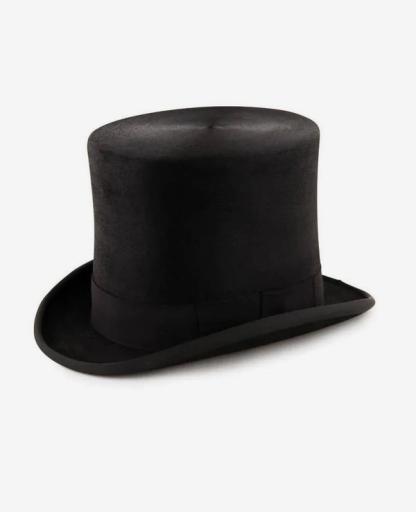
The earliest clear record of what we’d today call a silk top hat arrived in 1793, when a Middlesex hatter called George Dunnage unveiled a new kind of headwear. But it wasn’t called a top hat — not yet. Instead, the trade’s preferred term was the rather less glamorous ‘imitation of beaver’ — a straight acknowledgement of the round-crowned, felted beaver-fur hats it had been designed to replace.
Dunnage, whose family links to the ribbon trade gave him access to silk, worked with Thomas Larkin at Dunnage & Larkin, and created his early versions using silk shag. Few recognised the hat’s significance early on, yet the essential ingredients were already in place: silk instead of fur, a tall crown, and a sharper, more shapely profile.
Of course, the top hat had not yet been given the name by which history would remember it (at one point, ‘high hat’ was also in the mix), but by the closing years of the 18th century, its unmistakable silhouette was starting to become more and more prevalent.
In the 19th century, top hats become for the many, not the few
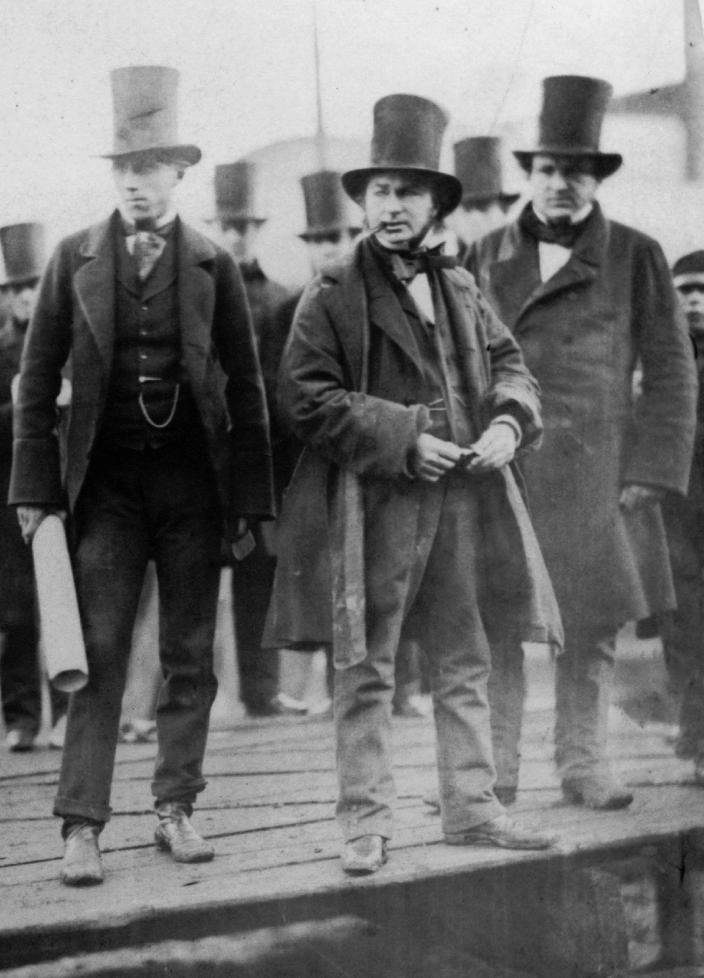
Isambard Kingdom Brunel (centre)
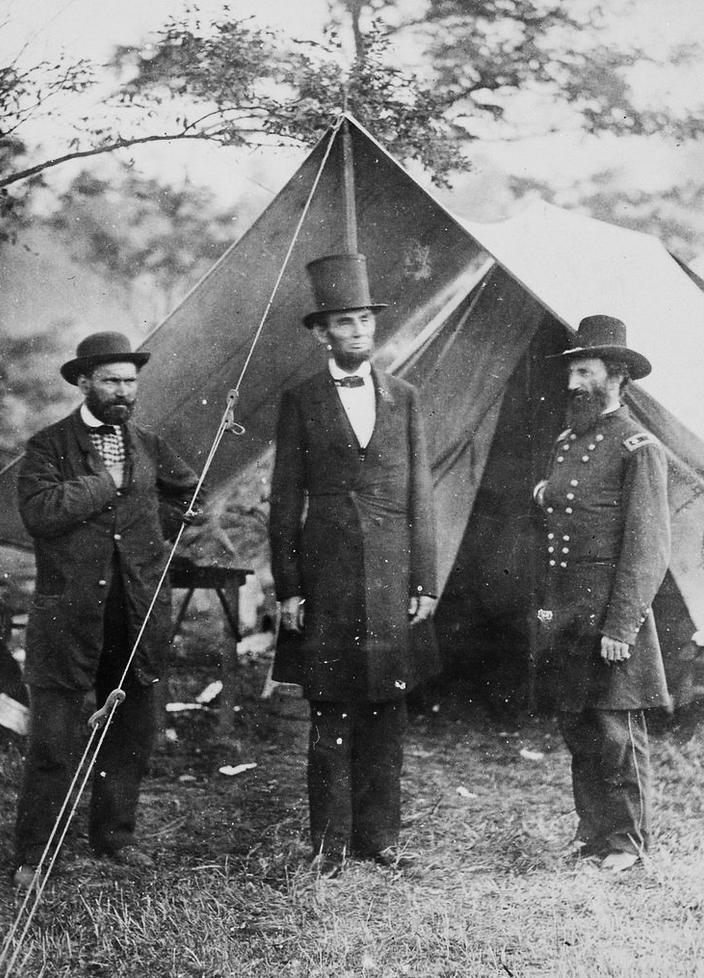
Abraham Lincoln
By the 1820s, the design had started to push itself to extremes. Taller, more rigid versions earned the nickname “stovepipe hats”, and what had once been an aristocratic staple began to widen its reach.
By the mid-19th century, increasingly industrialised hat-making in Britain meant silk top hats could be produced at scale, moving into middle-class wardrobes — and ever closer to ubiquity. As Ian Harding, ceremonial and military headwear manager at Herbert Johnson, notes, “historically, top hats evolved considerably throughout the nineteenth century,” with earlier examples varying in height and shape.
Around the same time, the hat began to take on a clearer symbolism. Isambard Kingdom Brunel was rarely photographed without one in front of his many impressive feats of engineering, while Abraham Lincoln’s tall black silk hat in the 1860s cemented its status as an accessory of authority — a hat that signalled the wearer’s seriousness before even a word was uttered.
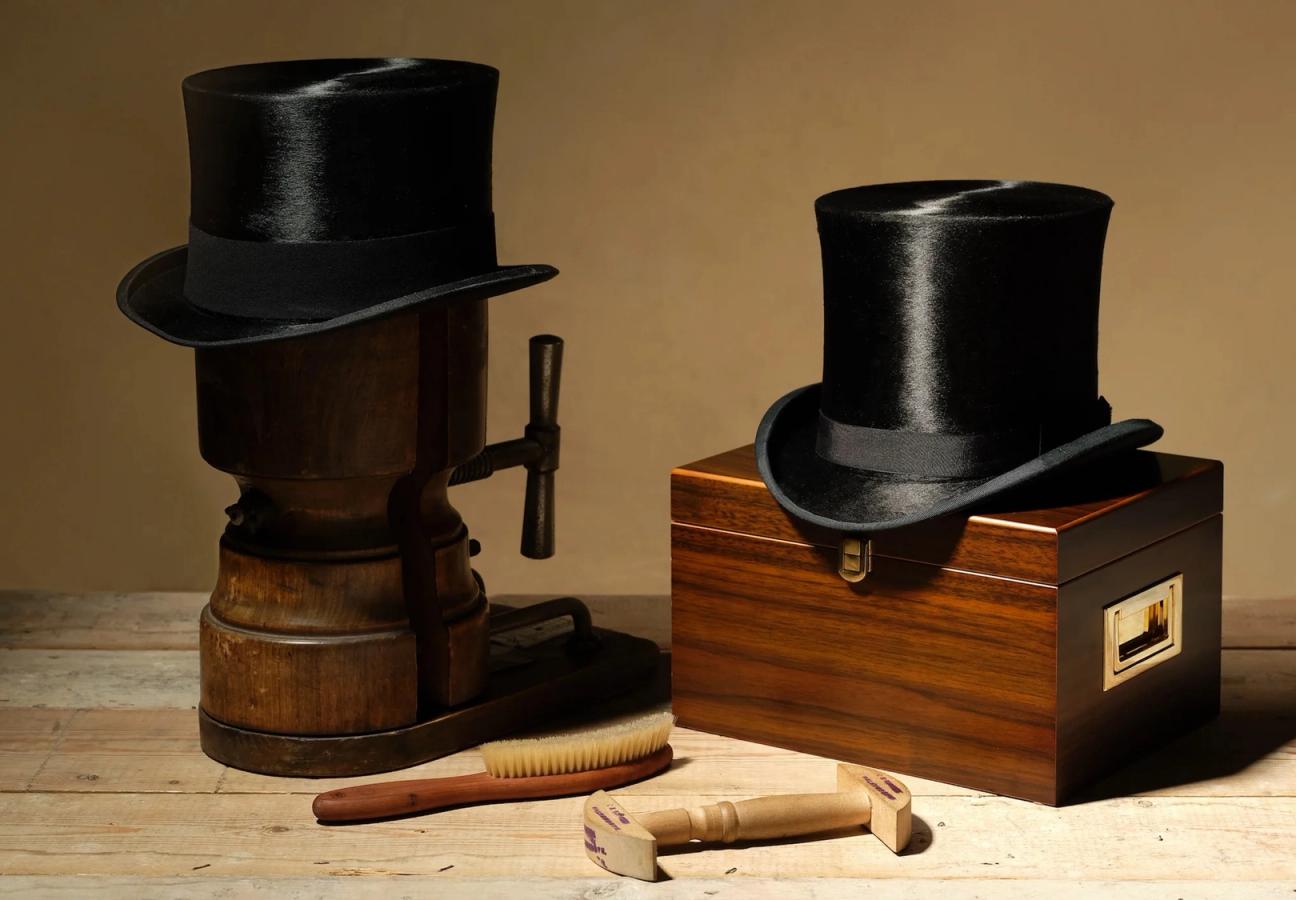
The trade itself even began to command a certain mythology. “The Prince of Wales was once riding in the park when a gust of wind blew his top hat from his head, damaging it as it fell,” says Harding. “The young Herbert Johnson happened to be nearby, retrieved the hat and offered to repair it. The work was completed to such a high standard that the Prince was greatly impressed. The story goes that the Prince subsequently encouraged Herbert Johnson to establish his own business on New Bond Street in 1889.”
Beyond fashion, the top hat becomes theatre
Once the top hat had climbed into cultural prominence, it also picked up a second life — as a prop for invention. In political cartoons and popular imagination alike, it became a convenient piece of architecture for concealment: a place for politicians to stash secret papers, for gamblers to hide cards, or a place from which magicians might pluck an unwitting rabbit.
“Top hats evolved considerably throughout the nineteenth century…”
By the end of the 19th century, it was no longer just a hat, but also a stage device — refined further by collapsible designs such as the Gibus, or opera hat, which could be flattened and sprung open at will.
As the century turns, the top hat takes a step back
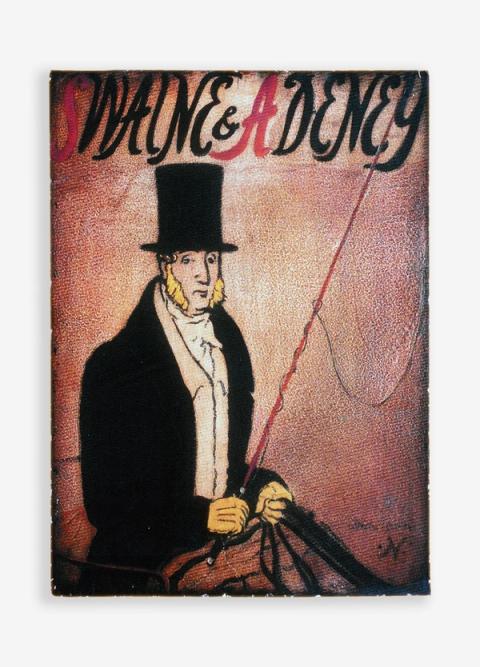
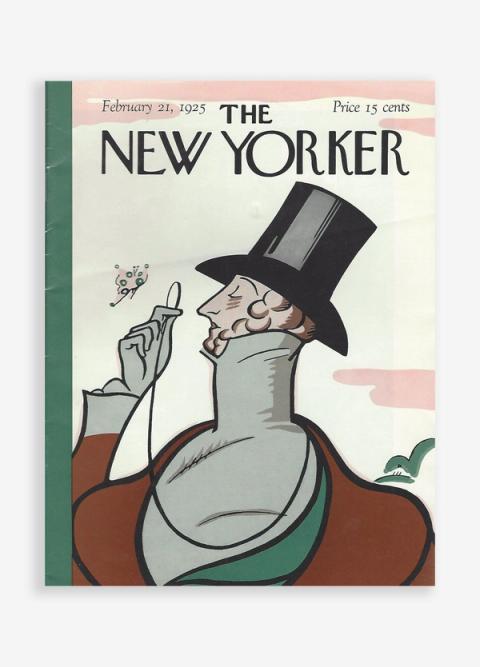
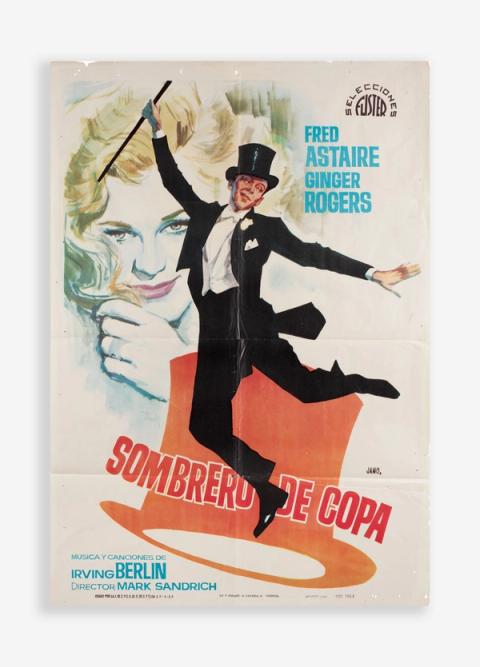
By the 1890s, the top hat had started to disappear from everyday life in Britain and Europe, gradually displaced by the bowler hat — a more practical companion to the modern city. By the early 20th century, it had become reserved for formal occasions: weddings, funerals, and the last vestiges of public pomp and ceremony.
In popular culture it endured — on stage, in early cinema, even on the cover of the first issue of The New Yorker — but increasingly as a symbol rather than an everyday item. As formal hat-wearing has declined over the course of the past century, many historic makers have disappeared with it. Ian Harding of Swaine London — the modern custodian of Herbert Johnson — notes that while the design has remained largely unchanged, the real work has been preservation.
“While the fundamental design of the top hat has remained remarkably consistent, we believe our greatest contribution has been preserving the craft itself,” he says. “Throughout the twentieth century, formal hat-wearing declined significantly and many historic hat makers disappeared. We continued producing traditional top hats, ensuring that the specialist skills, techniques and standards associated with British hat-making were passed down and maintained.”
Where the top hat belongs today
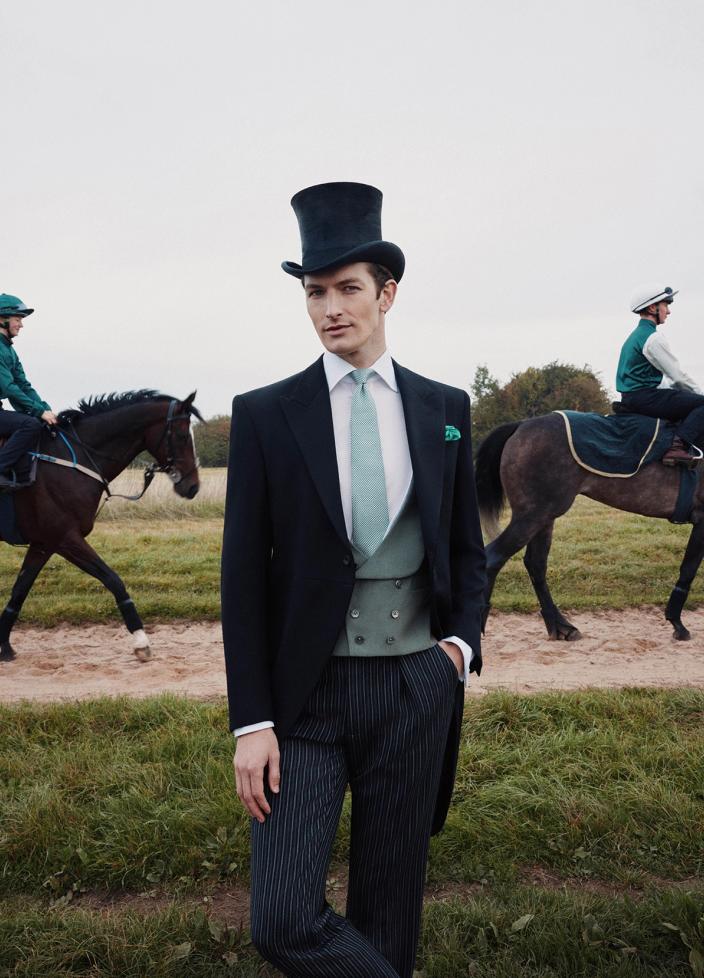
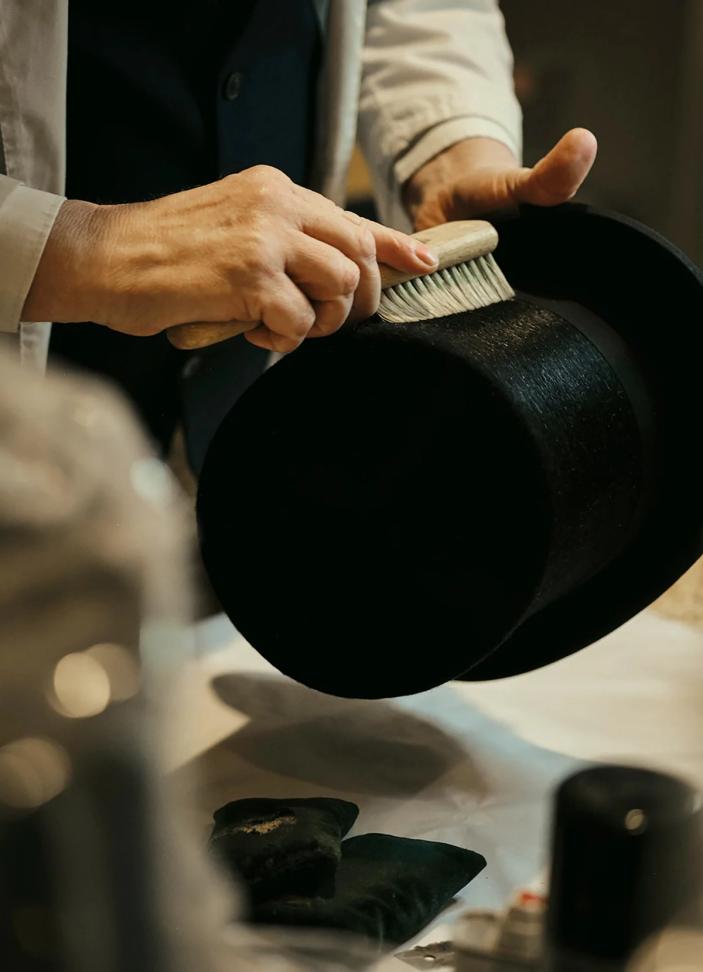
Even though the top hat has largely stepped out of everyday life, it hasn’t disappeared entirely. Instead, it has found a narrower, more niche home: the most elegant of events.
And chief among these occasions? Royal Ascot. Alongside high-society weddings and ceremonial gatherings, the top hat survives at the races, less as fashion than as expectation: a piece of dress that signals the occasion before the race has even begun. At the Berkshire racecourse, its height no longer feels excessive — so much as entirely, exquisitely appropriate.
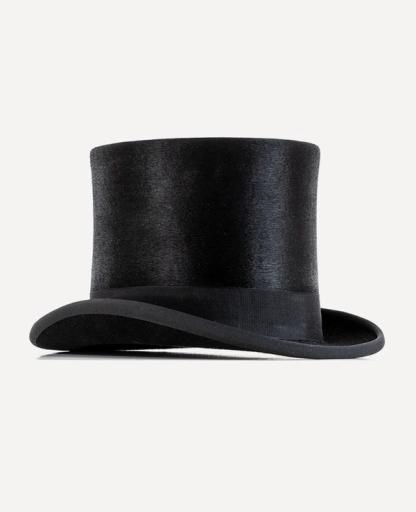
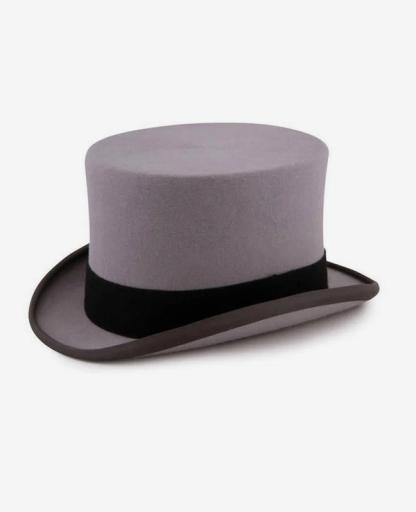
As Ian Harding of Swaine London notes, even the materials have shifted with time. “While the finest nineteenth-century dress hats were often made from silk plush, that material is no longer manufactured on a commercial scale. Today, high-quality fur felt is considered the accepted standard for premium top hats due to its durability, shape retention and refined finish.”
In that sense, the design has not so much disappeared from our wardrobes as it has been kept in reserve — brought out only when ceremony demands it, whether that be Royal Ascot or a particularly proper wedding. And so the top hat’s tales continue, just as they always have — slightly improbable, slightly elevated, but always tall.
Want more Royal Ascot? Here’s Gentleman’s Journal betting guide to the iconic race…
Become a Gentleman’s Journal member. Learn more here.