100 Best Side Hustles To Do In 2026
The best side hustles are born from taste, not urgency. They turn private interests into polished enterprises, proving that refinement and revenue can share a handshake.
- Words by: Rupert Taylor
There comes a moment in every professional's life when one realises the monthly budget resembles a ministerial inquiry; full of promises, short on actual results. The bills rise, the salary plateaus, and your accountant begins using the word liquidity with a facial expression usually reserved for bereavement. It is at this point that the modern worker, pragmatic yet mildly desperate, begins to research for the best side hustles of 2026.
Once upon a time, a "side hustle" meant selling old books on eBay or convincing friends to join your ethically ambiguous wellness scheme. Now it's a badge of middle class survival, the modern equivalent of planting vegetables during wartime. Only this time, the harvest is digital, the soil is LinkedIn, and the trench coat costs a small fortune; times have changed.
Today's side hustler is not hustling out of passion but pragmatism; an elegant, latte fueled defiance against the economy. The good news? The tools have never been sharper, the markets broader, or the excuses more socially acceptable.
1. Freelance Writing and Copywriting

If you can string a sentence together without resorting to emojis, congratulations. You have a marketable skill. Freelance writing remains one of the most versatile and profitable side hustles in 2026. From ghostwriting think pieces for CEOs who have never had a thought of their own, to crafting engaging blog posts that quietly sell insurance, words still pay.
The trick is finding your niche. Some writers make a killing writing product descriptions for luxury candles. Others review gadgets they do not own with the authority of an engineer. The work can be noble, ridiculous, or both, depending on your caffeine levels.
The platforms have changed. Substack newsletters, agency work, and AI assisted drafting. But the principle remains the same: clients always need clever humans to make them sound cleverer. And if you can write like you speak at a dinner party (with fewer interruptions), you might just earn more in a weekend than your boss does pretending to understand spreadsheets.
2. Online Tutoring

Education is recession proof and oddly comforting. Parents everywhere will continue to outsource guilt to tutors, paying handsomely to ensure little Oliver understands algebra before he forgets his own password. Whether you are teaching English to students in Seoul or prepping American teens for the SAT, there is a thriving audience desperate for help.
Online tutoring platforms like Wyzant and Preply make setup easy. All you need is patience, a decent microphone, and the ability to feign enthusiasm about quadratic equations. For specialised subjects like coding, finance, or languages, the rates get surprisingly good, and unlike teaching in person, you can wear slippers while earning.
The real power move? Building your own small brand. Record sample lessons, post tips on TikTok, and let your personality do the marketing. A calm, confident voice teaching calculus has oddly viral potential. Who knew trigonometry could trend?

Graphic design sits at that sweet intersection between art and problem solving. Creative, satisfying, and far more lucrative than your art teacher ever implied. If you can wield Canva, Figma, or Adobe Illustrator without crying, there is work for you.
Businesses, influencers, and small brands are always hunting for someone who can make them look expensive for less. A sharp logo, a clean Instagram layout, or packaging that whispers "minimal but meaningful" can transform their fortunes and yours.
Start on Fiverr or Upwork to build a portfolio, then move to direct clients once you realise the platforms take half your soul in fees. Designers who master AI tools like Midjourney or DALL·E to speed up concept work are cleaning up right now. If you can combine human taste with machine efficiency, you are the 2026 equivalent of a gold miner with Wi-Fi.
4. Content Creation and UGC

Influencing is dead. Long live content creation. The money no longer lives in being famous but in helping brands appear authentic without actually being so. User generated content (UGC) is the buzzword of the year, and it simply means making ads that look like you made them because you love the product. When, in fact, you love the invoice.
TikTok, YouTube Shorts, and Instagram Reels are the main stage. Brands pay freelancers to create videos using their products, and the best creators can earn thousands per month without ever showing their faces. It is marketing's ultimate paradox: you are simultaneously invisible and indispensable.
Anyone can start with a camera phone and decent lighting. Review a gadget, demonstrate a recipe, tell a story about a disastrous first date that happens to feature a coffee brand. Authenticity sells better than perfection, which means the less effort you appear to make, the more professional you look.
5. Reselling Vintage and Streetwear
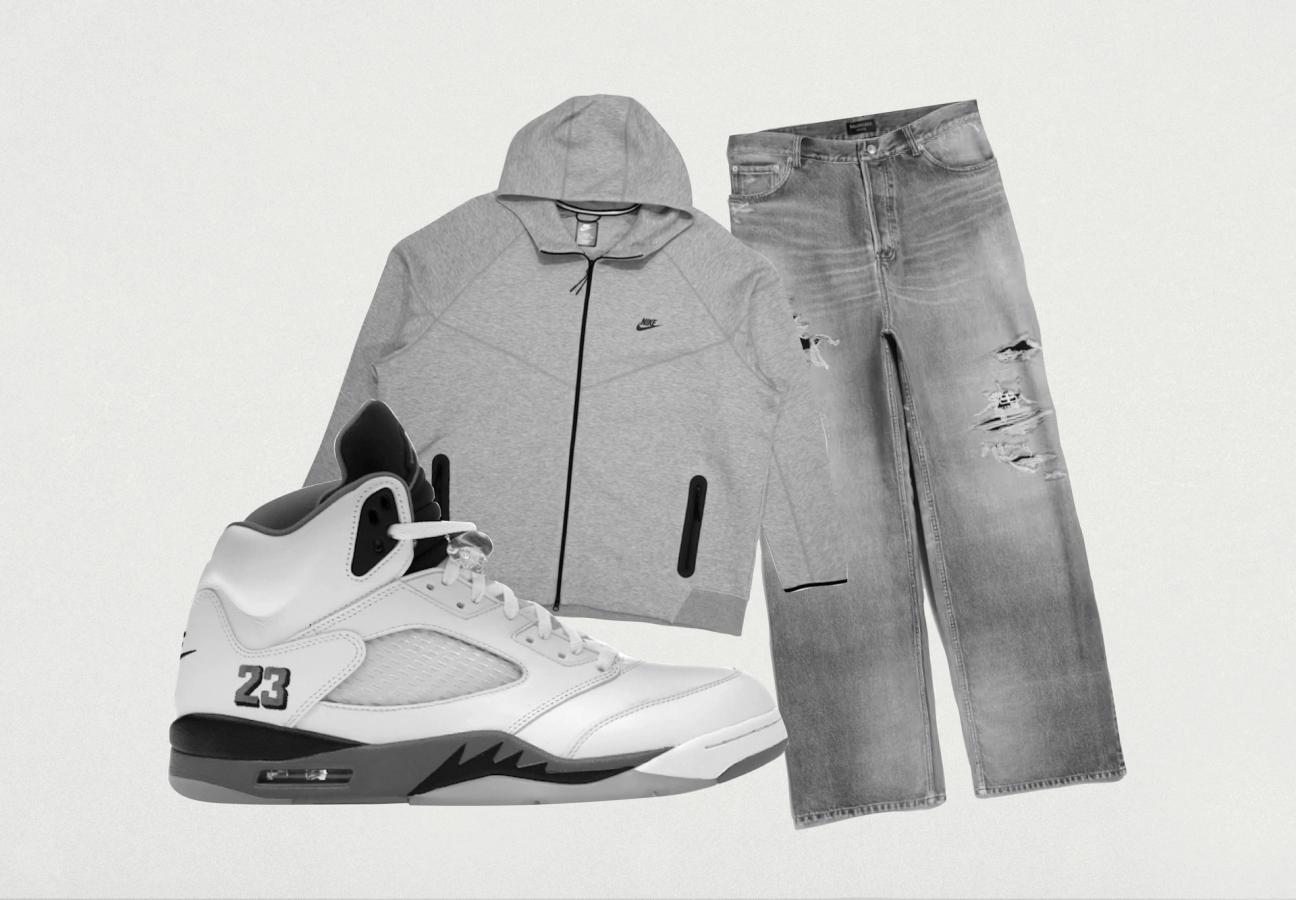
If you have ever bought trainers purely because they "might be worth something one day," you are already halfway to running a reselling business. Sites like StockX, eBay, and Grailed have turned fashion flipping into a full-blown economy. In 2026, nostalgia is currency, and the right retro hoodie can pay your rent.
The secret is discipline. Learn which brands and releases appreciate over time. Some people focus on sneakers, others on band T shirts or vintage watches. A rare 1990s Supreme piece could fund your next holiday, while a thrifted Burberry trench might cover the flight home.
Start small: visit local charity shops or estate sales, follow sneaker drop calendars, and keep an eye on resale trends. Americans scour Goodwills. Brits comb through Oxfam racks. The art is not just spotting value but knowing when to let go. In this trade, timing is the difference between profit and your wardrobe slowly turning into a museum.
6. Social Media Management

Every business wants a presence online but very few understand what that actually means. Enter the social media manager, equal parts strategist, therapist, and emoji linguist. The role involves crafting posts, tracking engagement, and explaining to a CEO why posting a picture of his lunch does not count as "brand storytelling."
It can be glamorous or gloriously dull depending on the client. One week you are running campaigns for a trendy gin distillery, the next you are explaining hashtags to an accountancy firm. Either way, it pays. Freelancers can manage multiple clients at once, charging retainers that quickly add up.
The best part? You can do it from anywhere. A café in Brooklyn, a train in Kent, or your sofa during reruns of The Office. Learn analytics, keep up with algorithm changes, and always have an opinion about why engagement dropped last Thursday. The modern manager is equal parts marketer and magician.
7. E-commerce
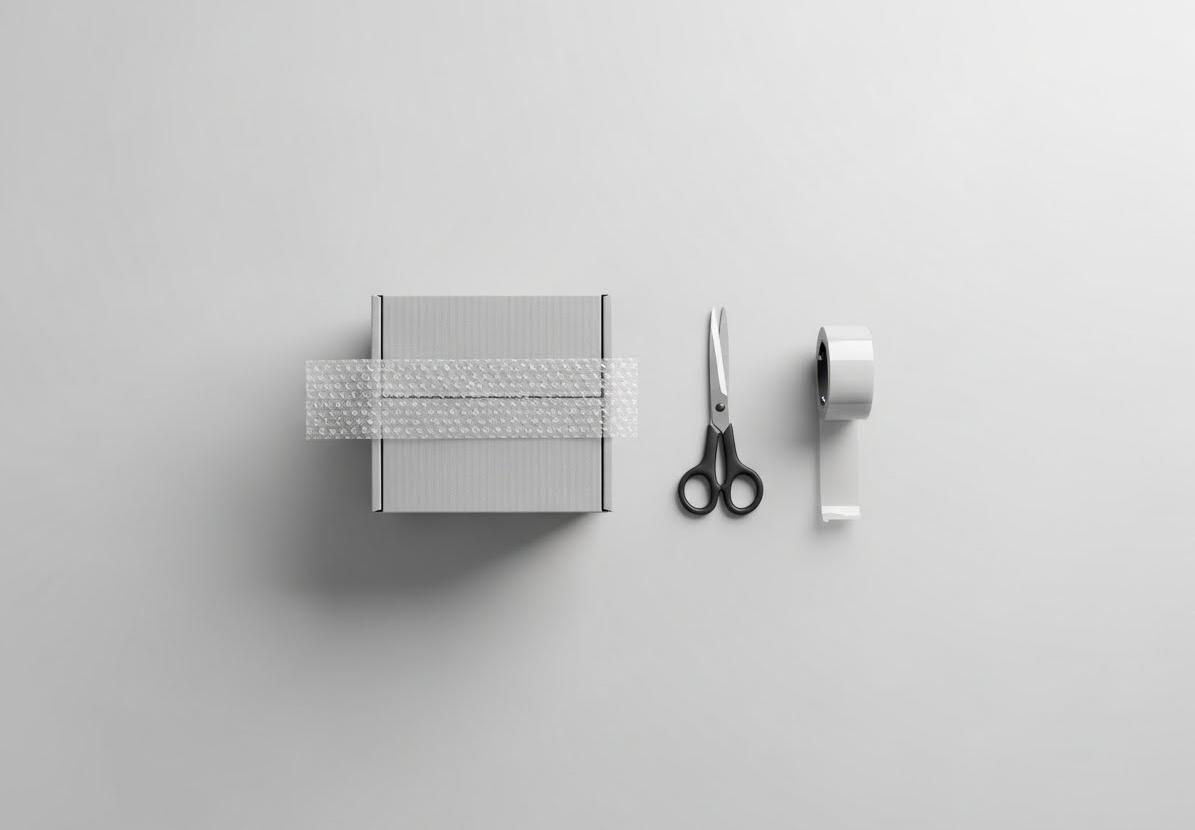
E-commerce has evolved from a digital gold rush into a craft. It still works, but now it demands taste rather than luck. The concept remains simple: sell products online and build a brand people actually care about. The execution, however, separates hustlers from entrepreneurs.
Find a niche that feels specific but scalable, like eco friendly dog accessories or coffee gadgets for minimalists. Build a Shopify store, source quality suppliers, and focus all your energy on marketing. Paid ads on Meta or TikTok remain powerful, but the new game is organic storytelling.
The winners in 2026 are those who build communities, not just checkout carts. Offer tutorials, lifestyle content, or humour that makes people forget they are being sold to. Even if it all goes wrong, you will still have learned more about branding, logistics, and customer psychology than most MBA programs teach.
8. Podcasting

The modern media empire begins in a spare room. YouTube is no longer just a hobby but a sustainable, sometimes spectacularly profitable career. All you need is an idea, consistency, and an alarming tolerance for hearing your own voice.
Niche content wins. From "golf course reviews for introverts" to "finance advice from someone who still pays for Spotify," there is an audience for everything. The platform rewards personality and persistence more than perfection.
Monetisation is slow but steady. Ads, brand deals, subscriptions, and merchandise all add up over time. The beauty lies in ownership. A loyal following can outlast trends, and your channel can grow into a business that feels entirely yours. Just remember that the internet never forgets, so edit wisely.
9. Investing and Trading

It sounds glamorous: staring at charts like a financial oracle, sipping espresso, and muttering "buy low, sell high." In reality, most traders spend their first year losing money and their second pretending it was part of the plan. Yet when approached sensibly, investing remains one of the smartest side hustles.
The tools are better than ever. Apps like Coinbase, Trading 212, Robinhood, and eToro allow micro investing with minimal fees. Diversify across stocks, ETFs, and even fractional property shares. The secret is patience, not adrenaline. Treat your investments like a slow cooked meal, not a TikTok trend.
Crypto remains divisive but still lucrative for those who treat it like finance, not faith. And if you truly want to sound impressive at dinner parties, drop phrases like "dollar cost averaging" or "emerging markets." No one will challenge you. They will simply nod and assume you own multiple briefcases.
10. Virtual Assistant Work

Once considered a niche for digital nomads, virtual assistants (VAs) are now indispensable to modern businesses. Companies everywhere are outsourcing admin tasks, scheduling, research, and email management to freelancers who can handle chaos gracefully.
You might be organising travel for a real estate agent in Miami or managing inboxes for a boutique PR firm in Manchester. The appeal is in flexibility and scale. As your client list grows, you can turn solo work into a small agency. The best VAs combine efficiency with diplomacy. You are the gatekeeper who keeps clients from their own worst instincts.
Software tools like Asana, Notion, and Slack make collaboration seamless. The only downside is that some clients assume you are available at all hours. You are not. You simply learn to appear omnipresent. That illusion, it turns out, is the most billable skill of all.
11. Real Estate Photography and Videography

Every home on the market wants to look like the cover of Architectural Digest, and every estate agent wants to charge as if it already does. That's where you come in. With a decent camera, a gimbal, and the ability to say "just one more shot" convincingly, you can turn bricks and mortar into desire.
Drone footage is the new flex. Those sweeping aerial shots of a suburban semi look absurdly cinematic, but sellers adore them. It's real estate porn at its most persuasive. Start by offering affordable packages to agents or Airbnb hosts who want listings that actually look habitable.
The best photographers combine art with strategy. They know which angle hides the neighbour's trampoline, how to time a sunset shot, and when to remove the clutter that screams "student rental." Done well, it's one of the most profitable creative side hustles around. Plus, you get to feel mildly superior while rearranging someone else's cushions.
12. Personal Fitness Coaching (Online or Hybrid)

If you have ever corrected someone's form at the gym without being asked, this may be your calling. Online coaching exploded after the pandemic and has stayed there because it works for both trainers and clients. You can build a following through Instagram, TikTok, or YouTube, offering tips, motivation, and the occasional flex.
Apps like TrueCoach and My PT Hub allow you to manage clients remotely, set programmes, and track progress. Hybrid trainers blend online sessions with occasional in person meetings, offering accountability with a human touch.
The secret to success is branding. You're not just a trainer. You're a lifestyle translator. Maybe you specialise in "desk athletes," helping office workers remember what shoulders are for. Or maybe you help dads reclaim their dignity after discovering their children can outrun them. Package it right, price it confidently, and never post before and after photos that look illegal.
13. Voiceover Work and Audiobook Narration

If you have ever been told you have a "nice voice," congratulations. You have just been offered unpaid advice from someone who does not realise they have suggested a career. In 2026, that voice could pay your bills.
Audiobooks are booming as publishers, indie authors, and platforms like Audible race to turn every written word into spoken storytelling. Getting started is simple: invest in a decent mic, soundproof a quiet corner, and practice pacing, tone, and character consistency. Websites like ACX and Bodalgo connect narrators with paying projects.
The pay varies, but persistence pays. Some narrators build six figure incomes reading thrillers and self help books, while others record bedtime stories that put entire households to sleep, intentionally. Your voice, properly branded, becomes a business. Just remember to warm up, stay hydrated, and never record after tequila.
14. Pet Training and Behavior Coaching
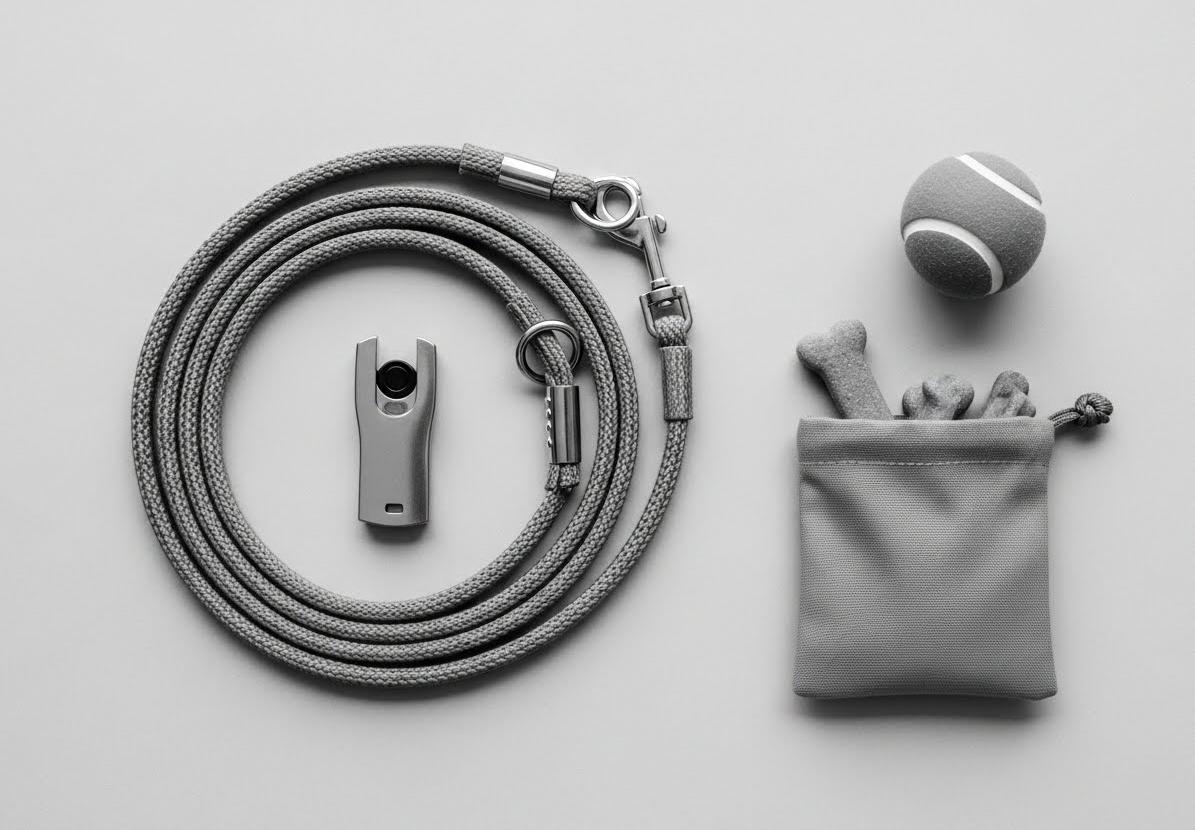
Pets are adorable until they chew your shoes or decide the carpet is a suitable restroom. That is where trainers and behavior coaches come in. As more people treat their pets like family, demand for patient, knowledgeable trainers keeps rising.
You do not need to be a dog whisperer to get started. Begin with basic obedience training, then expand into puppy socialisation, agility, or behavior correction. Many trainers work through referrals, shelters, or platforms that connect pet owners with certified professionals.
The work requires empathy, consistency, and a calm tone even when covered in paw prints. Success comes from helping owners understand that training is often about them, not just their pets. It is rewarding, messy, and surprisingly lucrative for those who truly love animals and human patience tests in equal measure.
15. Trading Collectibles and Memorabilia
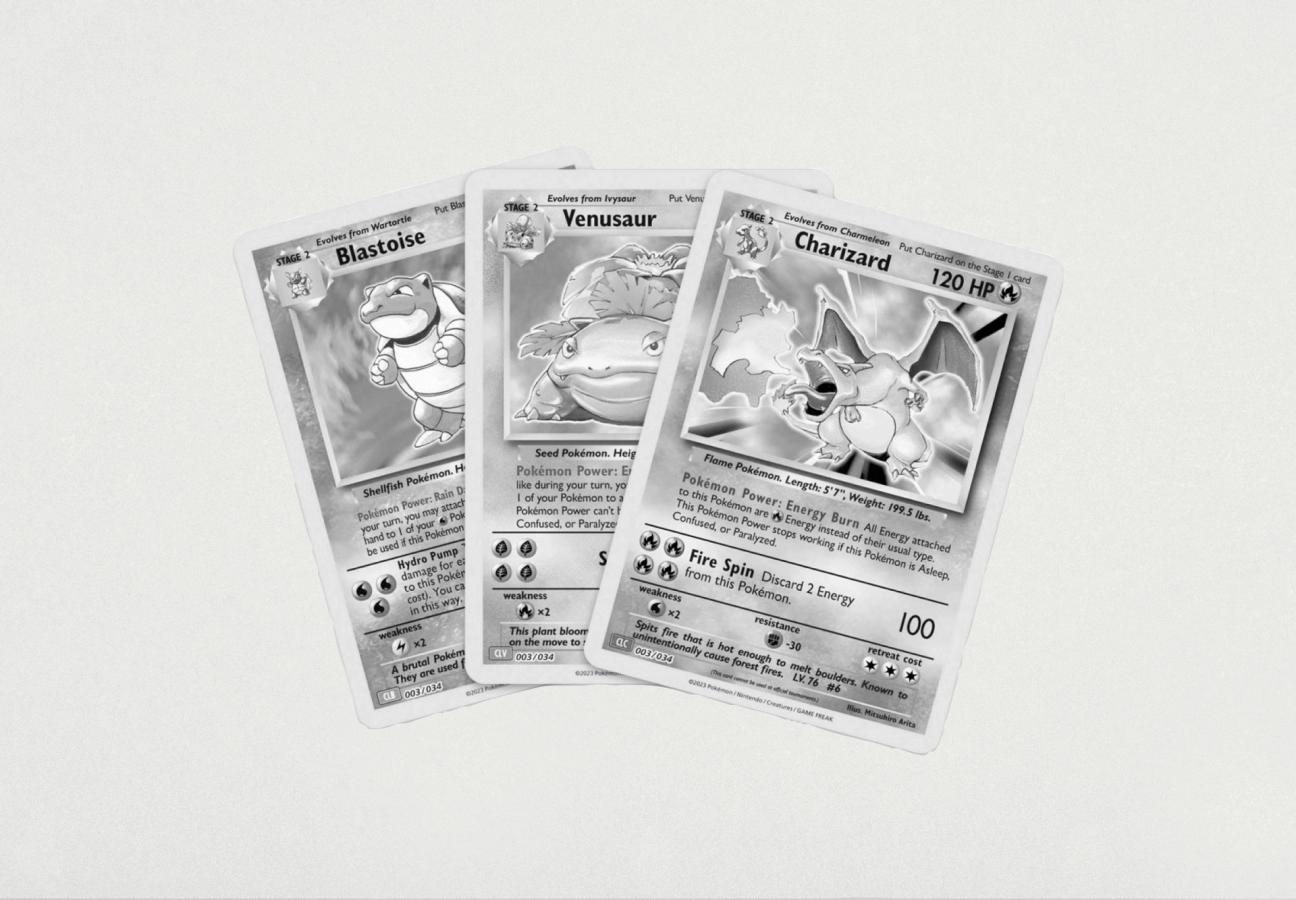
If you ever owned Pokémon cards, rare vinyl, or anything described as "limited edition," you were sitting on future currency. In 2026, collectibles are no longer niche. They're investments with nostalgia. The key is focus. Choose a category and learn it like you're cramming for an exam.
Sneakers, watches, and sports memorabilia are thriving markets. Trading cards have made a full comeback, and even 1990s video games are commanding absurd prices. The hustle requires knowledge, patience, and a mild gambling addiction (the socially acceptable kind).
Platforms like StockX and Whatnot make flipping simple. Start small and scale, a signed Jordan jersey here, a vintage Omega there. The most successful traders know that story sells as much as scarcity. You're not just selling an object. You're selling someone's memory of a better decade.
16. Food Delivery or Private Chef Services
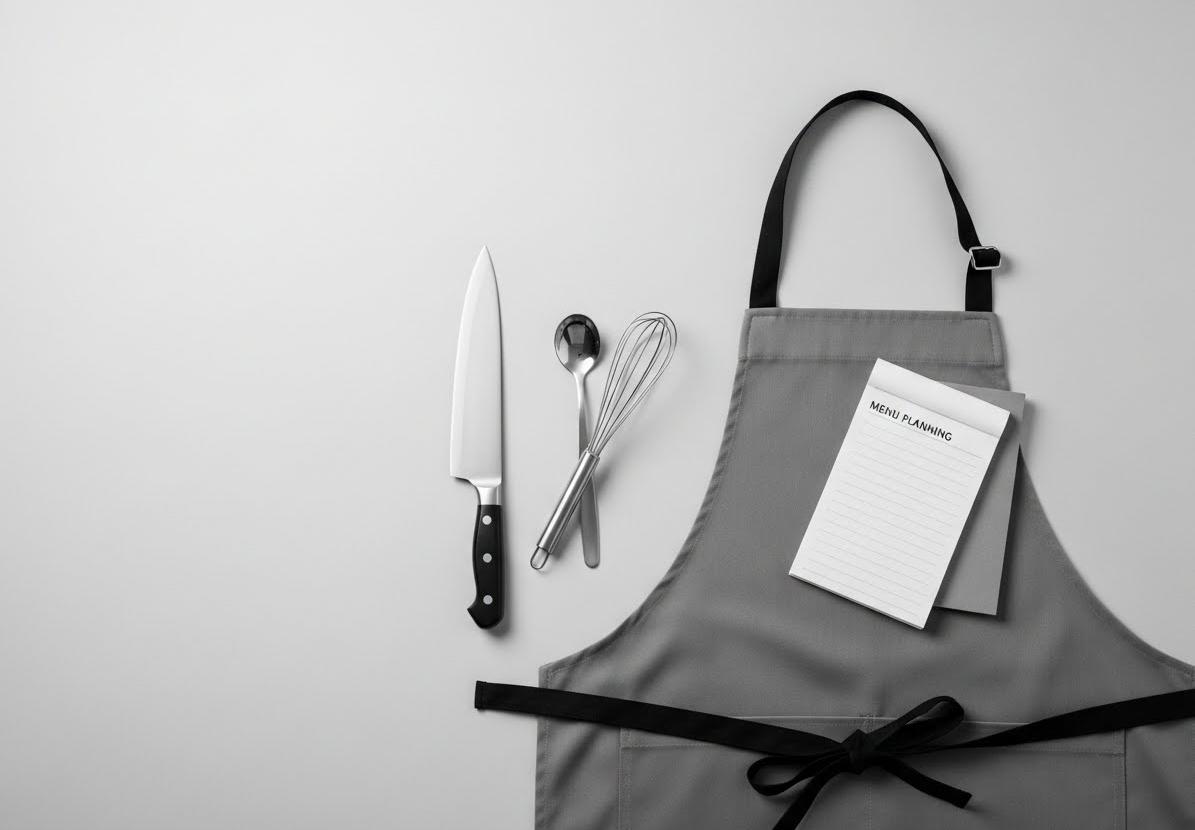
The appetite for convenience is eternal. People will cancel gym memberships before they cancel takeaway apps. But the real opportunity lies beyond Uber Eats, in private meal prep and home dining experiences.
If you can cook more than three things without a smoke alarm, offer bespoke meals for busy professionals or themed dinner events. Charging £20 per meal may not sound glamorous until you realise you can deliver twenty of them in a morning. Americans call it meal prep; the British call it sanity.
The luxury twist is private chef work. Think dinner parties, yacht weekends, and wellness retreats where everyone insists they're "detoxing" while you refill their glasses. Build a small client list, keep menus seasonal, and remember that presentation is as important as seasoning. Bonus: you get to leave before the washing up.
17. Cleaning and Home Organisation Services

There is a reason Marie Kondo has an empire. People are overwhelmed and willing to pay others to fix it. Cleaning might not sound glamorous, but the hourly rate for dependable, discreet service is climbing. Add "eco friendly" to your marketing and suddenly it's aspirational.
Home organisation is the upscale cousin of cleaning. You don't just tidy. You transform. You curate wardrobes, label pantry jars, and restore faith in human order. Clients range from busy families to CEOs who cannot find their cufflinks.
Start small, advertise locally, and take before and after photos that go viral faster than you can say "storage solutions." If you can create calm out of chaos, you're basically an interior designer for people who can't admit they're messy.
18. Local Tour Guiding and Experience Hosting

Tourism is back, and travellers want experiences, not queues. That means locals with personality are now the most valuable guides around. You don't need a degree in history, just enthusiasm, storytelling, and a good sense of where the nearest toilets are.
Offer walking tours, photo walks, or pub crawls with a twist. Americans love "secret London" or "historic pub" tours. Brits in New York book "Old New York speakeasies" or "Art Deco architecture" strolls. The beauty is in personal flair.
Platforms like Airbnb Experiences make it simple to list and promote. Top hosts make thousands per month while meeting interesting people who sometimes even tip. Remember, tourists want authenticity, which means you can charge them extra for sarcasm.
19. Gardening and Landscaping
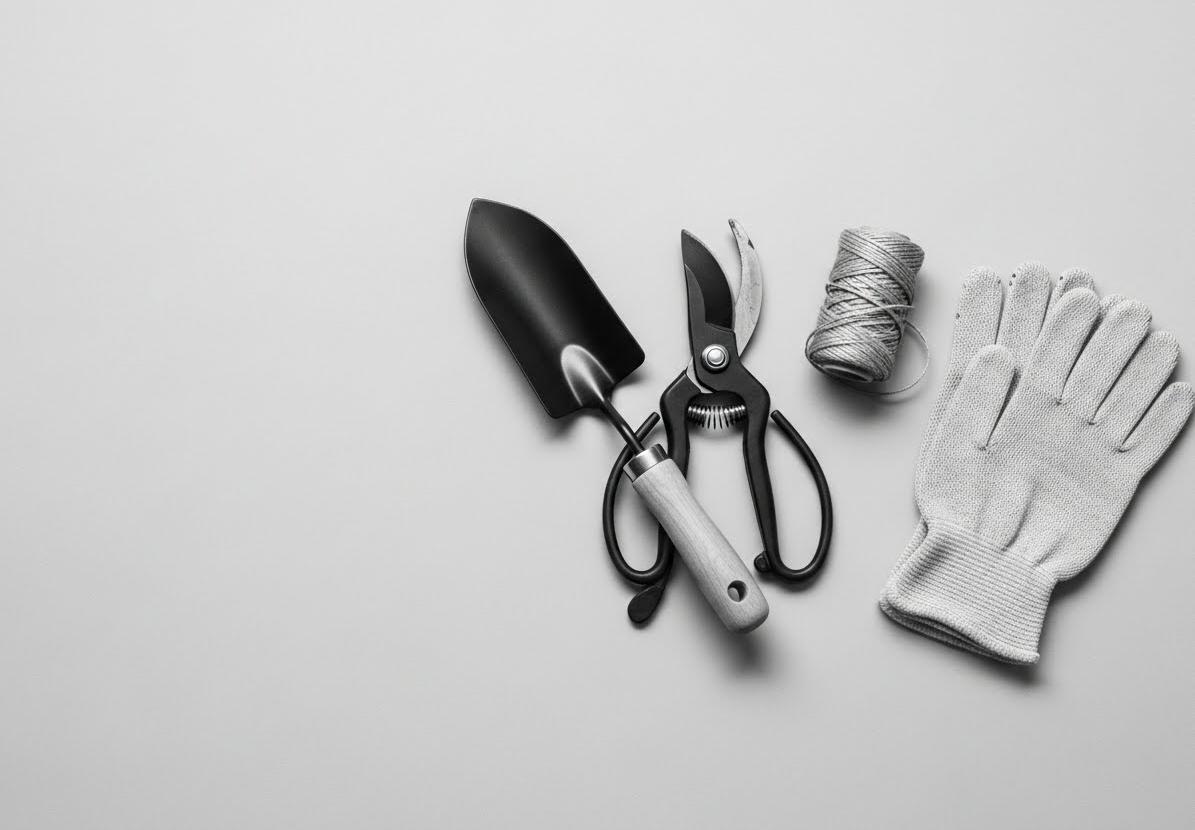
Gardening used to be a hobby for retirees. Now it's therapy for millennials who can no longer afford therapists. People want beautiful outdoor spaces without lifting a trowel, and they will pay handsomely for someone else to make it happen.
Start with small gardens or balcony makeovers. Offer plant selection, maintenance plans, and aesthetic upgrades. Those who master both greenery and Instagram can attract local clients fast. Landscaping adds machinery, contracts, and proper money once you scale.
In Britain, this means rescuing patios from perpetual drizzle. In the US, it means installing irrigation systems that actually work. Either way, fresh air plus creative satisfaction makes it one of the more wholesome ways to earn. And if you accidentally fall in love with hydrangeas, no one needs to know.
20. Gaming, Streaming, and Esports

Gaming is no longer a guilty pleasure. It's an economy with better ROI than most startups. Twitch, YouTube Gaming, and Kick have turned gamers into entrepreneurs. If you can play, talk, and not alienate your audience within thirty seconds, there is potential.
Streaming takes patience. Building an audience means consistency, charm, and a surprising amount of admin. But the rewards go beyond ad revenue. Sponsorships, donations, and merchandise can turn a few hours of gameplay on your gaming laptop into rent money.
Esports is now mainstream, with tournaments offering real salaries. You don't even have to be a pro. Commentators, coaches, and organisers are in demand. Gaming has become both a sport and a social life. It might not make your parents proud, but it will make your accountant smile.
21. Online Reselling

The internet remains humanity's largest car boot sale. From vintage clothes to refurbished tech, there is always someone online willing to buy what you no longer want, or what you have cleverly bought cheaper elsewhere.
Platforms like eBay, Etsy, Depop, and Facebook Marketplace are old standbys, while Amazon FBA lets you go global without renting a warehouse. Some side hustlers start by selling unused gadgets; others specialise in sourcing limited run sneakers, thrifted clothes, or home décor.
The key is niche and presentation. Photograph like Vogue, describe like Sotheby's, and price like you're mildly offended to part with it. Successful sellers understand that people aren't just buying a product. They're buying reassurance that it will not look tragic once delivered. With patience, spreadsheets, and charm, reselling can become an empire one parcel at a time.
22. Freelance Editing and Proofreading

The internet is drowning in words that could use a lifeguard. Every brand, author, and thought leader wants to sound clever, but few know the difference between "your" and "you’re." That is where you come in.
Editors and proofreaders are the quiet backbone of the content economy. From polishing blog posts and newsletters to rescuing self-published books, the demand is steady and global. Platforms like Upwork and Reedsy are good starting points, but the best work often comes from repeat clients who finally realise grammar does, in fact, matter.
Success in editing is about precision and diplomacy. You need to fix everything without sounding smug. Learn the difference between style and substance, charge for both, and always use track changes like a surgeon’s scalpel. It is a career built on commas, caffeine, and quiet superiority, and it pays surprisingly well.
23. Creating and Selling Online Courses

If you have ever explained something well enough that a friend said "you should teach that," take it literally. The online course market is still booming, and expertise now comes with a publish button.
Platforms like Skillshare, Teachable, and Udemy let you turn your skills into scalable income. One well structured class on Excel formulas, digital art, or home coffee brewing can keep earning while you sleep, or while you pretend to work on your next big idea.
The best instructors mix clarity with charisma. They teach, entertain, and edit out the awkward pauses. You do not need a studio setup, just a quiet room, good lighting, and a topic you genuinely know. Done right, it is teaching once and getting paid forever, the closest thing the internet offers to passive income that actually works.
24. Influencer Marketing Management

Influencers have gone from punchline to profit machine, and brands are still figuring out how to work with them. That is where you come in. Influencer marketing managers connect companies with the right creators and make sure both sides get what they want: exposure, engagement, and payment without drama.
You do not need millions of followers to get started. What matters is understanding audiences, platforms, and basic negotiation. Start small by matching local businesses with micro influencers or creators in your niche. Learn what works, track results, and build relationships that lead to bigger campaigns.
It is part project management, part matchmaking, and occasionally crisis control. The best managers keep everyone happy, on schedule, and out of trouble. Do it well, and you are the person behind the posts that actually sell products.
25. Stock Photography and Videography
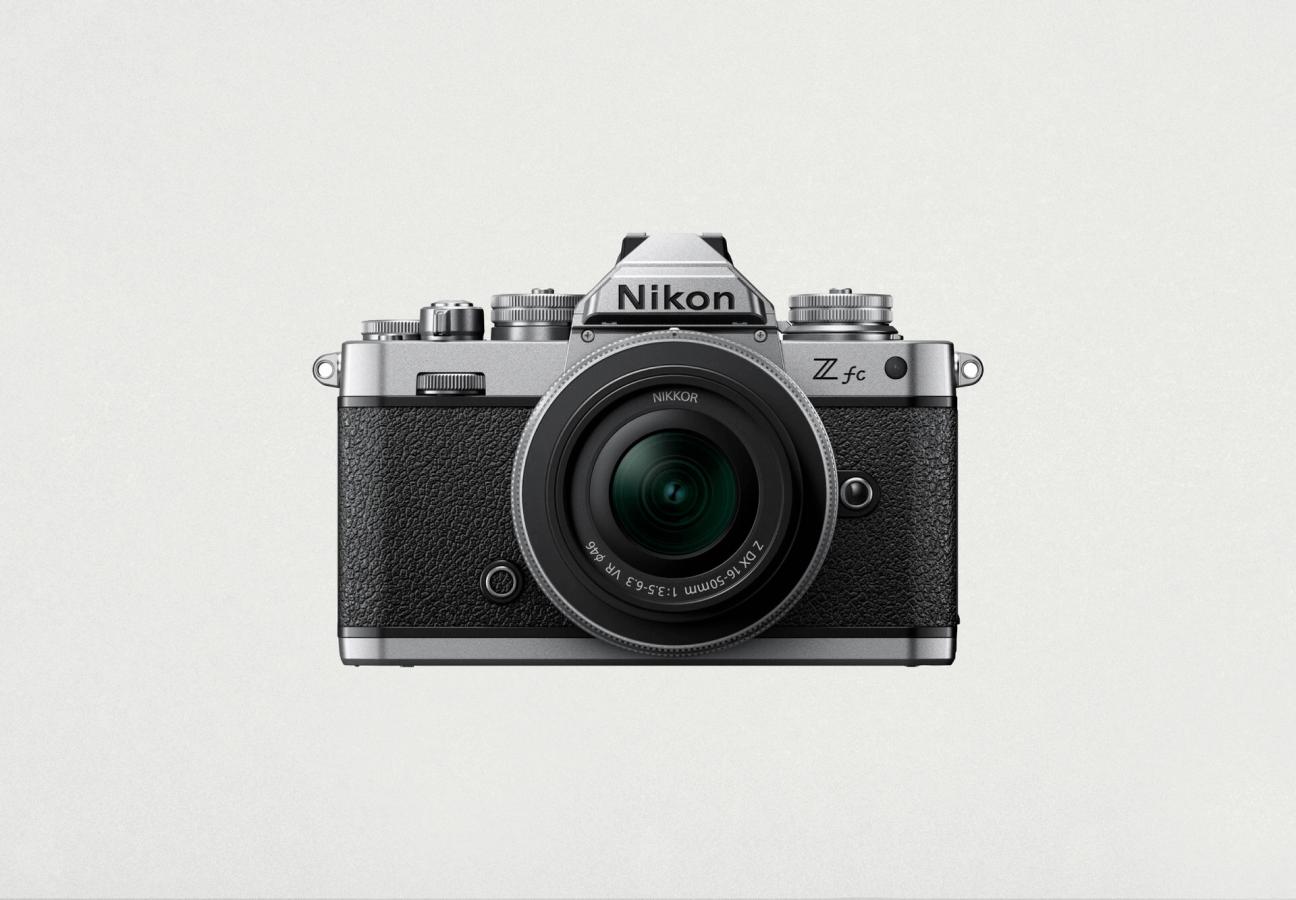
If you own a camera and patience, stock imagery is your secret weapon. Every website, blog, and company presentation needs visuals. And they pay for the right ones.
Upload your photos or clips to sites like Shutterstock, Adobe Stock, or Pond5, and earn royalties every time they're used. Think beyond landscapes: diverse portraits, workplace scenes, or stylish flat lays sell well. A perfectly staged latte can fund your next one.
The trick is volume and relevance. Seasonal trends and authenticity rule. Yes, "woman looking empowered while emailing" is cliché, but clichés pay. Done right, it's passive income that continues long after you've forgotten where you stored the original files.
26. Renting Out Your Stuff

If you're not using it, someone will pay to. From spare bedrooms to cameras, even luxury handbags, everything is rentable now. Sites like Fat Llama, Turo, and Airbnb have transformed ownership into a side hustle.
Got a car that sits idle most days? List it. Have a designer suit you wear once a year? Rent it out. Even power tools find takers. Just remember insurance and boundaries. The modern economy rewards trust, but not naivety.
Renting is ideal for those who want income without extra effort. It's capitalism's version of recycling. The satisfaction of earning from what you already own is immense, though explaining to your partner why strangers keep borrowing your golf clubs might require diplomacy.
27. Translation and Transcription Services

In a global economy, language is money. If you're bilingual or just very good at typing quickly, there's demand. Translators work on everything from marketing copy to movie subtitles, while transcriptionists turn audio chaos into readable documents.
It's ideal for detail oriented minds. Accuracy matters more than creativity, a refreshing change for anyone burned out from "thinking outside the box." You can work from anywhere, at any hour, and clients range from journalists to law firms.
The competition is fierce, but reliability wins. Meet deadlines, use proper grammar, and avoid creative liberties unless you're translating for a soap opera. The best translators are invisible, their work seamless. In the gig economy, invisibility can be very lucrative.
28. Antique Hunting

If you have ever shouted "that's worth something" at a car boot sale, this is your destiny. Antique hunting is treasure hunting for adults with slightly better taste and worse backs.
Start small with estate sales, auctions, and flea markets. Use apps like eBay and WorthPoint to research prices before you buy. Furniture, art, and jewellery often hide surprising value if you know what to look for and can tell treasure from tat.
This side hustle suits romantics who love history and spreadsheets equally. The best hunters develop an instinct for spotting value in dust. You will meet fascinating people, learn absurd trivia, and occasionally sit on something for months before selling it for ten times the price. The thrill never fades, only your storage space does.
29. App and Website Testing

Big companies spend millions building digital products that still don't work properly. They need testers: ordinary users who can point out flaws before customers do. That's you, a noble critic with an internet connection.
Sites like UserTesting, TryMyUI, and Testbirds pay you to navigate websites, record your feedback, and occasionally rage at poor design. Each test takes 10 to 20 minutes and pays between £5 and £40, depending on complexity.
It's a perfect micro hustle: simple, remote, and strangely cathartic. Imagine getting paid to say, "your checkout process is rubbish." It's a rare combination of therapy and commerce. Just keep your commentary professional, or at least mildly restrained.
30. Collecting and Reselling Rare Coins
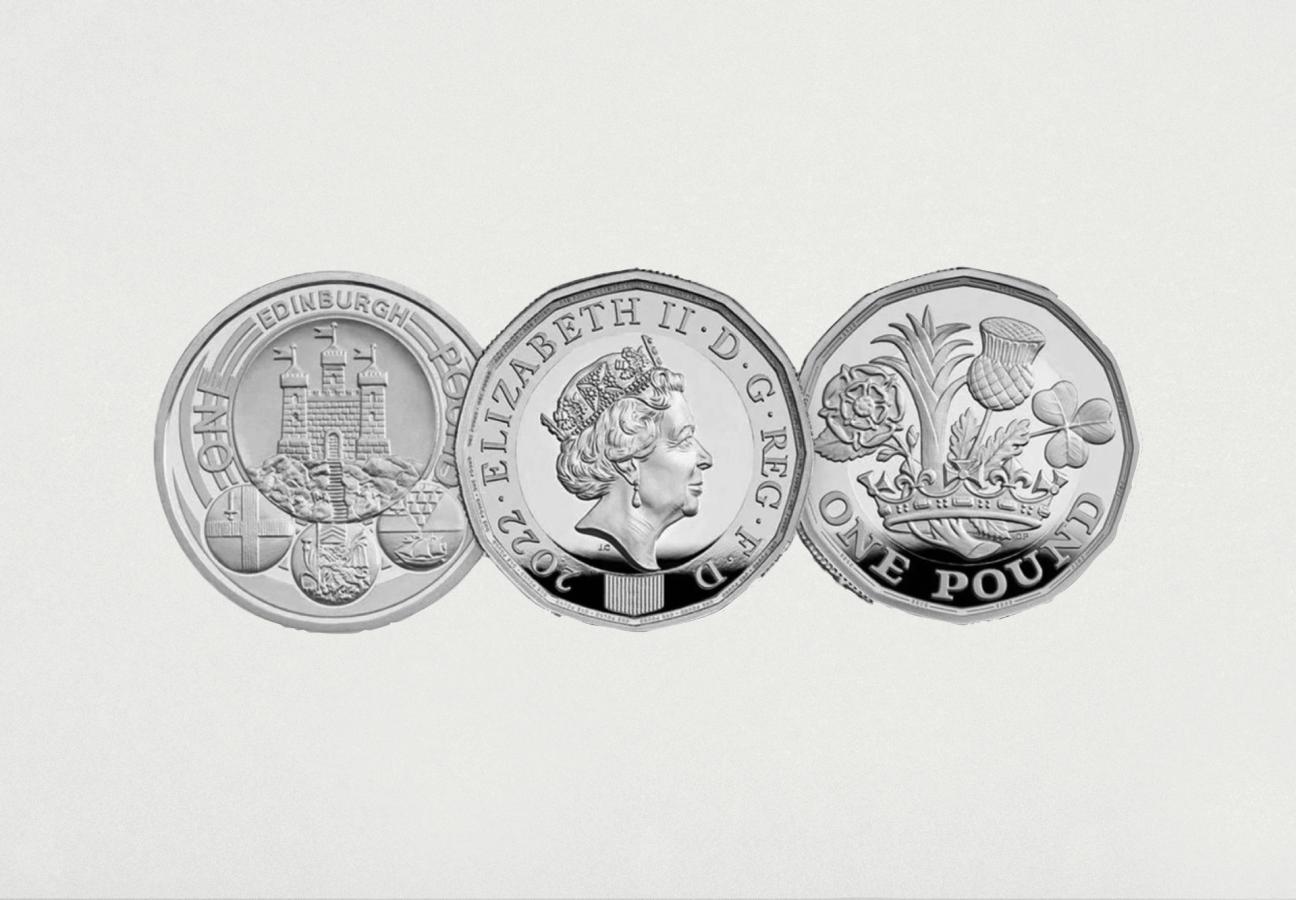
Numismatics sounds like a medical condition, but it's actually the ancient art of making money from money. Coin collecting and reselling has quietly boomed thanks to online marketplaces and YouTube experts who make pocket change sound seductive.
Rare British pounds, misprinted US quarters, or commemorative coins can fetch surprising prices. Learn to identify rarity, condition, and provenance. Join forums, follow auctions, and invest gradually.
31. Gaming for Profit

Once dismissed as the pastime of teenagers avoiding daylight, gaming has evolved into a legitimate business model. Esports, streaming, and digital item trading have created a new generation of entrepreneurs who make more shouting at a screen than some people do in a boardroom.
Start with streaming platforms like Twitch or YouTube Gaming. It takes time, humour, and a little shamelessness to build an audience, but the rewards are vast. Add affiliate links, sponsorships, and donations, and you are suddenly in the entertainment industry. Pyjamas optional.
If you prefer less public ventures, competitive gaming tournaments offer cash prizes, while digital marketplaces allow you to sell in game items. The secret to success is consistency and charisma. You're not just playing; you're performing. And for once, your parents' lecture about "wasting your potential" might require a formal retraction.
32. NFT Community Manager

Every NFT project wants hype, harmony, and a Discord that does not implode. That is where community managers come in. You keep the chat alive, welcome new members, and stop arguments about floor prices before they turn biblical.
The role blends marketing, moderation, and a little therapy. You answer questions, host giveaways, and translate the founder’s midnight thoughts into something the community can actually understand.
It can start as volunteer work, but strong communicators quickly get paid gigs with established projects or digital art brands. It is the modern mix of social media, customer service, and cult management.
33. Dropshipping

Dropshipping remains the entrepreneurial equivalent of playing Monopoly with real money. The concept is disarmingly simple: you sell products online, manufacturers ship them directly to customers, and you keep the profit margin. No stock, no warehouse, just marketing and caffeine.
Using platforms like Shopify or WooCommerce, anyone can start. The hard part is standing out. A million other people are also selling "luxury minimalist phone cases." The winners master branding, customer service, and targeted ads.
Done right, dropshipping offers financial independence and flexibility. Done poorly, it offers insomnia and refund requests. Still, for every failure story, there's someone who retired at 29 because they sold cat hammocks to the world. Choose wisely.
34. Candle and Fragrance Making

It begins innocently, a candle kit from Etsy, a rainy weekend, and ends with you explaining wax density to baffled relatives. The scented candle market is vast, luxurious, and surprisingly lucrative.
Craft your own candles or room sprays using soy, coconut wax, or essential oils. Experiment with packaging and design; presentation sells as much as scent. Then set up shop on Etsy, Not On The High Street, or Instagram.
Consumers crave calm, and nothing says "I am coping" like lighting a £25 candle called "Forest Solitude." With the right branding and consistent quality, you can turn home fragrance into a profitable side hustle that smells of competence and cash flow.
35. Financial Coaching

High risk, high reward, and high likelihood you'll briefly consider moving to the Cayman Islands. Day trading, buying and selling stocks or crypto for short term gains, attracts the brave, the bored, and the overconfident.
Education is crucial. Platforms like eToro and TradingView help beginners learn before losing money in style. Alternatively, long term investing through index funds or ETFs offers calmer, saner returns.
Successful traders treat it like science, not gambling. They track patterns, manage risk, and never invest what they can't afford to lose. Done sensibly, it can build a meaningful nest egg. Done impulsively, it builds character and regret in equal measure.
36. Pet Sitting and Boarding
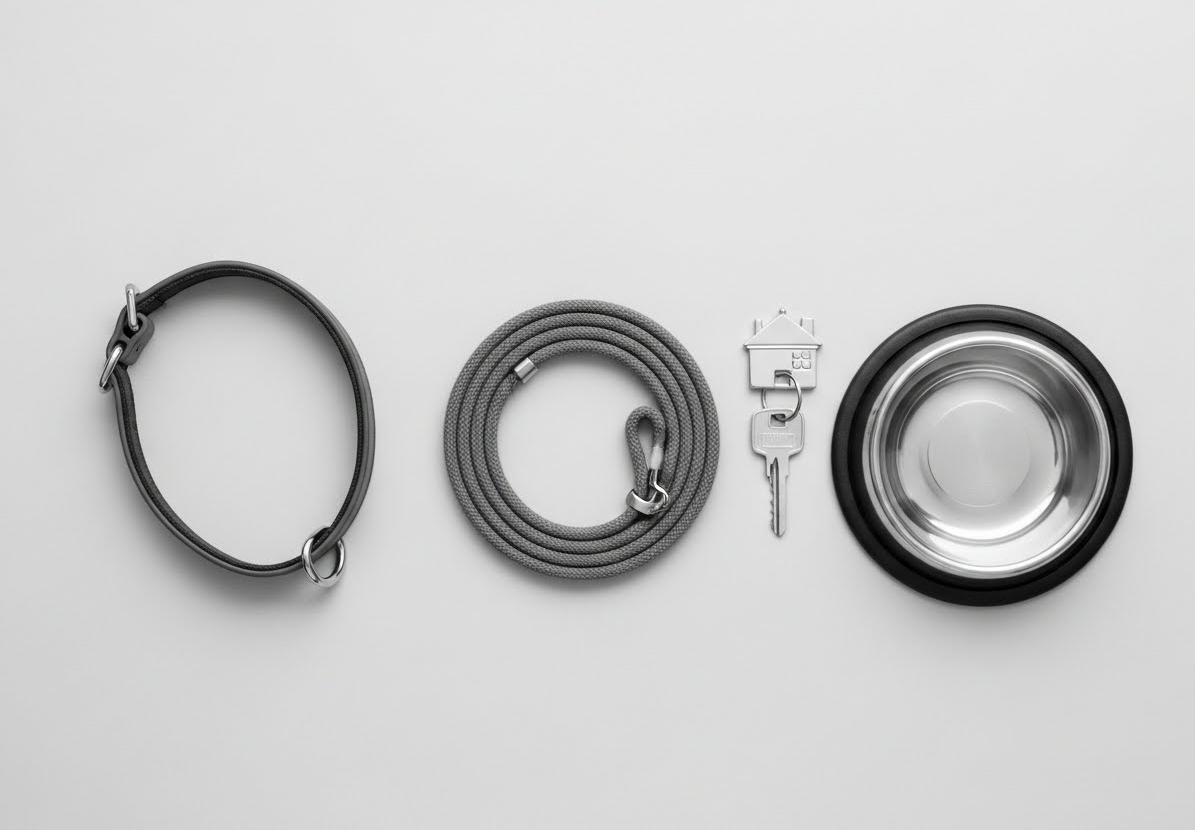
When people travel, their pets need someone they trust more than their in-laws. Pet sitting and boarding are steady, flexible ways to earn money while spending time with furry clients who rarely complain.
Apps like Rover and Wag! make finding gigs simple, but many sitters grow faster through word of mouth. Offer reliable care, daily updates, and proof that you actually like animals more than people. The best sitters remember birthdays, bring treats, and send photos that make owners both relieved and slightly jealous.
It is not always glamorous. There will be early walks, surprise messes, and the occasional escape attempt. But if you love animals, it is one of the few side hustles that leaves you happier at the end of the day and sometimes covered in fur.
37. Digital Marketing and SEO Consultancy

The internet runs on attention. Companies will pay handsomely for anyone who can get them more of it. If you understand how Google, social media, or email campaigns work, you're already halfway to a profitable consultancy.
Specialise in a niche: small businesses, restaurants, or luxury brands. Learn the basics of SEO, PPC, and analytics. Tools like Google Ads and SEMrush can turn data into strategy, and strategy into invoices.
The charm of this side hustle lies in its scalability. Start by helping local businesses for modest fees, then expand to recurring contracts. If you're articulate, analytical, and allergic to jargon, clients will trust you implicitly. Bonus: you can finally explain to your parents what "optimising metadata" actually means.
38. Mobile Car Wash or Detailing

Cleanliness sells, especially when it smells faintly of success. Mobile car detailing has exploded in popularity, thanks to busy professionals and increasingly judgmental neighbours.
The investment is modest: cleaning supplies, a portable vacuum, and a water source. Offer tiered packages, exterior wash, interior polish, wax finish, and visit customers at home or work. Quality and punctuality build word of mouth faster than any advert.
It's ideal for those who like tangible results and don't mind hard work. A freshly detailed car gleams like validation, and regular clients can turn this from weekend gig to full time operation. It's honest labour that leaves both you and the Mercedes owner feeling smug.
39. Real Estate Staging

Homes do not sell themselves. They need atmosphere, flow, and someone who knows which throw pillows whisper "aspirational lifestyle." Real estate staging turns empty or cluttered spaces into something buyers can imagine living in.
If you have an eye for design, staging can be both creative and profitable. You might rearrange existing furniture, rent accent pieces, or style entire homes from scratch. Agents and homeowners are willing to pay well for a space that photographs beautifully and sells faster.
It is part interior design, part psychology. You are not decorating for comfort but for fantasy. The best stagers understand how to make rooms feel spacious, light, and emotionally inviting. Done right, your work helps people fall in love before they even notice the price tag.
40. Subscription Box Business

Humans adore surprises, preferably in recyclable packaging. The subscription box model caters to that instinct. From snacks and skincare to socks and stationery, there's a niche for everything.
Build a theme, source products, and market to enthusiasts. Start small: monthly boxes curated for specific hobbies or self care. Partner with small brands to keep costs manageable and aesthetics pleasing.
The secret is consistency and delight. A well curated box turns casual customers into loyal subscribers. With the right blend of humour and quality, your brand becomes part of their monthly ritual. Think of it as retail therapy delivered by post, except you're the one being paid for it.
41. Collecting and Selling Vintage Items

Old things are suddenly new again, particularly if you can use words like "mid century" or "patina" without laughing. From vinyl records to rare sneakers, vintage reselling is booming, and not just among people with beards and tote bags.
Scour thrift stores, estate sales, or online marketplaces like eBay and Facebook Marketplace. Focus on items with cultural nostalgia: designer furniture, watches, cameras, concert tees, or anything that might one day appear in a Netflix period drama.
It requires patience, research, and a good eye for authenticity. The thrill lies in finding a forgotten treasure for £20 and selling it for £200. You become part historian, part opportunist, and part storyteller, the sort who can convincingly say, "This jacket is from 1983, the golden age of denim rebellion," while quietly calculating your profit.
42. Peer-to-Peer Car Sharing

Your car does not have to sit idle while you work, sleep, or scroll. Platforms like Turo and Getaround let you rent it out when you are not using it, turning a depreciating asset into a steady earner.
Success is all about trust and presentation. Keep your car spotless, respond quickly, and write a listing that sounds confident, not desperate. Renters want convenience with a hint of adventure.
It is an ideal side hustle for people who want passive income without building a brand. Just make sure your insurance covers everything, and take photos before each trip. You will thank yourself later.
43. Furniture Flipping

There is something deeply satisfying about rescuing a discarded chair, sanding it, repainting it, and selling it for a profit. Furniture flipping combines craftsmanship, sustainability, and the faint whiff of smugness.
Start small: a coffee table from Facebook Marketplace, a dresser from a charity shop. Learn which materials are worth saving and which are firewood. Invest in tools and develop a style. Minimalist Scandinavian sells, as does rustic farmhouse.
Once you build skill and an online following, profits can be considerable. It's therapy that pays. You begin weekends with paint stained hands and end them with bank transfers. And if anyone asks, you're not flipping furniture; you're curating functional art.
44. Creative Odd Jobs Online

The internet will pay for anything if you package it right. On Fiverr and Upwork, people earn money writing funny Tinder bios, creating custom playlists, drawing pet portraits, or recording fake breakup messages.
If you have personality, creativity, or a slightly strange talent, there is probably someone willing to pay for it. Start by exploring what already sells, then twist it into your own niche. Offer something small, unique, and easy to deliver.
It is a low pressure way to test your ideas and get paid for being inventive. The stranger the gig, the less competition you will face, and the more fun you will have turning quirks into cash.
45. Teaching a Skill

Everyone knows something that someone else wants to learn. Guitar, yoga, photography, pottery, languages, even latte art. Skills that feel ordinary to you can be gold to beginners. Teaching them can turn your hobbies into income.
Platforms like Teachable, Skillshare, and Superprof make it simple to create lessons or offer live classes. You can start small with local workshops or go fully online with recorded tutorials that keep earning long after you have logged off.
The best teachers make learning feel human. They simplify without dumbing down and stay patient when students panic over the basics. Done right, teaching a skill is one of the few side hustles that pays in both money and gratitude.
46. Airbnb Hosting

If you have a spare room, an unused annex, or a shed that could be mistaken for minimalist accommodation, Airbnb can turn it into an income stream.
Successful hosts curate an experience, not just a bed. Crisp sheets, local touches, and an honest description go a long way. Reviewers value warmth and cleanliness above everything else. Be hospitable but not intrusive. Offer breakfast suggestions, not life advice.
The returns can be impressive, particularly in tourist-heavy cities. Of course, the downside is discovering that "quiet guests" once hosted a three day silent disco. Still, it's a modern way to turn idle space into monthly income, and you might even meet someone interesting who doesn't steal your towels.
47. Precious Metal Trading

Gold and silver never go out of style. When markets wobble, people turn to metals that actually shine. Trading in precious metals is less about glitter and more about strategy, timing, and a calm stomach for market swings.
Start small with reputable dealers or online platforms that allow fractional ownership. Learn to track spot prices, understand purity levels, and store your assets safely. Whether you are buying coins, bars, or bullion-backed ETFs, research is your best insurance.
It takes patience and planning, but metals can provide stability when everything else feels uncertain. Plus, there is something quietly satisfying about holding real value in your hand, not just watching numbers flicker on a screen.
48. Home Baking or Small Batch Food Production

If people already tell you your brownies could end conflicts, why not monetise the peace? Home baking is one of the oldest, sweetest side hustles around.
Cakes, cookies, jams, sauces, all sell beautifully at local markets or through online orders. Keep packaging attractive and branding consistent. Follow health regulations, of course, but embrace creativity.
Food is emotional. People will pay generously for nostalgia in edible form. Done right, your kitchen becomes both bakery and business. You'll smell of butter and ambition, and honestly, there are worse things.
49. Discord Moderator

Every thriving online community needs someone to keep the peace, delete chaos, and mute the person who types in all caps. Discord moderators are the quiet backbone of the internet, managing chats for gaming servers, NFT projects, creators, and global brands.
The work is simple but constant. You enforce rules, answer questions, and defuse drama before it spreads. Good moderators combine diplomacy with a healthy sense of humour and a talent for sounding calm at 3 a.m.
It pays modestly at first, but large servers and brands hire full-time mods with real salaries. If you already spend hours online, you might as well get paid to keep everyone else civil.
50. Home and Office Organising

Minimalism may have peaked, but chaos is eternal. Professional organisers help people declutter their homes and minds, for a fee.
Start with friends or family. Document before and after results and build a portfolio. Offer wardrobe organisation, office optimisation, or digital decluttering. You're selling calm, and calm is priceless.
With time, you'll gain loyal clients who call you at 9 p.m. because their filing cabinet has feelings. Charge accordingly. It's the side hustle for those who love order, aesthetics, and that quiet moment when someone gasps, "I can see my floor again."
51. Augmented Reality Tour Guide

Why tell people where Big Ben is when you can show them in 3D? Becoming an AR tour guide lets you design immersive experiences for tourists who prefer their history with a side of spectacle. You can use AR platforms to overlay facts, visuals, or even simulated ghosts onto real landmarks.
Imagine visitors in New York watching Alexander Hamilton appear outside the actual Treasury Building or tourists in Edinburgh seeing medieval knights walk the Royal Mile. It is geekery meets storytelling, and clients will pay handsomely for innovation that turns sightseeing into cinema.
52. Drone Photographer for Real Estate

Forget film school. If you can fly a drone without decapitating yourself or alarming pedestrians, you can sell luxury. Estate agents, hotels, and even golf courses are desperate for cinematic aerial footage. The market exploded during the pandemic and never came down. With a decent drone and some editing software, you can earn hundreds per shoot. Master the art of the slow pan over a pool at sunset, and suddenly you are not just a freelancer; you are a visual poet of suburban aspiration.
53. Podcast Editor for Hire

Everyone has a podcast. Few of them sound bearable. If you have patience, an ear for pacing, and can remove the phrase "you know what I mean" 87 times from a single episode, there is a business here.
Freelance podcast editors make solid money cleaning up audio, inserting ad breaks, and saving hosts from themselves. You do not need a studio, just software and taste. It is the digital equivalent of ironing a very wrinkled conversation.
54. AI Prompt Consultant

You have seen it. People treating ChatGPT like an oracle and then complaining when it gives them the wrong prophecy. The emerging profession of AI prompt consulting exists to solve this. Businesses pay you to teach their teams how to talk to AI effectively.
If you can make artificial intelligence write emails, generate images, or summarise reports without inventing French monarchs who never existed, you can charge consulting rates. You are not just selling prompts; you are selling clarity.
55. Niche Newsletter Creator

Substack millionaires exist. They are smug for a reason. Writing a newsletter about something you genuinely understand, whether that is mid century furniture, vegan bodybuilding, or the politics of skincare, can turn into a serious revenue stream through subscriptions or sponsorships. The trick is tone. Be funny, informed, and consistent. People do not just want information; they want to feel like they are being briefed by their clever friend who occasionally swears for effect.
56. Virtual Interior Stylist

If you can tell the difference between minimalist and "empty flat waiting for tenants," there is work for you. Virtual interior styling involves advising clients on décor through video calls, photos, or design software.
You can earn hundreds per session helping people make their homes look like the sort of places they would be invited to. UK and US clients love this because it feels glamorous without involving paint fumes or heavy lifting. Bonus points if you can say things like "spatial harmony" with a straight face.
57. Crypto Airdrop Hunting

Free crypto still exists if you know where to look. Airdrop hunting means spotting new projects that hand out tokens to early users for testing apps or completing simple tasks.
Follow reliable crypto sites and communities that track upcoming drops. Use a separate wallet, stay alert for scams, and never share your keys.
It is part research, part luck, and occasionally very profitable. Think of it as coupon collecting for the digital age, only the coupons might actually pay your rent.
58. Metal Detecting

Some people meditate. Others wander beaches listening for beeps. Metal detecting is part exercise, part treasure hunt, and occasionally profitable if you have patience and luck.
Start with a reliable detector, a permit if required, and a quiet stretch of sand. Old coins, jewellery, and lost gadgets are common finds. Most discoveries will not fund your retirement, but they might buy the coffee that keeps you searching.
It is the rare side hustle that gets you outside, clears your head, and occasionally rewards obsession with gold. Even when you find nothing, the peace and salt air feel like a win.
59. Digital Course Ghostwriter

Experts love talking but hate typing. Enter the course ghostwriter. You help professionals turn their knowledge into sellable online courses without them having to touch a keyboard. Interview them, structure their content, and build modules that sound smart but not smug. You are essentially an academic translator. It is surprisingly lucrative, especially if you can make an accountant sound inspiring.
60. Pet Influencer Manager
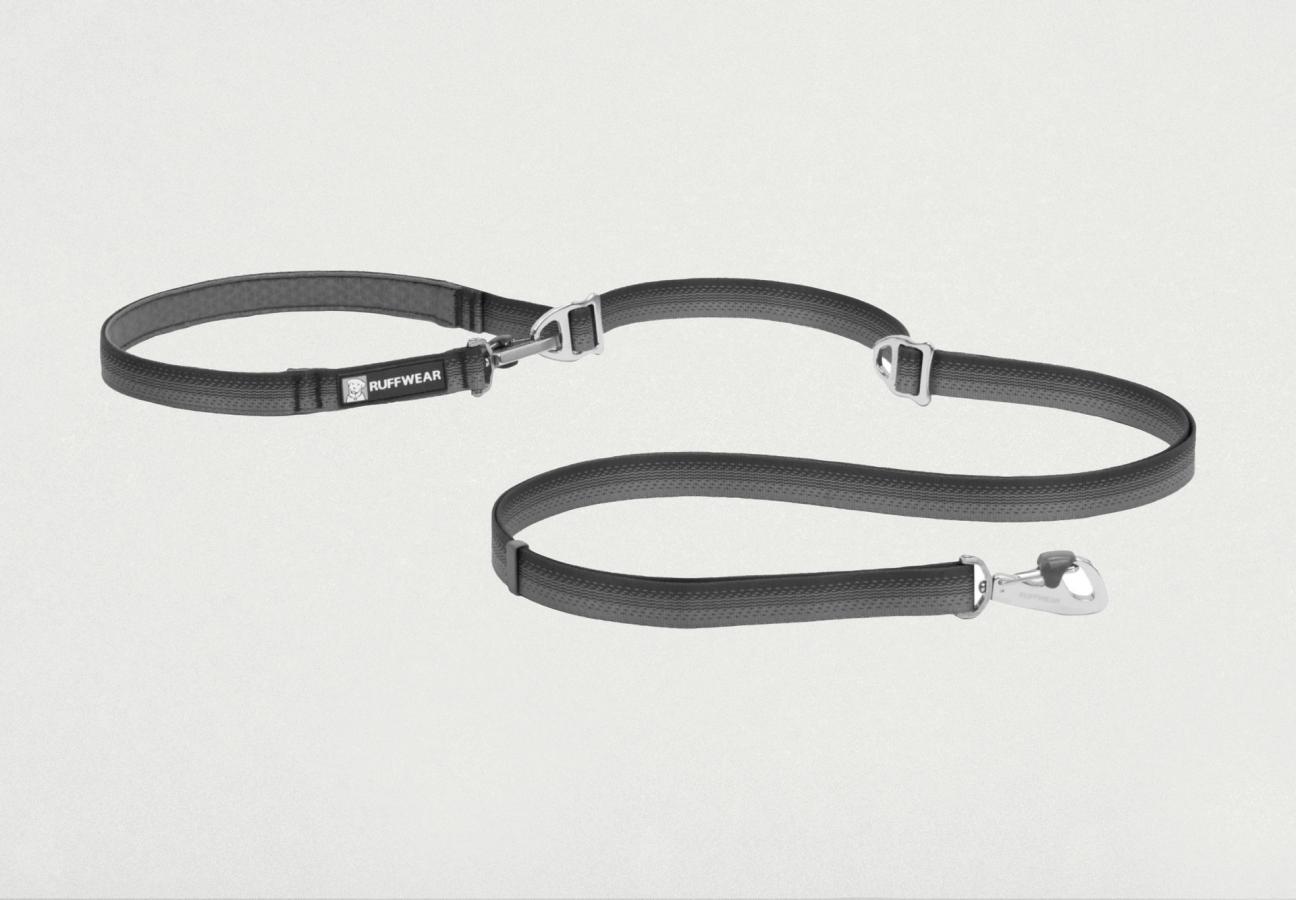
Welcome to the internet's happiest absurdity. Managing pet influencers is now a genuine career path. Brands pay serious money for dogs, cats, and even hamsters with large followings. Your job is to run their social media, negotiate brand deals, and ensure their owners do not accidentally post anything scandalous. It is public relations with fur. If you can handle diva Pomeranians and the occasional ethical crisis about canine capitalism, there is real money in managing creatures who are both adorable and algorithm friendly.
61. AI Dating Coach

Artificial intelligence has finally entered the love business. As an AI dating coach, you help people craft better profiles, smarter messages, and more believable banter. You are not creating romance. You are optimising it. Clients send you their chat transcripts, and you fix their tone, grammar, and chances of ever meeting someone in person.
It is part psychology, part marketing, and part "please stop using emojis like that." The truly bold offer real time coaching sessions, whispering advice through earbuds during first dates. It's Cyrano de Bergerac with Wi-Fi.
62. Retro Arcade Restorer

Nostalgia is expensive, and people will pay a small fortune to relive their youth in 8 bit glory. Restoring or reselling old arcade machines, Pac Man, Galaga, Street Fighter II, is both art and obsession. You learn wiring, screens, and carpentry, then sell the finished machines to collectors or bars that want to look ironically authentic. It is not just a business; it is a love letter to the days when "multiplayer" meant standing next to someone while eating crisps.
63. Professional Meme Creator

Once upon a time, memes were free. Now, brands pay for them. If you have the timing, humour, and ability to turn corporate nonsense into viral joy, this one is for you. You can freelance for marketing agencies or run your own meme pages that generate ad revenue and sponsorships. The trick is subtlety, creating something that makes people laugh before they realise they've been advertised to. Think of it as propaganda, but make it funny.
64. Urban Foraging Instructor

Wild garlic, nettle soup, and the thrill of explaining to strangers that mushrooms can be both dinner and danger. Urban foraging has gone mainstream. If you know your flora and fauna, run local workshops or create digital content teaching others how to find edible treasures in city parks. It's educational, sustainable, and slightly eccentric, which is to say, perfect for TikTok. Just make sure you really know which mushrooms are safe before taking bookings.
65. Sustainable Sneaker Customiser
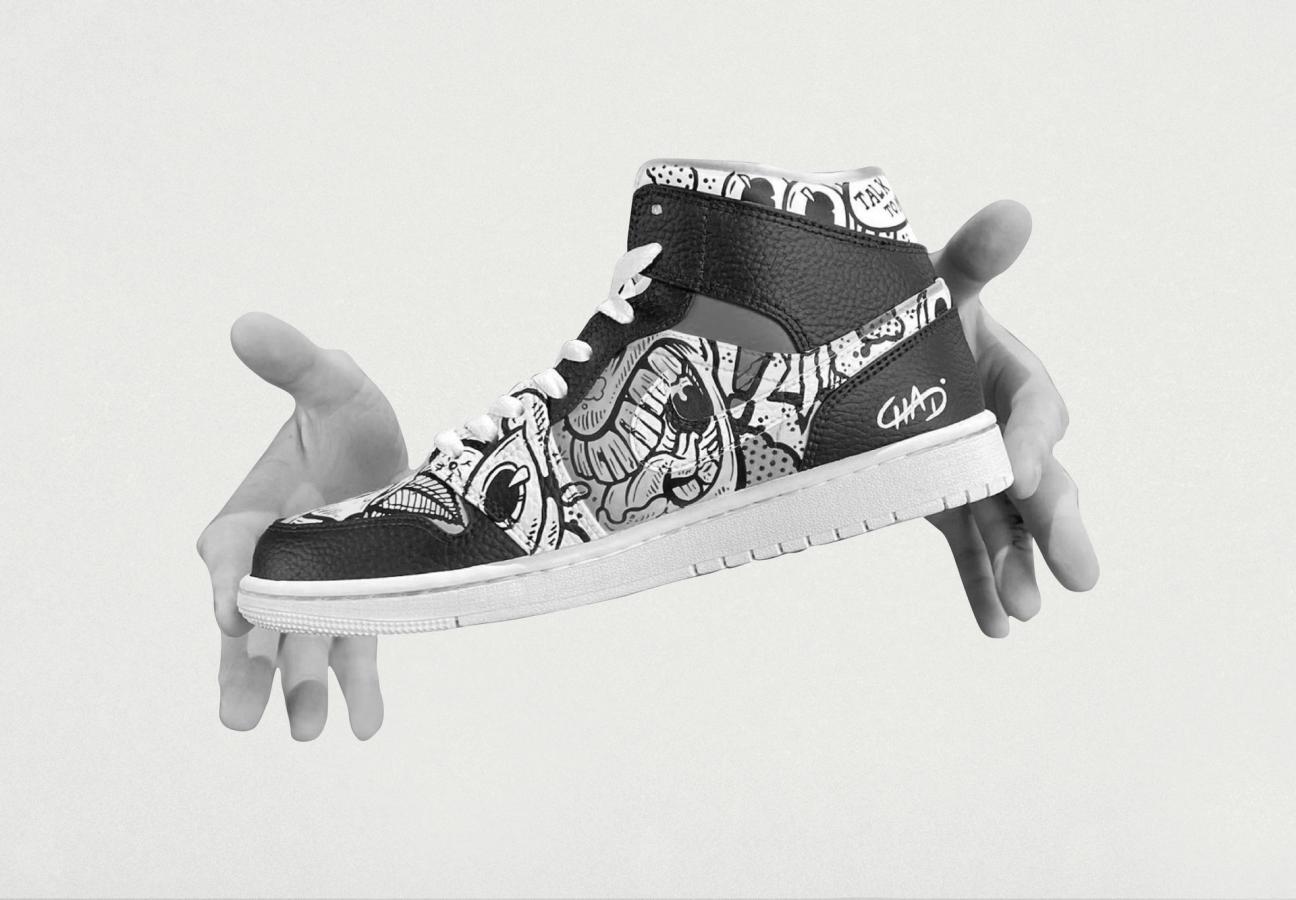
Sustainability meets swagger. You buy worn out sneakers, restore them, and add custom artwork or detailing before selling them online. It is part fashion, part upcycling, part flex. The margins are great if your designs are clever and your photos cool enough to make Gen Z pause their scroll. Collaborate with local artists or schools, and you become a creative entrepreneur, the kind who quotes Banksy and owns too many paint pens.
66. Tiny Home Consultant

The housing crisis has inspired a new class of side hustlers: tiny home consultants. You help people design, source, or even build small, efficient living spaces. The appeal spans from eco conscious millennials to retirees who've decided their children can visit but not stay. You do not need to be an architect, just resourceful. Advice on insulation, storage, and compost toilets has never been more valuable, or more Instagrammable.
67. Professional Queuing

f patience is your superpower, Britain will pay for it. Professional queuing is exactly what it sounds like: standing in line so others do not have to. Concert tickets, sample sales, new phone launches, if it involves waiting, there is work.
It suits students, freelancers, or anyone who enjoys quiet reflection and occasional drizzle. Some queue for businesses, others for influencers who want the photo but not the boredom.
It is absurd, polite, and perfectly British. Bring a chair, a flask, and a podcast. Your endurance might just earn you a few hundred quid and a renewed appreciation for central heating.
68. Lost Property Courier
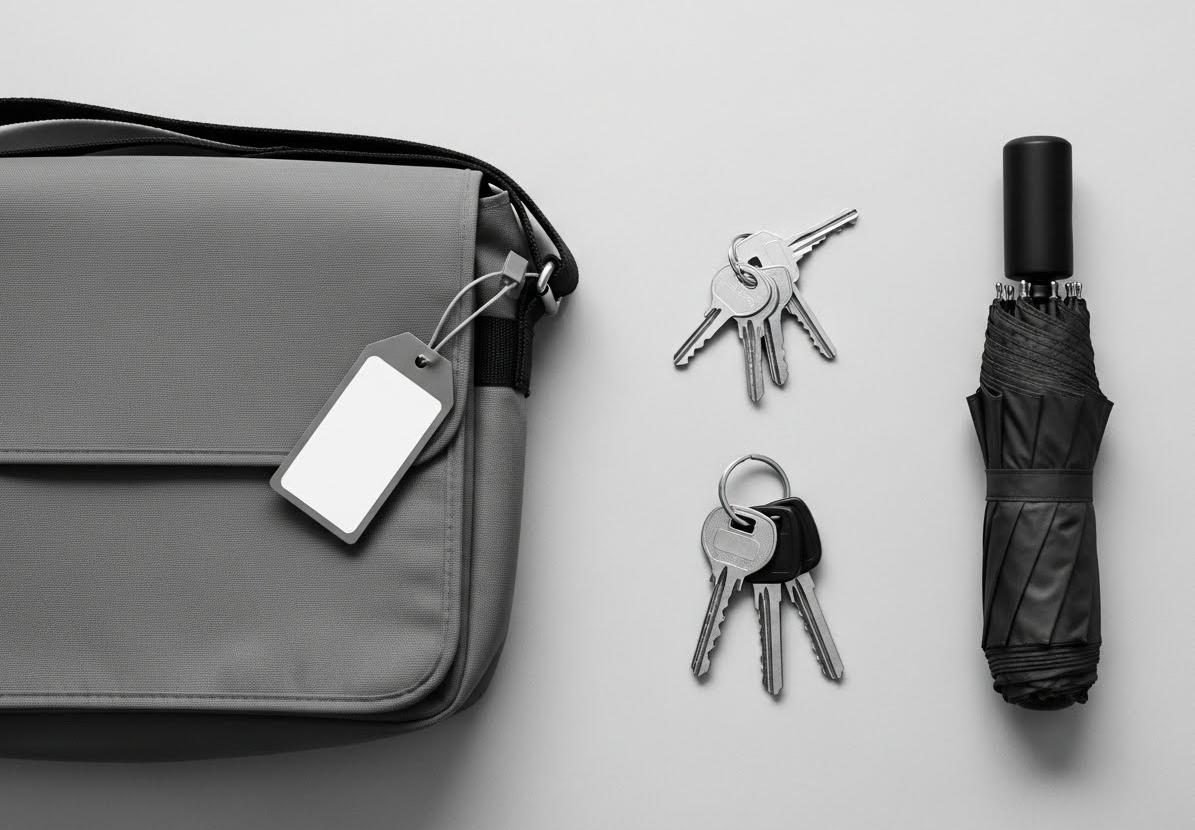
Britain loses more phones, wallets, and umbrellas than it produces cups of tea. Lost property couriers help reunite owners with their belongings, collecting items from rail stations, airports, or hotels and returning them for a fee.
It is half logistics, half detective work. You will spend your time tracking names, chasing couriers, and occasionally hand-delivering a suitcase to someone too embarrassed to admit what is inside.
The work suits anyone organised, polite, and mildly nosy. It pays decently, builds great stories, and restores a little faith in humanity each time a stranger says thank you.
69. Luxury Candle Maker

The candle market is worth billions because everyone wants their home to smell like "Bergamot Whispers" or "Library After Rain." If you have an eye for branding and the patience for wax, you can turn candle making into an empire. Scent blending, packaging, and storytelling are where the profits hide. A candle that costs £5 to make can sell for £45 if marketed as "artisan," "sustainable," or "inspired by the English coastline," which usually means someone spilled salt on a table in Cornwall once.
70. Virtual Fitness Instructor

From yoga to spin to "core conditioning for people who mostly sit," virtual fitness remains a booming side hustle. You can host live classes, record sessions, or offer personalised plans. The beauty of it is reach. Your clients can be in London, Los Angeles, or Leeds, all sweating in unison. If you can teach with energy and charm through a webcam, you can build a loyal following. Bonus points if your cat occasionally walks across the screen. Relatability is the new luxury.
The Final Word: Profit, Personality, and a Touch of Madness

In the end, the best side hustle is not just the one that fattens your bank account but the one that makes you feel slightly more alive. It turns idle hours into experiments, habits into income, and skills into something dangerously close to pride. Whether you are flipping furniture, teaching guitar, or renting out your driveway like a suburban mogul, the point is motion. Purposeful, profitable, and mildly ridiculous.
Side hustles remind us that ambition need not wear a tie. In 2026, opportunity no longer knocks politely; it sends a link, demands a caption, and asks for five star reviews. Choose something that suits your temperament, your timetable, and your threshold for chaos. Then start. The future belongs to those who can turn a good idea into good money without losing their sense of humour along the way.