Of all the wine crimes committed by restaurants, arguably the most egregious (along with misguided attempts at hipness by presenting fine wine in tumblers) is serving red wines too warm. Such an offence is far more irksome than serving whites too cool, which can soon be rem edied by some intensive glass-cupping. And the summer months, when temper atures make the indiscretion harder to reverse — and when a soupy red is the last thing anyone wants — is the worst possible time for such malpractice.
Asking for an ice bucket for a 15-minute dip is the only remedy, even if the request can still raise eyebrows among the uninitiated. But even without such context, there are some reds that are positively enhanced by — and even made to be enjoyed via — a bit of freshening up. So yes, we’re calling it: this summer, chilled reds are most definitely a thing.
Not all of them are suited to the practice, it should be said. A big, burly Aussie shiraz and châteauneuf-du-pape will remain big and burly no matter how long you leave them on ice. And while there is a place for such wines, a summer barbecue is not it. In general, we’re talking about lighter, less-structured wines — those that are easy on oak and tannin and high on fruit and acidity. The much-maligned beaujolais is an obvious contender, made from the delicate, aromatic Gamay grape and often drunk in the first flush of youth. Grenache and cabernet franc too can yield similarly lifted, red-fruited tones. But pinot noir is probably the classic lighter red. Be careful of provenance here, though — good red burgundy tends to have an earthy element that doesn’t respond well to chilling, while New Zealand’s pinots can be quite textured and full, and California’s fairly deep and oaky. To my mind, pinots from places such as Australia and Alsace have just the right balance of bright fruit and vinous mouthfeel. This latter element is key, no matter the grape variety involved — while you want the fruit to be bright and lifted, you don’t want it to be confected. We’re still looking for decent wine here, after all, not cranberry juice.
Armagia, Etna Rosso 2019
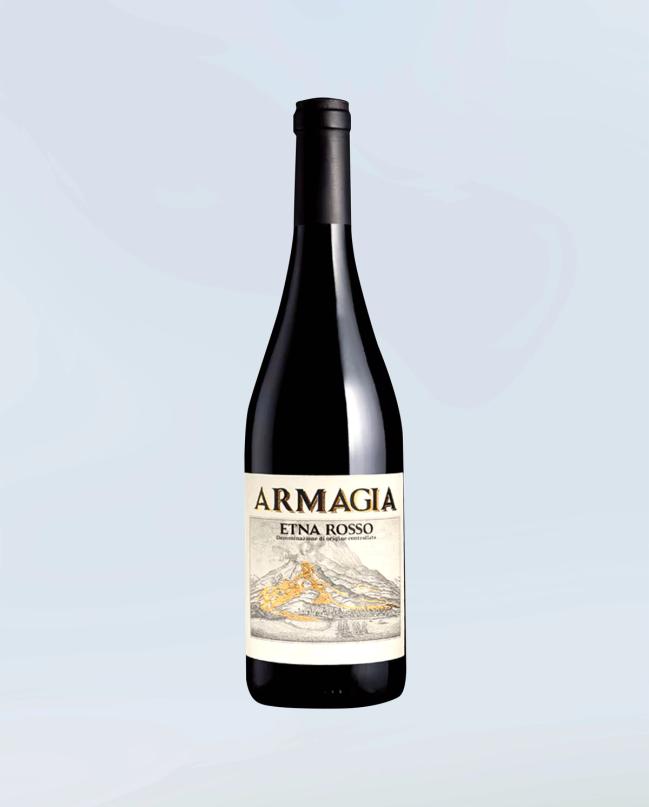
Etna’s volcanic soils have become a super-trendy source of vibrant, energy-laden reds in recent years, and this is a fine example, with an extra later of aromatic, herbal red fruits, minerality and freshness.
£17.99; laithwaites.co.uk
Newfound, Gravels Red, Napa Valley, California 2022
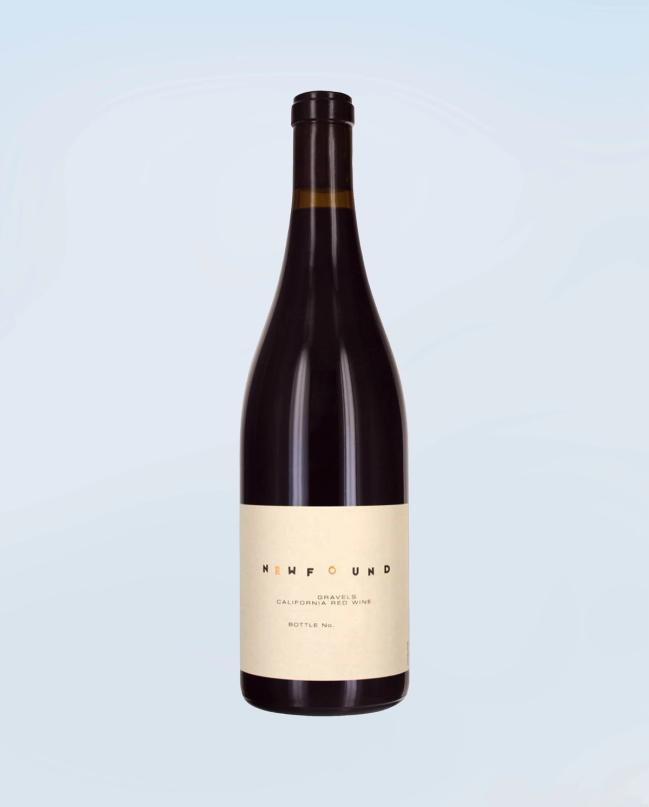
A pleasingly atypical California blend of grenache and carignan, made in a low-intervention manner with whole bunches and wild yeasts by a small, sustainably focused, family-owned winery. Subtle and juicy with baked strawberry notes, a touch of blue fruit and a pleasing herbal snap.
£36.95; jeroboams.co.uk
Agreste Pais, Clos de Luz, Almahue, Chile 2022
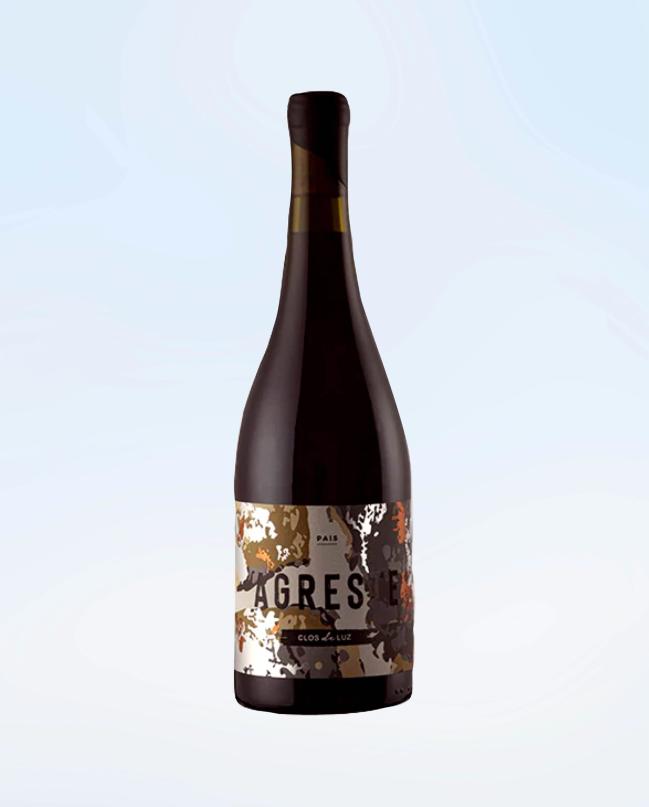
Pais is an historic grape variety in Chile, here harnessed in 80-year-old vines from a small family producer, yielding a bright red cherry colour and palate, low (11.5 per cent) alcohol and a juicy, gluggable vibe.
£21.95; jeroboams.co.uk
Louis Jadot, Château des Jacques, Morgon 2021
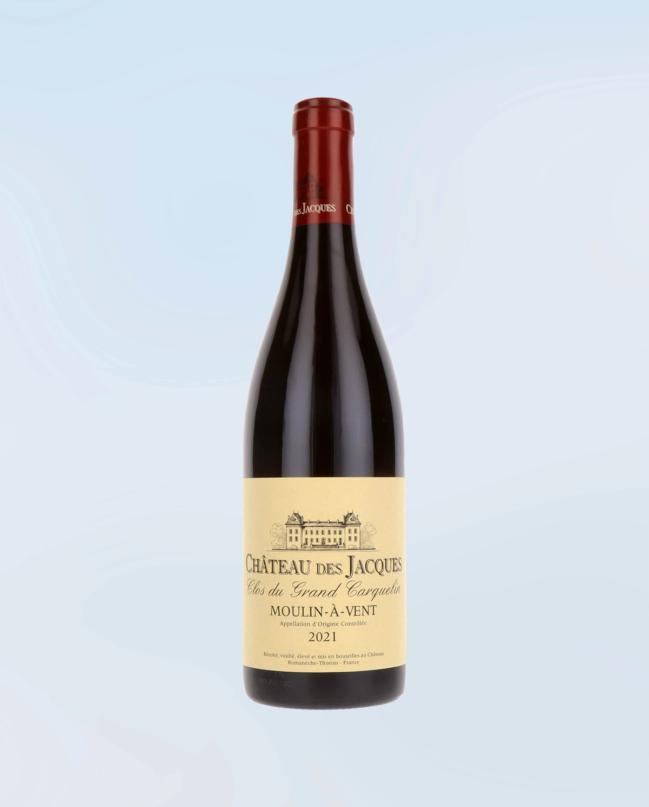
Beaujolais is the classic chilled red — but we’re not talking the cheap and less than cheerful Nouveau style. Instead look to cru beaujolais. Moulin à-Vent is a cru that can yield fairly full-bodied, dark-fruited wines, but this famous cuvée boasts atractive floral, minerally notes that will shine further at a cooler temperature.
£26.50; hedonism.co.uk
Hubert Reyser, Pinot Noir, Alsace 2023
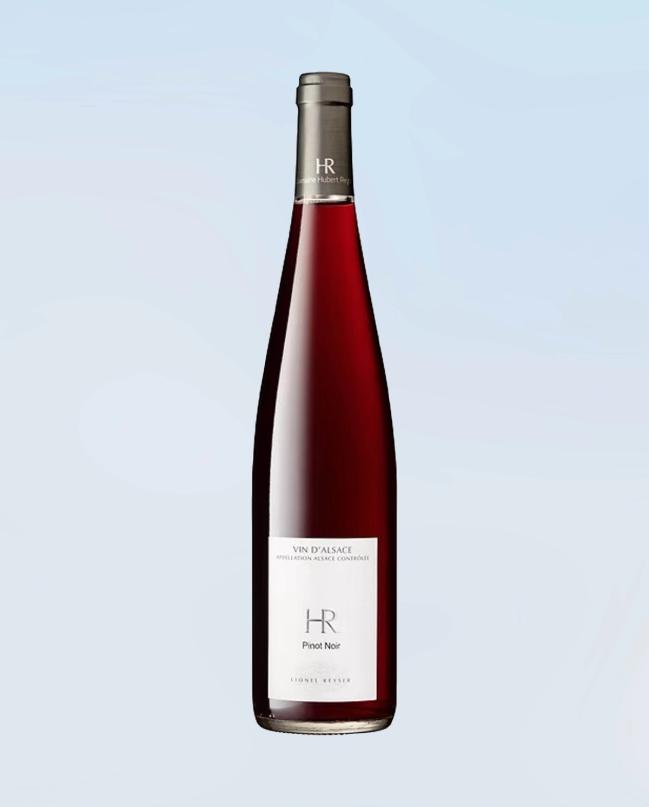
As bright in colour as it is in tone, this harnesses Alsace’s cool climate to yield a pinot of vibrant red fruit — the perfect complement to a spread of charcuterie.
£17.50; wickhamwine.co.uk
This article originally appeeared in Issue 47 of Gentleman's Journal. Read about it here...