Lifestyle -- 13 days ago

The esteemed maison's new Harvest Experience is a vanishingly rare glimpse into the making of champagne
Moët & Chandon don’t usually let people observe their harvest in action, in the same way that magicians don’t want you to know how they did the trick. And magic, really, is the right metaphor here. When old Dom Perignon apparently first concocted this stuff, he wrote to his fellow brothers: “Come quickly: I am tasting stars.” The stars are the bit we all know and feel — it isn’t necessary to observe the nucleosynthesis that forged them (you know, when the hydrogen atoms fuse together into helium nuclei) in order to think they’re really rather lovely with some smoked salmon blinis. And besides, mightn’t some of the joy of the natural, mysterious, near alchemical wine-making process be quashed and lessened by the lifestyle journalist’s rank obsession with facts?
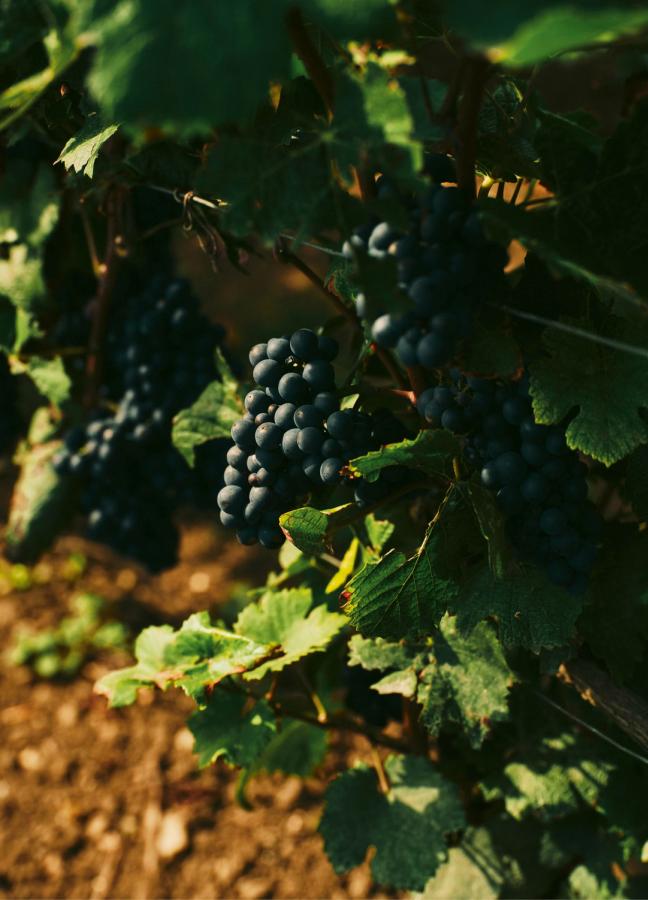
Every single bunch across the estate's 2,840 acres is carefully cut and harvested by hand
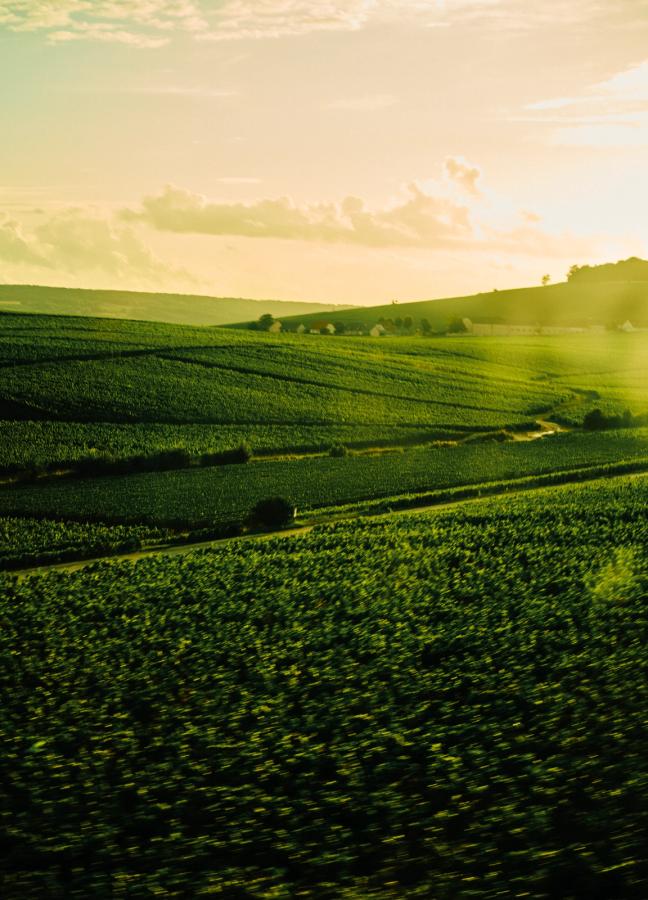
Champagne country: The view from the hills above Fort Chabrol
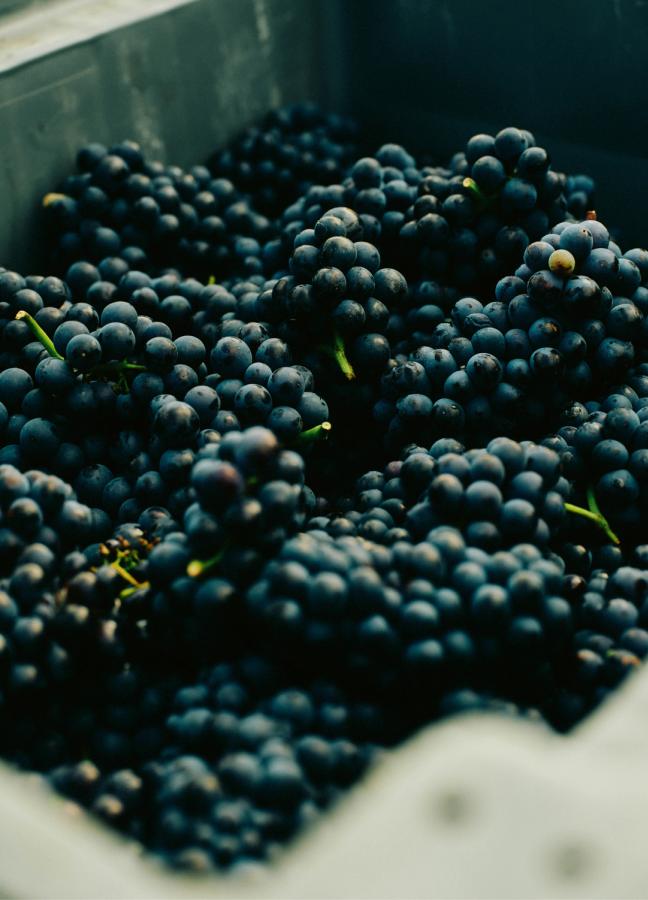
Over 2,000 trained pickers descend on Champagne during the harvest
A few vignettes: on a bright, blue, perfect September morning, photographer Tom Cockram and I drifted away from the Clos at Fort Chabrol — the spiritual centre of the massive harvest — and up a chalky, gently sloping hill. At the top, we were able to see the sheer extent of the vineyards (owned by Moët & Chandon and its many partner growers) that coated the undulating hills of the local area all around us. This is not champagne country. It’s more accurate to say that the country is simply made of champagne. As we trudged, we passed little pockets of harvesters gamely and carefully clipping the chubby bunches of grapes from the vines (everything is done by hand, of course), a skill which I had tried earlier that morning with mixed results and a very sore back. They number around 2,000, and come from all over the planet to enact their task — both precise and gargantuan — and many have been returning to Moët for the harvest for years. They are cheerful in their task and dizzying in their speed.
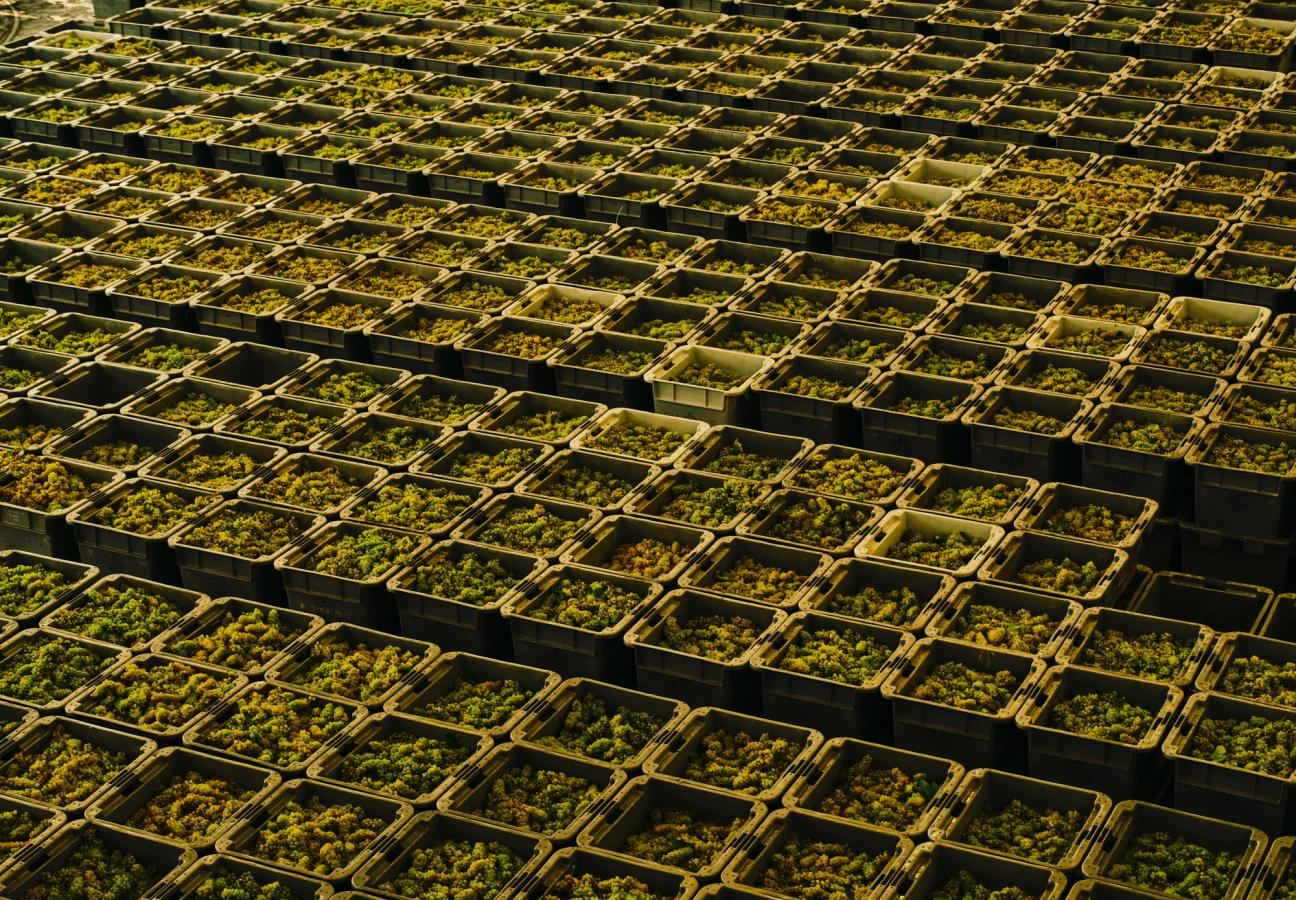
A sea of freshly cut grapes at the Mont-Aigu winemaking centre, ready to be crushed
A little later on, in a sort of mirror image of the hilltop, I found myself deep below the streets of the Avenue de Champagne in Epernay, in a labyrinthine network of fragrant, chalky tunnels, lined with a quite unfathomable amount of glowering black bottles. This is the Maison’s ancient cellar complex, and complex is the correct term: it is, in fact, three storeys of interconnected tunnels, lit at various junctures by soft-glowing lamps, its paths forking off like a maddening country house maze. The tunnels span 28km, sprawling below the unassuming streets above — meaning one could comfortably run a half-marathon down here. (The mid-race refreshments would be quite something.) The temperature sits effortlessly at the crucial 10-to-12-degree range. In its stillness and its vastness, it is a reminder that this is a long game. The complex has sprawled down here since 1869, and some of its bottles are many decades old. They are a liquid history of the house — a record of the inimitable style that has spanned generations, wars, centuries. It is strange and sobering to think that each of these stout old bottles began its life with the snip of a secateur on some distant September morning just like this one.
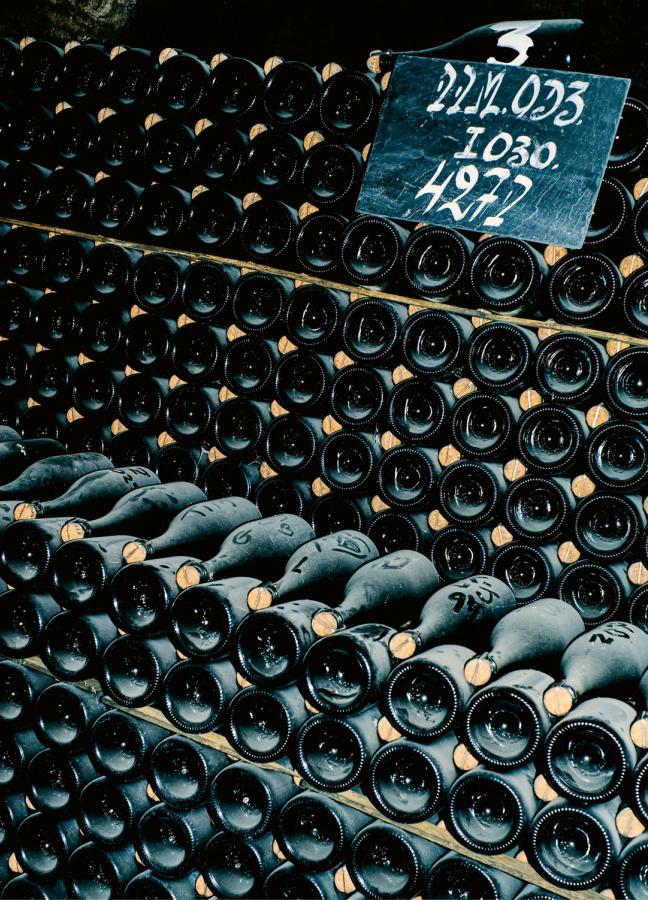
The maison's tunnels below the Avenue de Champagne span 28km — and countless historic vintages
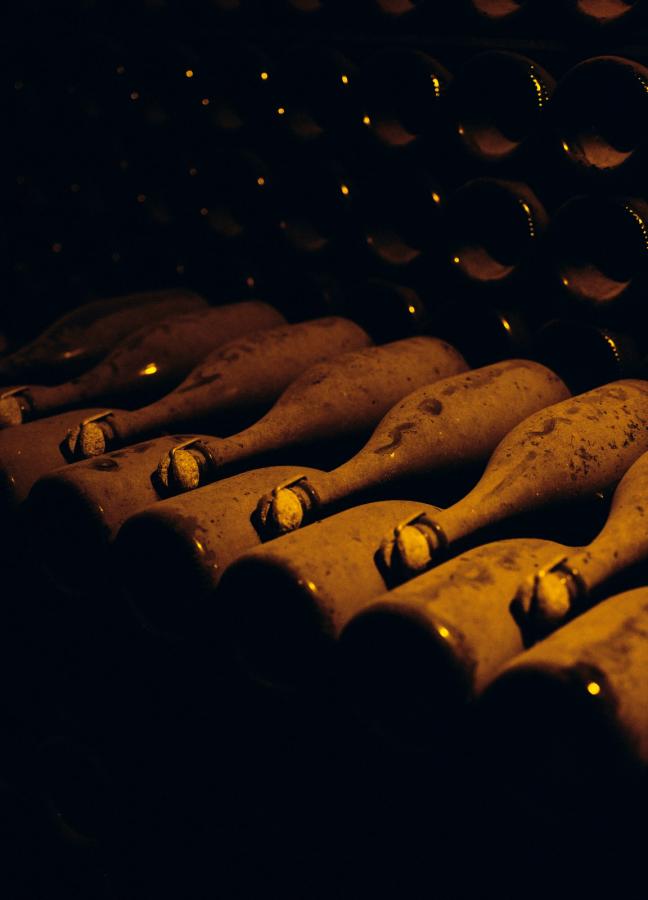
The library of bottles is a liquid history of the house — a record of the inimitable style that has spanned centuries
A little later on, we see grapes that were picked mere hours before — perhaps even some sheared by the Bullmore hand, and all the more flavourful for it, surely — arriving in palettes via trucks and then forklifts, and moved around the warehouse in a strangely mesmeric ballet. Then a pleasing automaton of conveyor belts, robots and widgets transfers these crates up and around to be very gently deposited inside the presses — a juicy cycle of four hours and 30 minutes which extracts the juice from the fruit. To taste this raw juice in the hours and days afterwards is to drink in the pure, raw, life-filled essence of wine — tart, potent, sweet, tongue-smacking; a sort of quintessence of sunlight and grape. One might imagine that the ancient winemakers of the region would have gotten to this point and put their feet up, perhaps at most fermenting it into a kind of jolly, rustic grape cider. The fact that they conspired to go several steps further is one of the little mind-boggles of this place — especially when one considers the facilities in which the wine is crafted today.
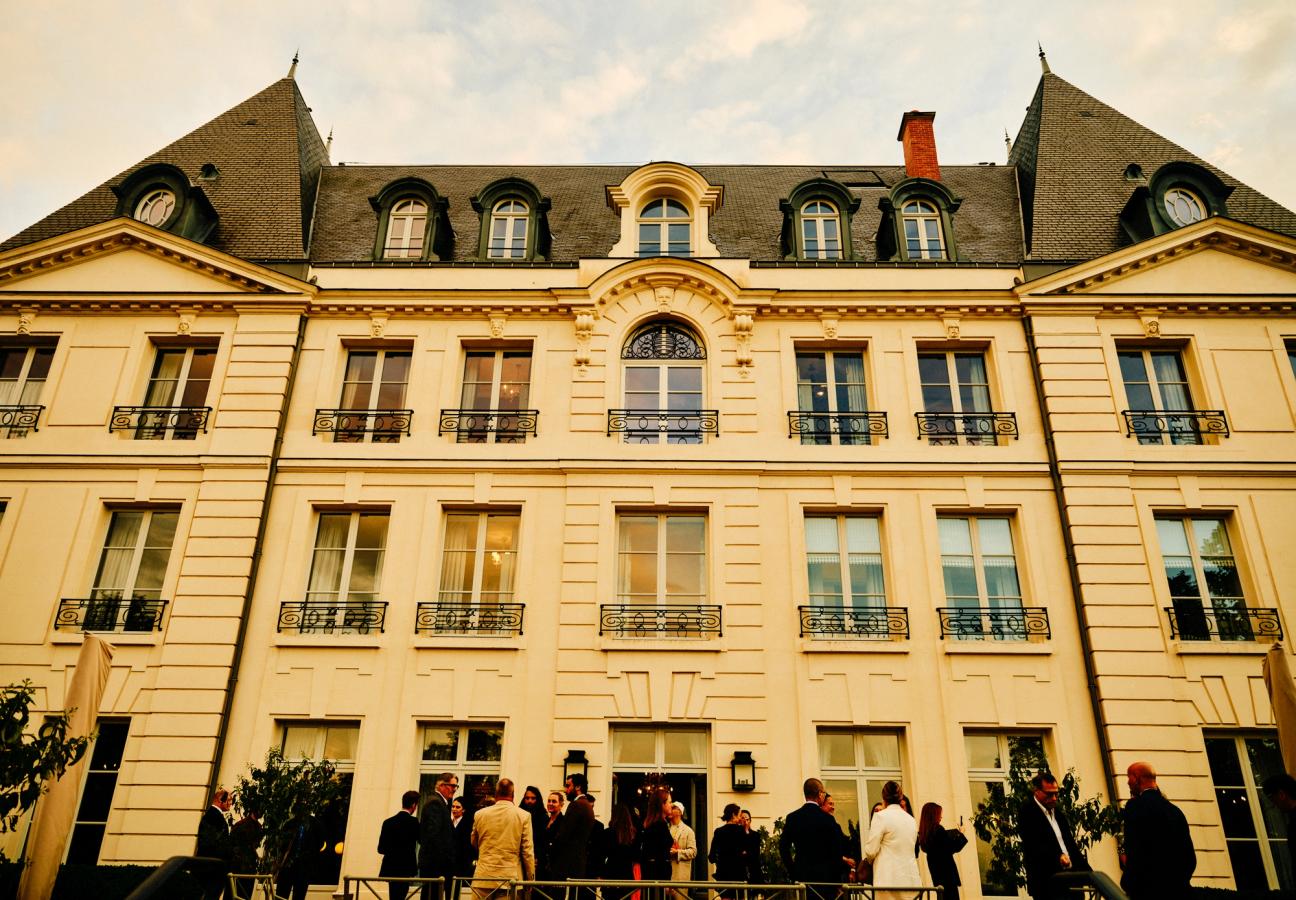
Château de Saran, the maison's architectural jewel in the heart of Champagne
From the outside, Mont Aigu appears as a low, sleek, flat structure, resting atop the grasses of the countryside at a strategic point between the Côte de Blancs, the Vallée de la Marne, and the Montagne de Reims. But to step inside this vast structure is to stumble, one feels, upon a secret, whirring laboratory of advanced alien technology. Dug down deep into the soil so as to stay in harmony with the undulating hillsides, the place opens out before you and beneath you in a splendour of lustrous stainless steel — a beautiful forest of 600 towering tanks beneath a canopy of pipes and valves and soft-clanging walkways. It is a futurist landscape which reminds you of the sheer innovation of the place — the centrifuges, the laboratories, the white coats, the ecological filtration system; the screens with a dizzying array of data flickering and jagging from second to second.
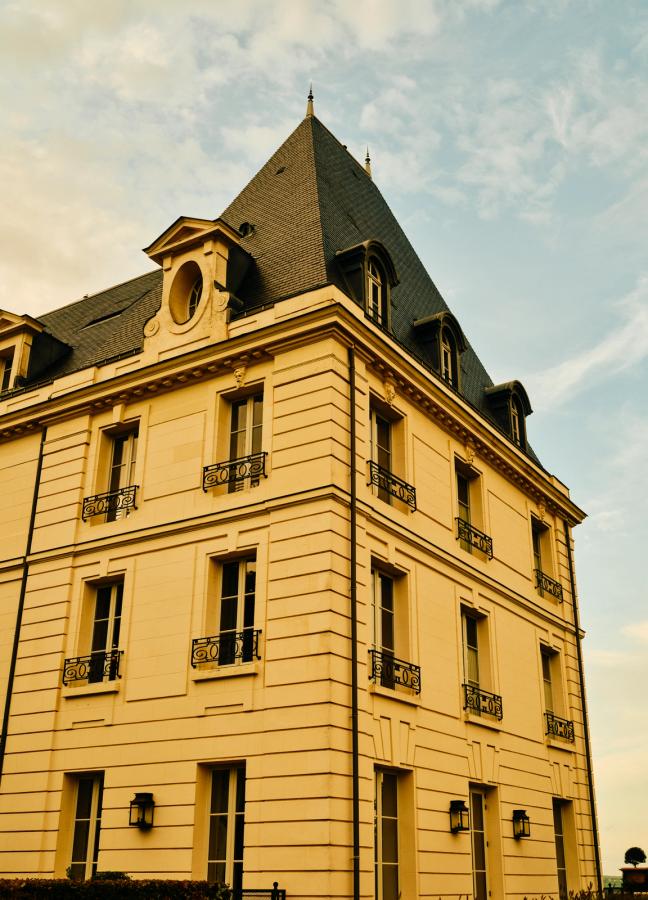
The chateau was built in 1801 for Jean-Remy Moët, grandson of the marque's founder
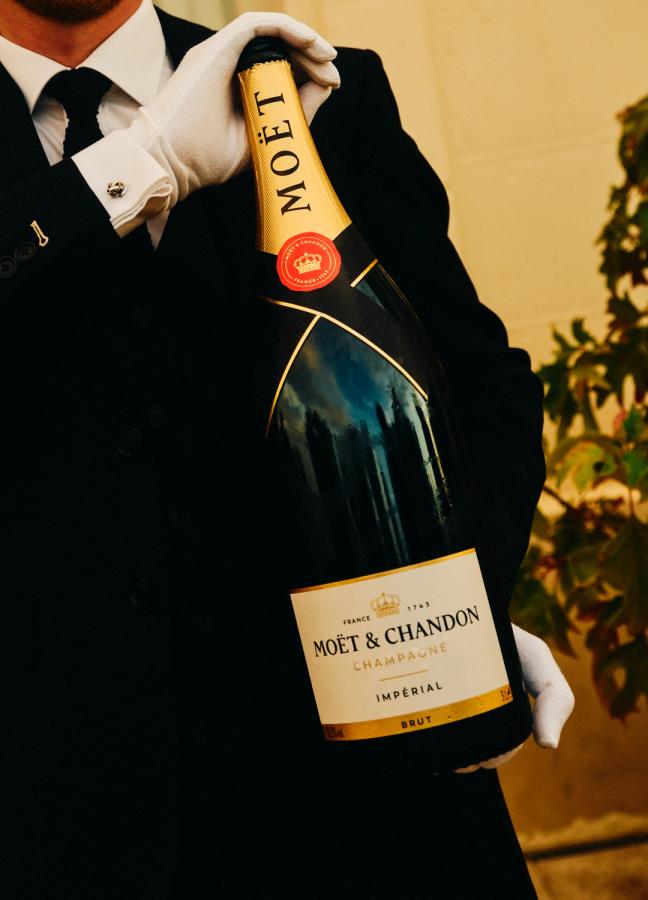
Brut Imperial is the fundamental essence of Moët & Chandon
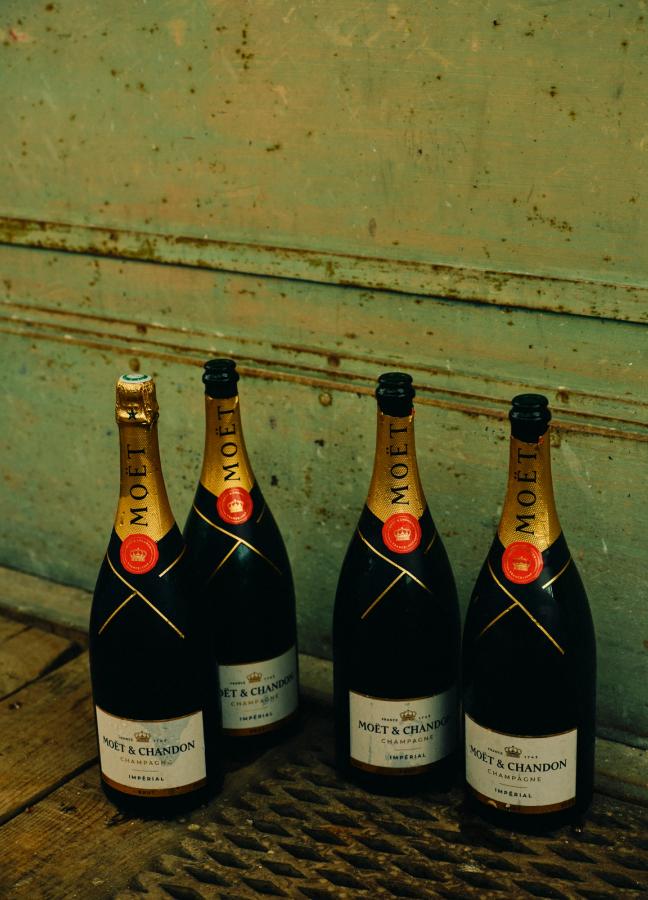
Magnums of liquid gold
The English have no perfect translation of the term ‘savoir-faire’, but I think the complex at Mont Aigu embodies it: timeless ingredients met with cutting-edge methods in pursuit of a higher, nobler art. Standing above the tanks in the bright-green autumn afternoon, it is oddly humbling to think of the tens of thousands of hours — the fret, the care, the precision and the love — that goes unseen into the odd bottle which one grabs from the ice bucket and pops in jubilation; a christening, a new year, a new job, a Thursday. Far from throwing a harsh and exposing light on the beauty of Moët & Chandon, the Harvest Experience reveals more beauties still.
And when it comes time to enjoy the fruits of that labour, these are the Champagnes to gift (and drink) this Christmas.
To receive the latest in style, watches, cars and luxury news, plus receive great offers from the world’s greatest brands every Friday.