Next Issue
Issue 1
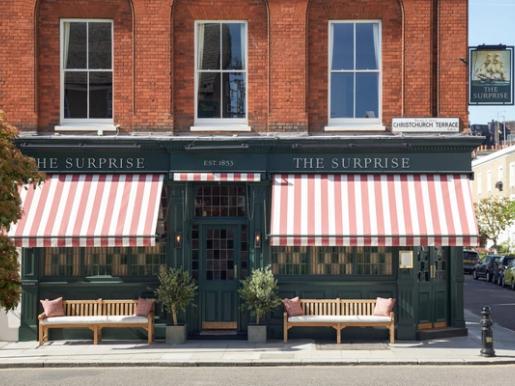
The Five Actually Poshest Pubs in London
With little consultation and even less self awareness, The Times attempted to define London’s poshest pubs. This is a corrective list, affectionate, sceptical, and better informed.

French etiquette expert Hélène Meillard has just released a new book about how not to look uncouth in France, presumably with sections entitled “don’t be English,” and “definitely don’t be English and then try to speak French and also we’re all laughing at you in the kitchen and your wife’s hair.” In ‘Brillez,’ which is apparently an unexpected hit with Meillard’s Gen-Z followers, phrases like “bon appetit” and “enchanté” are deemed coarse, like bad pâté. (On which point: bon appetit!) Etiquette experts are usually an odd, self-appointed bunch. I think there should be an etiquette guide on how to write etiquette guides, with the first chapter being: “So Your Novel Didn’t Work Out, Then?”
Nevertheless, Meillard has some decent points. For one thing, she correctly suggests being 15 minutes late to any dinner party to allow the hosts time to tackle last minute snafus, which means I’ve been accidentally terribly polite all my life, like a stopped clock being right twice a day — which is often my excuse for being late in the first place, actually. C’est la vie! But it did get me thinking which new-ish English phrases we might also wish to ban this year. Listen: it is what it is.
I have noticed this creep into the vernacular of late as a synonym for “pretty good”. Its proper definition is: “related to different generations”, i.e: the reasons your parents could afford a five-bedroom Belgravia townhouse at 30 but you still have a housemate in a one-bed in Fulham are generational. (See also: Central Cee’s usage in the song ‘Sprinter’, which is spot on: “We ain't got generational wealth/ it's only a year that I've had these millions.” Fun fact, actually: he was originally called ‘Generational Gee’).
It does not mean “once in a generation,” i.e, she is a “a truly generational talent”, despite its usage by American sporting pundits and people-in-Notting-Hill-who-have-just-had-quite-a-good-bagel.
As in: “send it” (drink a pint), “going full send” (staying up past 11pm and then feeling very worried the next day) and “are we sending it this weekend, then?”, which is only acceptable if you’re a DHL employee, at which point I commend your overtime work ethic.
Things used to be a bit like other things, but now they're “something-coded”,which is good if you want to sound like a Warwick University media studies lecturer while talking about loaded fries. (“Kebab van-coded”, which someone actually said near me recently). So a political viewpoint might be “Tory-coded,” a good-looking pub is now “Pelican-coded”, and a long-winded, overly judgemental article about bannable phrases is probably quite “gout-coded”, in fairness.
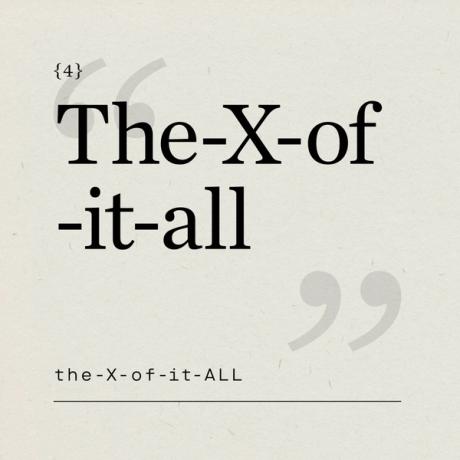
A mainstay of smug American commentary podcasts, this sentence form is a lazy way of shoe-horning a new topic into the conversation, while at the same time implying that the new topic is usefully loaded with shared, prior context and special meaning.
Examples I have heard this week: “and then there’s the Larry Ellison of it all…”; “maybe that’s just the sobriety of it all…”; “shall we talk about the Heathcliff of it all?...”. It’s everywhere now. I look forward to the day soon when someone at The New Yorker says: “and what about the ‘of it all’ of it all?”
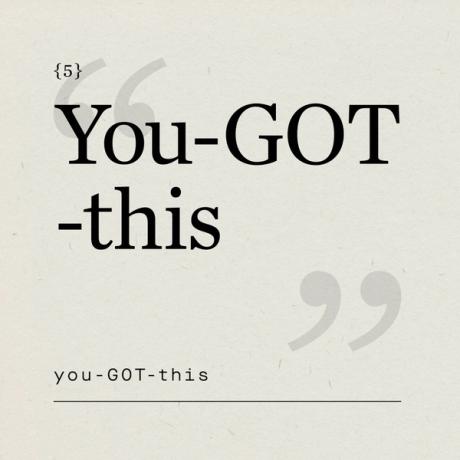
…as a synonym for “good luck” or “you will probably be sufficiently competent in your upcoming presentation.” I recently saw a video of a celebrity saying “you got this” to his wife during labour, as if giving birth is a station at Hyrox. Adidas have also now adopted it as an advertising slogan, slapped across moody photos of perspiring gymnasts and very talented people you too could be like if you just believed in yourself for once and also bought our shoes. It is a dispiriting alternative to Nike’s “Just do it,” which was itself pretty vague, but at least had the pleasing air of a tetchy mother-in-law scolding the wedding planner about a last minute change to the tableplan: “for Christ's sake, Angela, just do it.”
Next Issue
Issue 1
With little consultation and even less self awareness, The Times attempted to define London’s poshest pubs. This is a corrective list, affectionate, sceptical, and better informed.
Don't miss next week
Get The Friday Five and the week's best stories straight to your inbox.