Property -- 16 days ago

A remarkable new collaboration hopes to capture the sonic majesty of the 2008 vintage
What does good champagne sound like? Not the pop of the cork (though is there a finer herald of good times than that?). Nor the fizzle of the foam or the steady sparkle of the bubbles. But on the palate; in the frontal cortex. “Come quickly, I’m tasting stars,” was the closest one of its originators was able to get to summing up champagne’s particular taste, its sensory essence — an example, as much as anything else, of the difficulties of describing the indescribable.
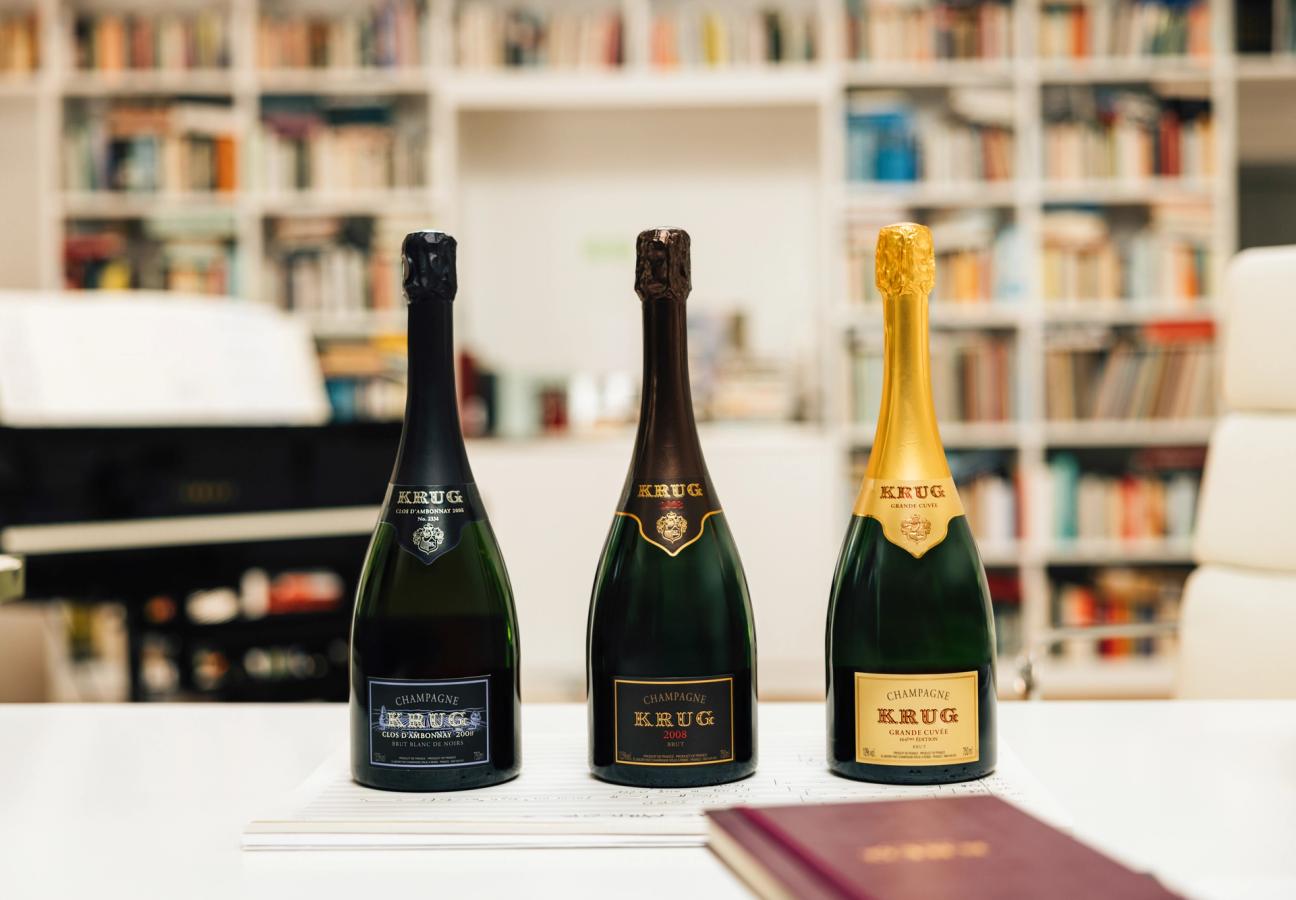
Three distinct expressions from a remarkable year, each interpreted through both wine and music.
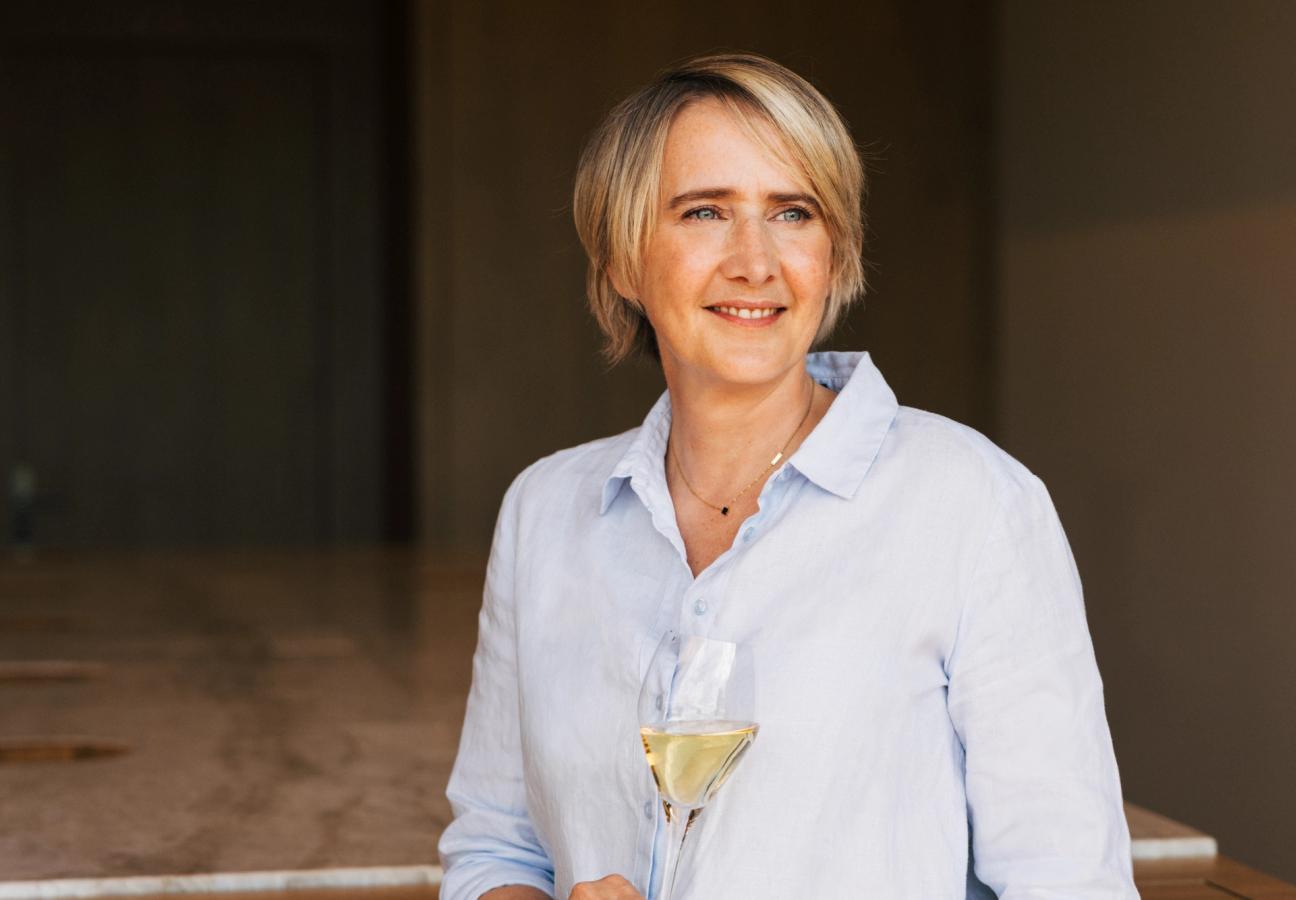
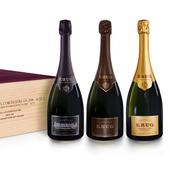
Max Richter is better equipped than most for the challenge. Over 14 studio albums and countless film and television scores (would Hamnet have had its visceral beauty without Richter's strings?) he has soundtracked the lilting spectrum of human experience. Now, in partnership with Krug, he has released a suite of works that attempt somehow to capture the essence of three particular cuvées of champagne from a single year: Krug Clos d’Ambonnay 2008; Krug 2008; and Krug Grand Cuvée 164ème. This was a year, after all, in which “the harvest was described as exceptional and is considered one of the last truly classical northern climate years, marked by cool conditions, balanced contrasts and steady ripenings,” according to Krug Cellar Master Julie Cavil. It is a vintage that is both modern and current — and yet filled with a timeless classicism, she points out. Which might be the perfect descriptor, as it happens, of Richter’s own talent.


But how did the process begin? How do you turn tasting notes into musical ones? Richter began his creative process in the vineyards and the cellars, he says. “In a way, there was a big reservoir of experience to draw on.” The process of composition was like imagining “a parallel text.” Something that isn’t simply “descriptive” of the champagnes — but “also feels like them,” he says. “It’s a multisensory thing. It’s about the light, it's about texture; it's about time, the earth, the wind, the temperature that day; but also history, culture, people, and their intentions.” A great crushing together and blending of different elements and influences, perhaps — like ripe grapes, flushed with sunlight and sugar, being pressed for fermentation. Richter also brought his own memories of Krug to the mix, of course. It is his favourite champagne, and he jokes that all of his children were “Krug babies”.
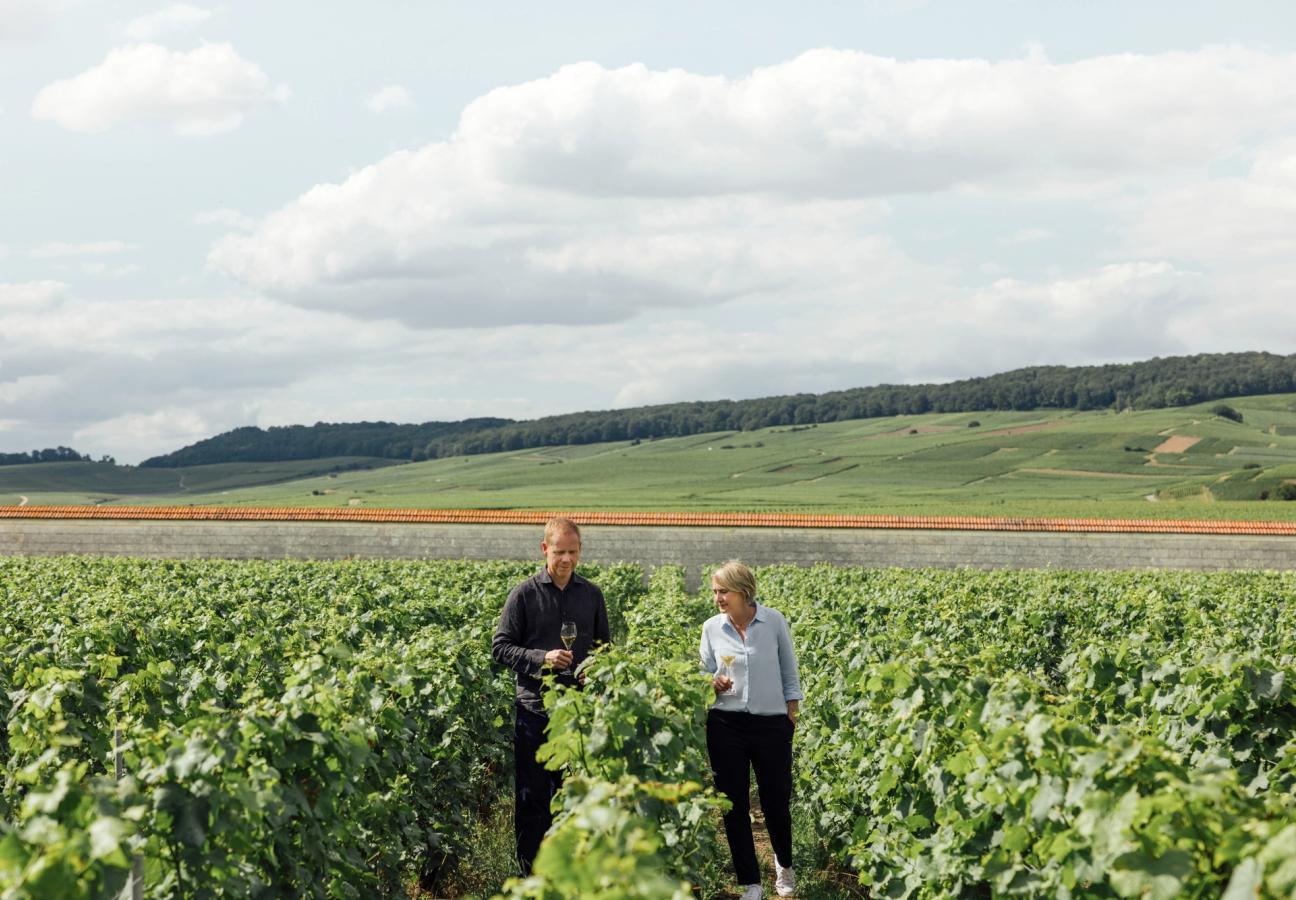
Max Richter and Krug Cellar Master Julie Cavil in the vineyards, where the creative process first took shape.
This melding of so many different elements is clearly a complex task. “Like all creative things, it's quite hard to talk about,” Richter says. “You know, because we just sort of do it and we feel it.” The best way the composer seems able to describe the process is to say that he holds a particular feeling inside his head — and then composes his way towards it. If he feels the work is leading him away from the feeling then he discards it. If the work is pulling him closer to it, he keeps it, and doubles down. Naturally, it is a creative act that takes time. Which is where the parallels with champagne become particularly useful.
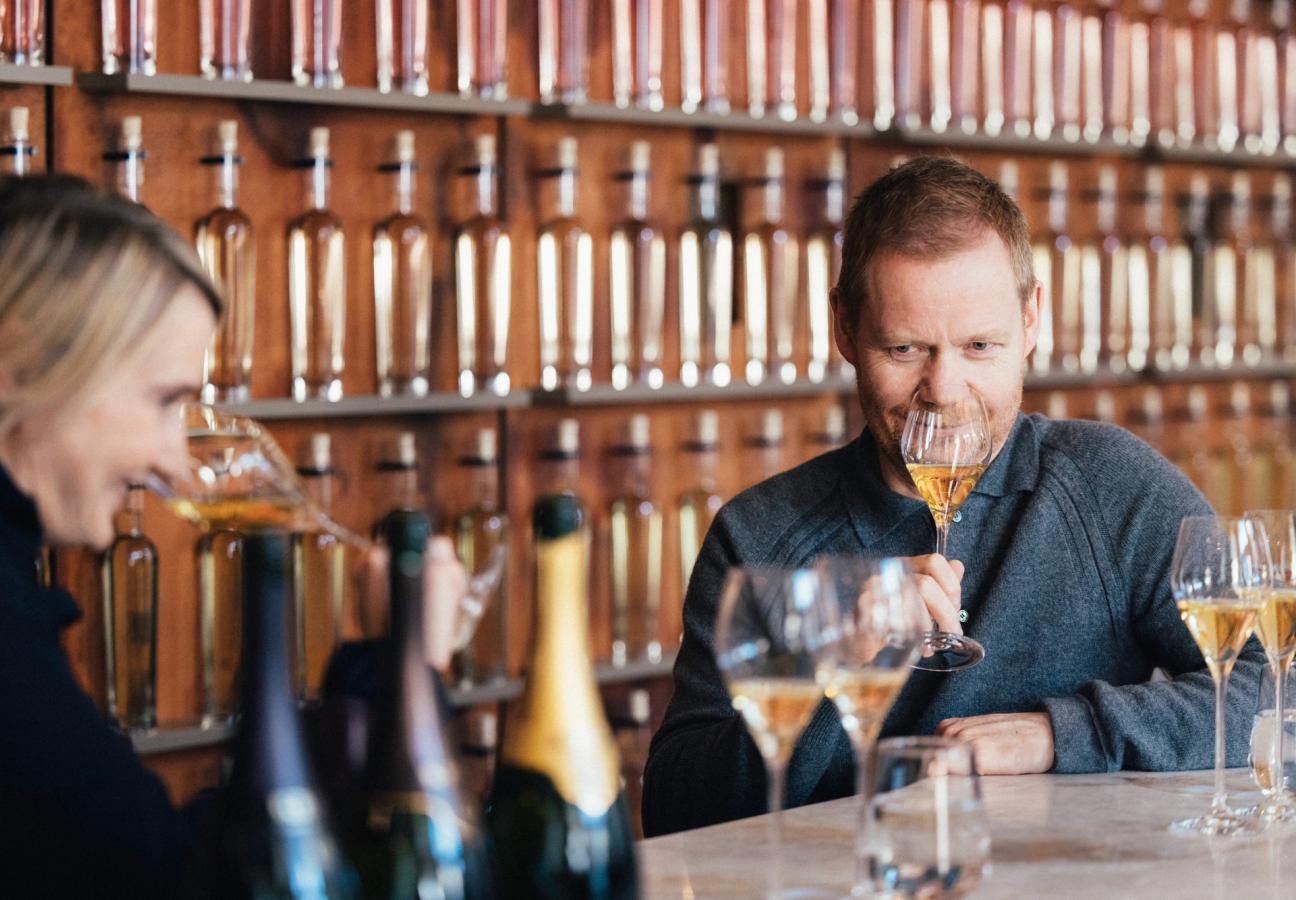
“There are bottles in the cellars there that are hundreds of years old,” Richter says of Krug’s historic maison. “As a cultural practice, [winemaking] is an expression of people in a place over time doing something. They have very specific aims. It's part science, it's part art. But there is a kind of classicism in it.” Like viticulture, he points out, “musical languages are things which have evolved over time.” Mozart might have used the same chord as Richter, but the intervening years — the shared cultural memory and wider context — may make it feel different when laid down in 2026. This is also true of winemaking. Vintages evolve underground and in the bottle, yes — but also when set against what comes before and after them; and the changing sensory elements and moments in which they are drunk.
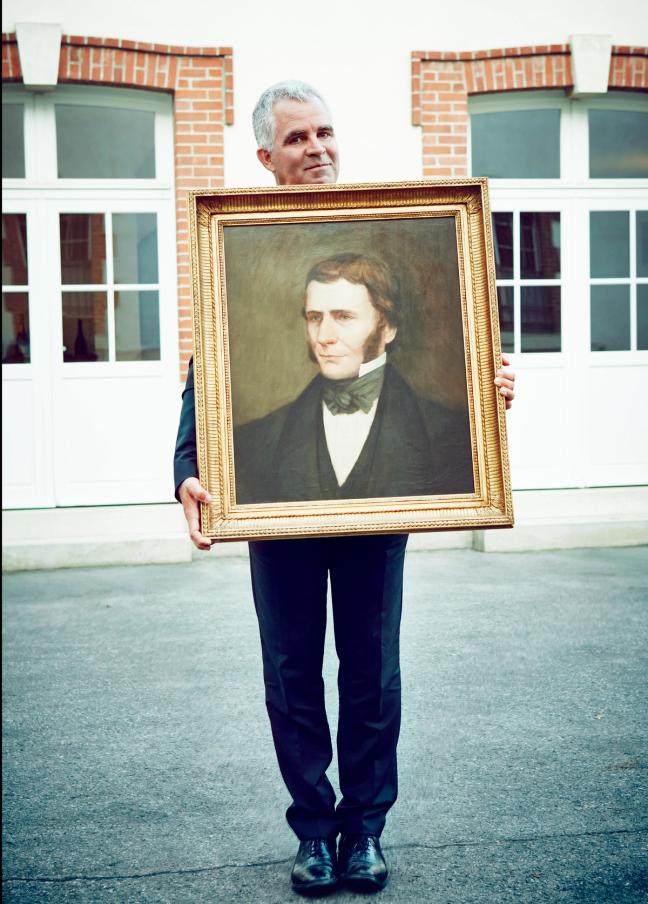
Centuries of craftsmanship underpin the character of each Krug cuvée.
So what does Krug’s particular 2008 sound like? It would be foolhardy to attempt to describe it here, obviously, in tools as blunt as mere words. (Come quickly! I am writing champagne!) But it is worth saying that Richter’s music is as striking, as immediate, as inescapable, as embracing as the wine itself. And like the wine, it doesn’t need much context or education or intellectualising to really come to life, to mean something to an individual. In this way it is simple, almost, as the most beautiful things often are. Which does not mean it is easy — and nor should we want it to be. After all, as Cavil concludes: “nothing is more complex than making things seem effortless.”
Krug
To receive the latest in style, watches, cars and luxury news, plus receive great offers from the world’s greatest brands every Friday.