Food & Drink -- 7 days ago

Glassware matters less than attention, and attention begins before the first sip. Once the palate is awake, how to taste whisky turns into a quiet study of aroma, texture, and finish.
Whisky tasting has been turned into a theatre by people who mistake vocabulary for authority. They swirl as though summoning spirits, announce improbable fruits with the confidence of a man reading a prepared statement, and then look faintly wounded if you admit that to you it smells, mainly, like whisky.
This is all entirely unnecessary. You do not need a trained palate or a leather notebook or the ability to say “mouthfeel” with a straight face. You need time, a little method, and the willingness to notice what is actually there rather than what you think ought to be there.
The aim is simple. You want to understand what is in the glass. You want to find out what you like, and why. You want to learn to separate heat from flavour, sweetness from oak, smoke from spice. You also want to avoid the common beginner’s error of treating whisky like a dare. Whisky is not a duel. It is closer to a conversation. You will get more out of it if you stop trying to win.
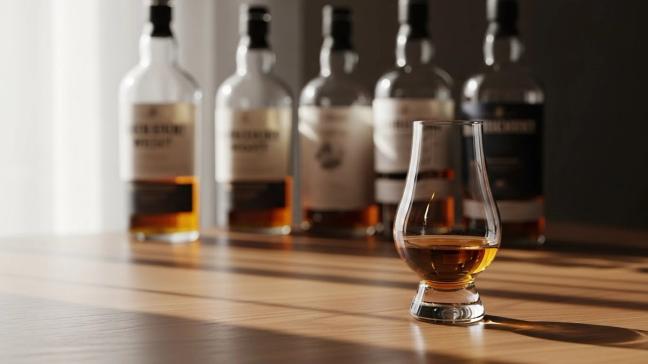
If you are learning, pick a whisky that is friendly. That does not mean bland. It means balanced. Something around 40 to 46 per cent is a sensible start. If you go straight to cask strength, you will taste mostly alcohol and pride. You will also learn very little, except that your sinuses have limits.
Choose one style at first. A gentle Speyside or Highland malt can be a useful baseline. A good, blended whisky can also work. It is often designed to be coherent and approachable. If you want peat, choose a lightly peated expression first. Peat can be magnificent, but it can also dominate the room like an opinionated guest at dinner.
If you can, taste the same whisky more than once over a week. Repetition is how you learn. One dramatic session teaches far less than a few quiet ones.
Your environment matters more than most people admit. Whisky is aromatic, and aroma is easily bullied. Avoid strong cooking smells, scented candles, heavy aftershave, and rooms filled with flowers that are doing far too much. Find somewhere calm. Good light helps. Silence helps too, or at least something that does not demand your attention.
Do not taste right after brushing your teeth. Mint will ruin your evening. Do not taste right after chilli. It will ruin your sense of self. If you have eaten, keep it simple. Bread, cheese, and mild savoury food tend to behave. Very sweet desserts do not.
If a cigar is part of the evening, all the better. Whisky and smoke have an old understanding, provided the cigar has been lit with enough care that it behaves itself and does not dump ash into proceedings like an uninvited opinion.
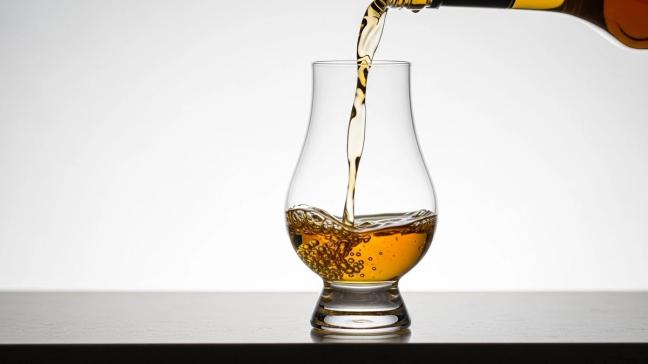
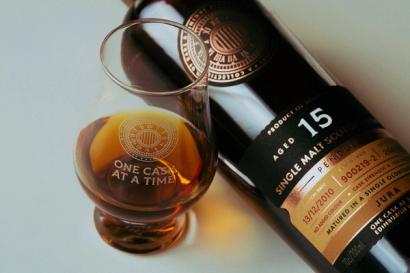
A tumbler looks handsome. It is also a blunt instrument. If you want to taste properly, use a glass that narrows at the top. A Glencairn is the obvious choice. A small wine glass works. So does any tulip-shaped glass that concentrates aromas.
The idea is simple. You want the aromas to gather and rise towards your nose in a controlled way. A wide tumbler lets them escape. It is the olfactory equivalent of holding a conversation in a crowded bar.
Pour a modest measure. You are tasting, not proving something. A small pour also gives you room to swirl without wearing it.
Now do the part almost nobody does. Wait. Give it a minute or two. Whisky changes with the air. Volatile compounds lift off. Aromas loosen. The alcohol prickle calms a little. If you taste immediately, you often get a harsher impression than the whisky deserves.
While you wait, hold the glass loosely and let it warm slightly. Do not cradle it like a film star. Just let it come up a touch from cellar chill to human reality.
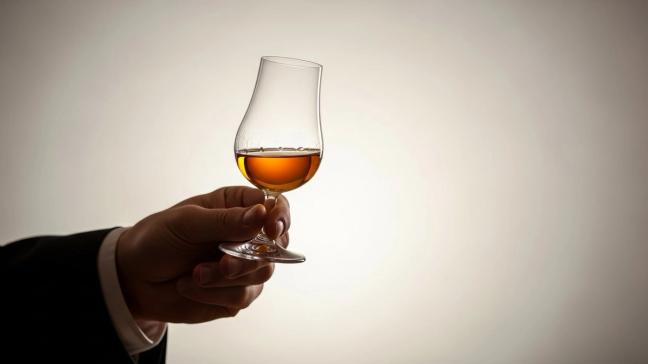
Hold the glass to the light. Notice the colour. It might be pale straw, gold, amber, or something closer to polished mahogany. Colour can hint at cask type, age, and influence. It can also hint at nothing at all. Some whiskies are darker because of the cask. Some are darker because of caramel colouring. Some are filtered. Some are not. Colour is information, but it is not judgment.
Swirl the glass gently and watch the liquid run down the sides. People call these legs. Slower legs can suggest higher alcohol or a richer body. It is not a magic code. Still, it is a useful pause before you move to the nose.
Most beginners nose whisky the way a Labrador investigates a suspicious bag. They shove their nose into the glass and inhale deeply, then wonder why everything now smells like ethanol and poor decisions.
Bring the glass towards your nose and take short, gentle sniffs. Keep your mouth slightly open. This reduces the burn and helps you perceive aroma more clearly. Move the glass a little. The top rim can deliver different notes from the centre.
Try each nostril separately. It sounds ridiculous. It also works. You may notice sweetness on one side and smoke or spice on the other. Your nose is not perfectly symmetrical, and neither is whisky.
At first, aim for broad categories. Is it fruity? Is it sweet? Is it floral? Is it spicy? Is there smoke? Is there something cereal-like, like malt or porridge oats? Is there vanilla or caramel? Is there dried fruit, nuts, chocolate, coffee, citrus peel, or honey?
Avoid the trap of forcing yourself to name exotic things. You are not required to identify quince paste from a specific region. If it smells like stewed apples, say stewed apples. If it smells like orange marmalade, say orange marmalade. If it smells like new leather, smoke, sea air, or damp earth, say that. Your job is accuracy, not sophistication.
If you struggle, compare it to things you know. Fresh apple versus baked apple. Lemon zest versus lemon sweets. Vanilla pod versus vanilla ice cream. Smoke from a fireplace versus smoke from a barbecue. These comparisons build a mental library.
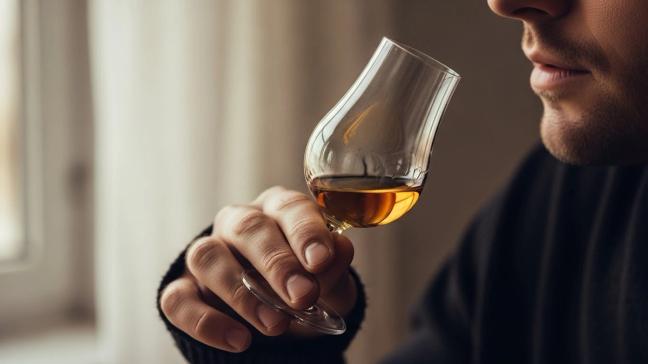
Now taste. Take a small sip, then hold it. Do not swallow immediately. Let it coat your tongue and move slowly around your mouth. You are looking for flavour, texture, and balance.
Notice what hits first. Some whiskies lead with sweetness. Some lead with spice. Some lead with smoke. Some lead with oak. Notice the texture. Is it light? Is it oily? Is it creamy? Does it feel dry, like tannins from tea, or does it feel plush?
The first sip can be confusing. Your palate is adjusting. Alcohol can mask subtleties until you settle. Take a second, small sip after a brief pause. You will often taste more clearly the second time.
If you feel a strong burn, slow down. It does not mean the whisky is bad. It may mean it is high strength, or that you are new to it, or that you nosed too deeply and your senses are on the defensive.
This is where tasting becomes useful instead of vague. Alcohol heat is a sensation. Flavour is information. They often arrive together, and beginners confuse the two.
Ask yourself what you taste beneath the warmth. Is the sweetness like honey? Is it more like caramel? Is there fruit? Is it fresh fruit or dried fruit? Is there spice like cinnamon, clove, or black pepper? Is there nuttiness? Is there bitterness from oak? Is there chocolate or coffee? Is there saltiness or a sea-spray character? Is there smoke, and if so, is it medicinal, earthy, ashy, or like a wood fir?
Take notes if it helps. Notes are not pretentious. They are memory aids. A simple sentence is enough.
“Sweet at first, then pepper and oak, then a smoky finish."
That is a real tasting note. It is also far more useful than a paragraph about “autumnal melancholy.”
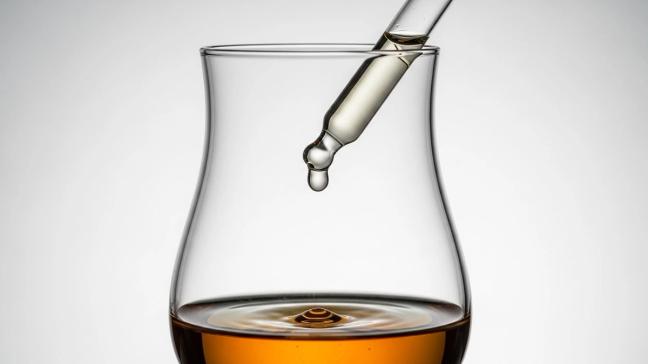
Water is not cheating. It is how many distillers and blenders taste their own whisky. A few drops can change everything. It can open aromas, reduce burn, and reveal flavours that were hiding behind alcohol.
Add a few drops at a time. Taste again. Nose again. Do not pour in a third of a glass of water and then complain it tastes thin. Use room temperature water. Avoid sparkling water. Bubbles can distort aroma and texture.
Some whiskies become fruitier with water. Some become creamier. Some become spicier. Some reveal smoke that was not obvious. Some collapse and become dull. That is useful to know, because it tells you how the whisky is built.
If you have a dropper, use it. If you do not, a teaspoon is fine. Just go slowly.
The finish is what remains after you swallow. A good finish lingers. It evolves. It might move from sweetness to spice, or from smoke to citrus, or from fruit to chocolate. It might leave warmth in the chest, or dryness on the tongue, or a pleasant salty tang.
Think about length. Short finishes vanish quickly. Medium finishes hang around. Long finishes stay with you like a conversation you will reference later.
Also, notice the quality. A finish can be long but unpleasant. It can be bitter, harsh, or overly oaky. A shorter finish can still be elegant. Length is not everything. It is simply one part of the picture.
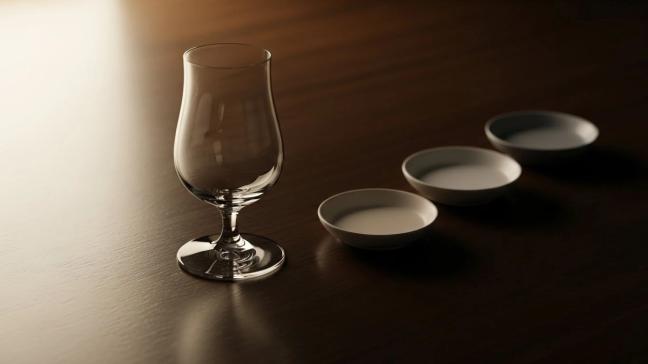
If you want structure, use three headings in your mind. Nose. Palate. Finish.
On the nose, you are describing aroma families. On the palate, you are describing flavour and texture. In the end, you are describing what remains and how it changes.
This keeps you honest. It also keeps you from babbling. Whisky does not need babble. It needs attention.
If you want to go one step further, consider balance. Ask whether the sweetness, spice, smoke, and oak feel in proportion. A great whisky is rarely just one thing. It is a set of elements held together with discipline.
If you want to learn quickly, taste two whiskies side by side. Contrast is the fastest teacher. A lightly peated whisky next to an unpeated one makes the smoke obvious. A bourbon cask whisky next to a sherry cask whisky makes vanilla and dried fruit easier to spot. A whisky at 40 per cent next to one at 55 per cent shows you what strength does to aroma and texture.
Keep pours small. Keep your pace slow. Drink water. If you are tasting more than two or three whiskies, take breaks. Sensory fatigue is real. After a while, everything tastes like alcohol and self-confidence.
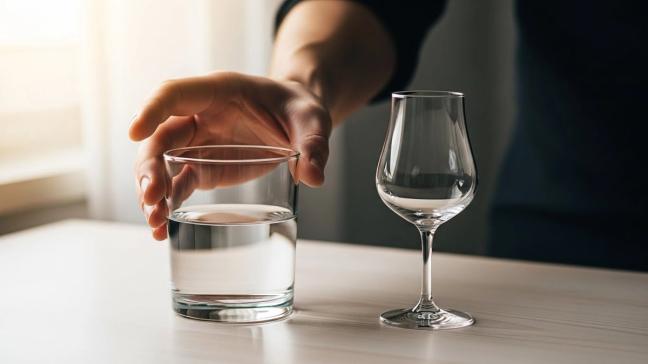
Between sips, take a sip of water. If you need food, use something plain. Bread and simple crackers work. Avoid salty crisps. Avoid spicy snacks. Avoid strong cheese during the tasting itself. Those flavours bulldoze the subtle notes and leave you chasing ghosts.
If your mouth feels dry, pause. Dryness can distort perception. A whisky that seems harsh might simply be meeting a dehydrated palate.
The first mistake is rushing. Whisky opens with air and time. Your palate also settles with time. Slow down.
The second mistake is chasing the burn. Beginners sometimes treat the burn as proof. It is not. It is just alcohol doing what alcohol does. If you want to taste, you must get past it.
The third mistake is letting other people write your experience. Tasting notes can be helpful, but they can also plant ideas in your head. Taste first. Read later. Otherwise, you will find yourself “detecting” flavours because you were told to.
The fourth mistake is thinking you need to be clever. You do not. Clear, plain language is better. If you taste a pear, say pear. If you taste smoke, say smoke. If you taste something you cannot name, describe the feeling. Is it fresh? Is it dusty? Is it herbal? Is it sharp? Is it sweet?
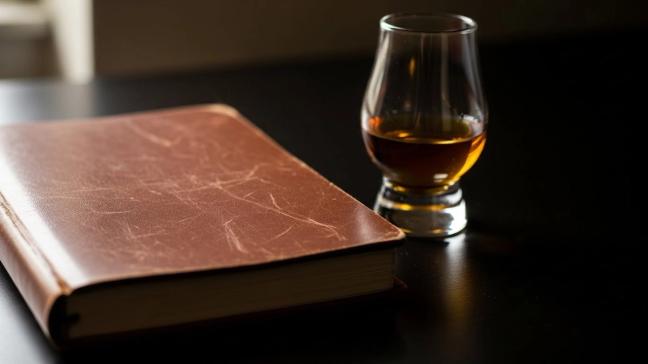
Palate training is not mystical. It is repetition, reference points, and attention. Smell things as you cook. Taste fruit and notice the difference between fresh and dried. Smell spices. Taste dark chocolate, honey, roasted nuts, coffee, and citrus peel. These become anchors.
When you taste whisky, go back to those anchors. “This is like orange zest.” “This is like toasted almond.” “This is like vanilla and cinnamon.” You are building a vocabulary. Not a performative one. A useful one.
Try revisiting the same whisky after a month. You may be surprised. Either the whisky has changed in your perception, or you have, which is the more interesting option.
You can drink whisky however you like. Ice makes whisky colder and dulls the aroma. It also dilutes it as it melts. For formal tasting, avoid ice. For drinking, do what suits the moment.
Cocktails are not a betrayal. There is another way to enjoy whisky. Just do not pretend you are tasting the whisky itself when it is wrapped in citrus, sugar, and theatrics.
If the goal is tasting, keep it neat, then add water carefully. If the goal is pleasure, do what you please and do it with confidence.
If you want a companion that does not shout over the whisky, a cigar is the more venerable option. The two have been conducting a quiet alliance for centuries, and the pairing works because both demand the same thing from you. That you sit still and pay attention for longer than modern life usually permits.
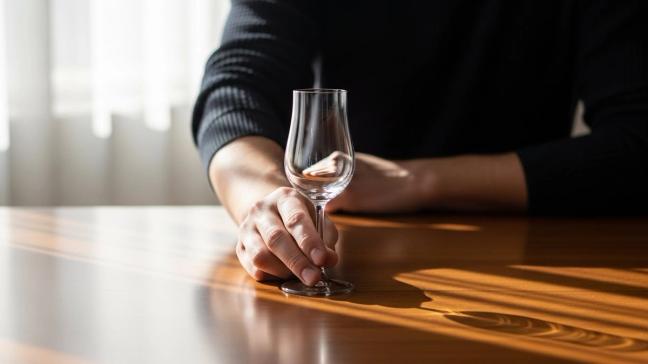
Pour a small amount into a glass that narrows at the top. Let it sit for a minute. Look at it, then nose it gently in short sniffs. Take a small sip and hold it in your mouth. Notice flavour and texture. Take a second sip. Add a few drops of water and repeat. Pay attention to the finish. Write down what you notice. Compare whiskies when you can. Slow down.
That is the whole practice. No theatrics. No intimidation. Just a sensible method and a little time.
You will find that whisky rewards this approach. It becomes less about proving something and more about noticing something. And that, in the end, is the only sort of expertise worth having.
To receive the latest in style, watches, cars and luxury news, plus receive great offers from the world’s greatest brands every Friday.