Food & Drink -- 9 days ago
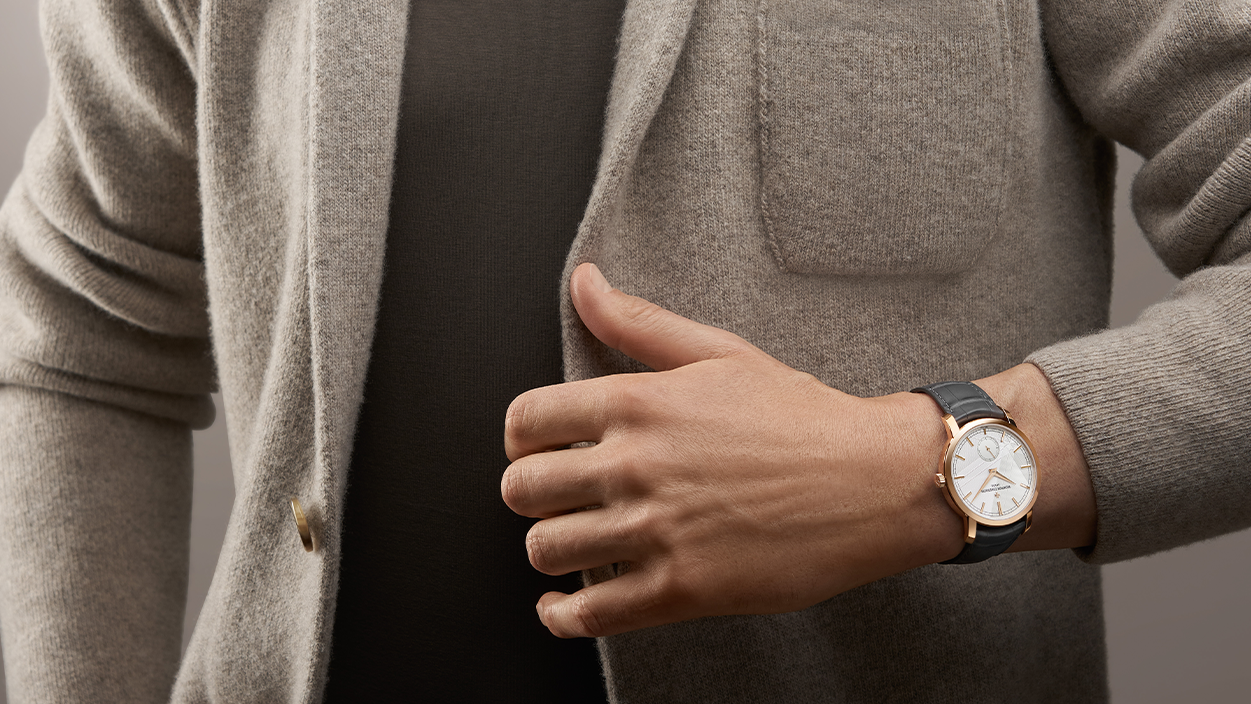
Business casual for men is dead, and good riddance. In its place comes a return to clarity: clothes with shape, purpose and a sense of occasion that workwear long forgot.
I realised business casual had finally expired somewhere between Miami International Airport and Heathrow Terminal 5. One moment, I was surrounded by men wearing linen shirts unbuttoned to their midriff and sunglasses so large they could receive satellite signals. Next, I was in a lounge full of British executives who looked as though they had dressed via committee, with chinos of varying enthusiasm, an ocean of navy quarter-zips, and the quiet despair of a people who’d been told that “relaxed elegance” was a dress code.
If the twentieth century taught men how to dress for work, the twenty-first has taught them how to escape from it, and nowhere is that lesson more visible than in the carcass of business casual. It hasn’t been murdered exactly; rather, it has died the way institutions always do, smothered by the good intentions of its own beneficiaries.
My travels this year, part curiosity and part anthropological duty, took me through five cities. In each, I witnessed a different stage of the demise. What I discovered is that business casual is not so much a look as a global language that has lost its grammar.
Miami was the obvious place to begin.
In Miami, the concept of “business” has always had flexible borders and “casual” even looser ones. The local climate insists on humidity; the local culture insists on visibility; the combination produces an aesthetic best summarised as tan lines and tax efficiency.
At a breakfast meeting, really mimosas before noon, a developer in a coral linen suit informed me that “ties are trauma.” His shirt was unbuttoned to a depth that would make a bishop blush, and a gold chain winked in the sunlight with all the subtlety of a PowerPoint transition. Behind him, a billboard advertised Elysium Residences; the model on it was dressed identically.
In Miami, one doesn’t so much wear business casual as perform it. Linen trousers, loafers without socks, a half-million-dollar watch timed to the sunset; each element is part of a grand narrative of lifestyle liquidity. The men aren’t dressing for meetings; they’re dressing for the yacht that will host the meeting after the meeting.
And yet it works. The sunshine, the humidity, and the air of unrepentant confidence combine to make Miami the natural habitat for post-casual capitalism. Here, dressing down is an act of dominance. You wear comfort because you can afford to.
Back in London, the tone changes from exuberant to apologetic. The city that once ruled the world through tailoring now looks slightly guilty about wearing clothes at all. The ghosts of Savile Row patrol the pavements of the City, tutting softly at a generation that has mistaken merino knitwear for ambition.
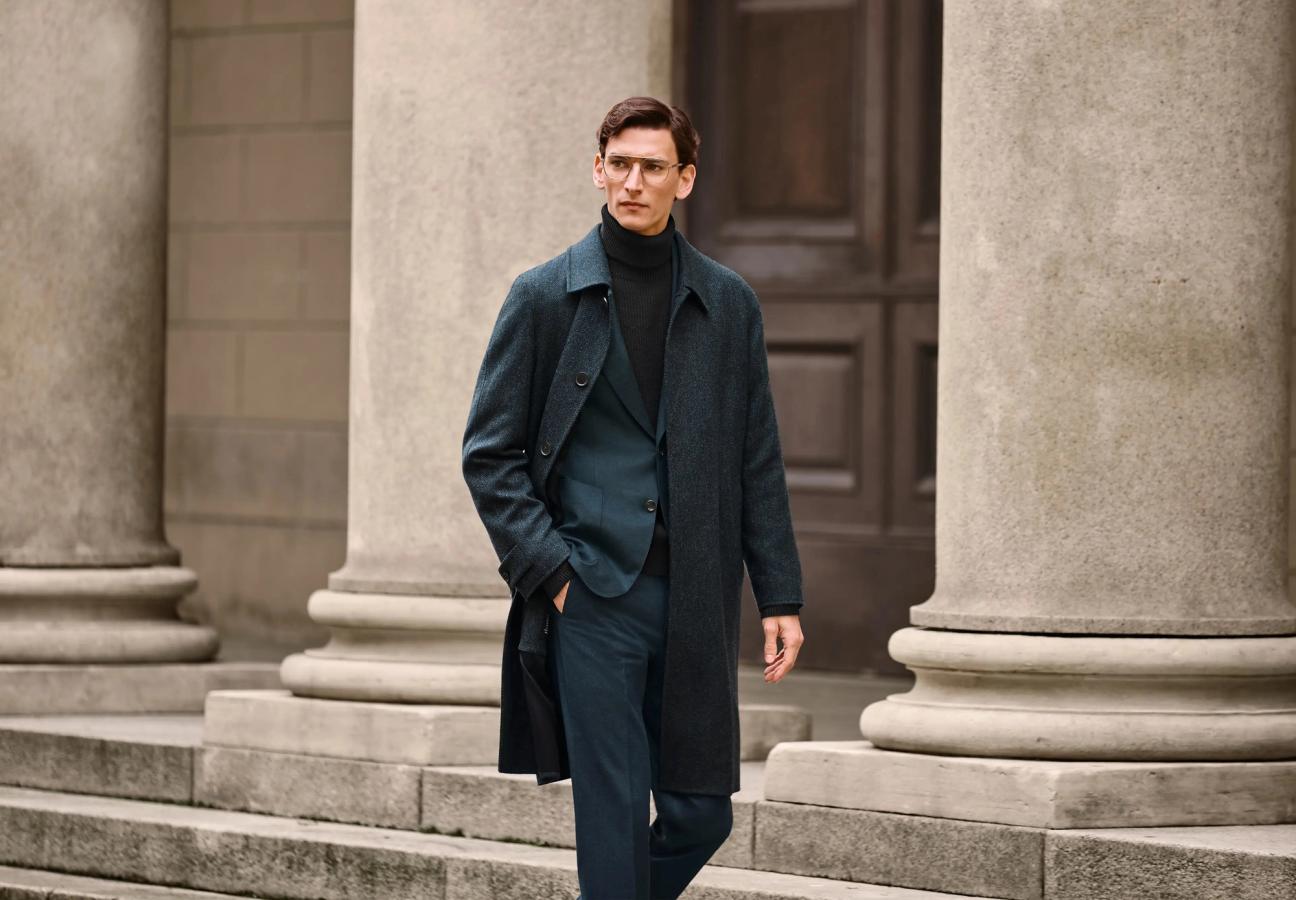
In the Square Mile, I watched men in half-zipped quarter-neck jumpers debate derivatives, each looking as though they had dressed during a minor fire. Trainers have infiltrated boardrooms, often paired with trousers whose relationship to the iron is purely theoretical.
A banker friend confided that he’d sold his suits because “clients want authenticity.” In London, authenticity means expensive clothes that look as if they’ve survived a gentle mugging. Savile Row itself resembles a venerable library where everyone is experimenting with e-books. A cutter whispered about “stretch fabrics” and “mobility panels,” as though tailoring were an Olympic event.
Still, the city’s anxiety produces moments of brilliance. A barrister I know has perfected a hybrid look of navy blazer, denim and Church’s loafers; he calls it “procedurally relaxed.” Another acquaintance in advertising swears by cashmere joggers under an overcoat, a combination he describes as “creative discipline.”
What unites them is the suspicion that dressing too well has become gauche. The national instinct for understatement has matured into a collective allergy to polish. The result is an office culture where nobody quite knows whether to apologise for effort or for the lack of it.
If London worries, New York executes. Casualness has been professionalised into a billion-dollar ecosystem of deliberate ease. On arrival, I was met by a sea of monochrome knitwear and the unmistakable scent of Le Labo Santal 33, the olfactory equivalent of an Ivy League degree.
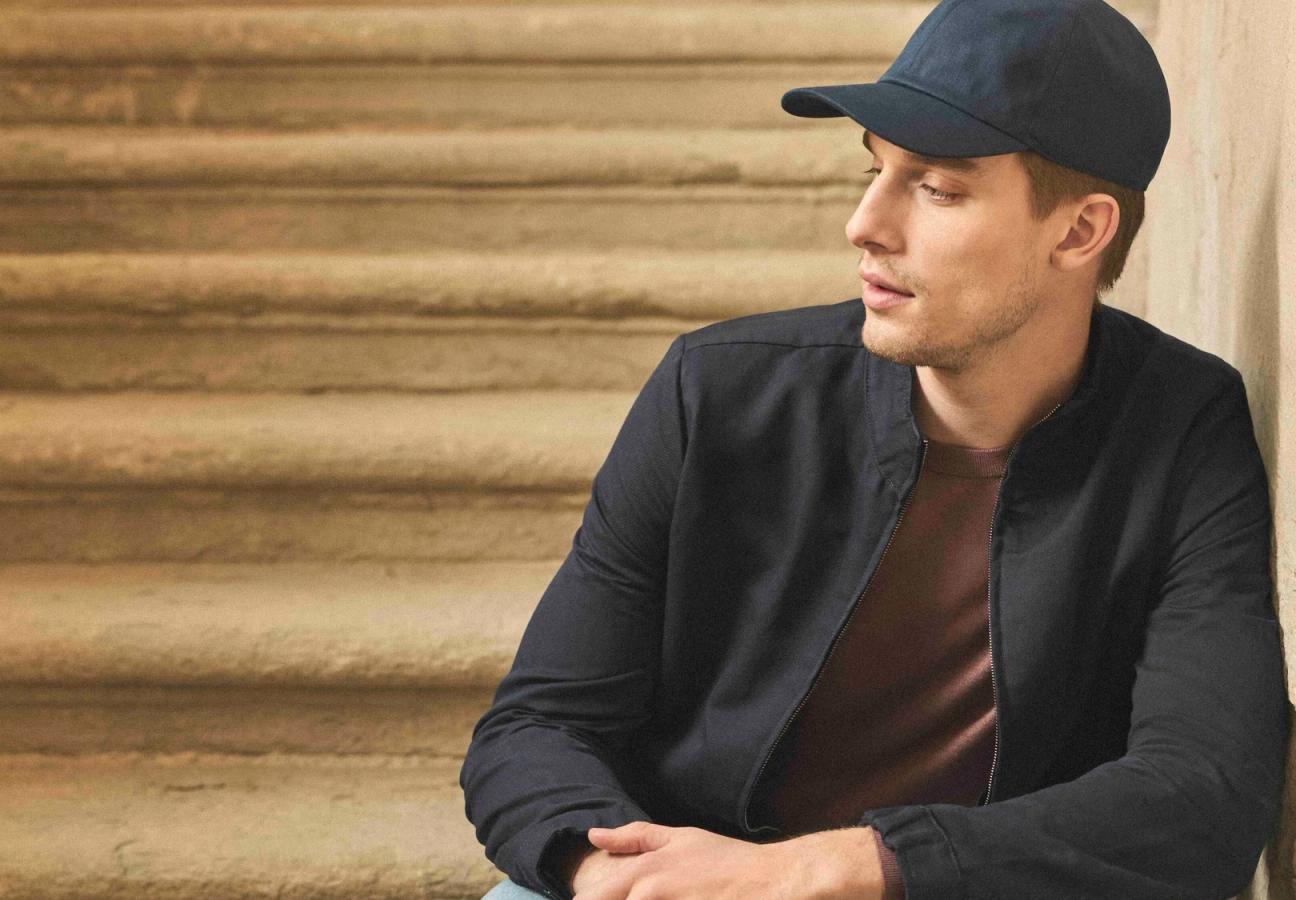
The Patagonia vest has evolved into the Loro Piana hoodie, the startup sneaker into the minimalist trainer by Common Projects. I lunched in SoHo with a venture capitalist whose joggers were so perfectly tailored they could have hosted a TED Talk. His T-shirt bore no logo, which, naturally, was the logo.
“We’re all about mindfulness now,” he told me, as a waiter placed a salad that looked like a idea of lettuce. “Comfort is the new performance.” Only in Manhattan could relaxation require such stamina.
Every WeWork and hotel lobby now resembles a wellness retreat curated by a hedge fund. Men whisper about “intentional fabrics” and “focus palettes.” It’s all very soothing until one realises that behind every calm, neutral outfit lies a calendar humming with anxiety.
New York’s genius is its ability to monetise rebellion. Dressing down here isn’t laziness; it’s strategy. When your hoodie costs more than someone else’s mortgage, you are no longer casual; you are post-formal.
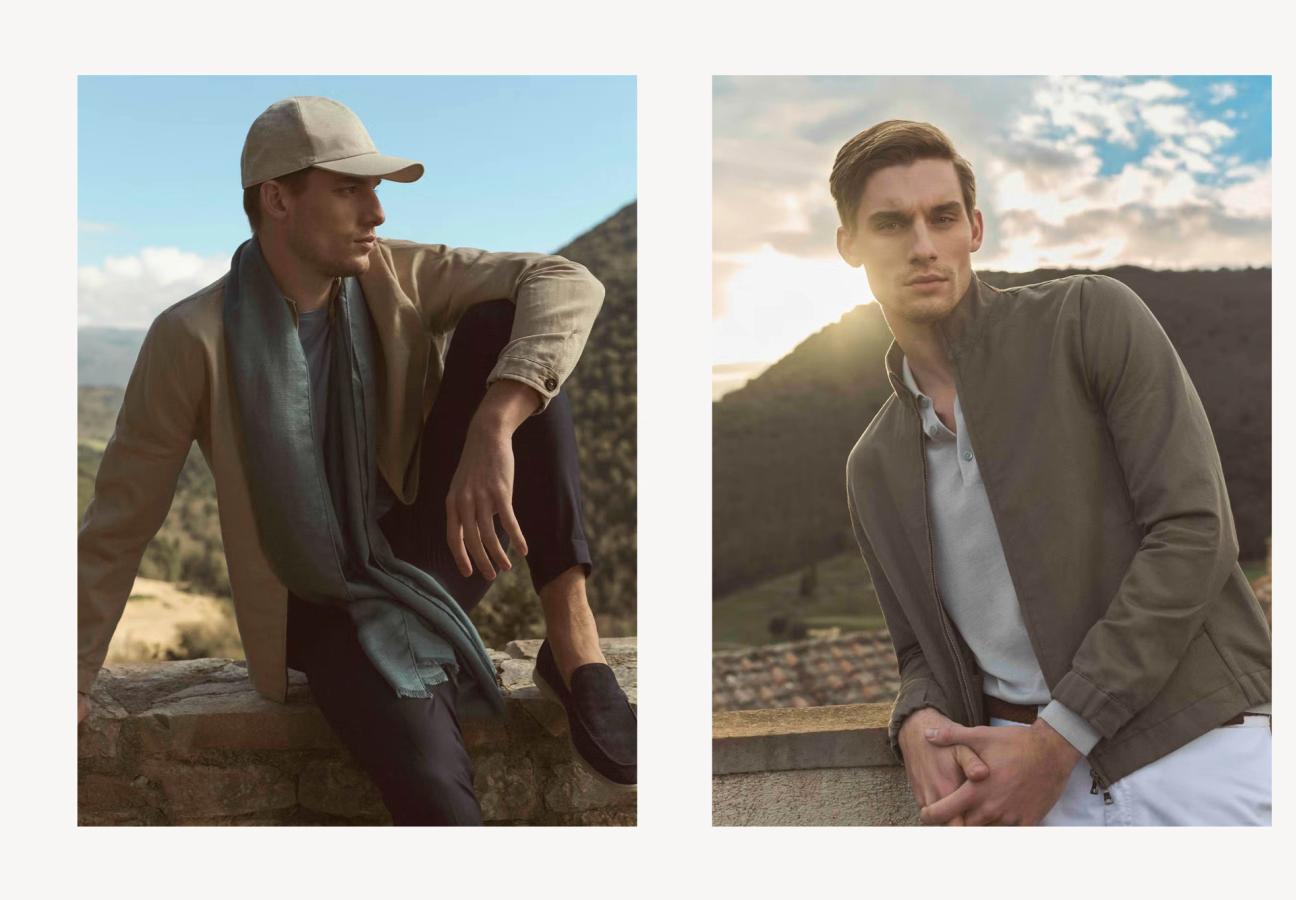
Dubai, of course, does not so much kill trends as embalm them in gold. There, business casual has mutated into a shimmering mirage of success. Comfort, yes, but gilded to the point of irony.
My first meeting was at a café attached to a car showroom. The air-conditioning could have preserved fossils, and every patron wore sunglasses indoors out of professional courtesy. My host, a consultant whose title contained three verbs and no nouns, arrived in a silk shirt of heroic iridescence and loafers encrusted with something geological.
“Dress code?” he said, with mild surprise. “Brother, Dubai is the code.”
Indeed. Fabrics must glisten, brands must be legible, and success must be audible from ten paces. Yet beneath the spectacle lies discipline. Every garment is pressed to within an inch of its fibres. It is formality masquerading as leisure, a desert mirage of diligence.
At the Armani Hotel, I saw a man sign a contract while wearing Gucci sliders. The pen was Montblanc, the handshake impeccable. Business casual, I realised, hadn’t died here; it had merely moved into a penthouse.
Then came Hong Kong, the city that still believes excellence should look deliberate. After the exuberance of Miami and the wellness minimalism of New York, Central felt almost monastic. Here, even casual dressing has a schedule.
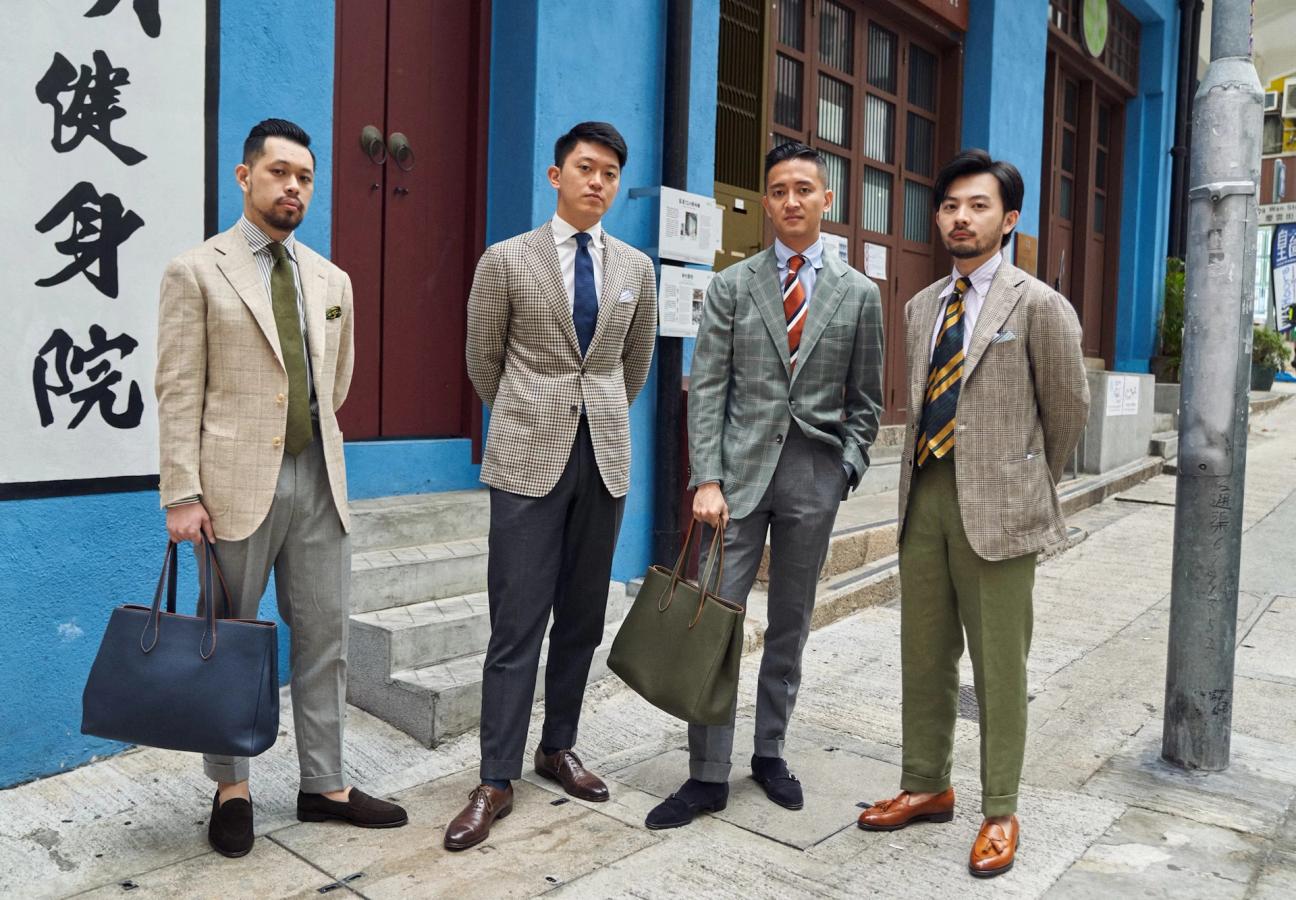
Men glide through IFC Mall in perfectly proportioned chinos and crisp poplin shirts, sneakers immaculate, haircuts capable of dictating time zones. The effect is serene precision. Hong Kong hasn’t abandoned business casual; it has simply edited it.
At The Armoury, temple of refined tailoring, young financiers queued with the same composure others reserve for passport control. Each emerged with a jacket described as “softly structured,” which in Hong Kong translates to “still perfect.”
Over dinner, a friend explained his wardrobe philosophy, which consisted of ten pieces, all interchangeable and all exquisite.
“Efficiency is elegance,”
he said, cutting his steak with the accuracy of a man who schedules dreams.
There is a kind of moral cleanliness in Hong Kong’s style, an understanding that clothing, like commerce, must perform. The result is not flamboyant, nor austere, but balanced, the last functioning democracy of dress.
By the time I returned to Heathrow, I had a conclusion: business casual has not died of natural causes; it has been comforted to death. The pandemic blurred our boundaries, Silicon Valley rewrote our expectations, and luxury brands provided the cashmere-lined evidence.

We tell ourselves we crave authenticity, but what we really want is plausible comfort. The new professional creed is effortless competence at significant expense. A tie is now an artefact, a suit a nostalgic gesture. The modern man prefers the quiet assurance of a £700 polo shirt whispering its pedigree in Egyptian cotton.
Even fragrance has gone minimalist. The sharp colognes of yesteryear have been replaced by sandalwood and ambergris, the olfactory equivalent of speaking softly while carrying a Black Card. We no longer announce ourselves; we emit ourselves.
What replaces business casual is not an outfit but a philosophy, a belief that comfort is credibility. Call it “smart comfort,” call it “quiet luxury;” the principle is the same. Clothing must look as if it has opinions but no agenda.
The modern professional uniform is a study in understatement. Trousers that move like thought, silk-cotton knits that suggest leisure yet bill at consultancy rates. These jackets have forgotten what lapels were for. Everything is soft, neutral, and suspiciously expensive.
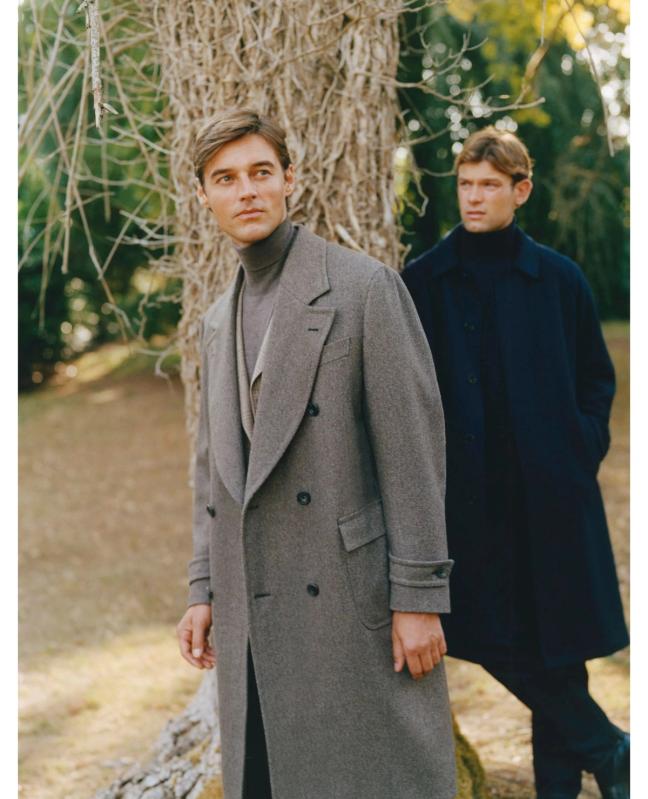
Accessories have followed suit. Watches are slimmer, jewellery quieter, and the old briefcase has evolved into the “weekend tote,” because in our hybrid age, every day is both. The only gleam left is in eyewear, now the male equivalent of punctuation.
It is executive loungewear, the illusion of ease, meticulously engineered. If your ensemble feels like pyjamas but costs the price of a Tuscan holiday, you are the future.
I confess I’ve succumbed. My suitcase, once a travelling museum of collars and cuffs, now holds knit polos and unstructured blazers. I tell myself this is practicality, but it is really surrender. There’s an intoxicating pleasure in garments that neither dig nor demand. One moves through airports like a well-dressed ghost, untethered by creases or conscience.
Still, I miss the discipline of the old ways. A proper suit lent the day a certain narrative arc: you dressed for purpose, you achieved it, you loosened the tie as punctuation. Now we drift from morning to evening in the same immaculate haze, our wardrobes as frictionless as our inboxes. Comfort, I fear, has anaesthetised ambition.
Across Miami’s bronzed bravado, London’s diffident tailoring, New York’s cashmere evangelism, Dubai’s gold-plated informality, and Hong Kong’s immaculate pragmatism, one truth endures. The less we try, the more it costs.
The global professional class has adopted a new religion, “the cult of effortless success.” We dress not to impress but to imply, to suggest competence without perspiration. It is aesthetic diplomacy, smoothing the edges of capitalism with knitwear.
Business casual hasn’t vanished; it has evolved into a state of mind. We are all now employees of the Global Lounge, men who work everywhere and nowhere, emailing from airport clubs in trousers that stretch in four directions. The briefcase is gone, the tie retired, and the only essential accessory is irony.
Perhaps this is progress. Perhaps the decline of stiffness is, in its way, civilised, the final shedding of hierarchy’s starch. Or perhaps it is merely a well-tailored illusion, a civilisation wearing slippers to the stock exchange.
Either way, I raise a glass, linen-clad and collar-free, to the late Business Casual. May he rest in comfort, surrounded by cashmere, survived by his heirs “Smart Comfort” and “Quiet Luxury,” and by our collective hope that no one notices we’ve stopped trying quite so hard.
And if you see me at Heathrow in stretch wool and suede loafers, humming with self-righteous ease, no, you didn’t.
To receive the latest in style, watches, cars and luxury news, plus receive great offers from the world’s greatest brands every Friday.