Style -- 2 days ago

Not every man enjoys shopping, but most appreciate dressing well. Subscription services work best when they understand fit, lifestyle and restraint rather than chasing trends.
Outsourcing taste to strangers who've never seen your wardrobe, and why that might actually work.
The modern gentleman faces a paradox that previous generations were mercifully spared. He possesses more clothing options than any era in human history, fast fashion, slow fashion, sustainable fashion, fashion that arrives from warehouses the size of small principalities within twenty-four hours of clicking purchase, yet somehow owns a wardrobe that makes him feel perpetually underdressed, overdressed, or simply dressed in a manner that suggests he stopped paying attention sometime around 2016.
The problem is not access. It is curation. Standing before an online retailer's infinite scroll of options, even the well intentioned shopper finds himself gravitating toward the same safe navy chinos, the same inoffensive Oxford shirts, the same items he already owns in quantities that would embarrass a reasonable person. The wardrobe does not evolve. It merely accumulates duplicates, while the genuinely interesting pieces, the ones that might actually improve how he presents himself to the world, remain unbought because they require decisions he is not entirely confident making.
Enter the clothing subscription box, that curious hybrid of personal shopping, algorithmic recommendation and monthly surprise that promises to solve wardrobe stagnation through the simple expedient of removing the customer from his own decision making process. The proposition sounds either brilliant or alarming depending on one's relationship with control, but the category has matured considerably since its early days of sending random garments to people who had expressed only the vaguest preferences.
Today's better services employ actual human stylists, informed by detailed questionnaires and increasingly sophisticated algorithms, to assemble boxes that feel less like lottery tickets and more like the recommendations a knowledgeable friend might make, if one happened to have friends who spent their professional lives thinking about men's wardrobes and had access to wholesale brand relationships. The result, when it works, is wardrobe expansion that happens almost passively: boxes arrive, contents are tried, pieces that work are kept, and gradually one's closet evolves in directions that autonomous shopping never quite managed.
What follows is a considered assessment of the subscription services that actually deliver on this promise, the ones where stylists have taste, brands have quality, and the experience justifies both the financial commitment and the peculiar vulnerability of letting strangers dress you.
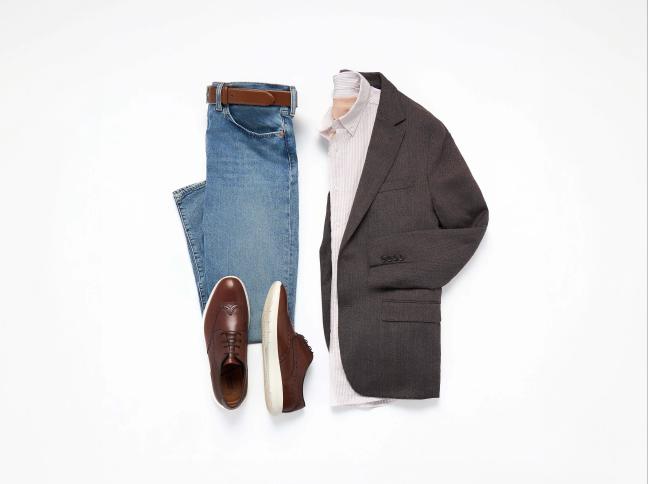
If the clothing subscription category has a luxury tier, and it does, though the word “luxury” gets deployed rather liberally in this space, Stately occupies it with the confidence of a service that knows precisely who it is for. This is subscription styling for men who want to look like they have recently received a promotion, inherited a corner office, or simply decided that dressing well should not require the time investment that dressing well traditionally demands.
The service operates through tiered plans that range from “Sharp” through to “Presidential”, the latter delivering over a thousand dollars of retail value in a single box. The brand roster reads like a guide to respectable menswear: Bonobos, Ben Sherman, Perry Ellis, and similar names that register as quality without venturing into fashion forward territory that might alienate the corporate adjacent gentleman. This is clothing that works in boardrooms, at client dinners, and during weekend brunches where one might encounter colleagues, versatile pieces chosen by stylists who understand that most men need their wardrobe to cover considerable ground, from a winter boot moment on a cold commute to the clean lines of an office-ready layer.
What distinguishes Stately from competitors operating at lower price points is the outfit driven philosophy. Rather than sending disconnected pieces that may or may not coordinate with existing wardrobes, Stately delivers complete looks: the trousers that work with this shirt, the jacket that elevates both, and the accessories that finish the ensemble. This approach acknowledges an uncomfortable truth about many men's relationship with clothing, that owning nice individual pieces does not automatically produce nice outfits, and that the assembly itself represents a skill that not everyone possesses or wishes to develop, whether the finishing touch is a crisp blazer or a wax jacket for weekends when polish still matters.
The service skews unambiguously dressy, which is either a limitation or a feature depending on one's lifestyle. Men whose professional lives involve suits, blazers, and the general expectation of looking put together will find Stately's curation directly applicable. Men whose wardrobes run more casual, tech workers in perpetual smart casual limbo, creative types for whom a blazer would constitute costume, might find the aesthetic aspirational rather than practical. But for the gentleman whose wardrobe upgrade ambitions exceed his wardrobe upgrade bandwidth, Stately delivers precisely what it promises: boardroom ready style in subscription form.
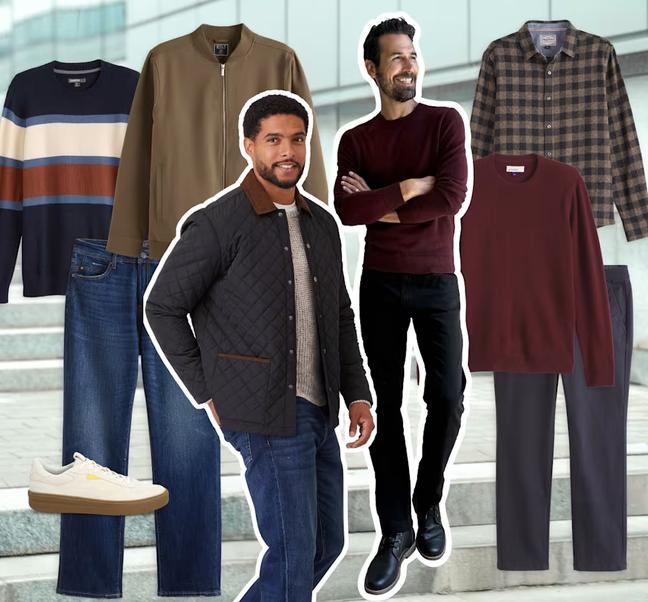
Stitch Fix has become something approaching the default option in clothing subscriptions, the service people mention when the category comes up in conversation, the name that appears first in search results and best of roundups compiled by publications with varying levels of actual expertise. This ubiquity reflects both genuine quality and marketing budget, the two not being mutually exclusive, and the service rewards its prominence by actually working for most people who try it.
The onboarding process involves a style quiz of sufficient depth to feel like genuine profiling rather than cursory box ticking. Questions probe fit preferences, lifestyle requirements, workplace dress codes, and the budget parameters within which a stylist should operate. The resulting profile informs selections from a roster exceeding a thousand brands, spanning price points from accessible to aspirational. This breadth represents both strength and potential weakness: more options enable more precise matching, but they also increase the probability of selections that miss the mark entirely.
The service operates in both the US and UK, a distinction worth noting, as many competitors function only domestically, with human stylists reviewing profiles and making selections that algorithms alone would not produce. The Fix arrives containing five items, each available for individual purchase or return, with a styling fee that applies to the total if anything is kept. This try before committing model reduces the risk that subscription services otherwise carry: the fear that one's money will fund a wardrobe of unwanted garments accumulating in guest room corners.
Results vary by the clarity of one's preferences and the luck of stylist assignment, but the system improves over time as feedback accumulates. The gentleman who engages seriously with the process, rating selections, explaining rejections, providing the data that enables better matching, finds subsequent boxes increasingly aligned with actual taste. The gentleman who provides minimal feedback receives minimal benefit from the personalisation that justifies subscription over standard retail. As with most services that promise to know you, the accuracy depends considerably on how much you are willing to be known.
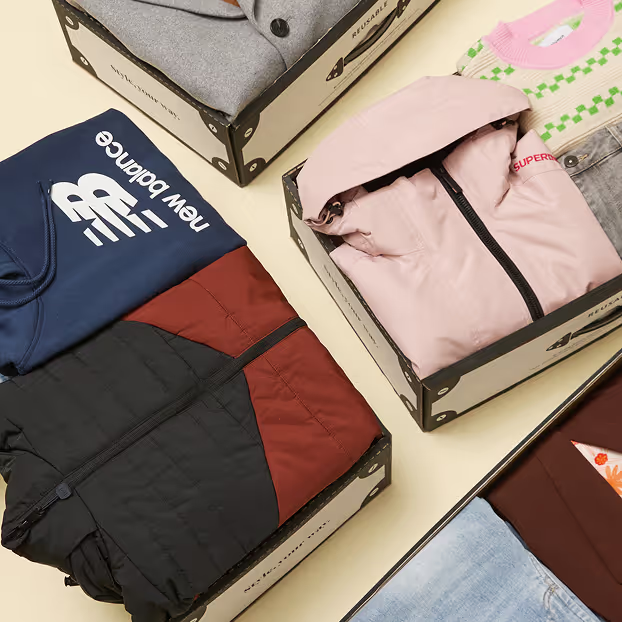
Outfittery approaches clothing subscription with a European sensibility that distinguishes it from American competitors, with a focus on clean aesthetics, capsule wardrobe thinking, and the particular requirements of men who dress for offices where business casual has not devolved into the anything goes interpretation that American workplaces sometimes embrace. The service operates primarily in the UK and EU, filling a gap that US centric competitors leave open.
The model centres on human stylists to a degree that competitors do not always match. A detailed questionnaire establishes preferences, but what follows involves actual consultation, phone or video calls for those who want them, with stylists who ask the questions that algorithms cannot quite formulate. What do you actually do when you are not working? Where do you feel most underdressed? Which items in your current wardrobe do you reach for repeatedly, and why? This information shapes selections that feel genuinely curated rather than computationally generated.
The absence of subscription lock in deserves emphasis. Unlike services that require ongoing commitment, boxes arriving monthly whether needed or not, Outfittery operates on demand. One requests a box when one wants a box, pays for what one keeps, and experiences no pressure to receive more until the wardrobe actually requires replenishment. This flexibility suits the European approach to clothing consumption: buying fewer, better pieces rather than accumulating volume for its own sake.
The aesthetic skews grown up without veering into stodgy, with contemporary fits, quality fabrics, and brands that prioritise construction over logo visibility. Men seeking statement pieces that announce their fashion awareness will find Outfittery conservative. Men seeking wardrobes that simply work will find it refreshingly focused. The service understands that most men want to look appropriately dressed rather than distinctively dressed, and it caters to this preference without condescension.
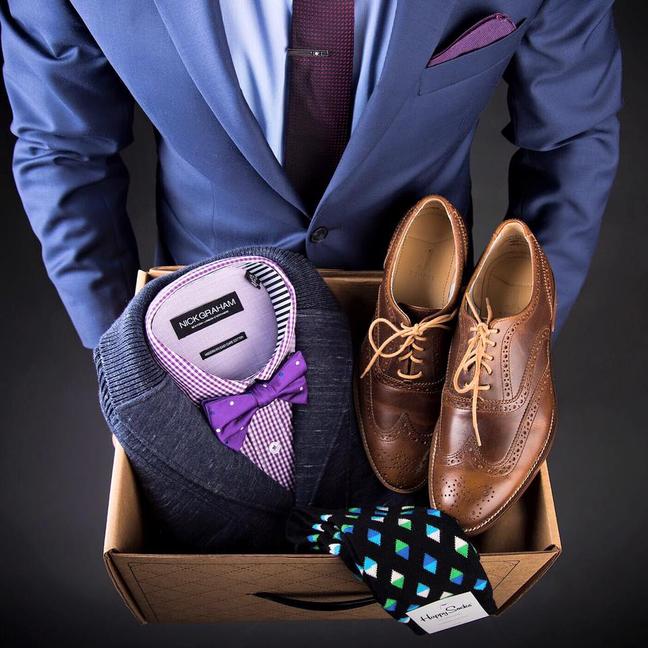
UrbaneBox positions itself at the intersection of style consciousness and budget consciousness, a combination that sounds like marketing compromise but actually describes a genuine market segment. Young professionals, men establishing careers, and gentlemen whose taste exceeds their current financial position all find themselves wanting quality without the prices that quality typically commands. UrbaneBox attempts to serve this demographic with curated selections that deliver a premium brand experience at accessible price points.
The entry proposition, around fifty five dollars for a first box containing two to three stylist selected pieces, offers low risk introduction to the subscription concept. At this price, even boxes that do not entirely hit the mark have not cost more than a mediocre dinner, and the pieces that do work represent genuine value against retail alternatives. The service has attracted coverage from publications including InStyle, establishing credibility that pure startups lack.
The styling approach emphasises trend awareness without trend slavery, pieces that feel current rather than dated, but do not require complete wardrobe overhaul to accommodate. This balance suits the target demographic particularly well: men who want to dress better than their current wardrobes allow, but cannot afford the financial or social cost of appearing to have tried too hard. The selections suggest effort without announcing it, improvement without transformation.
The trade off, inevitably, involves brand tier. UrbaneBox does not deliver the labels that luxury focused competitors feature. The economics simply do not permit it. What arrives instead are quality pieces from brands one might not recognise but will not be embarrassed to wear, with solid construction, reasonable fabrics, and designs that function without demanding attention. For the gentleman whose wardrobe priorities emphasise breadth over prestige, UrbaneBox delivers considerable value. For the gentleman whose wardrobe priorities emphasise brand names, other services will prove more satisfying.
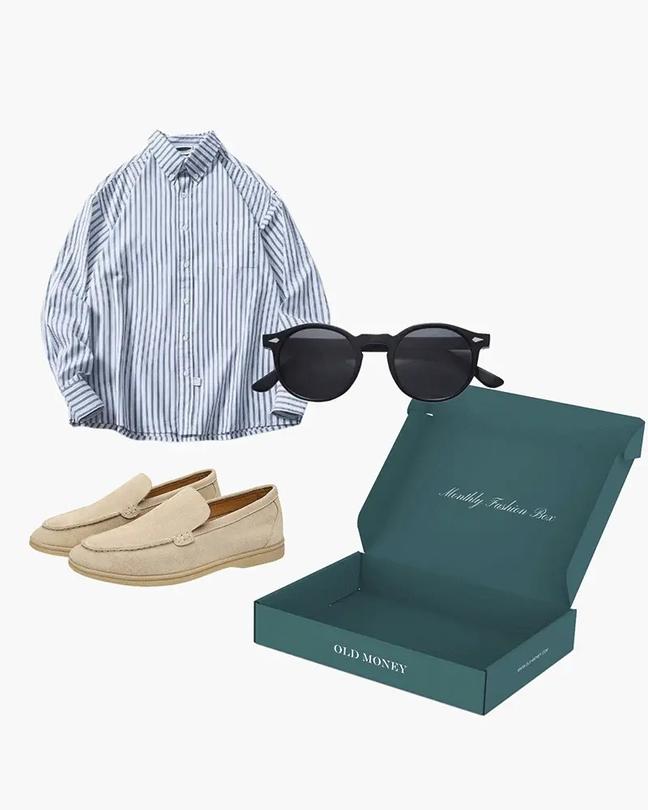
The Old Money Subscription Box announces its intentions with admirable directness: this is clothing for men who wish to dress as though their families have held land for generations, regardless of whether those families actually have. The aesthetic draws from country club tradition, preppy heritage, and that particular variety of understated expense that signals wealth without discussing it, a visual vocabulary that certain circles read fluently and others find impenetrably coded.
Boxes arrive bi monthly containing approximately two hundred and fifty dollars of apparel and accessories, curated around themes that might include weekend at the estate, private jet to the coast, yacht club casual, or other scenarios that subscribers may or may not actually encounter.
The pieces themselves tend toward quality basics elevated by detail: the right collar roll, the appropriate button stance, the fabric weight that suggests expense without the logomania that announces it. This is clothing designed to look inherited even when purchased last month.
The service ships from the US with UK friendly options, making it accessible to the transatlantic audience that appreciates Ivy League aesthetics filtered through British sensibility. The styling philosophy acknowledges that old money represents a look rather than a financial statement, one that appeals to men across actual economic circumstances who simply prefer traditional presentation to contemporary alternatives.
Whether this aesthetic suits any particular gentleman depends entirely on his existing style orientation and social context. In environments where understated prep communicates competence and belonging, Old Money provides a wardrobe shortcut of genuine utility. In environments where such clothing reads as costume or affectation, the same pieces might actively hinder the impression one hopes to create. The subscription works brilliantly for its target audience; identifying whether one belongs to that audience requires honest self assessment that the service itself cannot provide.
The obvious objection to clothing subscription services, that a man should be capable of dressing himself without algorithmic assistance, carries less weight than it initially appears. Most men who dress well do so through some form of external guidance, whether from partners whose opinions they have learned to trust, shop assistants at stores they frequent, or the general influence of style media consumed over years. The clothing subscription merely formalises this assistance, providing professional curation at scale.
The stronger case for subscription rests on a simple economic observation: time has value. The hours required to research brands, visit stores, assess fit, evaluate quality, and assemble pieces into coherent outfits represent hours not spent on pursuits that might matter more. For men whose professional lives generate sufficient income to fund subscription services, the trade off often favours outsourcing. One does not typically cut one’s own hair, service one’s own car, or file one’s own taxes; hiring expertise for wardrobe assembly follows the same logic.
Subscription also addresses the inertia problem that plagues many male wardrobes. Left to autonomous shopping, most men replace like with like until external circumstances force change: a new job requiring different dress codes, a partner who finally intervenes, or a moment of mirror confronted clarity where the outdated nature of current choices becomes undeniable. Subscription introduces novelty on schedule, preventing the wardrobe stagnation that allows men to dress for decades in what they wore when they stopped thinking about clothing.
The services also expose men to items they would never have selected independently. A stylist might include a patterned shirt that self shopping would have rejected as too bold, a colour outside the safe navy grey black rotation, or an accessory that would not have occurred as a purchase but works remarkably well once tried. This gradual, low pressure expansion of range, conducted in the privacy of one’s own home, builds style confidence that autonomous shopping rarely develops.
Intellectual honesty requires acknowledging that clothing subscription is not universally advisable. The model works best for men whose preferences fall within mainstream parameters. The gentleman whose taste runs avant garde, whose measurements defy standard sizing, or whose wardrobe requirements are highly specialised will find subscription services frustrating at best. Stylists work from existing brand relationships and typical customer profiles; outliers receive outlier experiences.
The economics also deserve scrutiny. Subscription services are not charities. They profit by selling clothing at retail prices while acquiring that clothing at wholesale. The value marketing materials emphasise, retail prices versus subscription costs, represents genuine savings only if one would have purchased those specific items at full retail anyway. For the careful shopper who waits for sales, compares prices across retailers, and buys strategically, subscription may actually cost more than independent purchasing would.
There is also the question of sustainability, both financial and environmental. The subscription model encourages acquisition in ways that conflict with the buy less, buy better philosophy. Boxes arrive whether wardrobes need replenishment or not, creating pressure to keep items that might otherwise have been passed over. The return process, while offered, requires effort that human psychology tends to defer. Wardrobes accumulate, storage strains, and the simplicity that capsule wardrobe advocates promise recedes further with each delivery.
Finally, subscription outsources a skill that arguably deserves development. Learning to dress well, understanding fit, quality, proportion, and colour, represents knowledge that serves across decades, contexts, and economic circumstances. The man who develops genuine style literacy can dress well anywhere, from charity shops to Savile Row. The man who relies on subscription services remains dependent on their curation. Whether this matters depends on individual priorities, but the trade off deserves acknowledgment.
For those who proceed with clothing subscription, and for many men it represents a genuinely useful service, certain practices maximise the probability of satisfaction. The onboarding questionnaire deserves serious engagement. The information provided directly shapes what arrives. Rushing through with vague responses produces vague results. The thirty minutes invested in thoughtful completion pays dividends across subsequent boxes.
Feedback, too, requires commitment. The temptation to simply return unsatisfactory items without explanation wastes the learning opportunity that subscription systems depend upon. Explaining why a piece did not work, fit too slim through the shoulders, colour too bold for a professional context, style too young for current self-image, provides data that improves future selections. Services that feel like they do not understand often have not been given sufficient information to understand.
Budget parameters benefit from honest assessment rather than aspirational setting. Requesting selections at the top of one’s actual range produces boxes full of items that cannot quite be justified. Requesting selections in the comfortable middle of one’s range produces boxes where keeping becomes easier than returning. The goal is wardrobe improvement, not wardrobe stretching beyond sustainable means.
Finally, approach subscription as a phase rather than a permanent state. The service works brilliantly for wardrobe establishment or transformation, the period when the quantity of change outpaces individual shopping capacity. Once a wardrobe reaches a satisfactory state, the transition to autonomous maintenance makes both financial and developmental sense. Subscription builds the foundation. Personal curation maintains it. The sequence produces better results than either approach alone.
There you have it, five subscription services that deliver on the promise of outsourced style, each suited to different circumstances, budgets, and aesthetic orientations. Stately serves the gentleman whose wardrobe needs to impress in professional contexts. Stitch Fix serves the gentleman who wants mainstream quality with genuine personalisation. Outfittery serves the European gentleman who prefers consultation to algorithm. UrbaneBox serves the budget conscious gentleman who wants trend awareness without premium pricing. Old Money serves the gentleman whose aesthetic runs traditional and whose presentation should suggest generational wealth regardless of reality.
Whether any of these suits any particular reader depends on factors that only that reader can assess. How much does wardrobe improvement actually matter? How little time does autonomous shopping actually receive? How close do current preferences run to mainstream parameters that stylists can accommodate? The answers to these questions, honestly evaluated, indicate whether subscription makes sense or whether the same money would serve better applied to concentrated independent shopping with the assistance of an in person professional.
What can be said with confidence is that the subscription model has matured beyond its experimental origins. The services recommended here employ people who know what they are doing, partner with brands that deserve attention, and deliver experiences that justify the trust placed in strangers to make decisions usually reserved for oneself. For many men, that trust proves well placed, and the wardrobes that result prove considerably better than what self directed shopping ever managed to produce.
And if the whole concept still feels uncomfortably like admitting defeat, consider that admitting defeat in the minor battle of clothing selection might free resources for the larger battles that actually matter. A well dressed gentleman who spent no time achieving that state remains, after all, a well dressed gentleman. How he got there concerns only his credit card statement.
To receive the latest in style, watches, cars and luxury news, plus receive great offers from the world’s greatest brands every Friday.