
Food & Drink -- 9 days ago

Whey has earned its place in training bags for practical reasons rather than hype. It digests quickly, supports muscle repair and fits easily into everyday routines.
Whey protein used to belong to a very particular tribe. It lived in the shadows of bodybuilding forums, next to posters of men who appeared to have been carved rather than born, and was consumed in fluorescent shakers by people who said things like "bro split" without flinching. If you owned a tub, the assumption was that you either competed in something that required fake tan or were at least toying with the idea.
Now, curiously, the tubs have migrated. They sit in the kitchens of barristers and bankers, on the worktops of sleep deprived new fathers and middle aged men who have just discovered that their trousers now pinch in unfamiliar places. Doctors mutter about protein intake. Trainers send polite messages about "hitting your numbers". And you, somewhere between curiosity and suspicion, find yourself wondering whether joining the cult of the scoop is actually a sensible, grown up thing to do.
Inconveniently, it is.

Strip away the packaging, and whey is resolutely unsexy. It starts life as the cloudy liquid left over when milk is turned into cheese, the part that used to be given to pigs or poured away while someone hummed about rustic charm. Inside that liquid is a family of proteins. Extract them, filter them, dry them, and you end up with the powder that now masquerades as everything from ultra premium isolate to hardcore growth matrix.
Biologically, it is simple. Whey is a complete protein, which means it contains all the essential amino acids your body cannot make for itself. It is particularly rich in leucine, the amino acid that acts like a very polite foreman, tapping your muscles on the shoulder and telling them it is time to start building. It is also digested quickly and absorbed efficiently, where some proteins drift through the system with leisurely grace, whey arrives briskly and gets to work.
This is why sports scientists coo over it. A scoop of 20 to 30 grams around training reliably spikes muscle protein synthesis for several hours afterwards. It is not magic. It is just an extremely convenient way to deliver a useful amount of the right building blocks at the right time, without requiring you to grill a chicken breast in the office kitchenette.
Every decade or so, medicine remembers that muscles are not merely vanity projects. They keep you upright, moving, and able to carry things that are not gaming laptops. They determine how easily you climb stairs, how confidently you step off kerbs, and whether your back tolerates suitcases without filing a complaint.
Resistance training is the stimulus that persuades your body to build and preserve that muscle. Protein is the raw material. Put the two together and, unsurprisingly, people get stronger. Put whey into the equation, and the effect is often slightly better again, particularly if the rest of the diet is doing its best impression of a beige buffet.
Recent meta analyses on adults who actually lift weights show a clear pattern, add protein supplementation, frequently in the form of whey, and gains in muscle size and strength improve compared with training alone. The effect is not steroidal. You will not wake up accidentally resembling a competitive bodybuilder. But over time, you add a little more lean tissue, produce a little more force, and notice that the bar feels fractionally less insulting.
For older men, the story is more compelling. From middle age onwards, muscle mass declines quietly in the background, like a budget being cut without anyone issuing a press release. Pair resistance training with whey and that process can be slowed, halted, or in some cases reversed. Trials in older adults show increases in leg strength, walking speed, and the ability to perform basic tasks such as standing from a chair, which sounds trivial until you imagine doing it with difficulty.
In short, if you lift, whey makes your efforts more fruitful. If you do not lift, you should, and whey will make that decision less wasteful.

Left unchecked, age related muscle loss, sarcopenia for those who enjoy a "diagnosis", turns confident men into fragile ones. It is not the sort of transformation people post about, but it is the one that decides whether your seventies involve hill walks or handrails.
The awkward truth is that older muscles are less responsive to protein. The same modest portion that quietly maintains a thirty year old does very little for a sixty five year old. To get the same anabolic response, you need more protein per meal and more total protein across the day. Appetite, sadly, often moves in the opposite direction.
Here, whey behaves like a well mannered ally. It allows you to hit those higher targets without requiring heroic acts of chewing. A scoop stirred into yoghurt or oats, or taken after a training session, adds 20 to 30 grams of high quality protein in seconds. Combine that with a sensible programme of lifting, and the data are increasingly blunt, you keep more muscle, more power, more balance, and more mobility than the man who tries to get by on toast, occasional fish, and vague good intentions.
For anyone who would prefer their later years to involve independence rather than negotiation, this alone is an excellent reason to tolerate a tub in the cupboard.
Whey's reputation has suffered somewhat from its association with men attempting to become as large as possible in the shortest conceivable time. In reality, it is just as useful for the man trying to avoid becoming soft in all the wrong places.
Higher protein diets consistently perform better than low protein ones when it comes to body composition. They preserve muscle during weight loss, they tend to shave more from fat stores, and they keep people fuller for longer, which is the difference between stoic restraint and not so stoic evening raids on the biscuit tin. Protein has a higher thermic effect than carbohydrates or fats, which means your body burns more energy simply digesting it. It also does a better job of shutting down appetite hormones after a meal.
When researchers look specifically at whey in overweight and obese adults, they often find reductions in body weight and fat mass and improvements in lean mass, especially when whey is part of a structured weight loss strategy rather than an afterthought. A shake does not, in itself, burn fat. But it does make it easier to diet in a way that leaves you smaller and still built, rather than merely smaller.
If you are cutting and subsisting on salad, air, and faint resentment, adding a whey shake to strategic meals can be the difference between keeping your muscle and politely handing it back.
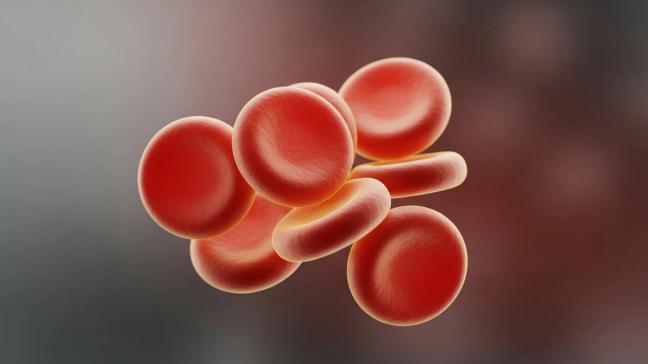
Whey is not a drug. It will not single handedly rescue a lifetime of poor decisions. But it does appear to come with a few quiet cardiovascular and metabolic perks that are worth noting, if only to reassure you that the scoop is not angering your GP.
Large reviews of whey supplementation in adults report modest improvements in cholesterol profiles, slight reductions in total and LDL cholesterol, and positive shifts in triglycerides and HDL. Some of the peptides in whey act as mild ACE inhibitors, not unlike a gentler cousin of certain blood pressure medications, and a few trials have recorded small drops in systolic blood pressure in people with elevated numbers.
There is also emerging evidence that whey can nudge markers of inflammation and oxidative stress in a favourable direction, improving glutathione status and tempering some of the low grade inflammatory noise that tends to accompany modern life. In specific clinical groups, such as people with heart failure or particular metabolic conditions, these changes may be more pronounced; for the average healthy man, they are more of a helpful backdrop than a starring role.
The important bit is this, used sensibly, whey sits comfortably inside a heart conscious lifestyle. It does not worsen the numbers your doctor cares about and may, in some cases, gently improve them.
Whenever protein is mentioned, someone will lean in and murmur darkly about kidneys. The implication is that anything more than a faint dusting of protein will cause your renal system to resign in protest.
In healthy adults, using moderate doses, that simply is not borne out by the data. High protein diets and whey supplementation have been studied extensively, and in people with normal kidney and liver function, there is no convincing evidence that sane intakes do harm. The caveat is obvious, if you already have chronic kidney disease or another relevant condition, you are playing by different rules and should be talking to a doctor, not a tub. For the rest of us, the main risk is not pathology but overenthusiasm.
More interesting, and more recent, is the question of contaminants. Independent testing in the last few years has found that some protein powders, particularly certain plant based ones but not exclusively, contain heavy metals such as lead in quantities that make long term daily use less than appealing. This is not a reason to throw all powders in the bin and return to chewing on cows. It is a reason to be fussy about which logos you invite into your kitchen.
Here, brand begins to matter. Companies that submit to third party testing and earn stamps from organisations whose job is to be professionally suspicious are worth prioritising over whichever anonymous white tub happens to be on offer. The powder itself is not the problem. The quality control is.

If you prefer not to wade through message boards to discover what is tolerable, a few US available options have managed to earn both consumer affection and grown up scrutiny.
Optimum Nutrition's Gold Standard 100% Whey is the industry's navy blazer, not especially flashy, almost universally available, and surprisingly decent once you stop sneering at its popularity. It blends whey isolate, concentrate, and hydrolysate, delivers a sensible 24 grams of protein per serving, and certain flavours now carry independent certifications confirming they are free from the more alarming heavy metals. If you want something reliable without turning it into a research project, this is as close as you get.
At the more minimalist end, Transparent Labs Grass Fed Whey Isolate does almost nothing except be protein, which is exactly the point. One scoop offers a generous hit of isolate, very little in the way of carbohydrates or fats, and the company is obsessive about third party testing, which in the current climate is a feature, not a quirk. Think of it as the Scandinavian furniture of whey, clean lines, no unnecessary decoration, quietly expensive.
For those who like their ingredient lists to read like a short story rather than an essay, Puori PW1 takes the clean brief seriously, whey concentrate, a little coconut sugar, vanilla or cocoa, and very little else. It is certified against a long list of contaminants and appeals to the sort of man who has opinions about soil regeneration.
If lactose has never been your friend, Dymatize ISO100 is a hydrolysed whey isolate designed to be as easy on digestion as something derived from dairy can reasonably be. Light on carbohydrates and fats, heavy on protein, it is popular with people who train hard and prefer their post workout shake to behave itself.
And then there are the more mainstream stalwarts such as MuscleTech's better whey blends, which tend to show up favourably in independent tests for contaminants and do a perfectly adequate job of being protein without drama.
None of these will transform you on their own. They are simply examples of products that take the job seriously enough to warrant a place in a respectable cupboard.
Whey, for all the noise surrounding it, is not complicated to deploy. You do not need to recite an incantation or consume it within thirteen minutes and forty seven seconds of your last set or lose your gains.
A reasonable pattern for most men who train is to anchor each main meal around a proper protein source and then use whey to fill the gaps. That might mean stirring a scoop into breakfast oats, taking a shake after training when you know you will not eat properly for a couple of hours, or using it as a mid afternoon bridge between a rushed lunch and a civilised dinner. The aim is to ensure that, across the day, you reach something like 1.6 to 2 grams of protein per kilogram of bodyweight, without turning every meal into a meat eating contest.
What you should not do is treat whey as a licence. Two shakes on top of an already generous diet, especially if they come accessorised with nut butters, oils, and a heroic amount of fruit, will eventually express themselves in inches rather than insight. The powder belongs within your energy budget, not floating above it in a separate moral category simply because it came in a shaker.
And, crucially, it belongs alongside resistance training. Taking whey while refusing to lift anything heavier than a discussion document is like fuelling a sports car and then leaving it parked. The potential is there. The point is not.
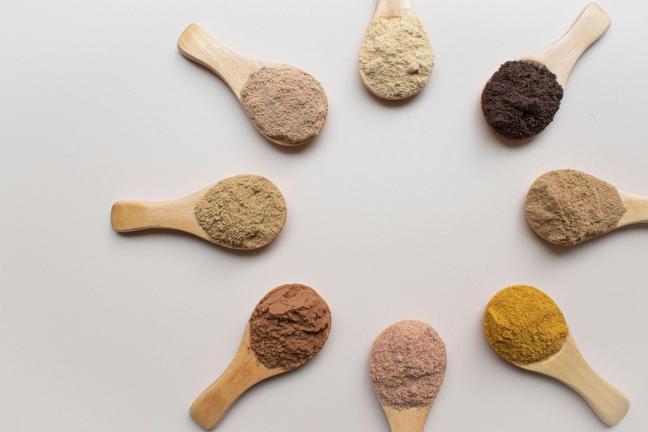
For all its association with gym clichés, whey protein powder is, at heart, an extremely modest proposition. It does not promise miracles. It promises high quality protein in a form that can be taken between meetings, on aeroplanes, and in kitchens that consist of a sink and a single pan.
Used intelligently, it helps you build and keep the muscle that will serve you long after anyone cares how you look on a beach. It makes dieting less wasteful, ageing less precipitous, and busy days less nutritionally hapless. It behaves itself around your heart and blood tests. And if you take five minutes to choose a brand that has submitted to independent scrutiny, it does all of this without smuggling anything unwelcome into your body.
In a world full of supplements that rely on drama, secrecy, and improbable promises, whey’s greatest virtue is that it is almost boring. It simply works, provided you do. For the modern gentleman who intends to be on his feet, in his suits, and in command of his own body for as long as possible, there are worse things to keep beside the coffee.
To receive the latest in style, watches, cars and luxury news, plus receive great offers from the world’s greatest brands every Friday.