Ein Leitfaden für Genießer zur Kombination von Wein und Speisen
Die Wahl des richtigen Weins kann zwar so komplex sein wie der Pazifische Ozean tief, doch mit diesem einfachen Leitfaden gelingt sie.
- Text von: Gentleman's Journal
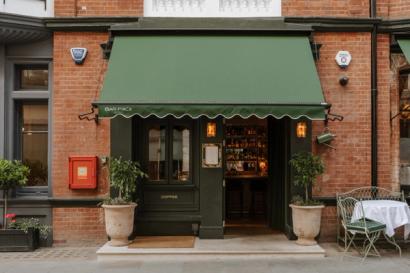
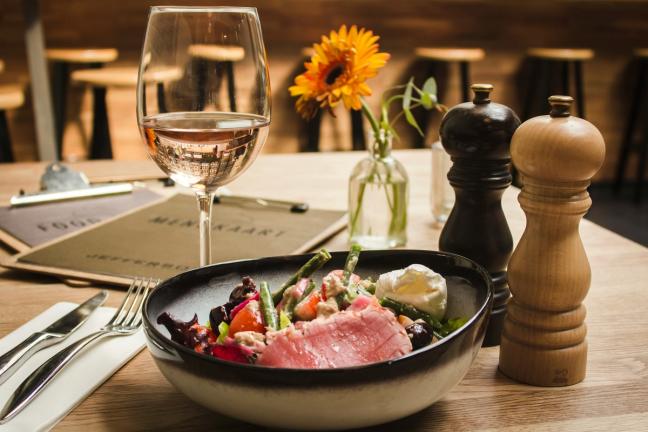
Ihr habt gerade an einem weiß gedeckten Tisch in einem gehobenen Restaurant Platz genommen. Die Einrichtung ist stimmig, das Ambiente großartig und die Beleuchtung perfekt – du hast eine gute Wahl getroffen. Sie sieht umwerfend aus, und auch du kannst dich sehen lassen – du strahlst Selbstbewusstsein aus. Das ist jetzt schon ein gelungenes Date.
The sommelier approaches, dapper in black and white, and leans in to break your flowing repartee. “Would you like to see the wine menu?” they ask politely. You nod assuredly, of course you do – you are so in control right now.
Du schnappst dir die ledergebundene Karte, schlägst den Einband auf … und plötzlich fällt dir wieder ein, dass du von Wein absolut keinen blassen Schimmer hast. Die Alarmglocken schrillen, dein Selbstvertrauen fließt dahin wie Wasser von einem schräg gehaltenen Teller, und deine stolze Pfauenfeder hängt schlaff herab.
This is your moment to be a real, sophisticated gentleman. It’s scientifically proven that, much like changing a flat tyre, a man that can tell his Merlot from his Zinfandel or his Chardonnay from his Moscato – without coming across with the flashy arrogance that comes with summers spent in Tuscany – becomes infinitely more attractive to the opposite sex*. Start umming and ahhing, though, while muttering something about the complex body of a white Malbec from Iceland, and she’ll think you have the manliness of a mannequin.
This is one of life’s important skills for every gentleman to tack. She doesn’t expect you to have the know-how and proclivity to claret of Robert Parker (if you don’t know who he is, you definitely need to keep reading), but it’s an erudite string to your bow that will certainly catch her attention. So, gents, while the complexities of wine choice are as deep as the Pacific Ocean, here is a simple guide to getting it right…
(*Faktenprüfung erforderlich)
MATCH TO FOOD
Wine is subjective, with different grape varieties and regions appealing to different palates. Therefore, look beyond the pricings – they give an indication of quality, but not a science of preference. Instead, settle on either white or red, have a rough idea of what it is you are going to eat, and plan accordingly to pair the two…
Popular white varieties…
Sauvignon Blanc (crisp, light and fruity with sweet notes) >> Seafood, chicken and salads
Chardonnay (unoaked = fruity and fresh, oaked = more complex with slightly more body – don’t be afraid to ask if it isn’t made clear) >> Fish, chicken and pastas
Pinot Grigio (crisp, dry wines with fruity flavours) >> Fish and chicken
Riesling (light, zippy acidity with aromas of fresh apples) >> Fish, seafood and more exotic/spicy dishes
Popular red varieties…
Cabernet Sauvignon (full-bodied with rich currant qualities and pepper notes) >> Red meat and game
Pinot Noir (zart und frisch, mit fruchtigen Aromen) >> Hähnchen, Fisch und Lamm
Merlot (typical scents include black cherry, plums and herbal flavours. Slightly lighter than Cabernet Sauvignon) >> Pizza, pasta, charcuterie and grilled chicken
Sangiovese (medium-bodied with fresh berry and plum flavours) >> Good with almost anything – especially Italian food
Zinfandel (zesty flavour with berry and pepper) >> Pasta, pizza, and grilled and barbecued meats
VALUE FOR MONEY
„Für ein hervorragendes Preis-Leistungs-Verhältnis“, erklärt Georgina Collett von Bibendum PLB, „empfehle ich, französische Weine eher zu meiden, da sie angesichts ihres Preises leicht enttäuschen können. Chile bietet eine Reihe wunderbarer, unkomplizierter Weine, während Italien mit einer Vielfalt ungewöhnlicher, autochthoner Rebsorten aufwartet, die ein fantastisches Preis-Leistungs-Verhältnis bieten. Auch Argentinien ist derzeit äußerst beliebt.“
“The adage of picking the second least expensive wine on the menu is rarely a great move. The restaurants may know this is a common theme, and could take advantage by marking-up the price. If price is a concern, you are actually better off going for their House wine as this is what a restaurant/bar is judged on.
“For trendy wines of the moment, look out for the whites Picpoul de Pinet or Gavi; and for reds, Malbec or Primitivo (aka Zinfandel).”
Alternativ können Sie jederzeit nach einem „vollmundigen“ oder „leichten“ Wein fragen (je nachdem, welches Gericht Sie gewählt haben). So zeigen Sie Ihrem Date, dass Önologie für Sie kein völliges Rätsel ist, und geben zugleich dem geschulten Sommelier die Möglichkeit, Sie in die richtige Richtung zu lenken.
VERKOSTUNG
The waiter will re-appear and show you a bottle. This is to ensure it is the exact wine you ordered.
The bottle will then be opened at the table, and a small amount will be poured into your glass. They aren't expecting you to delve into the tasting notes worthy of a connoisseur, you are merely checking to see if there is anything patently wrong with the wine – in particular, whether it is corked, in which case it will have a dank, musty, wet cardboard aroma and flavour. In the rare event of this happening, you are fully within your right to ask for the bottle to be substituted.
Hinweis: Entgegen der landläufigen Meinung hat der Begriff „Korkgeschmack“ nichts mit Korkstückchen zu tun, die auf der Oberfläche schwimmen. Er bezeichnet vielmehr einen Weinfehler, der sich durch bestimmte unerwünschte Gerüche oder Geschmacksnoten in einer Flasche bemerkbar macht.
Die Grundlagen des Weins gemeistert? Kombinieren Sie die ausgewählte Flasche mit einem selbst zubereiteten Lammkarree ...