Members -- 1 year ago

As global tensions rise, elite task forces not armies are re-shaping global outcomes, mostly away from the public eye. These covert units have become the modern day pawns of political power.
On 3 January 2026, a high-stakes U.S. military operation swept through Caracas before dawn, culminating in the capture of Venezuela’s embattled de facto leader, Nicolás Maduro, and his wife, Cilia Flores. Codenamed Operation Absolute Resolve, it was not a conventional invasion but a meticulously planned raid conducted by elite special forces and supporting units under Joint Special Operations Command. The world watched in disbelief as a sitting president was seized on foreign soil and flown to the United States to face federal charges. It was a moment which emphasised how clandestine units have become instruments of power in the 21st century.
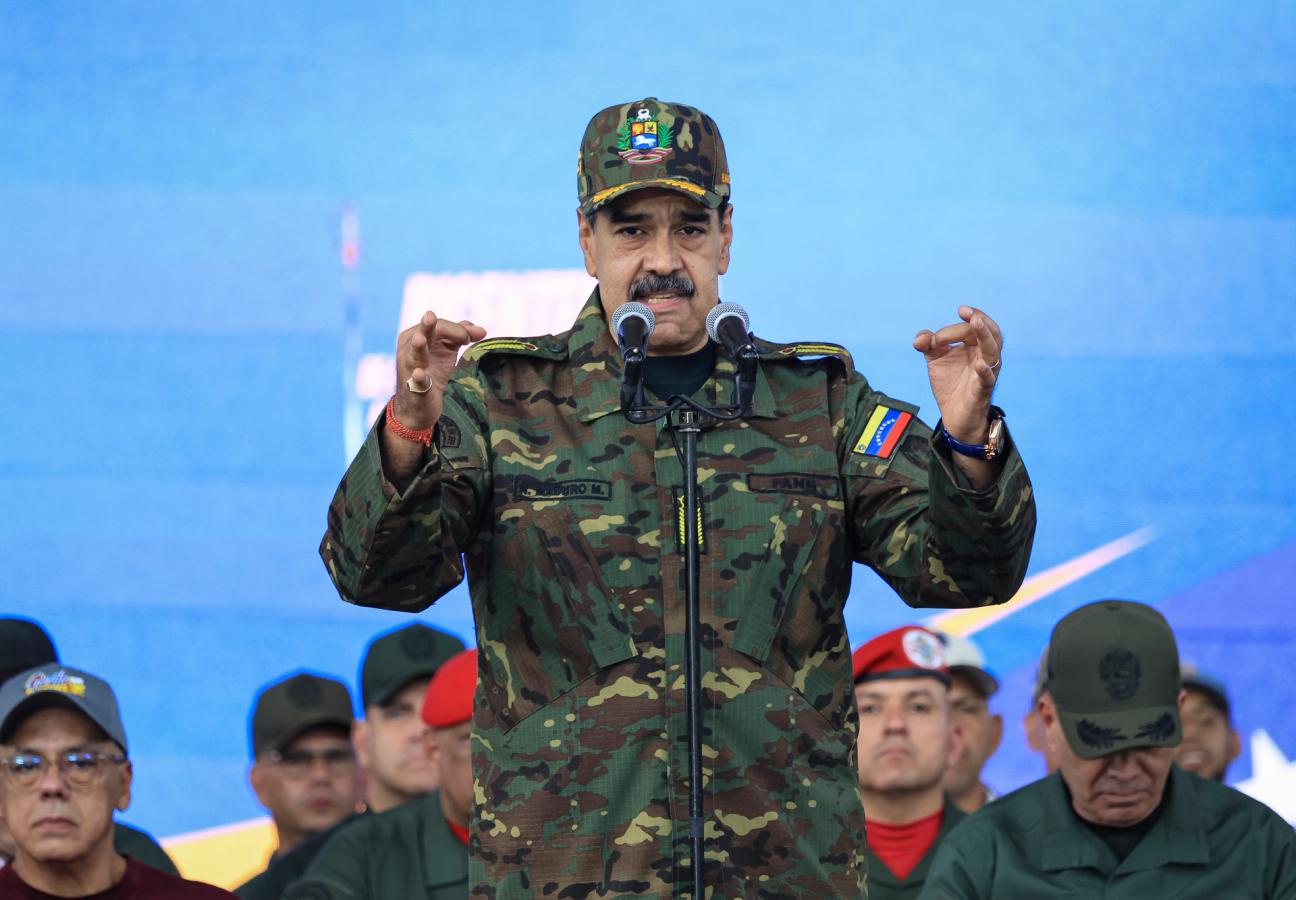
Former President, Nicolas Maduro, speaks at a military ceremony in Caracas. The United States recently designated the "Cartel De Los Soles" (Cartel of The Suns) as a foreign terrorist organisation, a group allegedly led by the former president.
At the centre of the operation was the U.S. Army’s 1st Special Forces Operational Detachment–Delta, otherwise known as Delta Force. Alongside Navy SEAL Team 6, it is one of the Pentagon’s most secretive and capable Tier 1 units, with most activities and deployments remaining classified. The involvement of Delta Force in Maduro’s capture was, however, confirmed by U.S. officials, in keeping with a long history of high-stakes capture missions such as the arrest of Saddam Hussein and the Battle of Mogadishu, later immortalised in Ridley Scott’s Black Hawk Down (2001).
The Maduro raid would have taken months of careful coordination by U.S. military and intelligence agencies. Special forces were airlifted into position under the cover of extensive surveillance and communications jamming, suppressing Venezuelan air defences and isolating their target. Maduro and Flores were captured and flown out of the country, with interim president Delcy Rodríguez sworn in at home as part of the constitutional succession process.
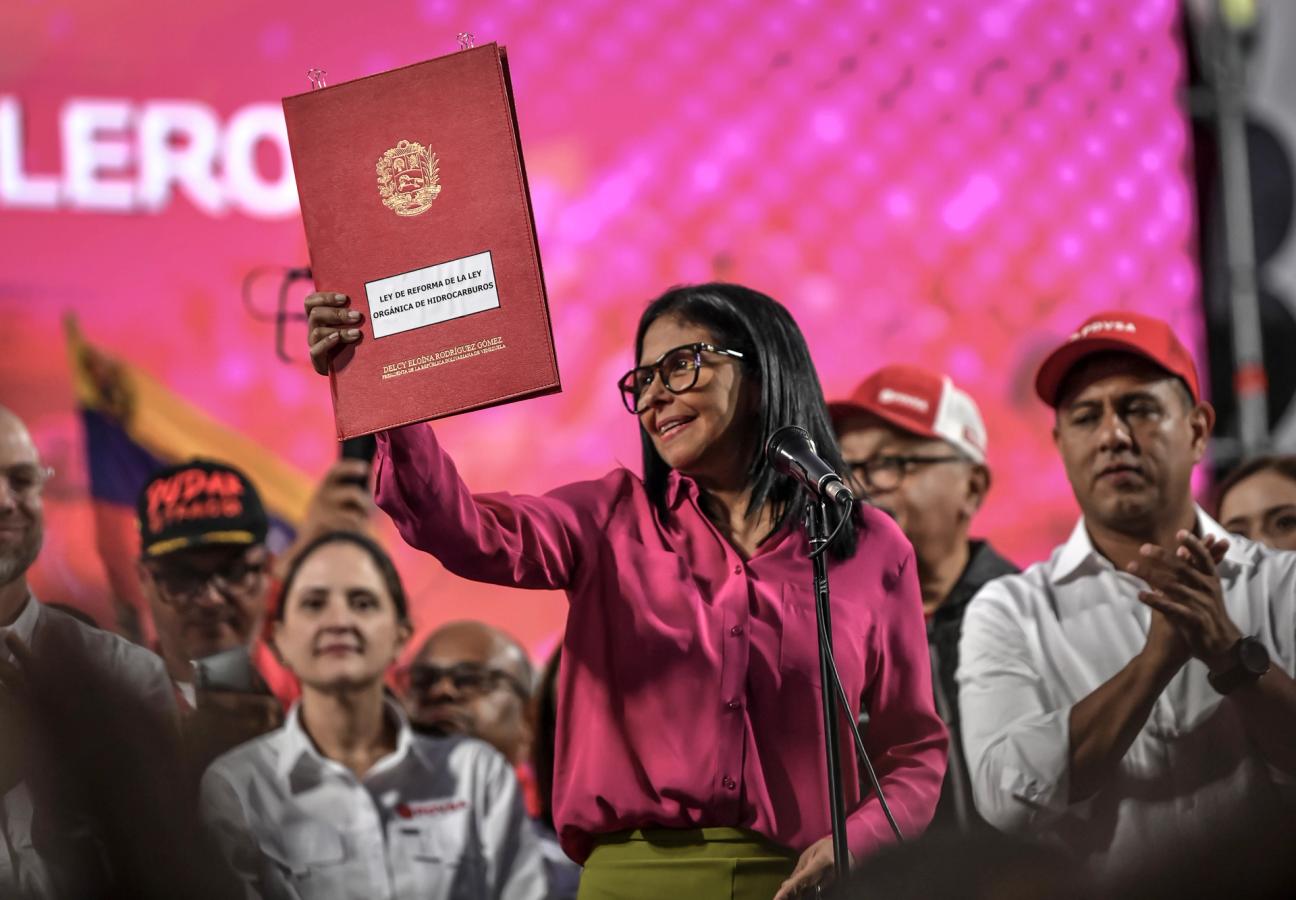
Delcy Rodriguez holds the new oil reform during an event at Miraflores Palace on 29th January 2026 in Caracas, Venezuela.
The operation laid bare how modern power is exercised. Air and electronic control now precede even the smallest raids, elite units operate as part of tightly integrated military-intelligence task forces and the action itself unfolds in the so called grey zone. Below the threshold of declared war, yet with consequences that influence global politics.
This is the reality of grey zone special operations. Unlike the massed armies of the twentieth century, today’s most decisive actions are carried out by small, highly trained teams capable of surgical strikes, hostage rescues, high-value captures and rapid withdrawal before conventional forces ever show up. These missions are designed to minimise official involvement, favour speed and precision over scale and rely on close cooperation across military, intelligence and law-enforcement agencies.
Here are some of the world’s most elite forces that you perhaps haven’t come across.
Mission: Maritime counter-terrorism, covert reconnaissance, direct action and hostage rescue.
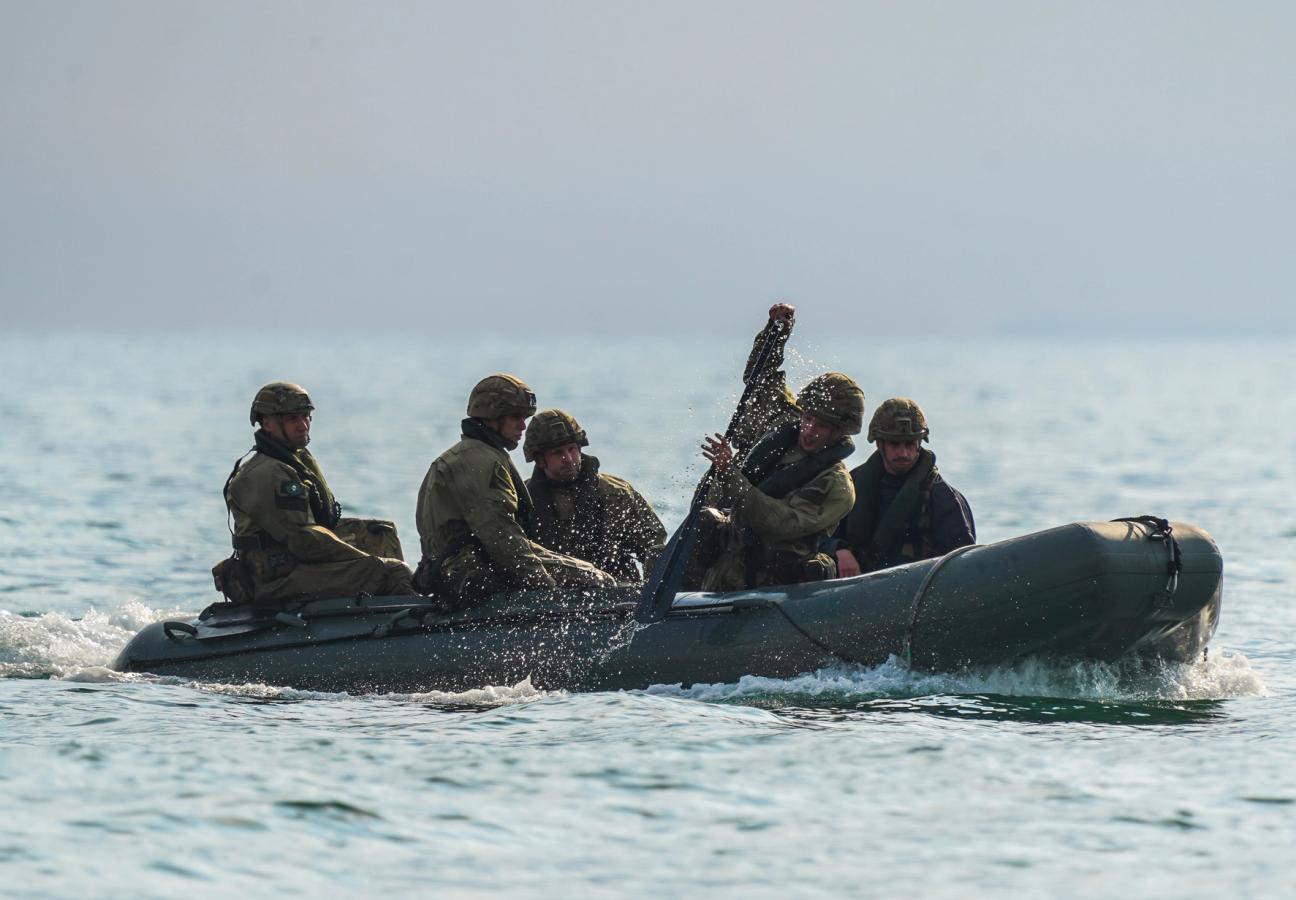
Royal Marines commandos (home of the SBS) train off the Cornish coast.
Formed during the Second World War and now operating as part of UK Special Forces, the Special Boat Service specialises in operations at sea, in the air and on land. It is routinely responsible for covert reconnaissance, ship boarding, offshore hostage rescue and high-value capture missions, and is regularly deployed ahead of conventional forces. While much of its work remains classified, the SBS has been publicly linked to operations in Iraq and Libya, where small teams conducted night raids and intelligence-led capture missions. Its emphasis on deniability, maritime mobility and precision reflects the UK’s reliance on elite task forces to operate behind the scenes in politically sensitive environments.
Mission: Domestic counter-terror and hostage rescue.
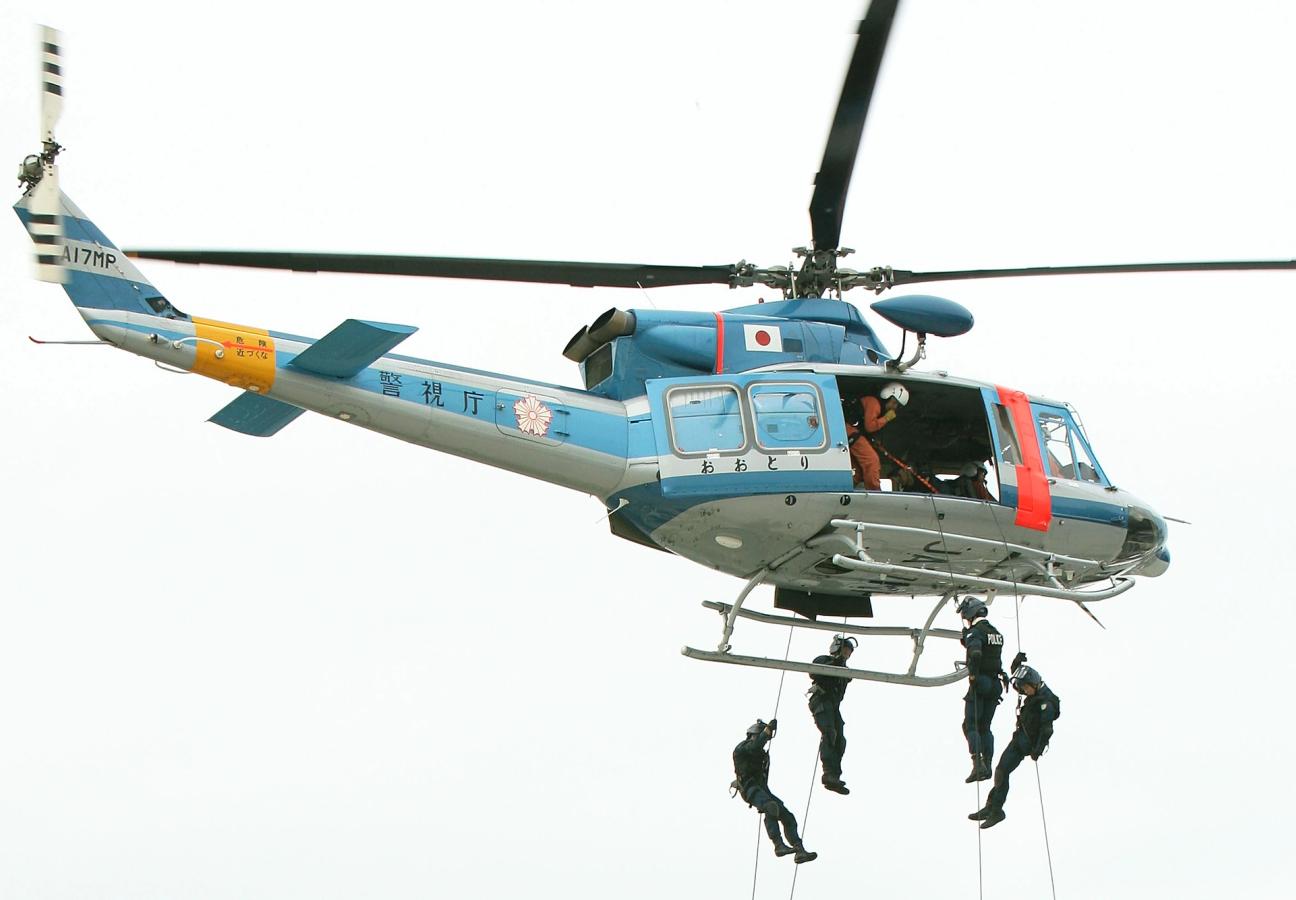
Anti-terrorism training carried out in Tokyo by Japanese special forces
Created in response to terror incidents in the 1990s, such as the Mitsubishi Bank and All Nippon Airways hijacking, Japan’s Special Assault Team operates under tight legal constraints but trains rigorously for confined-space and aircraft interventions. Any overseas intervention would fall to the military, and even then only under very special circumstances.
Mission: Counter-terror response and high-profile protective operations.
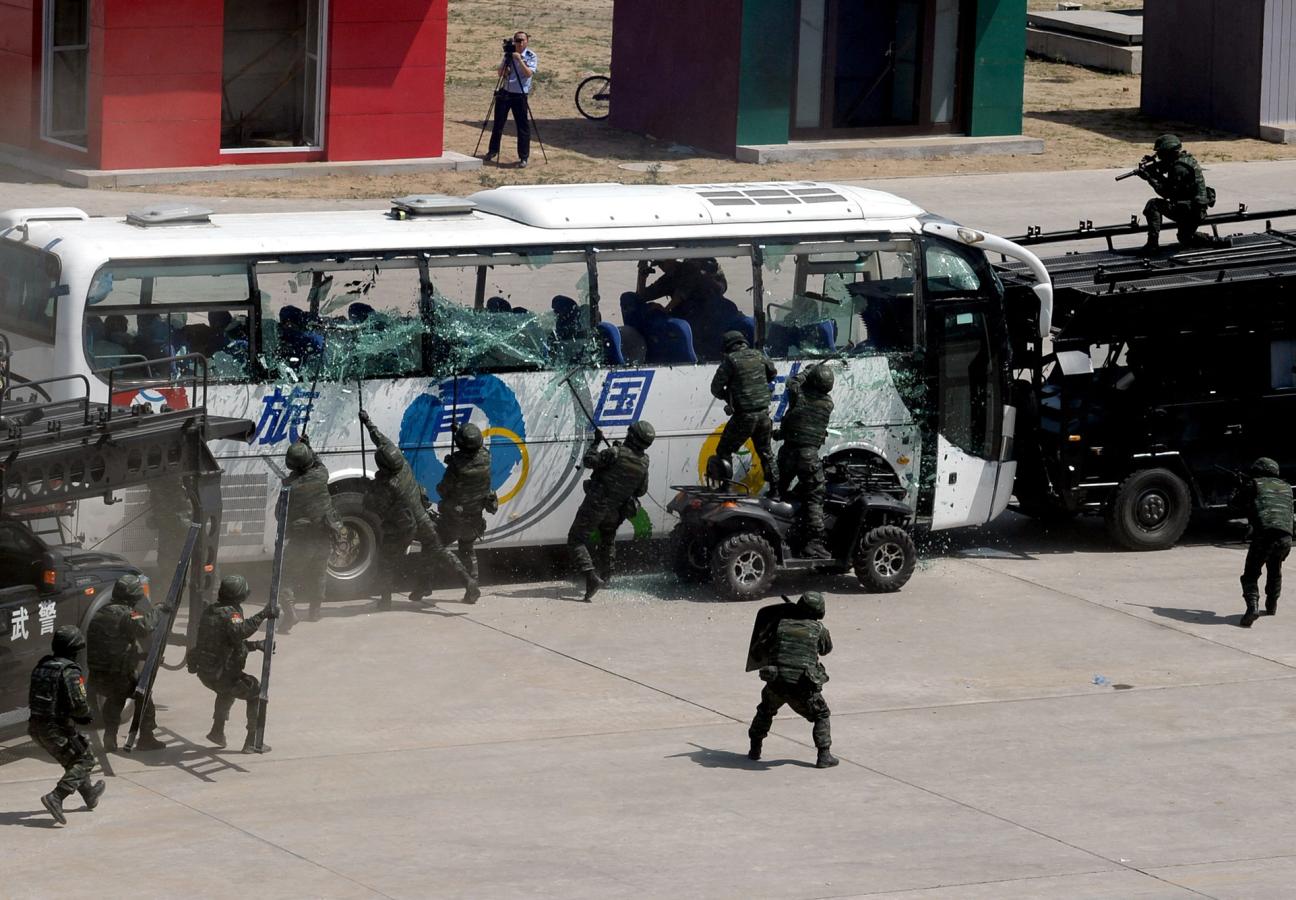
The SLCU show off their skills at handling hijacking situations in Beijing.
Seen most vividly in state-media exercises, this unit symbolises China’s aim of projecting internal stability and readiness. Officially domestic, it is widely believed to support overseas diplomatic security, training missions and contingency planning. China avoids public confirmation, but capability and intent clearly exist.
Mission: Hostage rescue and urban siege.
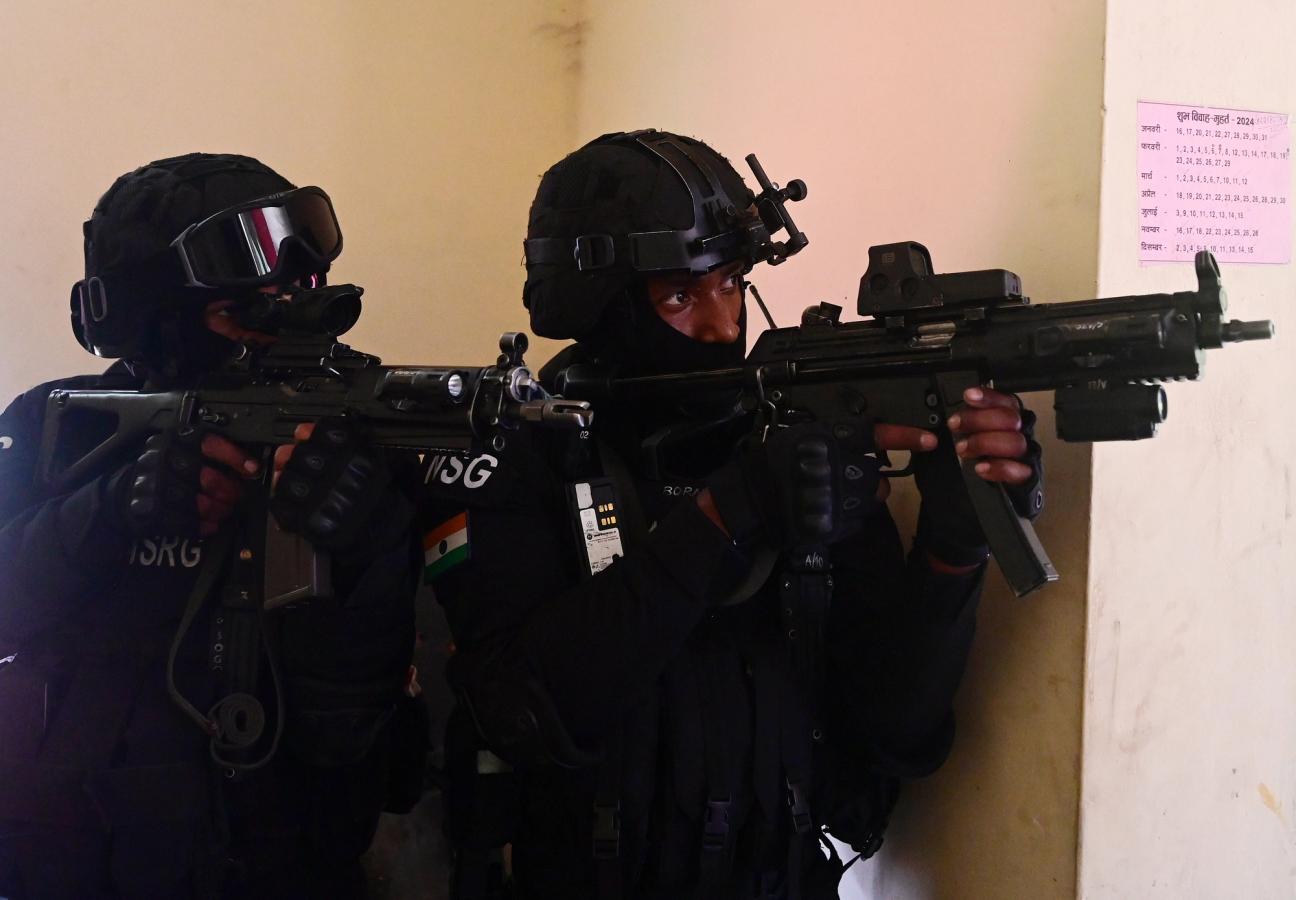
NSG commandos train on the banks of the Yamuna River ahead of the Maha Kumbh Mela festival.
India’s National Security Guard rose to prominence during sieges such as the 2008 Mumbai attacks. Emphasising precision under intense public scrutiny, it offers an Indo-Pacific counterpoint to Western counter-terror capabilities.
Mission: Counter-terror raids and aircraft hijack response.
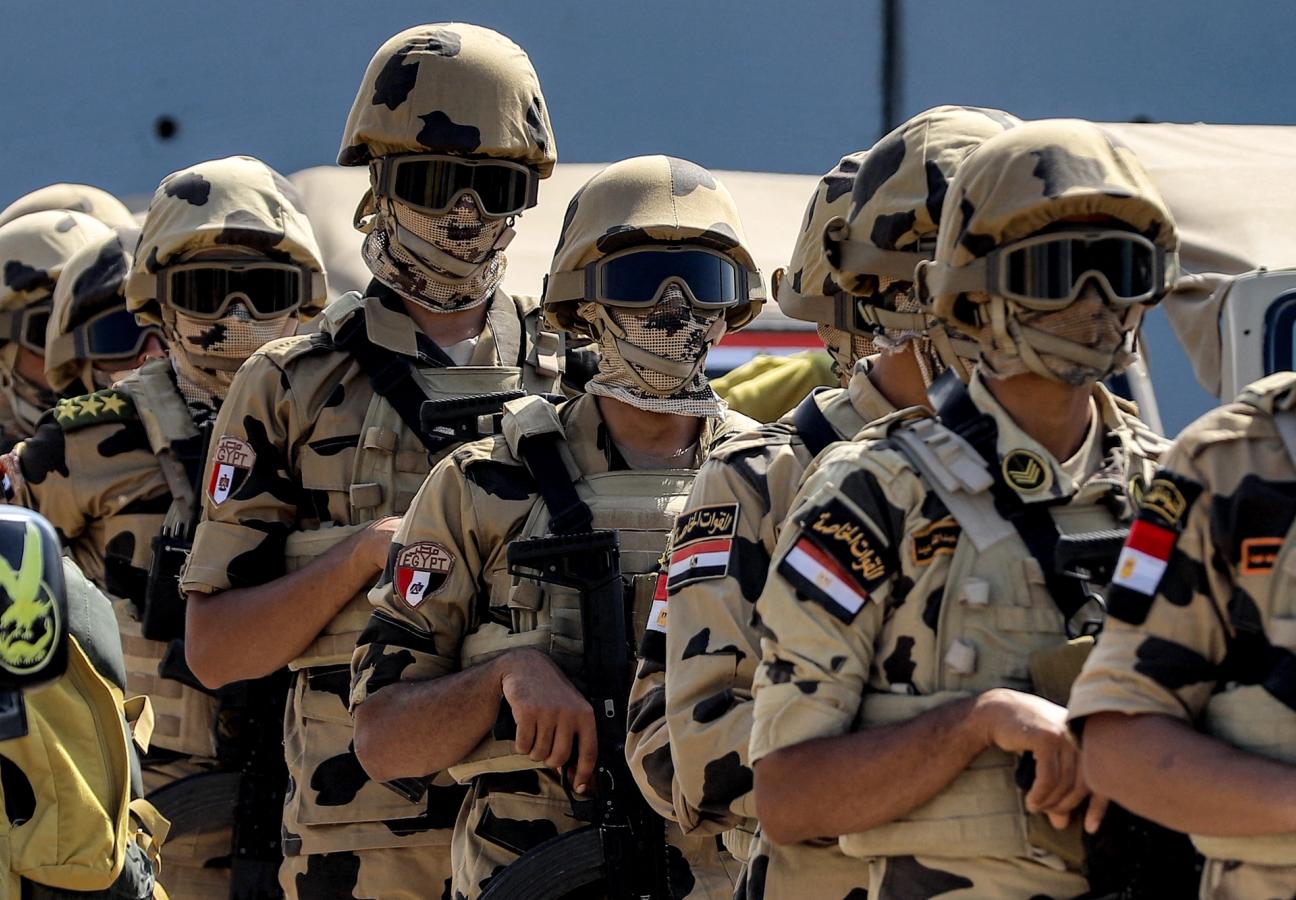
Egyptian army special forces soldiers deploy before the concrete barrier marking the border between Egypt and the Gaza Strip.
Founded in the 1970s, Egypt’s Unit 777 has had mixed results but remains an assault force built for moments of national urgency. Mandated for counter-terrorism, the unit is authorised to deploy abroad when Egyptian nationals or aircraft are involved.
Mission: Urban counter-terror and decisive action.
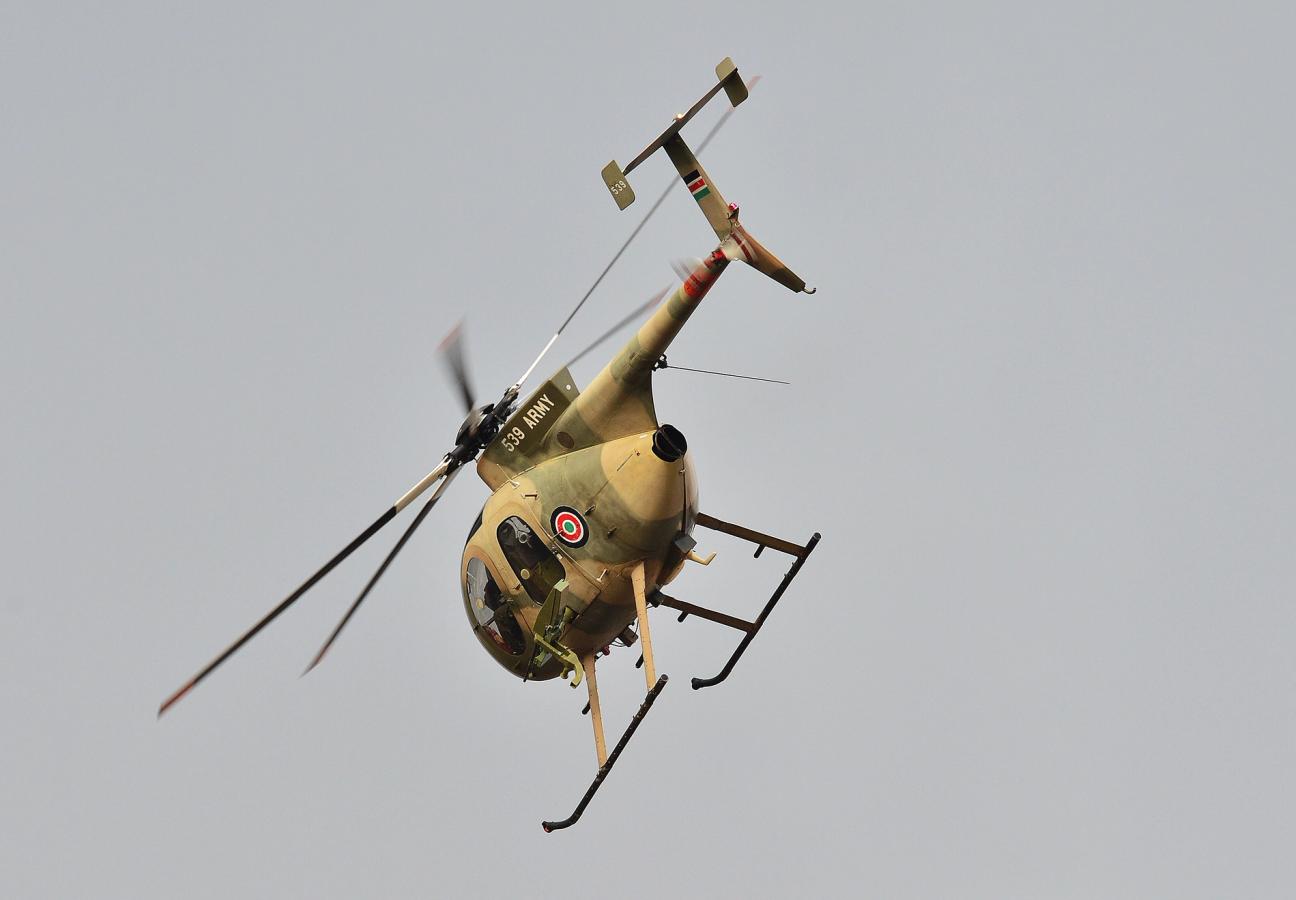
Kenyan special forces respond to the Westgate mall terrorist attack.
Seen during the Westgate and DusitD2 attacks in Nairobi, Recce operatives highlight how African nations are developing indigenous rapid-response units with direct-action capabilities. The force is primarily domestic but operates near borders and in regional counter-terror contexts linked to Somalia.
Mission: Jungle raids and counter-narcotics interdiction.
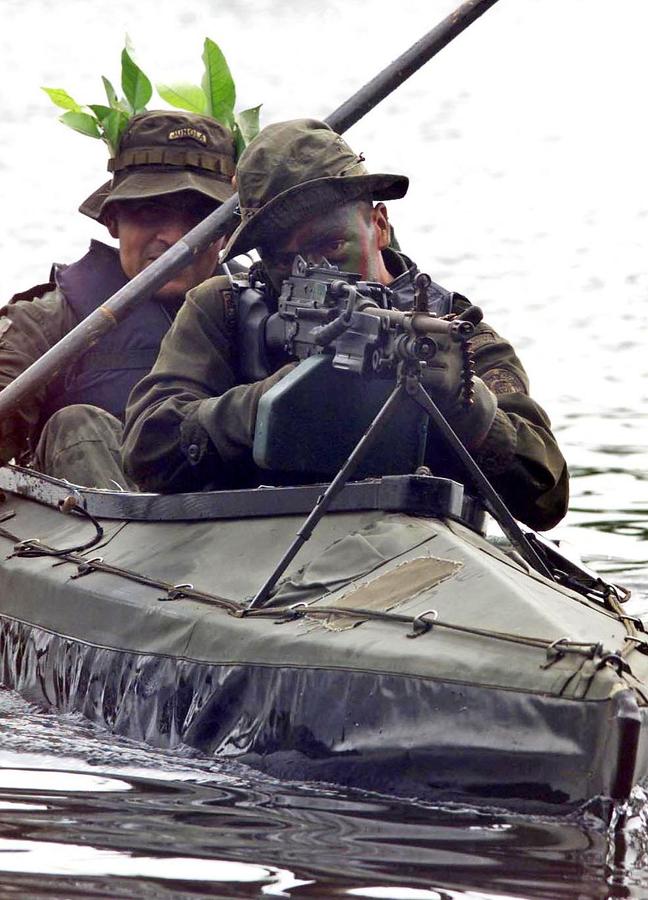
Operatives being trained by the so called “Jungle Command” for covert anti-narcotics operations.
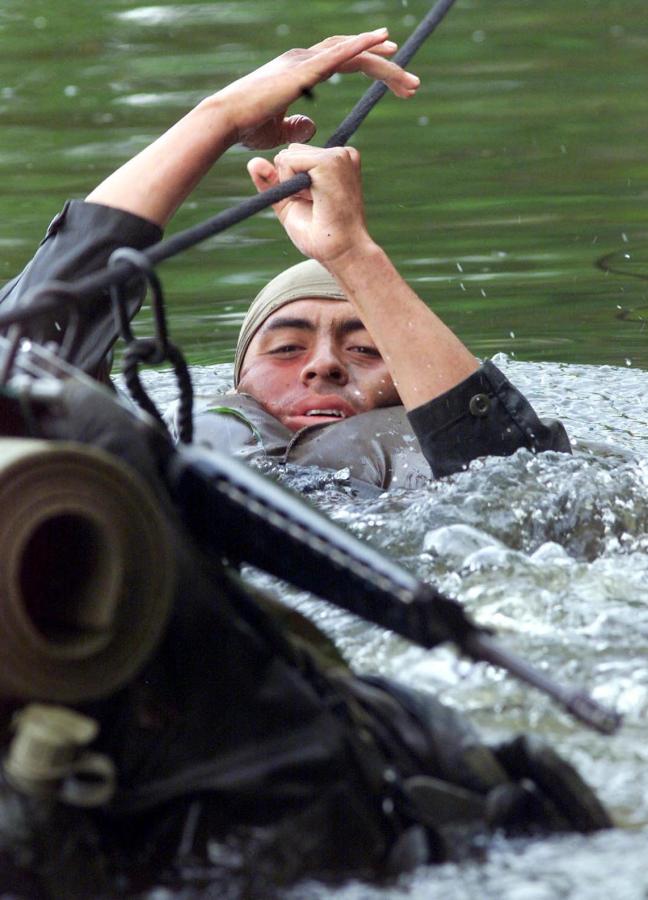
Rather than urban raids, Colombia’s Jungla commandos specialise in dense-terrain operations. Mostly domestic, they are trained alongside foreign forces and have occasionally been involved in cross-border operations targeting narcotics networks.
Mission: Special police operations in urban conflict zones.
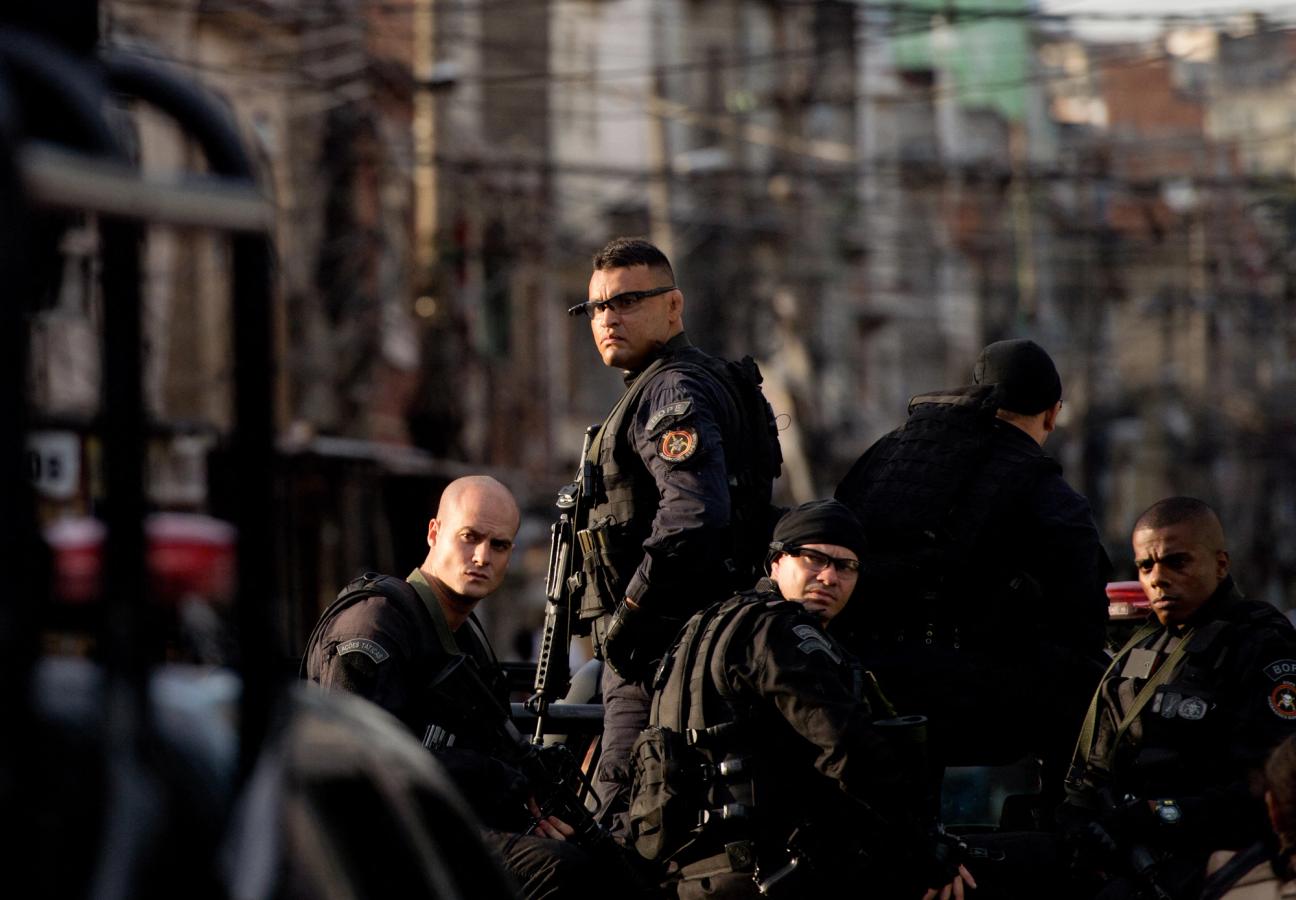
BOPE elite unit personnel patrol the Favela da Mare complex in Rio de Janeiro.
While not a military unit, BOPE’s intensive training and operations in Rio de Janeiro’s favelas reflect the covert, high-risk operational style more commonly associated with military special forces.
The capture of Nicolás Maduro highlights a clear shift towards small, precise insertions with high impact, rather than full-scale invasions such as the war in Afghanistan. Whether in Caracas, Kyiv or the coastal waters of South America, elite task forces are no longer just tools of surprise; they have become instruments of diplomacy, quietly shaping global politics. Operating in the shadows and often surrounded by legal and ethical debate, their influence is unmistakable. This is the world of special operations, where the battles that matter most may never be officially acknowledged, yet their outcomes are shaping all our futures.
To receive the latest in style, watches, cars and luxury news, plus receive great offers from the world’s greatest brands every Friday.