How Tudor and the Dakar Rally became the perfect partnership
The iconic race needed an iconic watch – and now, with the Ranger, it has one
- Words by: Harry Jarman
There are few sporting events left in the world that still feel genuinely untamed. In an age of hyper-polished Formula 1 paddocks, algorithmically optimised athletes and sanitised luxury experiences, the Dakar Rally remains gloriously chaotic. It is dirty, dangerous, exhausting and, above all else, authentic.
Earlier this year, I travelled to Saudi Arabia as a guest of Tudor Watches, the newly official timekeeper of the Dakar Rally, to experience the race first-hand. And while I arrived expecting a motorsport event, what I found was something closer to an expedition: part endurance race, part survival exercise, part travelling circus of mechanics, navigators, adventurers and obsessives.
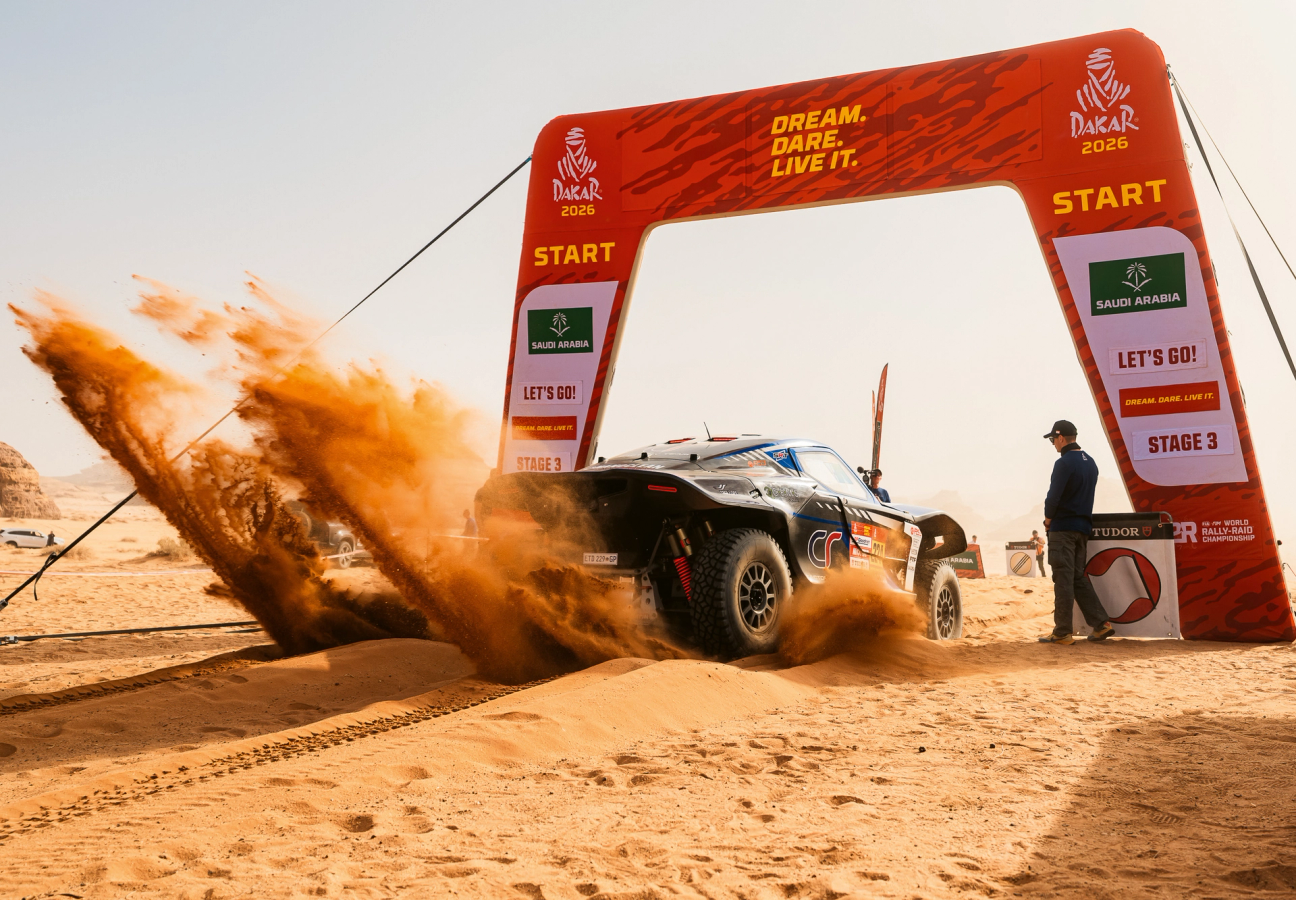
For Tudor, whose modern identity has increasingly centred around ruggedness, adventure and what the brand calls its “Born to Dare” philosophy, Dakar feels less like a sponsorship and more like a natural home. To understand why, you first have to understand the history of the rally itself.
The Dakar Rally was born in 1978 after French motorcyclist Thierry Sabine became lost in the Sahara Desert during another race. Rather than being traumatised by the experience, he became inspired by it. The result was the original Paris to Dakar Rally: a brutal off-road race stretching from Paris to Dakar in Senegal, across some of the harshest terrain on Earth.
“The original Dakar Rally was a brutal off-road race from Paris to Dakar in Senegal, across some of the harshest terrain on Earth.”
Over the following decades, Dakar became one of motorsport’s great myths. Factory-backed teams from Peugeot, Mitsubishi, KTM and Yamaha battled through sandstorms, endless dunes and mechanical disasters, while amateur competitors mortgaged homes and emptied savings accounts simply to take part. Drivers got lost for days. Bikes disappeared into deserts. Trucks raced across the Sahara at frankly terrifying speeds.
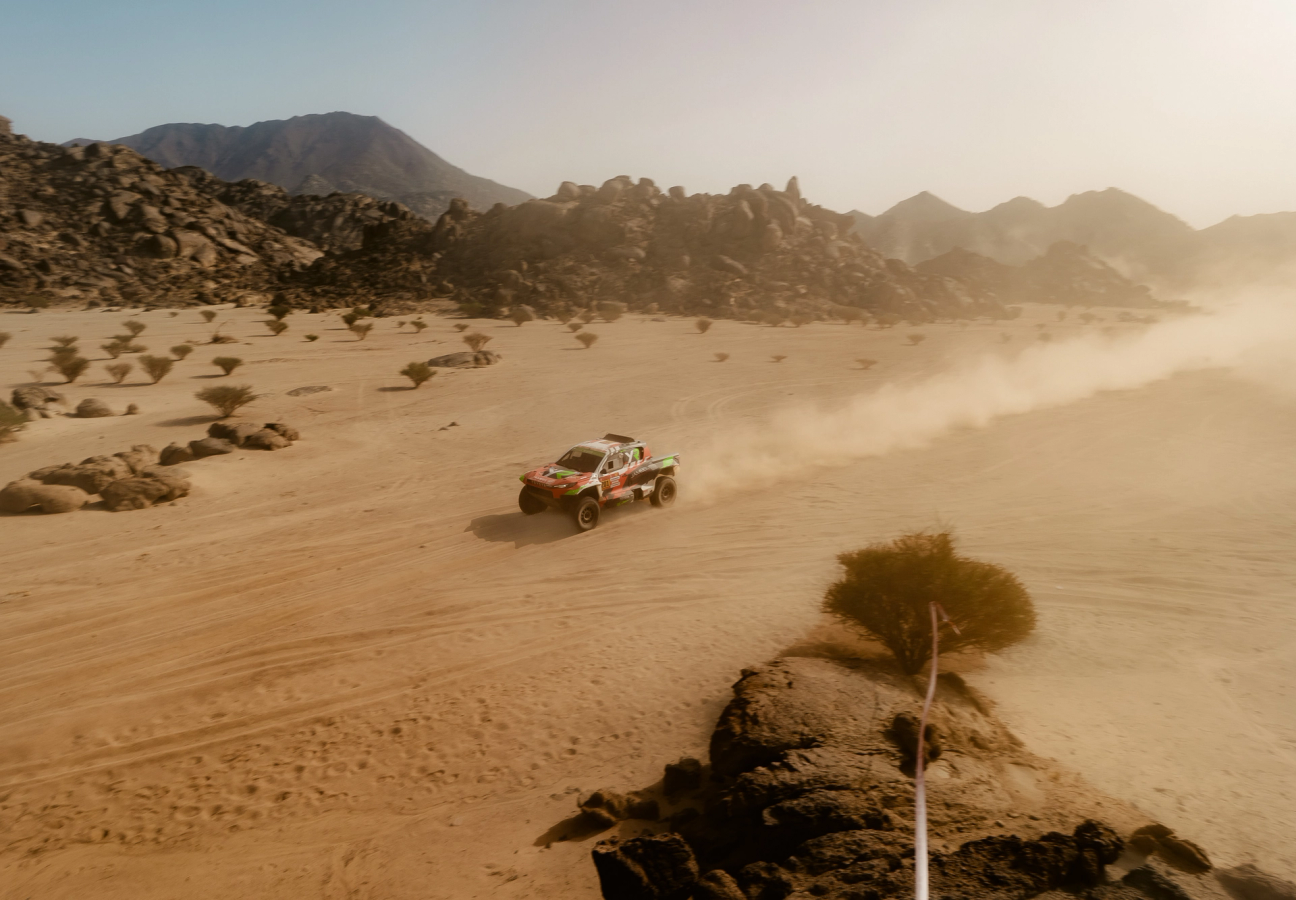
Unlike Formula 1 or Le Mans, Dakar was never purely about engineering perfection. It was about resilience, and that remains true today.
The rally eventually left Africa in 2009 following major security concerns in Mauritania and across parts of North Africa. South America became Dakar’s new home for a decade, producing spectacular imagery across the Andes and the Atacama Desert, but many long-time followers felt something of the rally’s original spirit had been lost.
Then came Saudi Arabia.
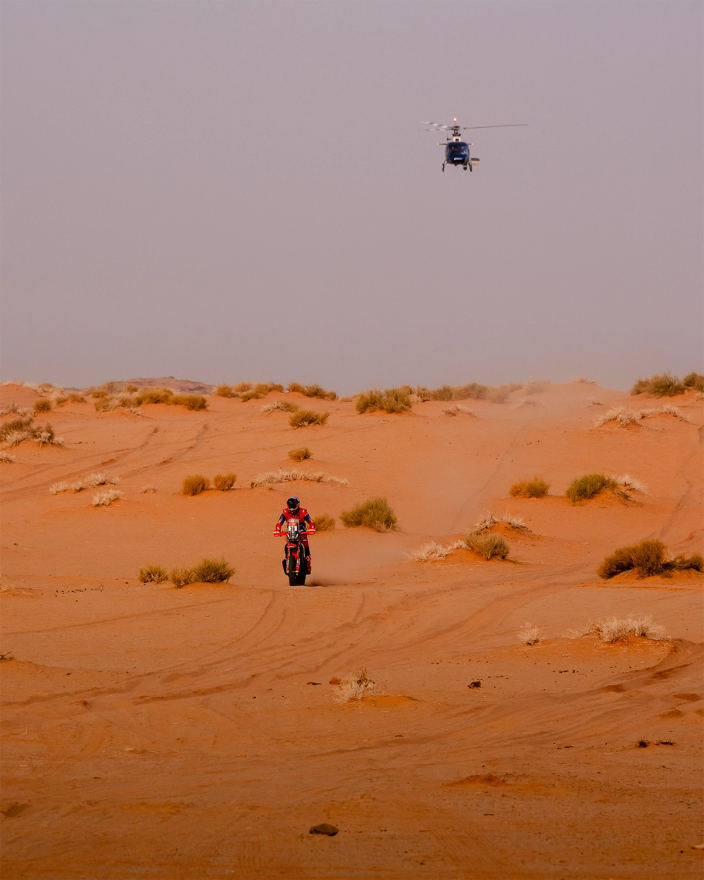
Since 2020, the Dakar Rally has been staged entirely within the Kingdom, where vast uninterrupted desert terrain has allowed organisers to return to something much closer to the event’s original DNA. And whatever your opinion of Saudi Arabia’s wider sporting ambitions, there is no denying the landscape feels made for Dakar.
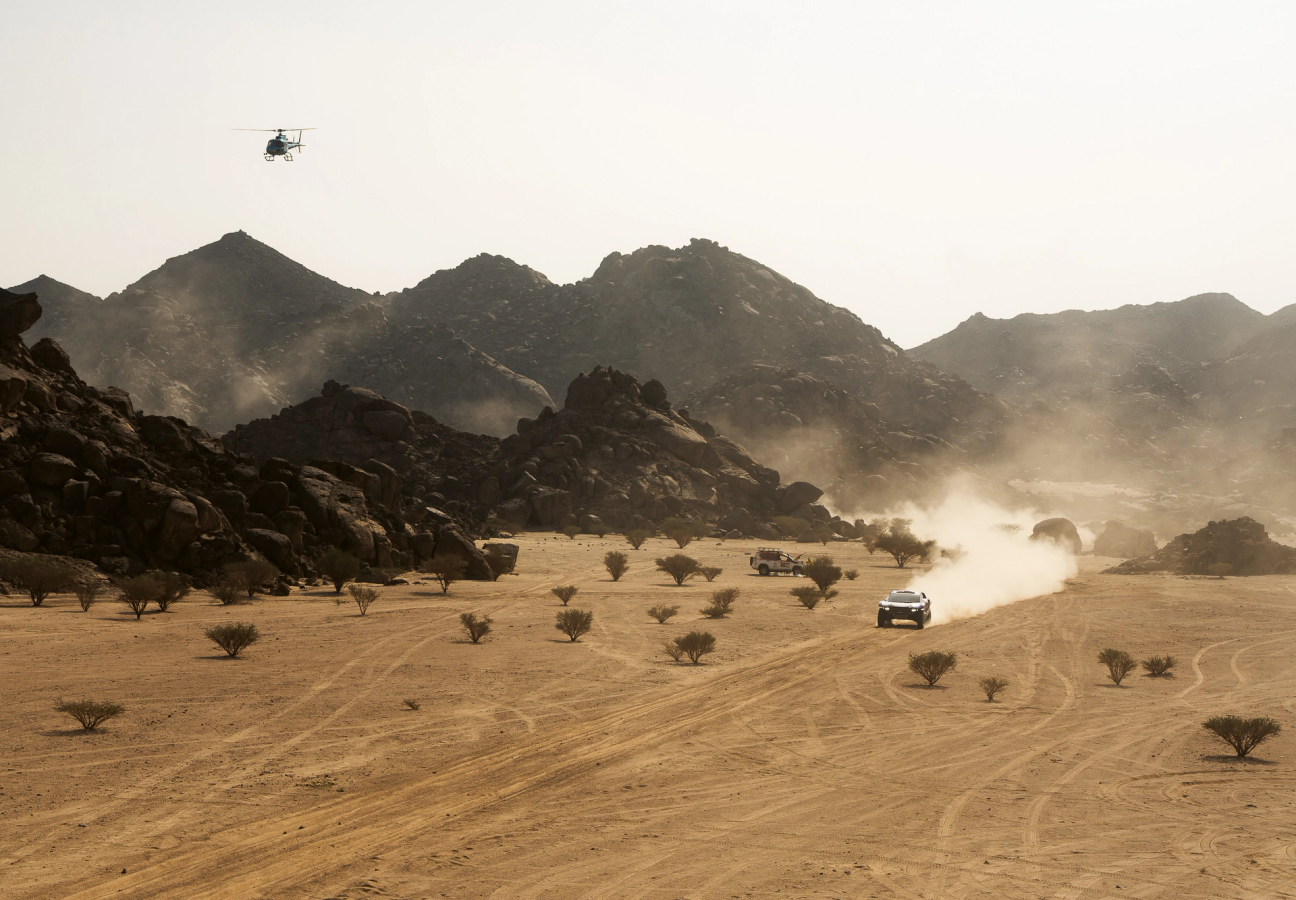
Over recent years, the Kingdom has aggressively expanded its presence across Formula 1, boxing, golf, football and motorsport as part of its Vision 2030 strategy, an attempt to diversify the economy beyond oil while simultaneously reshaping international perceptions of the country.
Critics have inevitably questioned whether events like Dakar contribute to sportswashing. Supporters argue the investment has revitalised competitions that might otherwise have struggled financially. But from a purely sporting perspective, Saudi Arabia has undeniably given Dakar something invaluable: stability and terrain.
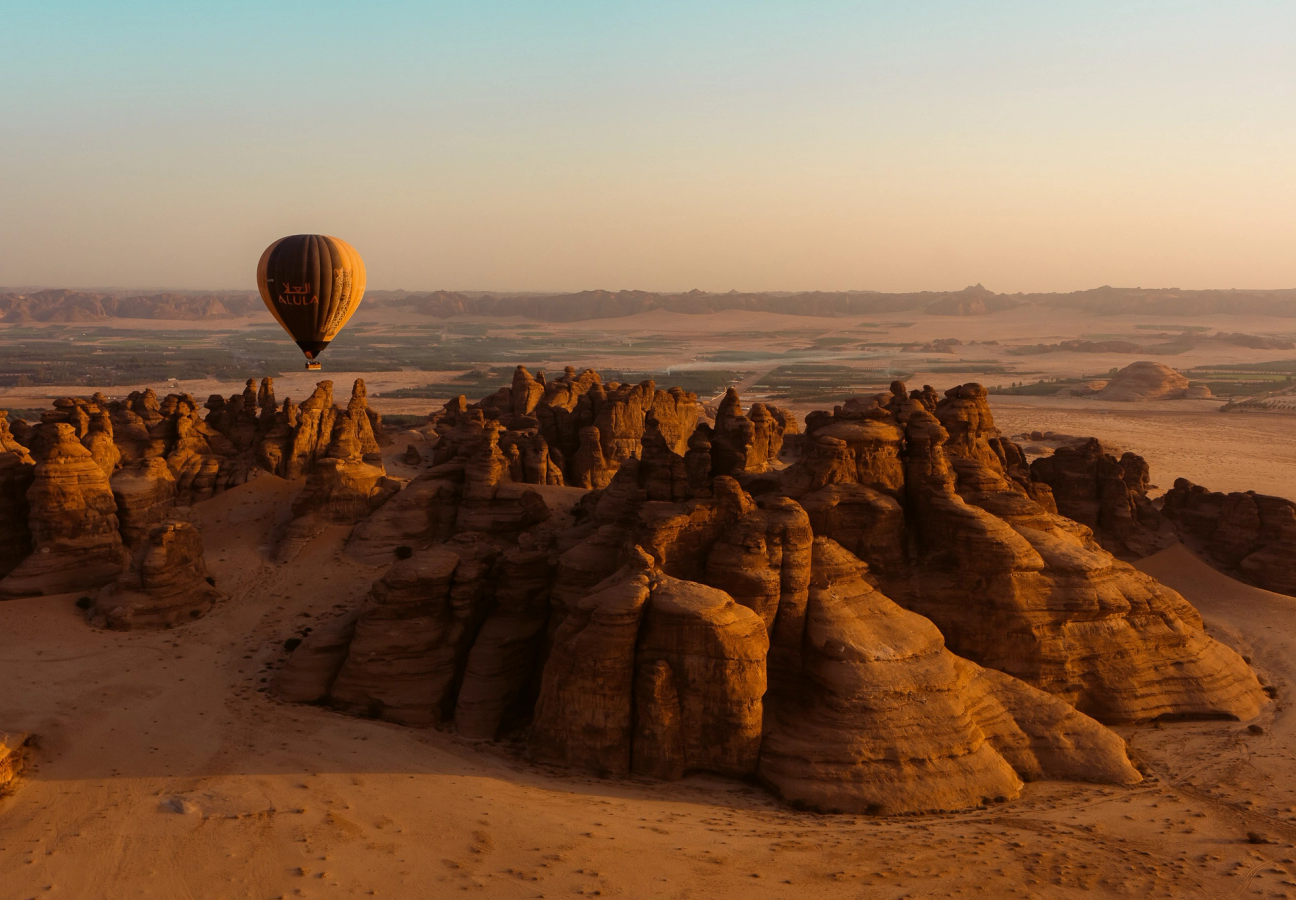
We were lucky enough to experience all that this area had to offer. The most memorable was hot-air ballooning over AlUla at sunrise and almost touching the tops of these historic monuments. We were also fortunate to stay at the luxury sustainable Our Habitas Hotel. My takeaway was that Saudi has a massive amount to offer, both in terms of luxury and culture. If there was one location in the world that was perhaps a perfect home for Dakar, this is it.
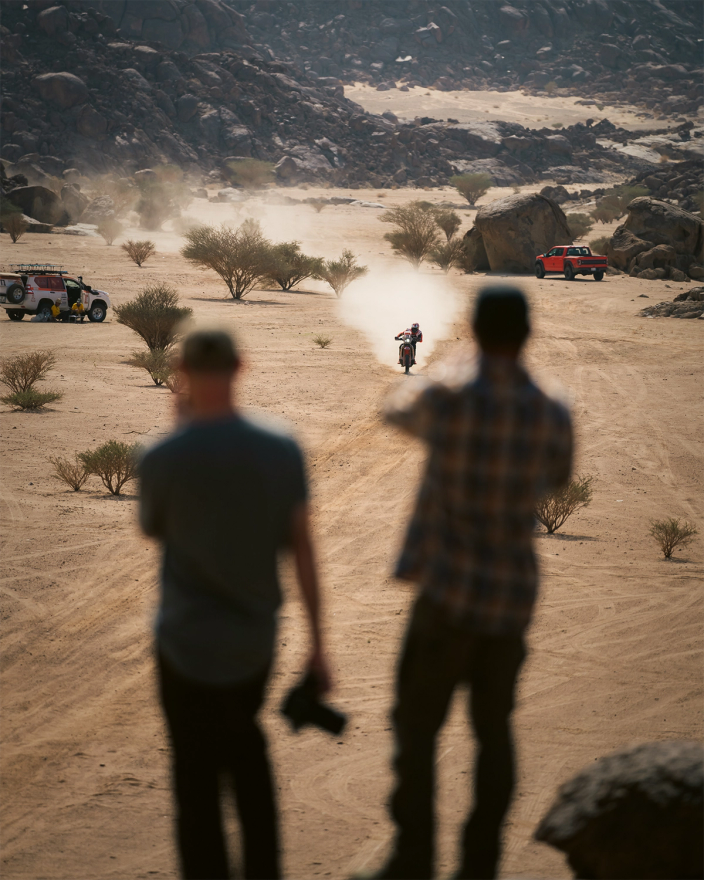
Standing on the side of the course, watching riders disappear into rolling dunes that stretch endlessly towards the horizon, it becomes immediately obvious why the rally works here. The scale is difficult to comprehend until you see it for yourself. The desert is both utterly beautiful and utterly intimidating.
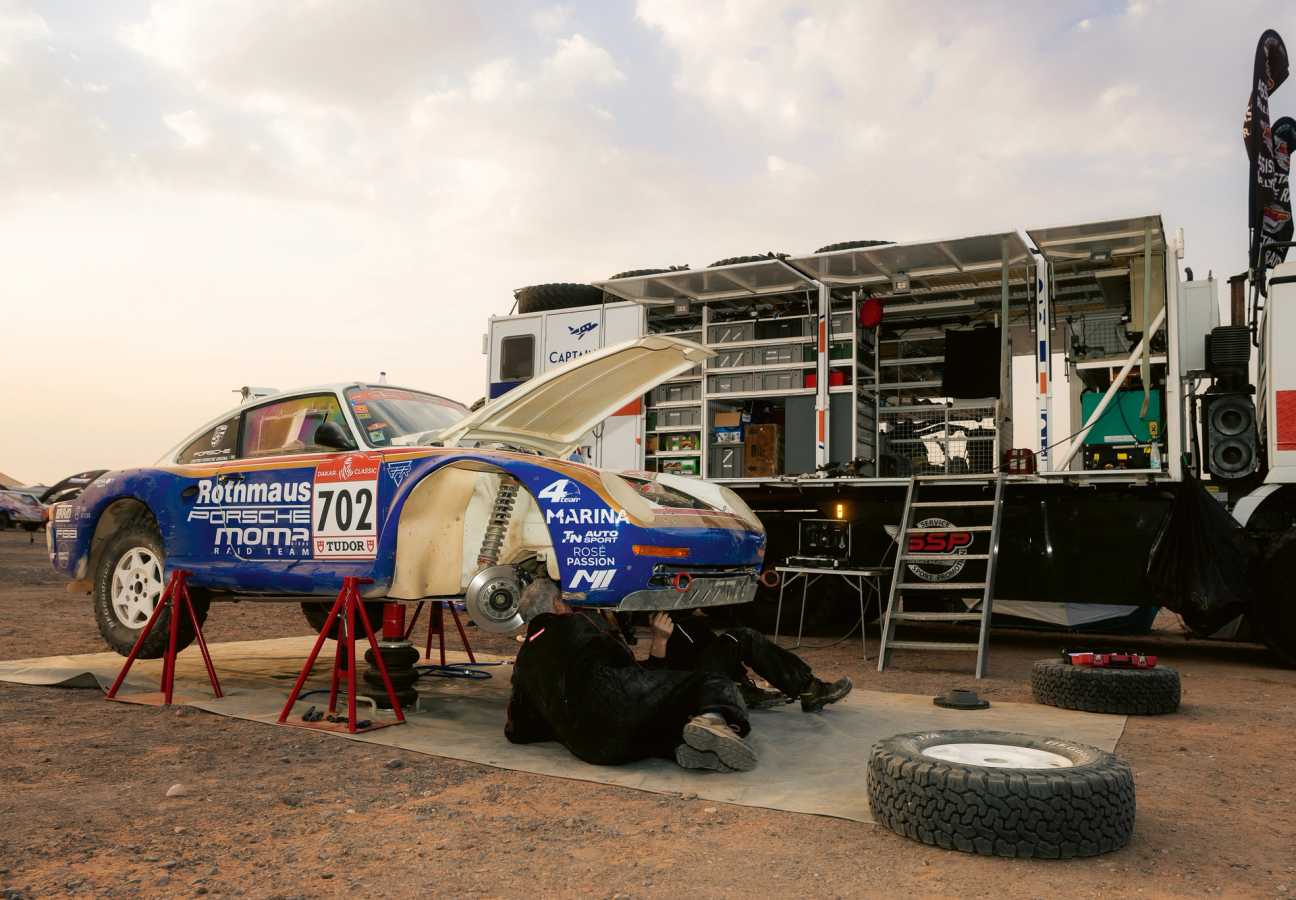
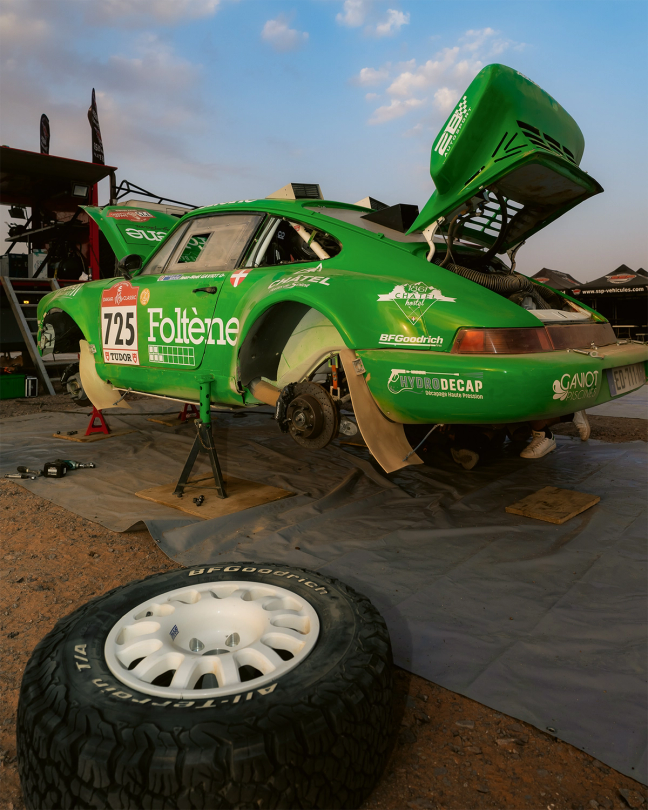
At the bivouac (a temporary, improvised camp or shelter used in the wilderness), where teams rebuild entire vehicles overnight before another stage begins at dawn, the atmosphere feels remarkably free of pretension. Mechanics sleep beside race trucks. Riders walk around covered in sand and exhaustion. Conversations revolve around navigation errors, broken suspension arms and survival.
And this is where Tudor enters the story.
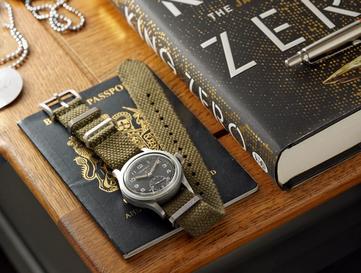
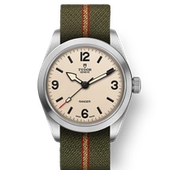
Over the last decade, Tudor has undergone one of the most impressive transformations in modern watchmaking. Once unfairly dismissed as Rolex’s younger sibling, the brand has carved out a distinct identity built around tool watches, exploration and adventure. The Black Bay became the watch world’s great modern success story. The Pelagos established Tudor as a serious diving-watch manufacturer. And increasingly, the Ranger has emerged as perhaps the purest expression of the brand’s ethos. This is the timepiece that Tudor has pegged to their Dakar Rally sponsorship.
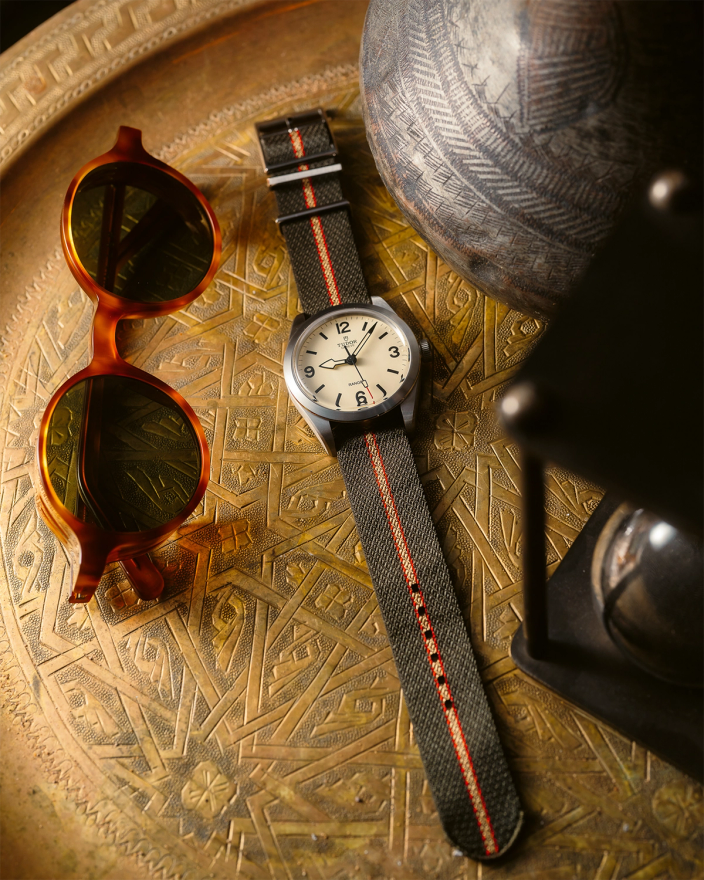
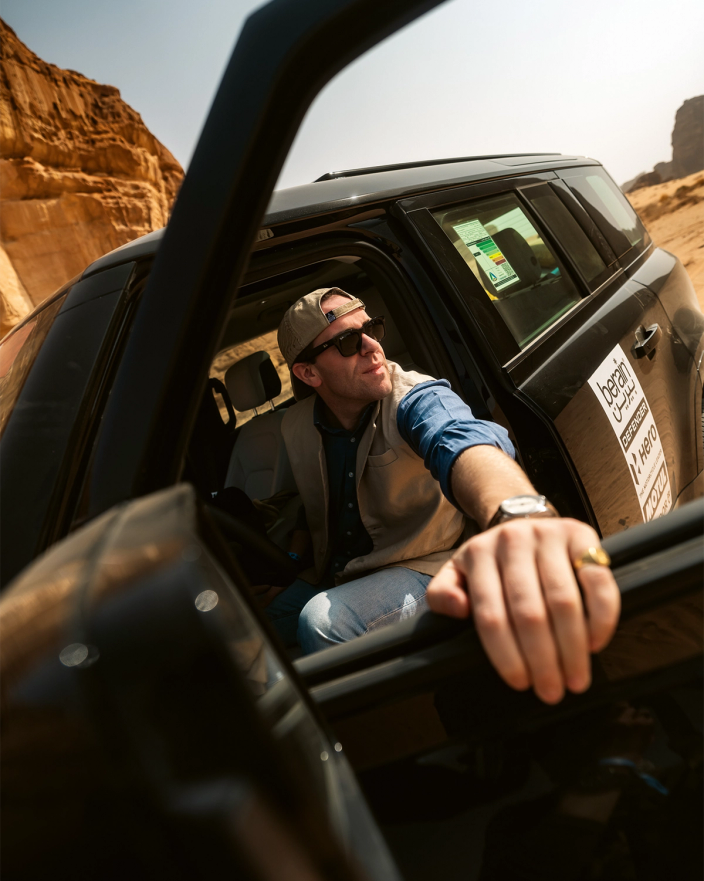
The origins of the Ranger date back to the 1950s and Tudor’s association with the British North Greenland Expedition, during which expedition members wore Tudor Oyster Prince watches in brutal Arctic conditions. The modern Ranger, particularly the current 39mm model,channels that same utilitarian philosophy. Black dial. Maximum legibility. Brushed steel. No unnecessary complications. A watch designed to be used.
“It’s obvious why Tudor chose this event as a platform for the Ranger. It is one of the few remaining sporting arenas where durability genuinely matters.”
After spending time at Dakar, it becomes obvious why Tudor chose this event as a platform for the Ranger specifically. The conditions here are punishing. Heat, vibration, sand, dust and complete physical exhaustion push both machinery and people to their limits. This is not a carefully curated luxury environment. It is one of the few remaining sporting arenas where durability genuinely matters.
What struck me most during my time with Tudor at Dakar was how culturally aligned the Ranger now feels with modern luxury. For years, the luxury-watch industry chased excess: larger cases, more complications, louder aesthetics. But increasingly, tastes are shifting. Collectors, of which Tudor has many, now gravitate towards understatement. Smaller proportions and functional design. Pieces that feel connected to genuine history rather than manufactured exclusivity. The Ranger sits perfectly within that movement.
Starting with 36mm, it avoids the oversized aggression that dominated watchmaking for much of the 2000s. Its dial is clean to the point of austerity. There is no ceramic bezel, no polished centre links, no overt flex. It feels like a watch that Lawrence of Arabia would have owned, transitioning perfectly from the desert to a St James’s gentleman’s club.
The versions presented to Dakar winners were engraved with the year of the rally and their competition number. Fortunately, for those unwilling to endure 5,000 miles of desert punishment to earn one, the 36mm model (my favourite) starts from £2,750.
For more information the Tudor watches visit tudorwatch.com