Can four days at SHA really make you healthier?
Running a business means you spend a lot of time thinking about performance, but rarely your own. Founder and Editor-in-chief Harry Jarman travelled to SHA in Spain to find out what four days of focusing entirely on his health could actually achieve…
- Words by: Harry Jarman
- Imagery courtesy of: SHA
We look at performance constantly. Revenue, growth, cash flow, targets, margins – there’s always another metric to monitor and something that could be improved. Yet when it comes to ourselves, we tend to rely on something rather less scientific: “I feel fine.”
I am probably as guilty of this as anyone. I lead a very active life and have always kept myself fit, so I didn’t travel to SHA in Spain because I felt particularly unhealthy. Rather, it was because I wanted to understand the things I couldn’t see. What was going on beneath the surface? What could I improve? And could four days of concentrating almost entirely on my health actually make any difference?
There was also one thing I knew wasn’t right: my sleep. I’ve struggled with it for some time. I can fall asleep, but I’ll often wake during the night with my mind suddenly racing with work. Once that happens, switching off again can be incredibly difficult. I’ve tried most of the obvious solutions over the years, with varying degrees of success, but had never really got to the bottom of it.
SHA had been on my radar for a while. I’d heard very good things from friends who had visited; some had tried it once, while others had turned a stay into something of an annual ritual. In fact, I even bumped into someone I used to work with while I was there. It has a reputation as one of Europe’s leading luxury wellness destinations, but what particularly interested me this time was its four-day Executive Health and Performance programme.
Because there is another contradiction here. The people who perhaps most need to stop and look after themselves are often the people least willing to give up the time to do it. Tell an entrepreneur to disappear for two weeks and they’ll probably tell you it’s impossible. Four days, however, is manageable. Would I have benefited from staying longer? Almost certainly. But, as I discovered, four days was enough.
SHA’s story is, appropriately, rooted in its founder’s own health. Spanish businessman Alfredo Bataller Parietti had suffered from health problems for more than 30 years when, following a worrying diagnosis, he began exploring a combination of nutrition, natural therapies and conventional medicine. The improvement he experienced inspired him, together with his family, to create SHA, which opened in 2008 on the site of the family’s former summer home overlooking Albir Bay. His son, Alejandro Bataller, remains closely involved today as the complex’s vice president, and SHA continues to be very much a family business.

SHA opened in 2008 on the site of the Bataller family’s former summer home above Albir Bay.
That history helps explain why SHA feels rather different from a luxury hotel that happens to have a very good spa. From the beginning, the Batallers’ idea was to bring together medical diagnostics, nutrition, physical fitness and mental wellbeing under one roof. Food, in particular, has always been fundamental to the philosophy, something that would become increasingly apparent during my time spent there.
The experience begins before you even reach SHA. I was collected from Valencia airport by one of its chauffeurs in a beautiful BMW, complete with Wi-Fi, an amenity which, in hindsight, perhaps enabled precisely the behaviour I had travelled to Spain to escape.
But arriving at SHA is different. There is an immediate sense of peace and tranquillity. Everything seems calmer. You feel as though you’ve stepped out of normal life and into an environment deliberately designed to make you slow down.
The sense of calm continues into the rooms. These aren’t clinical quarters masquerading as hotel bedrooms, but proper luxury suites: spacious, contemporary and deliberately understated, with plenty of Mediterranean light and private terraces. Even the entry-level Deluxe Suites measure a generous 70 square metres. Before you arrive, SHA even asks how you would like your bed set up according to your sleeping preferences – a nice touch, and one that rather neatly sums up the attention to detail throughout the stay.
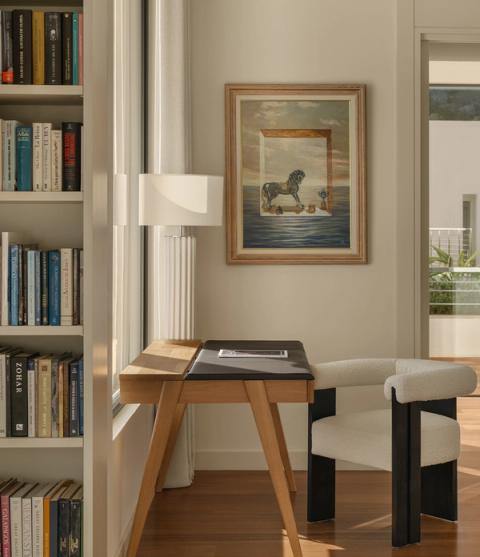
The Royal Suite’s work area.
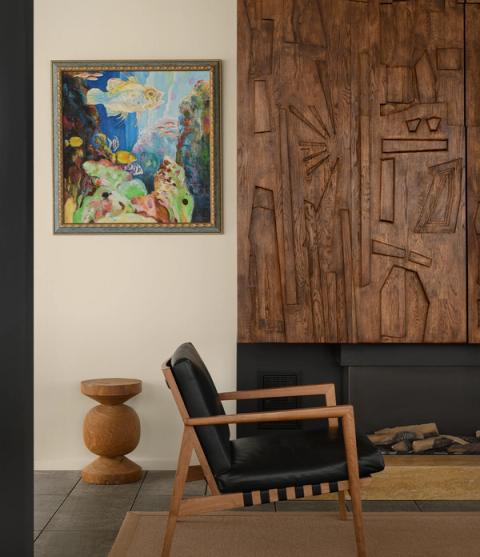
The Royal Suite’s rooftop living space.
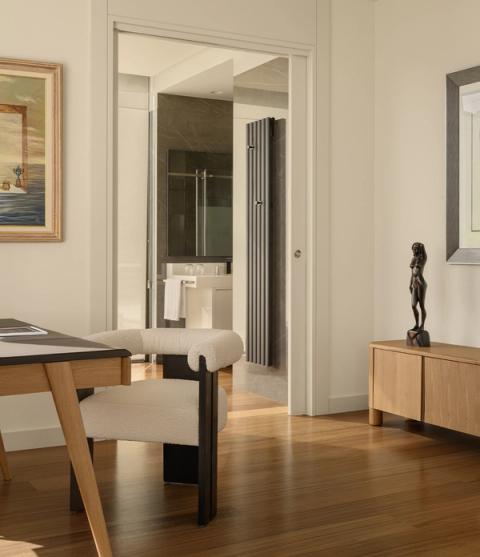
The Royal Suite’s master-bedroom details.
Don’t mistake all this, however, for an invitation to spend four days lying beside a sunny swimming pool. I had expected the experience to be considerably more relaxed than it actually was. Instead, almost immediately after arriving, I found myself beginning a surprisingly intensive series of assessments. My first afternoon there included a health check-up, advanced health-optimisation diagnostics, an initial medical consultation and then an interesting anti-inflammatory nutritional consultation.
It was something of a shock. Not because there was anything intimidating about it, but because of how thorough the process was. The team wanted to learn as much about me as possible. This wasn’t simply a case of asking how I felt, prescribing a massage and sending me to the pool. They wanted to build a detailed picture of my health and lifestyle before deciding where improvements could be made.
One of the reassuring things was that they didn’t discover anything particularly dramatic. I had a slight vitamin D insufficiency, hardly the greatest surprise for someone who spends much of his life in England, but otherwise I was in relatively good shape.
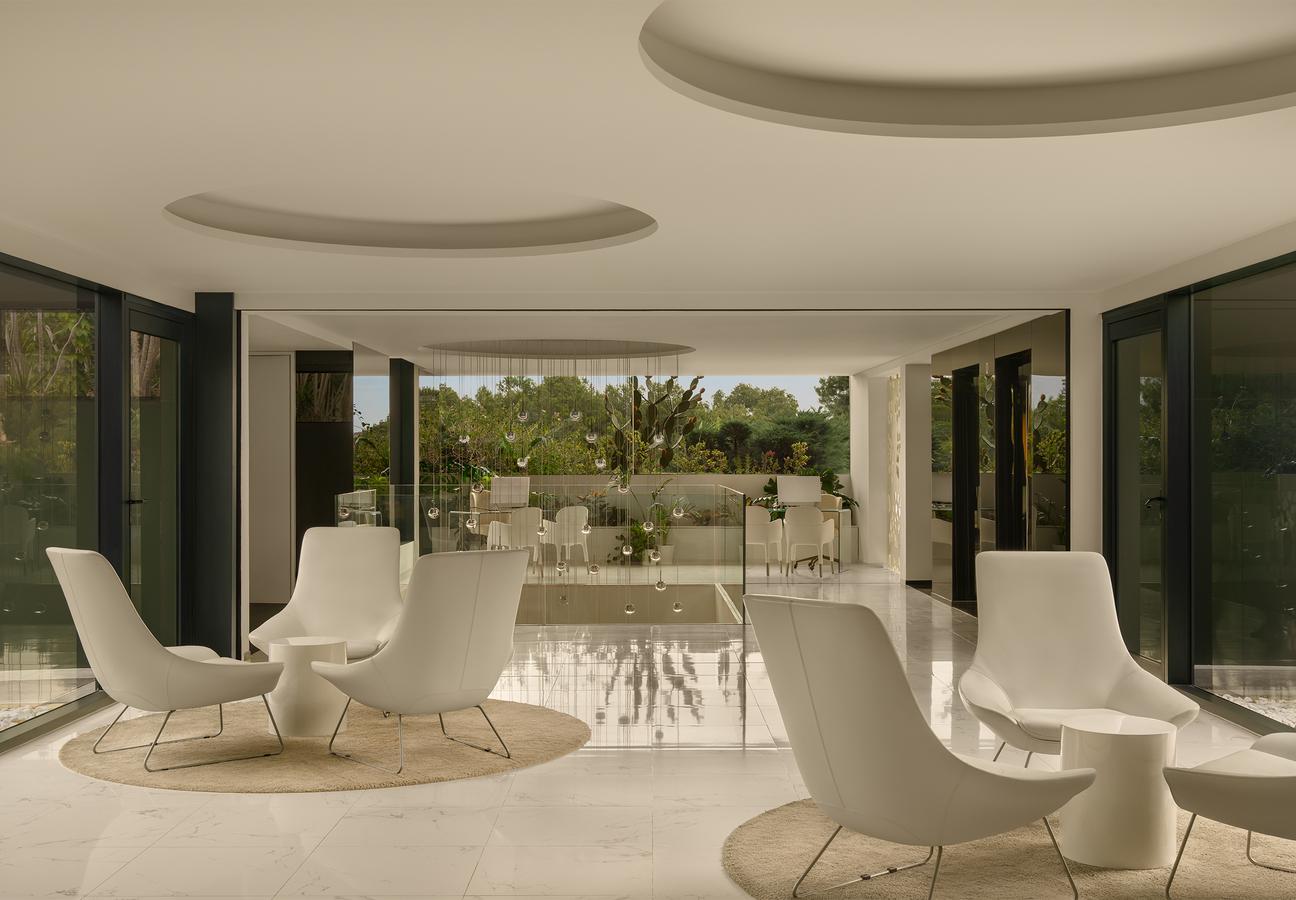
Medical assessments help SHA’s team build a detailed picture of each guest’s health and lifestyle.
The following morning went deeper. There were biomarkers and an Oxytest, followed by consultations covering sleep and revitalising medicine, before a VO2 Max assessment later in the day. The VO2 Max was not my favourite 40 minutes of the trip, but the results were good, which at least confirmed that keeping fit was doing something.
Far more interesting to me was the cognitive assessment the following day. I hadn’t done anything resembling it since I was a child. Suddenly, I was being tested to understand where my brain performed well and where it performed less well. My coordination could apparently do with some work, which wasn’t entirely surprising, but I was genuinely amazed by how strong my memory was.
The stress assessment provided another surprise. I had arrived convinced that I was extremely stressed. Running businesses inevitably means there is always something occupying your mind, and I’d conflated that constant mental activity with stress. Yet the testing suggested I wasn’t nearly as stressed as I’d imagined. It made me realise that sometimes the problem isn’t necessarily the level of stress itself, but allowing your mind to take over your thoughts.
This became particularly relevant when it came to my sleep. SHA wanted to investigate whether there might be a breathing-related problem during the night. Thankfully, the testing ruled that out. Instead, the emphasis shifted towards something much simpler: learning how to calm my thoughts and get myself back to sleep when I woke.
There was no miraculous transformation while I was there. In fact, by the end of the four days, my sleep hadn’t improved significantly at all.
The interesting thing happened afterwards. Once I returned home and started properly applying some of the techniques I’d been taught, my sleep began to improve. I’d tried countless things before visiting SHA, yet some relatively simple changes to the way I dealt with waking and racing thoughts made a genuine difference. For me, that’s one of the most important measures of a programme like this. The question isn’t how virtuous you feel while you’re there; it’s whether any of it survives contact with real life. And several things did.
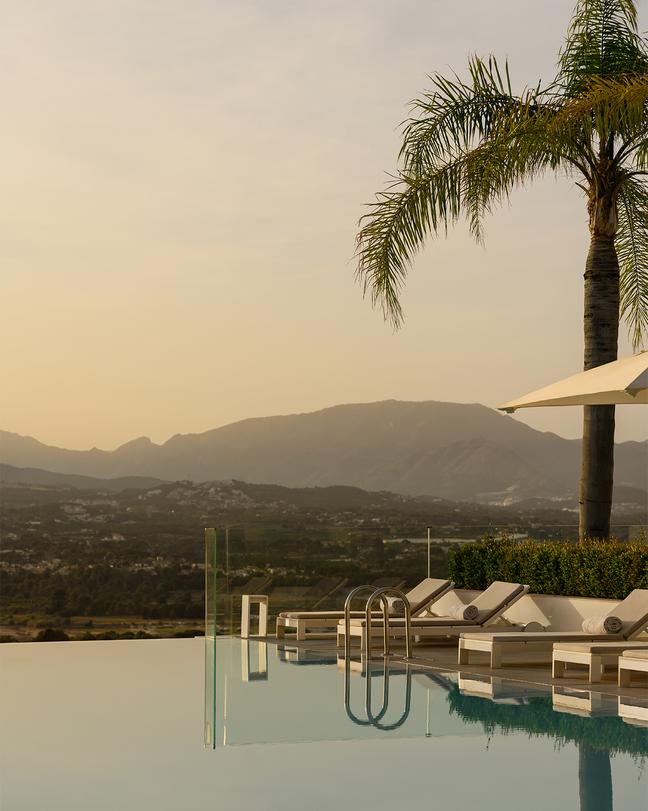
SHA’s Mediterranean setting provides a deliberate change of pace from everyday life.
Food was perhaps the biggest revelation. There is an enormous difference between somebody telling you to improve your diet and spending four days in an environment where you begin to understand how food affects the way you feel. SHA offers different menus depending on each guest’s goals, including more intensive options for those looking to lose weight, but nothing about my experience felt like starvation disguised as wellness. Quite the opposite.
The food was spectacular and the chefs were excellent. Everything felt incredibly clean. There were wonderful teas, hot vinegar in the morning and even an afternoon tea if hunger struck.
More importantly, there was education behind it. My programme included a 90-minute healthy-proteins cooking class, which turned the nutritional advice into something I could actually take home. Two months later, diet is probably the area in which I’ve maintained the greatest change. I’m more conscious of what I’m eating and have cut back considerably on things such as dairy.
Then there’s coffee. Before SHA, I would quite happily drink four or five cups a day. I assumed I’d find cutting back on that quantity difficult. Strangely, however, I didn’t. Two months later, I now have one coffee in the morning and have replaced the afternoon coffees with green tea. I simply realised that I didn’t need as much caffeine as I thought I did.
I’d love to be able to tell you that the same Damascene conversion occurred with alcohol. It didn’t. But we can’t have everything.
The programme also gets considerably stranger than blood tests and green tea. On the Friday evening, I tried Watsu, something entirely unlike anything I’d experienced before. It takes place in a pool, where you float while a therapist supports, massages and moves you around the water. It sounds slightly bizarre. It is slightly bizarre. I highly recommend it.
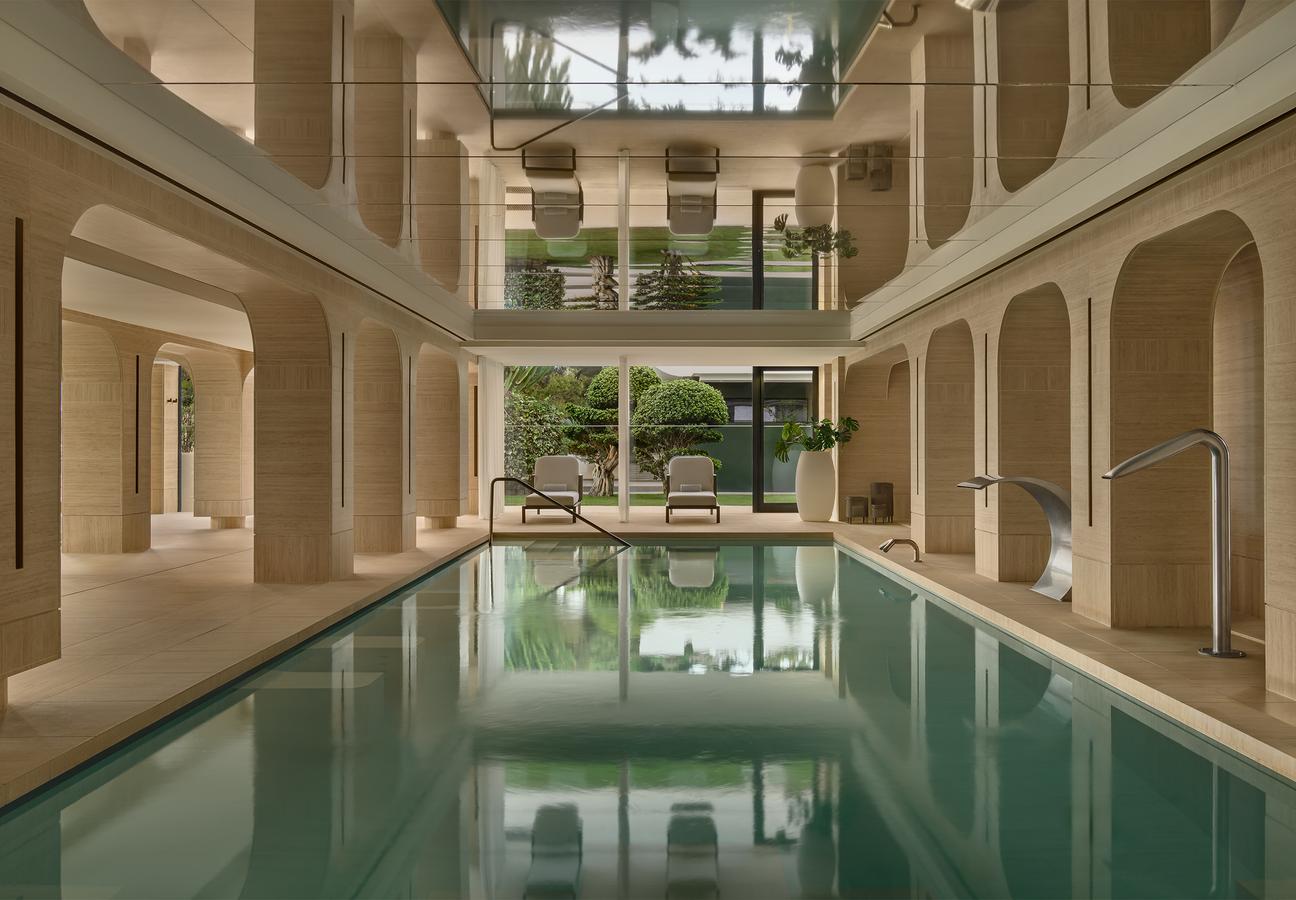
Hydrotherapy is one element of the broad range of experiences on offer at SHA.
The following day included intravenous treatments, followed by osteopathy and other therapies. Some experiences inevitably made a greater impression than others, and I suspect certain treatments are things you would need to undertake more regularly before judging what effect they have. But that is also part of SHA’s appeal: over four days you’re exposed to an enormous range of approaches and can begin to understand what works for you.
Despite all this, I never entirely stopped working. I’d like to say that I handed over my phone at reception, ignored every email and spent four days contemplating the Mediterranean. The reality of my job is that I can’t completely disappear. I still checked in and dealt with things during the day.
But I did change my behaviour. In the evenings, I made a conscious effort not to work and stayed away from WhatsApp. The atmosphere makes that considerably easier. SHA asks guests to keep calls out of its common wellness and restaurant spaces, and the result is an environment where your phone gradually feels less important. That, ultimately, is what I think SHA does particularly well.
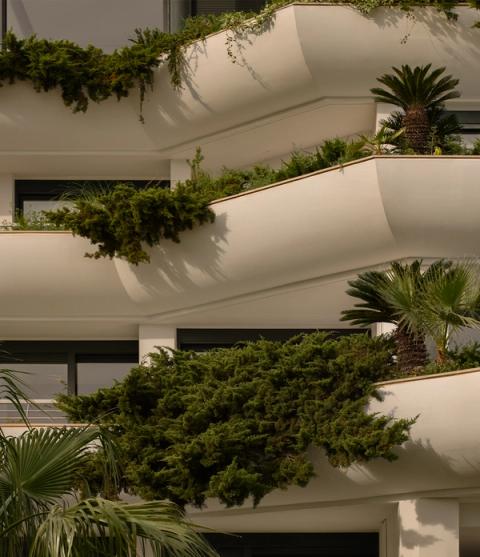
SHA asks guests to keep calls out of its common wellness spaces.
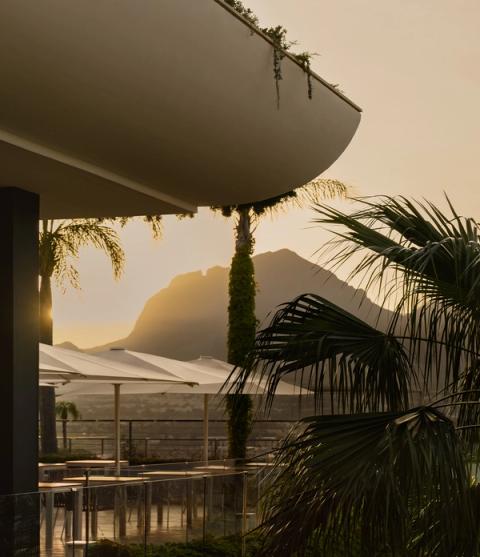
An environment deliberately designed to help guests slow down.
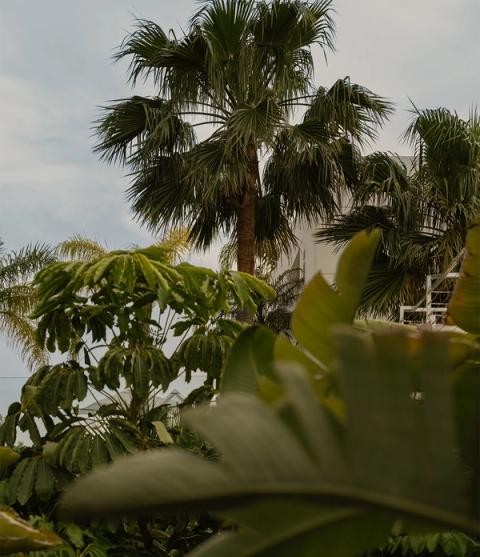
Calm surroundings made switching off in the evenings easier.
The thing is: we all know, broadly, what we’re supposed to do. Eat better. Sleep more. Exercise. Drink less. Manage stress. Put the phone down occasionally. The problem isn’t a lack of information; it’s that everyday life makes it incredibly difficult to concentrate on any of those things for very long.
SHA removes that excuse. For a short period, you’re placed in an environment where the focus is entirely on you and how you can perform at your best. There is something incredibly valuable about that, particularly if you run a business. Entrepreneurs are very good at identifying weaknesses in companies and finding ways to improve them. We’re often rather worse at applying the same discipline to ourselves.
By the time I left, I felt physically amazing and extraordinarily relaxed. The difference compared with how I’d felt four days earlier was enormous. Not everything changed immediately – sleep, notably, improved only once I returned home and put what I’d learnt into practice – but enough of it stuck to make the experience worthwhile.
Would I stay for longer next time? Probably not. I can completely understand why people do. There are guests who return year after year and others who undertake much longer programmes, and I’m sure they have their reasons for doing so. Personally, I suspect I’d get bored. Four days felt about right: long enough to properly remove yourself from your normal routine, but short enough that someone running a business can realistically make it work.
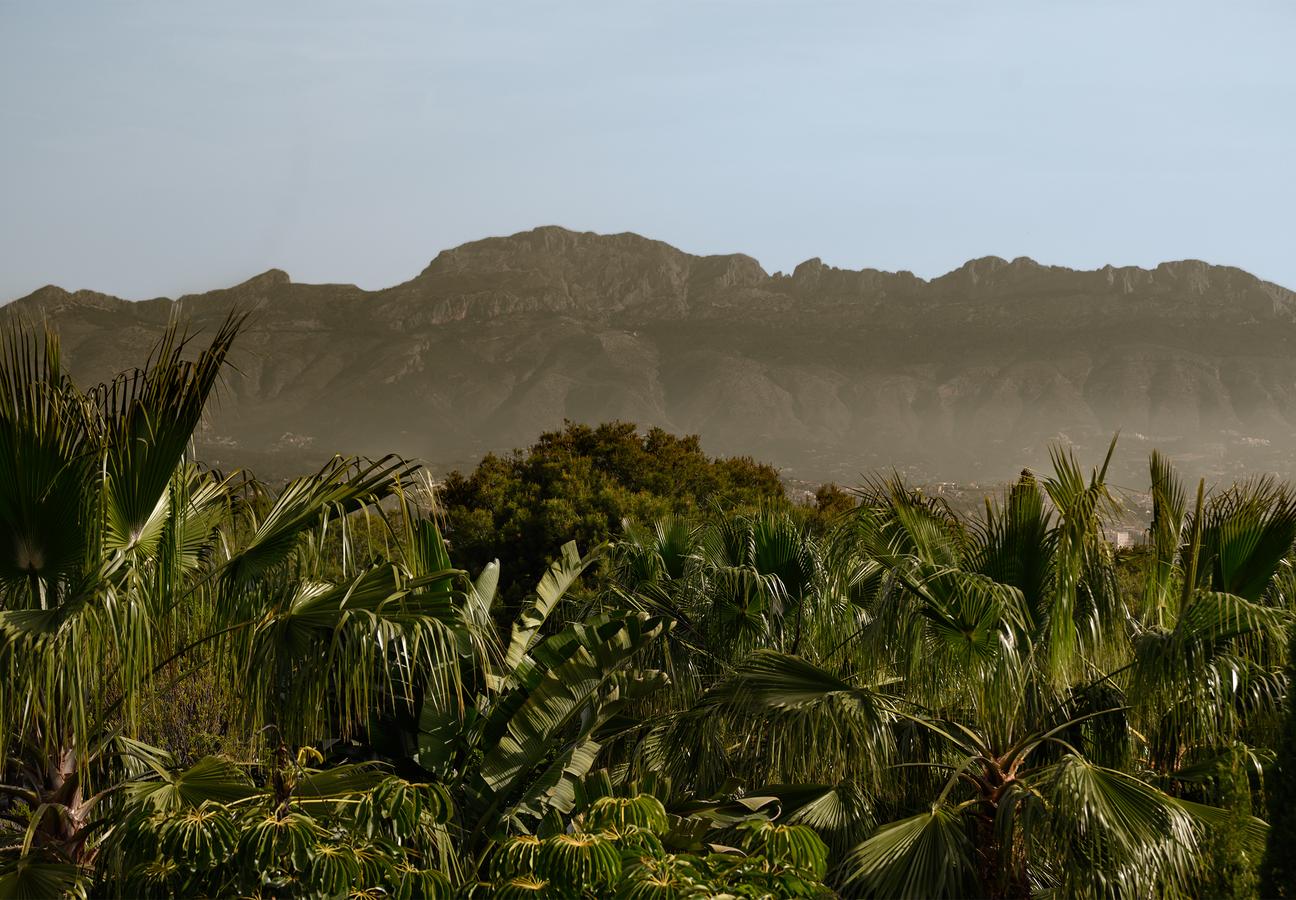
For Harry, four days offered a manageable break from the normal demands of running a business.
If I did return, I’d probably bring someone with me. I travelled alone, which was perfectly enjoyable, but I can see the appeal of doing it with a friend or partner, if only to compare your increasingly competitive test results over dinner.
And perhaps that’s the greatest endorsement I can give SHA: I would go back. Not because four days transformed me into some caffeine-free, alcohol-abstaining wellness evangelist. They didn’t. But the experience did make me think differently about my health. It changed aspects of my diet, dramatically reduced the amount of coffee I drink and, eventually, helped me sleep better.
Most importantly, it forced me to spend four days focusing on something that is very easy to neglect when you’re busy with running a business: yourself. We spend our working lives trying to make our businesses perform better. Every now and then, it might be worth asking whether we’re doing the same for the person running them.
Harry took part in the Executive Health and Performance programme over four days at a cost of €7,000.
The details
- Location
- SHA Spain, Albir, Alicante
- Programme
- Executive Health and Performance
- Duration
- Four days