Cars -- 11 days ago
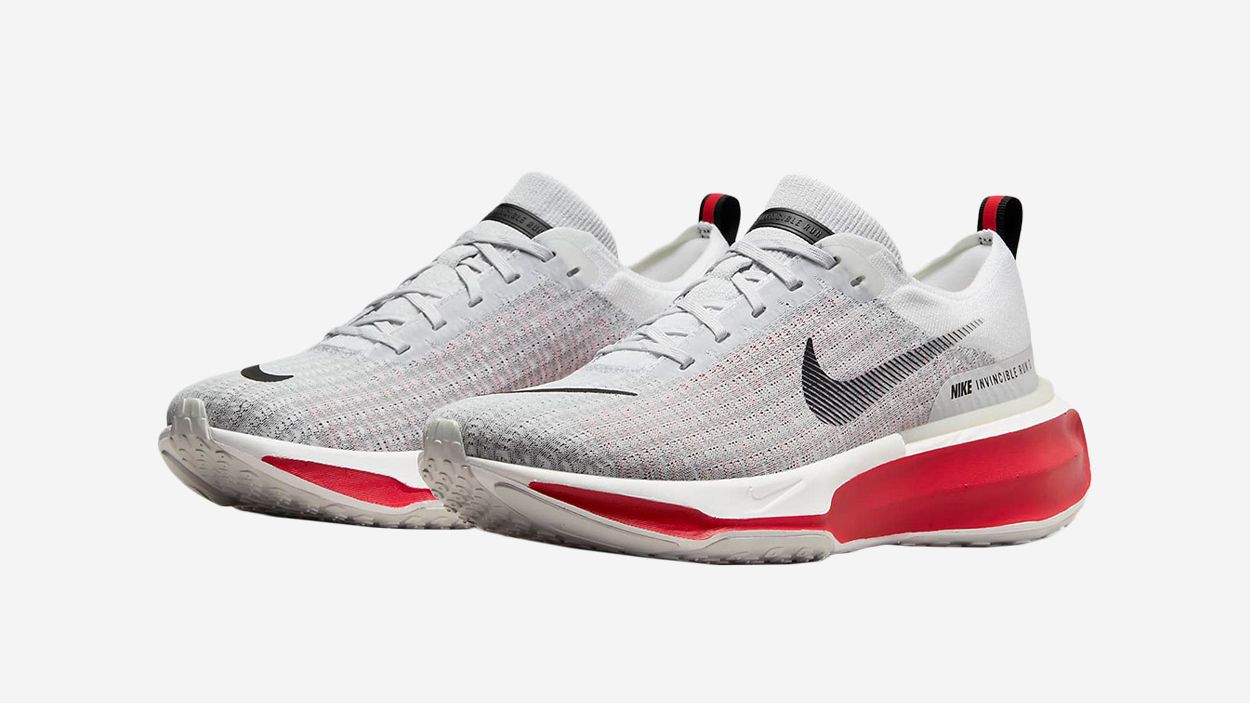
Foam gets the headlines, yet the plate is what changes the stride and the intent. For anyone asking which Nike shoes have carbon plate, the answer sits in the performance line, with a couple of deliberate outliers.
Carbon plates have done something rather startling to the humble running shoe. They have taken a pastime once defined by damp pavements and quiet resolve, and turned it into a minor arms race conducted in bright colours and earnest jargon. Nike, being Nike, did not merely join this movement. It walked in, took the best seat, and began rearranging the agenda with a serene expression that suggested it had already read the minutes.
If you are wondering which Nike shoes contain a carbon plate, you are in sensible company. The answer is not every Nike that looks sporty, nor every Nike that has a swoosh large enough to be seen from low Earth orbit. Carbon plates are concentrated in Nike’s top road racing models, a few plated trainers built for faster sessions, a serious trail racer, and several elite track spikes. There are also Nike shoes with plates made from other materials, which behave in a broadly similar way but do not meet the strict carbon brief.
What follows is a clear guide to the Nike models most commonly associated with carbon plates, what they are for, and how to decide whether you need one. You may not need one. You may very much want one. Both positions are defensible.

A carbon fibre plate is a stiff layer embedded inside the midsole, usually shaped with a curve that encourages a smoother roll from landing to toe off. The plate does not provide cushioning on its own. It works with the foam around it, particularly modern high-return foams, to create a feeling of forward drive.
There are three practical effects most runners notice.
First, the shoe feels more propulsive. The plate helps you move through the stride more quickly, and that can make fast running feel slightly less costly. It is not magic, but it can feel like someone has quietly improved the leverage in your favour.
Second, the plate stabilises soft foam. Nike’s fastest foams are designed to compress and rebound. Without some structure, that softness can feel wobbly, especially when fatigue arrives, and form begins to fray at the edges. The plate acts like an internal spine that helps keep things aligned.
Third, the ride becomes more directional. Carbon-plated shoes tend to reward efficient running. They like steady forward motion. They are less enthusiastic about shuffling, sharp turns, or stopping to tie a lace while pretending you meant to do that anyway.
A small note, offered in the spirit of administrative clarity. Some Nike shoes include a plate that is not carbon fibre. Composite and nylon-based plates exist, and they can still feel snappy. If your question is strictly about carbon, you will want the models that explicitly state carbon fibre in their specifications.
If you want the most straightforward answer, begin with these. Nike’s premier road racing shoes are built around a full-length carbon fibre plate paired with high-return foam. These are the shoes people wear when they say they are just going out for a steady run and then return with a personal best and a suspiciously cheerful manner.
The two flagship families are Vaporfly and Alphafly. Both are carbon-plated. Both are designed for racing. Both have encouraged a certain kind of conversational behaviour at finish lines, usually involving the phrase, I did not expect that.
Vaporfly tends to feel lighter and more aggressive, with a ride that suits everything from shorter road races up to the marathon for many runners. Alphafly tends to feel more substantial and stable, built with the marathon in mind and designed to keep you moving efficiently when the later miles begin to negotiate rather than cooperate.
If you are shopping for a Nike carbon-plated race shoe, these are the names you will meet first. They are not subtle, but they are effective, which is rather the point.

The Vaporfly line has become the shorthand for Nike’s carbon era, the shoe that made serious runners raise an eyebrow, and casual runners consider signing up for a half-marathon out of pure curiosity. Vaporfly models use a full-length carbon fibre plate and a responsive foam package designed to maximise energy return.
In practice, a Vaporfly feels quick. It encourages you to maintain cadence and move forward with intent. When you are fresh, it feels lively. When you are tired, it feels like a firm but polite suggestion that you keep going.
Vaporfly is commonly chosen for road races from 5K to the marathon, depending on preference and biomechanics. Some runners prefer it for shorter races because it feels light and sharp. Others prefer it for longer races because it reduces the sense of pounding in the legs. Both camps can be correct, which is inconvenient for anyone hoping for a single definitive ruling.
If you want a Nike carbon-plated shoe primarily for racing and you do not want to overthink the matter, Vaporfly is often the cleanest choice. It is the straightforward answer delivered in a very fast package.
Alphafly is the shoe Nike built for people who treat the marathon as a serious appointment rather than a whimsical day out. Like Vaporfly, it features a full-length carbon plate. The overall geometry and platform tend to prioritise sustained efficiency and stability over long distances.
The sensation underfoot is different. Alphafly often feels more structured, with a distinct rolling motion that can help maintain rhythm deep into a race. Where Vaporfly can feel like a scalpel, Alphafly can feel like a well-engineered machine designed to keep the pace from slipping when fatigue tries to renegotiate the terms.
This is why many marathon runners gravitate towards it. The later stages of a marathon are not merely physical. They are political. Alphafly is designed to keep the coalition together when the smaller parties start threatening to leave.
If your primary goal is the marathon, or if you like a stable platform with a propulsive roll, Alphafly is Nike’s most famous carbon-plated answer.

Not every run should be a race, even if your shoes occasionally disagree. For training, Nike’s Zoom Fly line has often served as the plated workhorse. These shoes typically include a full-length carbon plate, but they are built with more durability and a feel that suits repeated workouts.
Zoom Fly models are commonly used for tempo runs, longer intervals, marathon pace sessions, and the sort of structured training that looks calm on paper and feels less calm in reality. The plate helps maintain a snappy toe off, while the construction aims to withstand more mileage than a delicate race shoe.
They are not as light or as exuberant as Vaporfly or Alphafly. They do not need to be. Their purpose is to help you do the work, the steady accumulation of sessions that creates fitness without demanding a finish line every time you leave the house.
If you like the idea of carbon plating but you also like the idea of shoes that can take a bit of daily life, Zoom Fly is the sensible civil service option. It will not steal the headlines, but it will keep the operation running.
Streakfly sits in the grey area where people become very confident online and slightly less confident in the shop. The Streakfly name has been used for lightweight speed-oriented shoes aimed at shorter races and faster training. Some versions and updates have been associated with plated constructions, including carbon elements in certain newer iterations.
Because product lines evolve, the most prudent approach is to treat Streakfly as a model family rather than a single immutable object. If carbon plating is the decisive factor, check the official specification for the exact version you are buying, rather than relying on a memory of last year’s review or a friend who speaks in absolutes after two coffees.
When Streakfly is carbon-plated, the intent is clear. It is built for speed, for sessions where you want a sharp feel, and for races where you want something light and responsive. Think 5K, 10K, and fast days when you want to feel nimble without committing to the full marathon machinery of Alphafly.
If you want a lightweight Nike option that can lean towards a plated race feel, Streakfly is worth understanding. Just be precise about the version, and you will avoid the sort of mild disappointment that comes from discovering you have bought the wrong briefcase.
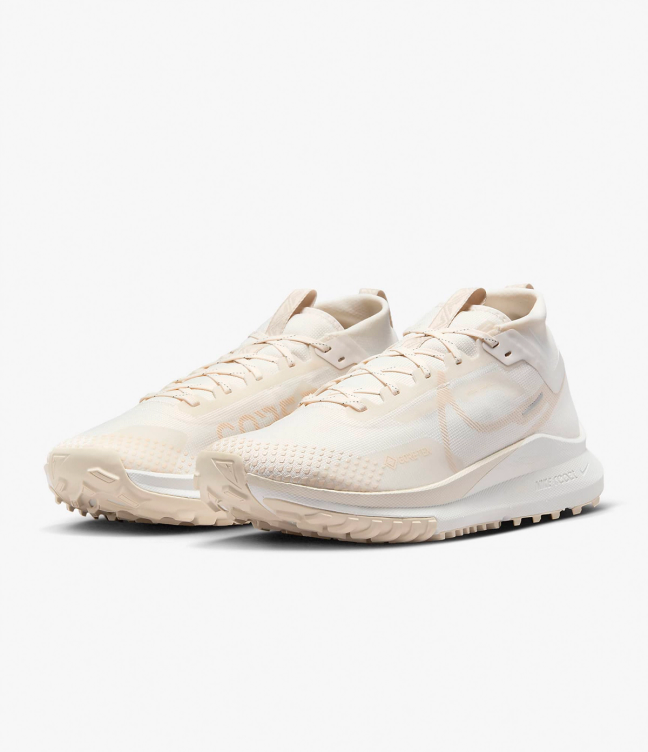
Trail running has a way of mocking the neat theories of road running. The surface changes, the angles change, the weather changes, and the concept of a smooth stride becomes an aspiration rather than a plan. Still, Nike has brought carbon plating into the trail world with the Nike Ultrafly, a trail racing shoe designed for speed on uneven terrain.
Ultrafly includes a carbon plate intended to add propulsion and structure, helping you keep momentum when the ground is trying to interrupt your progress. It is paired with performance foam and trail-specific grip. This is not a shoe for leisurely woodland contemplation. It is for running with purpose, preferably while pretending the roots and rocks are part of a curated experience.
A carbon plate on trails can feel different from a road plate. The goal is not just raw speed. It is efficiency and stability under conditions that refuse to be predictable. If you race trails or if you like moving quickly off-road, Ultrafly is Nike’s most direct carbon-plated offering in that realm.
Track spikes live in a world of their own, a world where the warm-up feels like a negotiation, and the race feels like a brief but intense parliamentary session. Nike uses carbon plates in several elite track spikes, particularly those designed for sprinting and middle distance, where stiffness and rapid turnover are prized.
Carbon-plated spikes are built to keep you on your toes, literally and metaphorically. They prioritise propulsion and minimise energy loss through the foot. The sensation can be fierce, in the best sense of the word. These are not shoes for easy days. These are shoes for performance.
If you run track seriously, or you race on the track and want Nike’s sharpest tools, you will find carbon plates in models aimed at sprint events and middle distance, and in certain long-distance spikes as well. The exact lineup changes as Nike updates products, but the principle remains consistent. Where Nike is chasing maximum speed on the oval, carbon plates tend to appear.

Now for the part that causes confusion at dinner parties, or at least at the sort of dinner parties where someone thinks it is charming to bring up stack height. Nike has also produced shoes with plates made from composite materials, nylon-based blends, or other stiffening elements. These can still feel fast and structured, but they are not carbon fibre plates.
Why does Nike do this? Because different use cases demand different compromises. Carbon is stiff and springy, but it can also be demanding. A non-carbon plate can provide some snap and stability while feeling a touch more forgiving, and it can suit shoes aimed at high mileage training, or at runners who want a plated feel without the full race shoe intensity.
If you see a Nike model described as having a plate, but the material is listed as composite or nylon, that is the distinction. It may still be an excellent shoe. It is simply not the specific answer to the carbon plate question.
If you are entering races with rules that specify carbon plate limits, or you simply want the true carbon-plated experience, you will want the models that clearly state carbon fibre in their construction.
Choosing among Nike’s carbon-plated options is less about chasing the most famous name and more about matching the shoe to your running life, your goals, and your tolerance for shoes that feel like they have opinions.
If you are primarily racing on the road and you want the classic Nike carbon-plated experience, Vaporfly and Alphafly are the obvious place to start. Vaporfly tends to suit runners who like a lighter and sharper feel. Alphafly tends to suit runners who value stability and efficiency over longer distances, particularly the marathon.
If you want something for training that still gives you a plated ride, Zoom Fly is the more practical option. It is designed to handle repeat sessions and accumulate mileage, while still delivering that rolling, propulsive sensation that makes tempo runs feel slightly more polished.
If you want a lightweight speed shoe for shorter races and fast sessions, and you are confident that you are looking at a carbon-plated version, Streakfly can make sense. It aims for nimbleness and speed rather than marathon endurance.
If you run trails and you want a carbon-plated trail racing shoe, Ultrafly is the specific model to know. It brings the plated concept into a setting where grip and stability matter as much as bounce.
If you run track, carbon-plated spikes are their own category. They are specialised, they are intense, and they are not designed to be worn casually unless you enjoy alarming your neighbours.
One more point, delivered with the quiet firmness of a well-drafted memo. Carbon plates do not replace training. They do not correct poor pacing. They do not make an easy run easy if you insist on running it like a race. They are tools, and like any tool, they work best when used for the right job.

Carbon-plated shoes are most beneficial when you are running fast enough to engage the geometry and the foam effectively. That usually means racing, fast workouts, and long efforts at a meaningful pace. If you are running most of the time very easily, or you prefer a relaxed and steady approach, you may find a plated shoe feels odd, or unnecessarily insistent.
They can be particularly useful for runners who want to protect their legs during harder training blocks, or who are targeting specific race goals and want every marginal gain available, provided the shoe suits their mechanics. They can also be enjoyable simply because they feel quick and modern, and there is no shame in enjoyment. Life is hard enough.
That said, carbon-plated shoes can feel less stable for some runners, especially on tight corners or uneven surfaces, and they can be less comfortable at slow paces. They can also encourage you to run faster than planned, which is excellent for your ego and less excellent for tomorrow’s recovery run.
If you are new to running or returning after time away, it is usually wiser to build consistency first. Once you have a base and a sense of what paces and distances you handle well, a carbon-plated shoe can be introduced with more confidence and less drama.

Nike’s carbon-plated world is not as complicated as it sometimes appears. The clearest carbon-plated road racers are the Vaporfly and Alphafly families. The more training-oriented plated option is typically Zoom Fly. A lightweight speed option may be found in Streakfly, depending on the version. The trail carbon-plated model to know is Ultrafly. On the track, Nike uses carbon plates in various elite spikes designed for speed on the oval.
The rest is detail, and detail is where people tend to get theatrical. Choose the shoe that matches your use case, trust your feet over the internet, and remember that the point is not to own the most advanced object in the room. The point is to run well, and to enjoy the quietly ridiculous privilege of being able to argue about foam and plates as though it were a matter of state.
If nothing else, you will have excellent shoes and an even better excuse to leave the room early.
To receive the latest in style, watches, cars and luxury news, plus receive great offers from the world’s greatest brands every Friday.