Cars -- 11 days ago
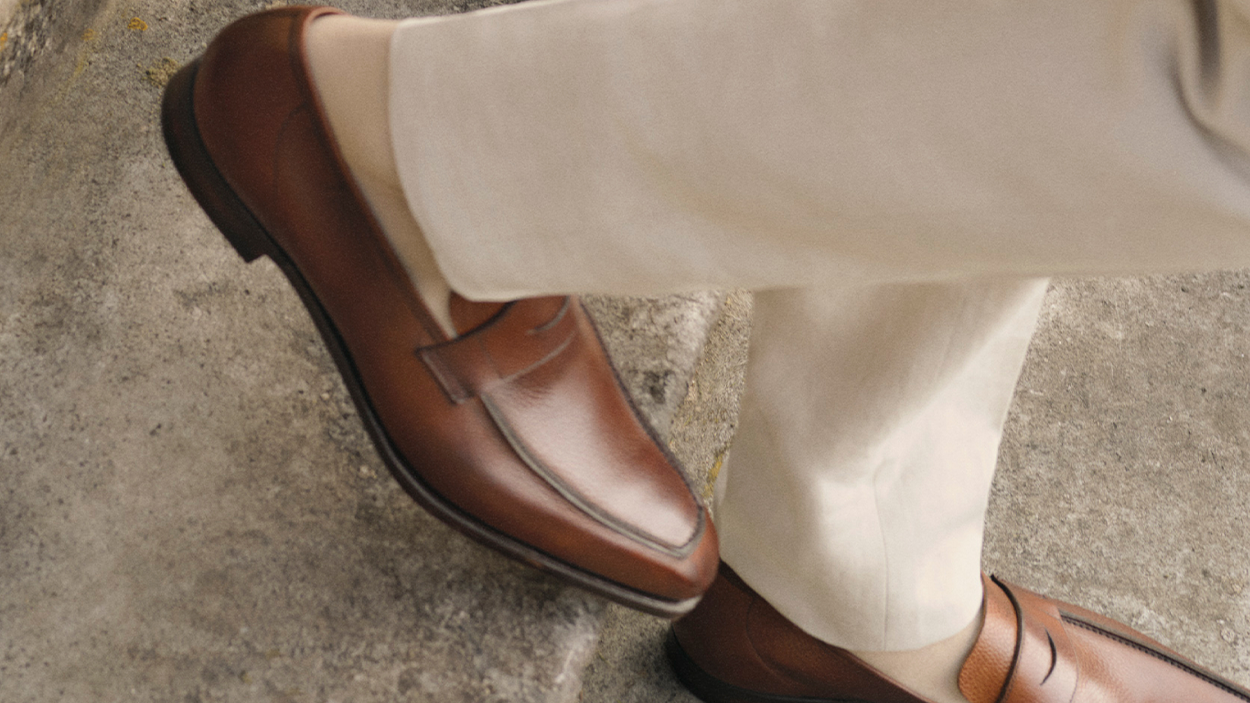
Most pairs buckle because they’re worn too tight, put away damp, or left collapsed overnight. Fix those habits and you’ll stop asking how to stop shoes creasing after every wear.
There comes a moment in every man’s life when he looks down at his shoes and realises the truth. He has been living under a polite fiction. That fine pair of leather shoes, purchased with intentions of eternal sharpness and silent superiority, has developed a crease. Not a catastrophic collapse, not a scene, just the faintest line across the vamp, like a raised eyebrow in a meeting where someone has said something regrettable.
You can respond in one of two ways. You can accept it as the natural consequence of walking, which is technically correct and morally admirable. Or you can decide that nature has had quite enough say in the matter, thank you, and that you will be implementing a policy of firm but tasteful management. The second approach is the one taken by men who lights their cigar properly and vote with their conscience, which is to say they like the idea of virtue but also enjoy results.
The best way to stop shoes from creasing is not glamorous. It is not a hack. It is not a miracle sold by a man with luminous teeth on a social feed. It is shoe trees, used immediately, every time you take your shoes off. Everything else is secondary. Some things are merely supportive. Others are, frankly, the sort of distraction that keeps committees in work.
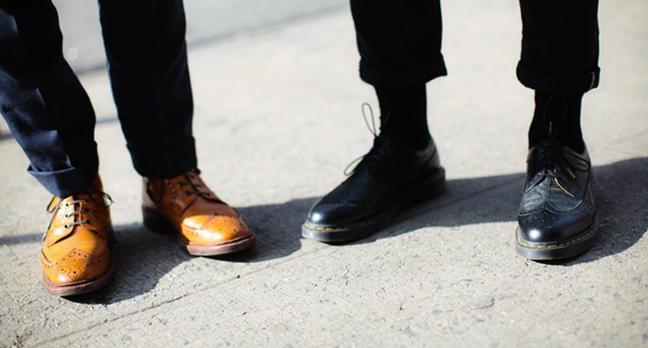
A crease is not an insult. It is a record. Each step forces the upper to bend at the ball of the foot. The leather folds, then relaxes, then folds again, and with time, those folds become established. This is not a design flaw. It is the same story as laugh lines, only with better polishing.
The problem is not that the shoes crease. The problem is how they crease. Good creasing looks like gentle rolling, even and controlled, as though the leather has decided to age with dignity. Bad creasing looks like crumpling, sharp ridges, and chaotic wrinkling that suggests the shoe has been negotiating with a suitcase and has lost.
Your objective is not to abolish creases entirely. That way lies madness, and an unfortunate relationship with plastic-coated leather. Your objective is to keep creases shallow, symmetrical, and slow to form. In short, you want order. You want the shoe to behave like a well-briefed minister. Predictable in public, flexible in private, and never showing strain.
If you remember only one sentence, make it this one. Put shoe trees in as soon as you take your shoes off.
This is the entire trick, which is irritating because it is also the entire answer. A good shoe tree supports the shoe while the leather cools and dries. It encourages the upper to settle back towards its intended shape rather than collapsing into whatever posture it adopted in the heat of the day. Over time, this reduces the depth of creases and keeps the vamp smoother.
Choose shoe trees that actually fit the shoe. Too small and they do little. Too large and they stretch the leather and create new problems, which is a very familiar pattern in public life. Look for a shape that fills the toe area without forcing it, and that holds the heel area with gentle tension.
Cedar is popular for a reason. It helps manage odour and moisture, and it feels like the sort of material a sensible man would approve of. It also makes your wardrobe smell faintly like competence. Other woods exist. Some are perfectly fine. The point is the shape and the habit. The habit is everything.
A shoe tree is not something you use when you remember. It is something you do as part of taking your shoes off. Shoes off, trees in, then you can get on with being charming.

If your shoes do not fit properly, creasing will always win. You can condition, polish, tree, rotate, pray, and still end up with a vamp that looks as though it has been through coalition talks.
Shoes that are too big tend to crease badly because there is excess leather that has to go somewhere. It folds and bunches, and the creases become deep and irregular. You may also find your heel lifting as you walk, which means your foot slides forward and back. Leather does not enjoy this.
Shoes that are too small cause a different sort of trouble. The leather is under strain, so creases form sharply and can eventually crack. This is the footwear equivalent of smiling through gritted teeth.
What you want is a secure heel, a comfortable instep, and enough room in the toe box that your toes are not living like commuters at rush hour. The shoe should feel supportive without feeling aggressive. If in doubt, get fitted properly. This is not vanity. This is administrative competence.
Wearing the same pair of shoes day after day is tempting, particularly when they make you feel as though you have your life under control. Unfortunately, it is also how you speed up creasing, because leather needs time to recover.
Shoes absorb moisture from your feet. Even in winter, even if you are convinced you do not sweat. Moisture softens leather. If you wear the same pair again while it is still damp, you encourage deeper folds to set. The shoe becomes more pliable at precisely the wrong moment, and the crease becomes more pronounced.
A simple rotation between a leather shoe and a running shoes helps. Give each pair a day off between wears when you can. Two days is even better. Your shoes will dry more thoroughly, their shape will stabilise, and the creases will form more slowly and more neatly. Also, a rotation makes you look like a man who owns more than one tie, which is rarely a disadvantage.

If shoe trees are the primary policy, moisture management is the supporting legislation. Creasing is worsened by wet leather and by neglected leather. It is also worsened by overenthusiastic care, which is how many good intentions end up.
If your shoes get wet, let them dry naturally. Do not put them by a radiator. Do not blast them with heat. Heat dries leather too fast, which can make it brittle, and brittle leather creases and cracks in a way that looks permanently tired. Stuff the shoes lightly with paper if you do not have shoe rees to hand, then insert the shoe trees once the worst of the moisture has gone.
Conditioning matters, but do it lightly. A small amount of conditioner keeps leather supple, so creases form as gentle rolls rather than harsh lines. Too much conditioner can make the leather overly soft, which invites collapse and deeper folding. Think of conditioner as diplomacy. Useful, restrained, and never used to compensate for poor planning.
Polishing helps too, not because polish stops creases, but because it keeps the leather nourished and protected. A well-polished shoe also disguises minor creasing by encouraging a smooth, even finish. It is not deceit. It is a presentation.
This is the part where everyone pretends they do not care, while caring intensely. Your gait affects creasing. If you stomp, scuff, and pivot like an aggrieved litigant, you will crease shoes hard. If you walk with smoother transitions, creases tend to be less severe.
You do not need to glide like a dancer. You simply need to walk with control. Let the foot roll from heel to toe without excessive bending. Avoid aggressive toe spring movements that force the vamp to fold sharply. If this sounds too fussy, consider the alternative, which is explaining to yourself why your shoes look like folded envelopes.
Also, do not drive long distances in delicate leather shoes if you can help it. Pedals, cramped footwells, and repetitive flexing are a direct route to fast creasing. Keep a pair of driving shoes in the car if you are serious. It is an old trick, and like most old tricks, it is old because it works.

You will encounter various inserts marketed as crease protectors. They sit in the toe box and attempt to stop the upper from folding. They can work, in a limited sense, particularly for trainers and casual shoes, where comfort is negotiable, and aesthetics are the main priority.
For leather dress shoes, they are more complicated. Some people find them uncomfortable. Discomfort changes how you walk. A changed gait can move the crease elsewhere, or create new pressure points, which is a classic example of solving one problem by founding another.
If you want to try them, use them selectively. Consider them for shoes you wear briefly and want to keep looking crisp for photographs or events. For daily wear, shoe trees and correct fit remain the civilised approach.
Not all leather creases equally. Better leather often creases more gracefully, which is what you want. It forms softer rolls rather than sharp fractures. Lower-quality leather can develop harsh lines quickly and may show cracking earlier.
Construction matters too. A shoe with a well-designed last and appropriate toe spring will crease in a more controlled area. A shoe that is poorly shaped may crease unpredictably because the foot is forcing it into a compromise. Even the best care cannot fully correct a poor foundation.
If you are choosing shoes and you care about creasing, look at how the leather sits across the vamp when you try them on. If there are already odd folds before you have taken three steps, that shoe is telling you something. It is wise to listen.

How you store shoes affects creasing more than people admit. Shoes left in a heap, kicked under a bed, or left collapsed in a hallway will develop deeper, uglier creases simply because the leather is unsupported.
Store shoes with trees in them when possible. If you cannot, store them upright and avoid crushing them. Use shoe bags for travel, and consider using lightweight travel trees. If you pack shoes in a suitcase without support, they will arrive looking like they have been through negotiations with airport security.
Avoid leaving shoes in hot cars for long periods. Heat softens materials and can distort shape. Shoes do not enjoy being cooked, no matter how well-bred they are.
There is a final truth that must be faced with a steady gaze. A shoe that never creases is not necessarily a triumph. It may simply be too stiff, too plastic, or too heavily coated to behave like proper leather. A little creasing is a sign that the shoe is moving with you, which is what it is meant to do.
What you are aiming for is elegant wear. Creases that look consistent, shallow, and evenly placed. A vamp that shows life, not damage. Shoes that suggest you walk, rather than merely posing.
This is why shoe trees matter so much. They do not attempt to freeze the shoe in an unnatural state. They simply encourage it to return to shape after the day’s flexing, so the inevitable creases develop slowly and with some decorum.

If you want the simplest rule that gives the best result, it is this. Buy proper shoe trees, and use them the moment the shoes come off. Combine that with a correct fit and a sensible rotation, and you will dramatically reduce ugly creasing.
Everything else is a refinement. Conditioning keeps the leather supple when used sparingly. Good storage prevents collapse. Walking with control reduces harsh folding. Avoiding heat and excessive moisture protects the upper from extremes. All worthwhile, all sensible, but none as decisive as the habit of shoe trees.
Creases, like politics, will never be abolished. They can only be managed by men who understand that the difference between chaos and order is rarely a grand gesture. It is usually the quiet discipline of doing the obvious thing, consistently, even when nobody is watching. Which, in a world of performative competence, is practically rebellious.
To receive the latest in style, watches, cars and luxury news, plus receive great offers from the world’s greatest brands every Friday.