Gear -- 1 month ago

Counterfeits have sharpened their act, yet they still stumble on finishing, paperwork, and the small truths of wear. Give it five unhurried minutes and how to spot a fake Omega watch stops feeling like guesswork.
A fake Omega is not merely a disappointing object, it is an affront delivered at wrist level, which is an oddly intimate place to be lied to. You glance down for the time, or for that brief reassurance that you are the sort of person who makes sensible decisions, and the watch glances back with all the sincerity of a forged letter of recommendation. It is impressive in its audacity, certainly, but so are seagulls. Neither should be encouraged.
The encouraging news is that most counterfeits fall apart under patient scrutiny. The less encouraging news is that the better ones do not fall apart quickly, which is precisely why they exist. The sensible approach is to look for coherence rather than theatre. Omega is not a logo applied to a shiny thing. It is a set of proportions, finishing choices, tolerances, and engineering habits that are maddeningly consistent. Counterfeiters can imitate the appearance, but they struggle to reproduce the discipline.
So we proceed with the calm, mildly amused seriousness of someone who has read the policy document and knows where the loopholes are usually hidden.

Before you reach for a loupe or start narrating your suspicions like a detective in an overdramatised drama, simply look at the watch. Not in the way one looks at a new purchase, full of hope and confirmation bias, but in the way one looks at a jacket on a hanger that claims to be bespoke. Does it look right?
Genuine Omegas tend to have a certain quiet certainty. That quiet certainty is part of what separates a watch that is merely expensive from one that is genuinely collectable. The case lines are crisp without being shouty, polished surfaces do not spill over into brushed ones, and the transitions are intentional. With many fakes, the geometry feels a touch soft, as though the design has been remembered rather than executed. The watch may look broadly correct in photographs, yet oddly vague in person. That vagueness is often your first clue.
Pay attention to symmetry and alignment. A well-made watch looks like it has been arranged by someone who cares where things sit when nobody is looking. A counterfeit often looks like it has been arranged by someone who cares where things sit when somebody is selling.
If the watch is the face you present to the world, then the dial is the expression. Omega dials are usually crisp in a way that feels almost stern. Printing is sharp, spacing is considered, and text sits where it should, as if it has contractual obligations.
Counterfeits frequently stumble on the small stuff. Letters can be fractionally thick, a touch uneven, or ever so slightly fuzzy at the edges. Track marks may not line up perfectly with indices. The brand name can look correct at a glance, yet wrong when you stare for longer than is socially comfortable.
Look at the applied logo and indices if the model has them. On a genuine piece, the edges are clean, and the surfaces are properly finished. On a fake, the applied parts can look pressed, pitted, or slightly crude under light. This is not snobbery, it is metallurgy. Fine finishing behaves differently when it catches the room.
Also watch for the dial colour and texture. Omega does subtlety very well. Many counterfeits overdo it. Blues can be too bright, blacks too flat, whites too stark. If the dial looks like it is trying to win an argument, be suspicious.
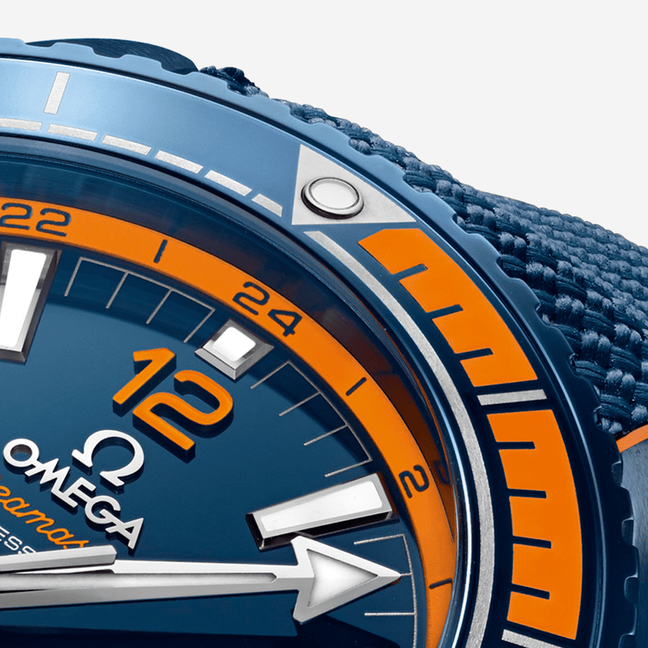
Hands are excellent tellers of the inconvenient truth. Omega hands tend to be precisely shaped, neatly finished, and properly proportioned to the dial. They catch light cleanly and move across the face with the air of a thing that belongs there.
Counterfeit hands often look stamped. Edges can be rough. Polished surfaces can be wavy rather than crisp. Lume, if present, may be unevenly filled or poorly contained within its borders. None of this is always obvious at first glance. It becomes obvious when you move the watch, and the light behaves badly.
Check that the hands clear the indices properly and do not appear slightly too long or too short. Proportion is a quiet language, and counterfeits are not fluent.
If your Omega has a date, treat it as a test of seriousness. A date window is simple, which is why it is revealing. On authentic watches, the date is usually centred in its aperture, the cut-out is clean, and the font tends to match the model in a way that feels inevitable.
On counterfeits, the date often sits slightly off centre. The numerals can be too bold, too thin, or just wrong in a way you cannot immediately name. The window itself may have rough edges, or it may be cut slightly inconsistently so that the date looks cramped one day and oddly spacious the next.
If the date looks like it is leaning, treat that lean as character evidence.
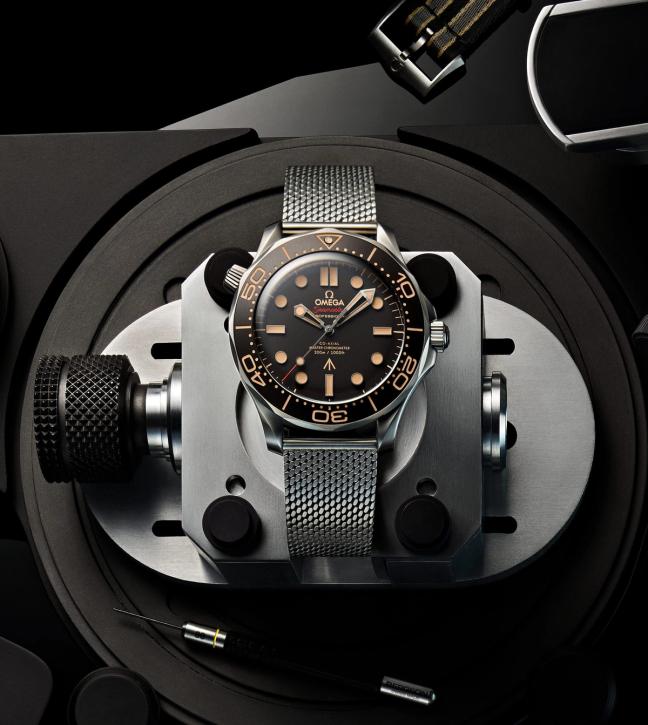
The case is where Omega's discipline shows itself. Brushed surfaces are even and directional. Polished surfaces are controlled. Edges are defined without being sharp. The watch should feel engineered, not merely assembled.
Counterfeits often struggle with finishing because finishing is time, skill, and obsession. Brushing can be uneven, with directions that change mid-surface. Polishing can look overly glossy in a cheap way, or oddly dull, as though someone has tried to correct a mistake with haste. The boundary between brushed and polished areas is particularly revealing. Omega tends to make these transitions look deliberate and clean. Fakes often make them look hesitant.
Also consider the shape of the lugs and the way the case sits on the wrist. Many fakes are close, but close is not correct. A genuine case tends to have a harmony in profile, a kind of architectural calm. A fake can feel slightly awkward, like a suit that fits in the shoulders but not in the waist, and hopes you will not notice.
A surprising amount of authenticity can be felt with your fingertips. Screw down crowns on genuine Omegas typically thread smoothly and seat with confidence. Pushers, where present, tend to have a purposeful resistance.
On counterfeits, crowns can feel gritty, loose, or strangely stiff. The action can feel like it is working against itself. Pushers can be spongy, overly clicky, or inconsistent. None of these sensations is definitive alone, but they are part of a pattern.
If you are looking at a Seamaster with a helium escape valve, treat it with similar suspicion. On authentic pieces, it looks integrated and intentional. On fakes, it can look like an accessory bolted on because the internet said it should be there.
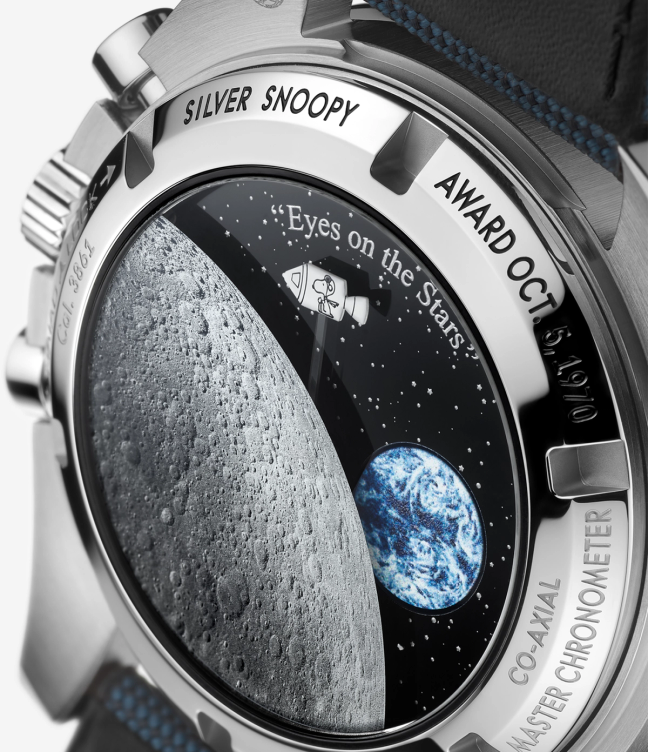
Casebacks are popular with counterfeiters because they photograph well and reward casual attention. Medallions, hippocampus motifs, and engraved text can look convincing in a listing and reassuring in a handshake. They can also be entirely wrong.
Omega engravings tend to be clean, consistent, and neatly placed. The depth looks deliberate rather than aggressive. Lettering sits straight. Logos look properly formed.
On a fake, the engravings can be too deep or too shallow. Fonts can be slightly off. Spacing can look a touch random. Decorative elements can appear soft, with edges that lack definition. If the caseback design looks like it has been copied from memory, that is because it probably has been.
Also, check the fit. A caseback should sit properly, with no gaps, wobbles, or visible mismatch. A counterfeit sometimes gives itself away by failing to seal its own story.
If the watch has a sapphire display back, you have been handed a far more honest conversation. Omega movements, particularly modern Co Axial and Master Chronometer calibres, have recognisable architecture and finishing patterns. If you are unfamiliar with what Master Chronometer certification actually involves, it is worth understanding the difference between COSC and METAS standards before evaluating a movement. Omega's own explanation of the Master Chronometer standard is also worth reading if you want to know precisely what the movement in a genuine watch has been tested against. Geneva waves are clean and consistent. Rotor engravings look properly executed. Screws and jewel settings look well seated. The whole thing has cohesion.
A counterfeit movement can look like costume jewellery trying to pass as engineering. Decorative plates may attempt to imitate the shape of a genuine calibre. Engravings can look etched rather than cut. Finishing can appear flat, with little depth under light. Rotors can look crude, and the layout can feel oddly improvised.
You do not need to be a watchmaker to notice when something looks like it is trying too hard. Authentic movements rarely feel the need to show off. They simply exist, competent and unbothered.
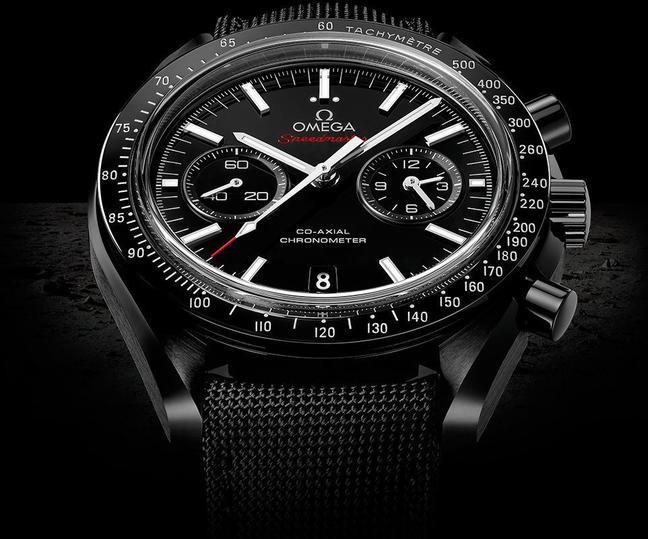
People love to talk about weight as if it were a universal lie detector. It is not. Counterfeiters are perfectly capable of adding heft, and some genuine watches are deliberately light depending on materials and design.
What matters more is balance. A genuine watch tends to feel dense in a composed way. It sits naturally, with the bracelet or strap behaving as though it were made for that case. A fake can feel heavy in a clumsy manner, as if someone has added mass without understanding distribution. It can also feel oddly hollow, especially when you tap it gently, and the sound seems a touch tinny.
Treat weight as a supporting clue, not the headline.
If there is a place where romance tends to die quickly, it is the bracelet. Omega bracelets and clasps are usually well finished and pleasantly articulate. Links drape rather than clatter. Edges feel considered. The clasp closes with decisive neatness.
Counterfeit bracelets often betray themselves through sharp corners, inconsistent finishing, and a general lack of refinement. Brushing may be uneven. Polished accents may look smeared. The clasp might feel flimsy, or it might snap shut with a sound that suggests determination rather than quality.
Also, look at the engravings on the clasp. Authentic branding tends to be crisp. Fakes can look shallow, rough, or slightly misaligned. Again, the theme is coherence. Omega's details tend to agree with one another. Counterfeit details often argue.
Once you have confirmed the bracelet is genuine, learning how to size it properly ensures the watch sits on your wrist the way Omega intended.
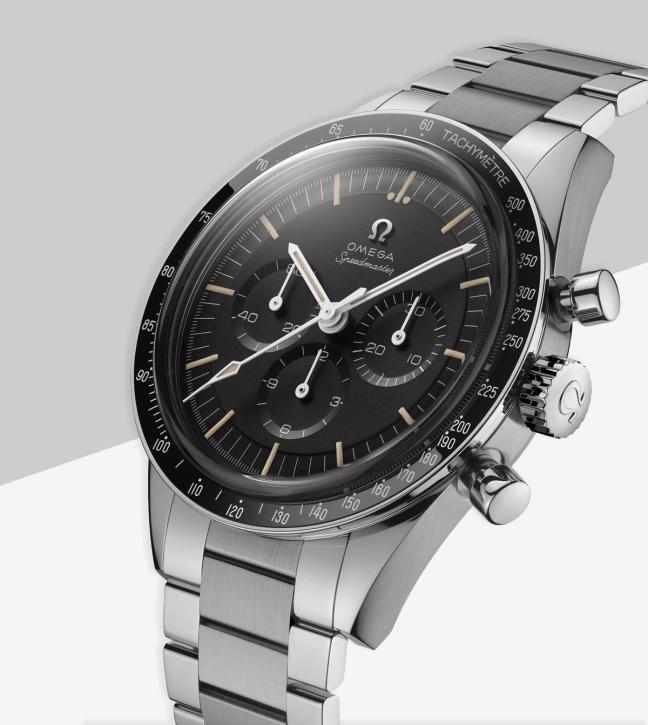
Serial numbers and reference numbers are useful, but only if you treat them like evidence rather than reassurance. A number existing on a watch proves very little. Counterfeiters know where numbers should be. Some even use real serials taken from genuine watches, which is a lovely example of efficiency directed at the wrong end.
The question is whether the numbers match the model, the configuration, the production period, and the correct placement and style of engraving. Fonts matter. Spacing matters. The location matters. A reference that should be on a lug but appears somewhere else should invite suspicion. A serial that looks etched rather than cleanly engraved should do the same.
If you can compare against verified examples of the exact reference, do so. Watch communities such as Omega Forums and reputable dealers often show high quality images that allow you to check details without relying on your optimism.
A good box is comforting. Papers feel official. Warranty cards have the pleasing air of bureaucracy, which many people mistake for truth. Unfortunately, all of this can be reproduced with depressing competence.
Treat packaging as a supporting actor. It can help, but it cannot be trusted to carry the plot. A counterfeit with convincing paperwork is still a counterfeit. Conversely, a genuine watch can sometimes travel without its full entourage, particularly if it has been owned for years.
Look for consistency. Names, dates, reference numbers, dealer stamps, and the general quality of printing should align with the watch and with one another. If anything feels oddly improvised, it probably is.
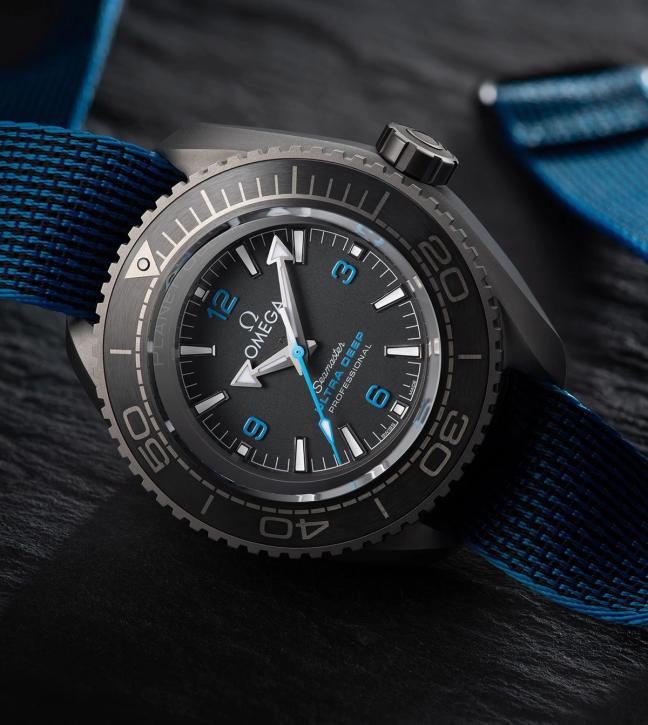
There is an underrated authentication tool that does not require magnification. It is the seller's attitude toward verification.
A reputable seller tends to welcome scrutiny. They may not adore it, but they understand it. They can answer questions cleanly. They provide clear images. They do not rush you. They do not become strangely emotional about your desire to be careful.
A questionable seller often leans on urgency. They imply scarcity. They hint at other buyers. They discourage independent checks. They treat basic due diligence as a personal insult. If someone reacts to the idea of professional authentication as though you have accused them of treason, you have learned something important.
You can learn a great deal with careful eyes and calm judgment. You can also be fooled. The better counterfeits are designed for precisely that.
If the watch matters to you, have it checked properly. An Omega Boutique, an authorised retailer, or a reputable independent watchmaker with the right equipment can verify details that no amount of confident guessing can settle. Movement authenticity, case and dial originality, and whether the internal reality matches the external story are the points that matter.
Think of it as due diligence rather than distrust. You are not being difficult. You are being an adult.
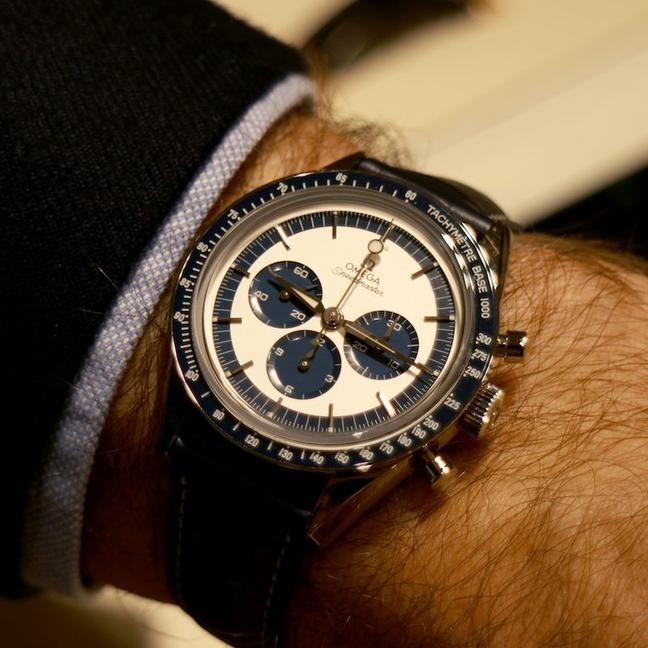
A genuine Omega is not simply a watch that happens to be real. It is an entry into a particular tradition of engineering, one that holds its value precisely because the discipline behind it cannot be easily copied. Understanding why certain Swiss watches command serious prices helps explain why counterfeiters bother in the first place.
The difference between authentic and counterfeit is not merely financial. It is also a matter of what you are actually wearing. A fake watch tells the wrong time in a deeper sense. It claims a heritage it does not possess, promises durability it cannot deliver, and places you in a relationship with an object that is, at its core, dishonest. A genuine piece, properly verified, becomes something you can trust.
The same patient scrutiny that protects you when buying a watch applies equally when choosing an engagement ring, where the stakes are higher and the emotional pressure to rush is considerably worse.
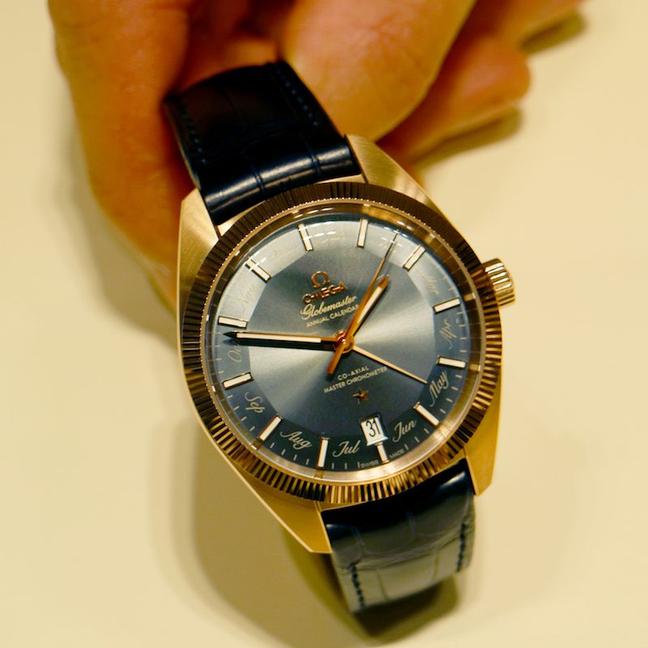
The real secret to spotting a fake Omega is not memorising tricks; it is learning the brand's sense of order. Omega watches have a particular coherence. Proportions make sense. Finishing feels intentional. Details agree with one another. The whole object behaves as though it were designed by people who have argued for hours about a millimetre, and then argued again for the pleasure of being right.
A counterfeit, no matter how glossy, contains compromises. The dial printing is a touch off. The case finishing lacks crispness. The movement looks theatrical. The bracelet feels crude. The story behind the sale does not quite hang together.
Time, after all, is a serious business. So is anyone trying to sell it to you. If you keep your composure, look for coherence, and refuse to be hurried, the truth tends to make itself known. Quietly, inevitably, and with the faintly satisfied air of a civil servant closing a file.
To receive the latest in style, watches, cars and luxury news, plus receive great offers from the world’s greatest brands every Friday.