Style -- 1 month ago

Good grooming starts under the chin, not on the cheeks, and a mirror tells the truth in daylight. Follow the curve of your jaw and you’ll learn how to shape a beard neckline without carving a hard line.
Most men make the same mistake with their beard neckline. They shave too high. The thinking goes: cut higher, reveal the jawline. The result is counterproductive. The jawline looks weaker, not stronger.
The beard appears perched on the chin rather than integrated with the face. Not growing from it. And nobody's trying to achieve that look.
The neckline is just the bottom boundary of your beard. Where the beard stops and the neck starts. Get this right and the whole thing looks more intentional. Get it wrong, and you've got what barbers call a neck-beard. Your face looks smaller, your neck looks bigger.
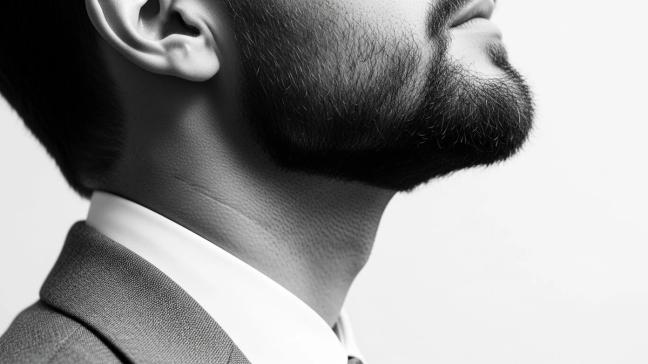
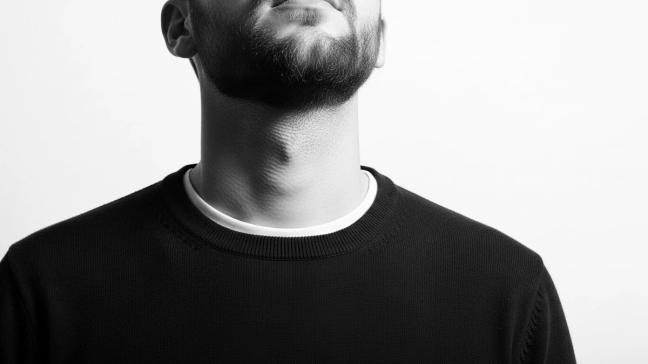
The placement is straightforward. The neckline should sit one to two finger widths above the Adam's apple. The line curves gently from ear to ear. Think soft U shape beneath the jaw.
Why this placement? It keeps enough hair under the jaw to give you structure. Meanwhile, it clears the lower neck so you look groomed instead of overgrown. That's the balance. This works for most men. Have an unusually long or short neck? Adjust up or down by half a finger width.
The classic error is setting the line right at the jawbone. Doing this removes the shadow that strengthens the jaw's appearance. The effect is counterintuitive but real.
Length changes things slightly. Very short beard (3mm or less)? You can go slightly higher to keep it crisp. Longer beard (12mm and up)? You can let the line sit lower because the length itself creates structure. Either way, you need a definition. A long beard with no neckline doesn't look rugged. It looks like you forgot about it.
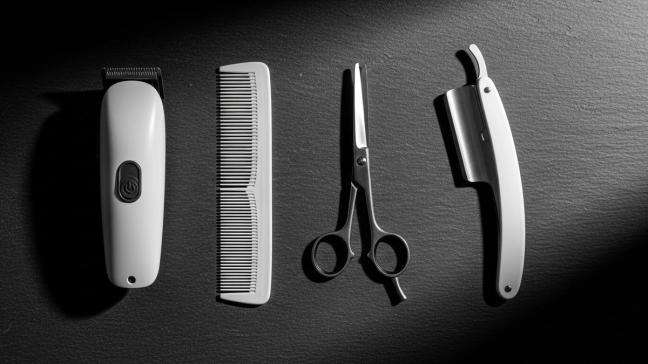
The requirements are minimal: a mirror, proper lighting, and a beard trimmer with adjustable guards.
Razors work well for finishing the neckline, but serve poorly as the main tool while learning. They encourage overconfidence. This often places the line too high, closer to the chin. Razor bumps present another problem, especially on the neck where hair curls and grows unevenly.
You also want a comb, because hair lies. What looks like a clean line can simply be flattened fluff. So comb the beard down and forward to see what you're actually dealing with.
If you have a handheld mirror, it helps for checking the sides. That's where most men quietly lose control.
With the right tools in place, the process becomes straightforward.
View your beard from the side in good light, head tilted slightly down. The natural transition where the jaw meets the neck becomes visible. This is what you're refining, not starting over.
Another method is simpler. Place two fingers horizontally above your Adam's apple. The top edge of your fingers is a good starting point for the lowest part of the neckline. It's not exact, just reliable.
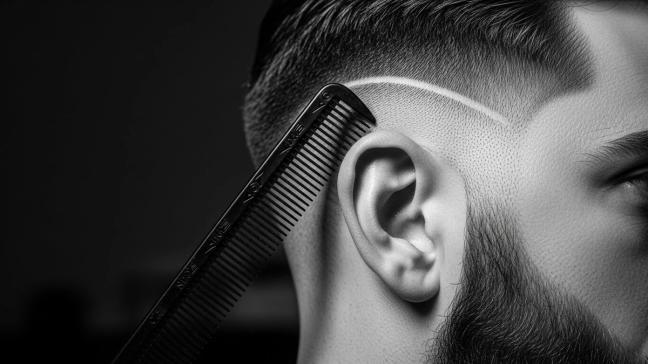
Use your trimmer without a guard to create a faint guideline under the jaw. Start in the centre and move outward. Keep it soft. You're sketching, not engraving.
The shape should be a gentle U, dipping in the middle and rising toward the back of the jaw near the ears. A straight horizontal line looks unnatural. It also appears severe. A sharp V shape proves equally problematic, creating an artificial appearance unless theatrical precision is the deliberate aim.
Set your trimmer to 6mm or 9mm and remove the bulk below the guide area first. This clears the canvas and reduces the temptation to rush through the detail work.
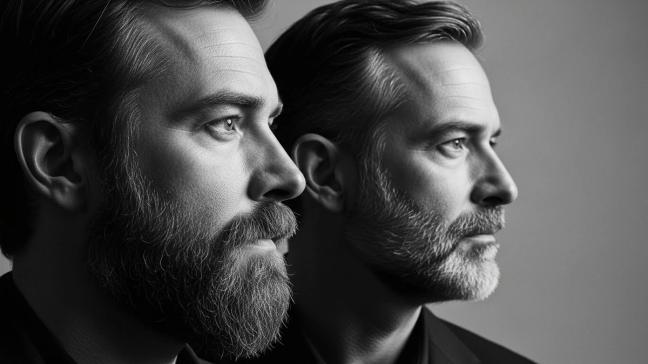
Now, remove the guard and carefully define the neckline along your guide. Work from the middle outward. Keep the trimmer flat against the skin. Move slowly.
If you push too hard or angle it aggressively, you'll create dips. And dips are difficult to repair without raising the entire line, which is how you end up in the danger zone.
Check both sides often. The face lacks true symmetry. Mirrors, meanwhile, are frequently deceptive. Step back, relax the jaw, and evaluate straight on. A neckline evaluated while the neck is extended will appear correct only in that unnatural position.
This takes about 3 to 5 minutes once you know what you're doing.
For a crisper finish, shave the neck below the neckline with a razor. The line becomes cleaner, and the result lasts longer between maintenance.
Clear shaving gel helps with visibility. Begin with the grain. This matters especially for anyone susceptible to ingrown hairs. If the skin handles it, going across the grain yields closer results. Don't chase perfection, though. A tidy, natural neckline proves superior to one so precise it appears artificial.
Extra caution applies to darker skin. Coarse hair combined with sensitive skin increases ingrown hair. A trimmer set to 1mm or 2mm avoids this problem while keeping results clean.

A neckline isn't just a line. It's a transition.
Short to medium beards look better with a subtle fade under the jaw. Apply a 9mm guard to the beard itself. Then use 6mm just above the neckline. Finish with 3mm or no guard below.
This creates a gradual shift rather than a sudden cliff edge. The result is more flattering and looks more modern. It also looks less like you've applied a stencil, which appears artificial.
If your beard is longer, the approach changes slightly. Comb the beard down and trim any strays that hang below your intended line. Then, define the neckline lightly. The longer the beard, the more forgiving the line can be. But it still needs intention.
The neckline should rise toward the ear and meet the beard naturally where the jaw meets the ear. Many men shape the front perfectly and completely ignore the back.
Turn your head slightly and look at the profile. Aim for a smooth, continuous line. Leaving hair too far back makes the side view look messy. Shaving too high behind the jaw creates a gap that detaches the beard visually.

Even with careful execution, certain errors remain common.
Setting it too high. When your head is level, the neckline shouldn't show from the front. If it does, it's too high. What you want beneath the jaw is shadow, not a visible arc across the throat. Another sign is patchiness. The beard looks disconnected, sitting on the chin rather than growing from it.
Chasing symmetry incorrectly. Asymmetry happens. When one side sits higher, the instinct is to raise the other side. Don't. Blend the higher side down slightly and wait. Growth evens it out naturally. This takes patience, but it works. The alternative is a neckline that climbs upward in increments until it disappears entirely.
Using only the bathroom mirror. The bathroom mirror makes everything look slightly better than it is. It's the lighting. Check in your car's rearview mirror in daylight instead. It's unforgivingly honest. Your phone camera works too. Take a selfie from slightly below eye level. The result shows what others actually see, often humbling but informative.
Ignoring the curve. A straight line across the neck looks severe. A sharp V looks artificial and drawn on. Keep it a gentle U, and you'll be fine.
Necklines require maintenance, but not obsession.
For short beards, tidy the neckline every three to five days. Longer beards need less frequent attention. Once a week suffices. This prevents hair from gradually extending down the neck and losing definition.
Between trims, you can shave the neck area below the line every couple of days if you want it very clean. Those prone to ingrown hairs should reduce frequency. A gentle exfoliating scrub and moisturiser work better.
Growing the beard out? Skip the neckline trim entirely. Trimming it resets your progress and defeats the purpose.
It happens. Everyone's made a decision in the mirror that seemed reasonable at the time.
When the neckline sits too high, stop trimming it for one to two weeks. Let growth fill it in while keeping the rest of the beard tidy. Any intervention should involve softening the line through blending, not raising it further.
If you've shaved a chunk accidentally, resist the urge to attempt elaborate repairs. Trim the beard slightly shorter overall to reduce the contrast, then wait. Time is an underrated grooming tool. It fixes most mistakes eventually.
Stubble (1mm to 3mm): A slightly higher neckline with a clean edge works well here. It shouldn't sit on the jawbone, however. Keep the curve gentle and maintain a neat finish.
Short boxed beard (3mm to 9mm): Define the neckline and blend under the jaw. This provides structure without looking severe. This is probably the most common style, and it benefits from precision.
Full beard (12mm and longer): A neckline that supports the weight is essential. Keep it lower and more natural. Tidy the neck beneath so the beard appears intentional rather than neglected. As length increases, this becomes more critical.
Sculpted beard with sharp lines: This style handles a crisp neckline, though only when the rest of the grooming matches that precision. Without maintenance every two to three days, softer lines work better. Otherwise, maintenance becomes time-consuming.

A good beard neckline should make your beard look better, and your face look more defined. But nobody should quite know why. That's the mark of good grooming.
Start lower than you think you should. Trim in small steps. Keep the curve natural. Blend where you can. Then step back and admire one of grooming's more reliable improvements: visible benefit without visible effort.
To receive the latest in style, watches, cars and luxury news, plus receive great offers from the world’s greatest brands every Friday.