The Diary -- 3 days ago

Taste dates quickly, whereas proportion and maintenance age well. Handle those with restraint and you’ll see how to increase home value through decisions that look almost invisible.
There is a particular kind of confidence that arrives the moment someone starts talking about increasing home value. It is the confidence of a person who has decided that a tidy hallway is not merely pleasant but strategic. They are not wrong. Homes are judged in seconds, then reassessed in minutes, and then quietly audited for years of maintenance habits that may or may not have been consistent. What you want is a house that makes a strong case without appearing to campaign. Taste should feel natural. Competence should feel boring. Both are extremely persuasive.
The secret is to improve what buyers can see and what they can sense. Surface polish matters, of course, but so does the feeling of a place that has been sensibly run. A home that looks lovely but feels unreliable invites questions, and questions invite caution, and caution is where offers go to die.

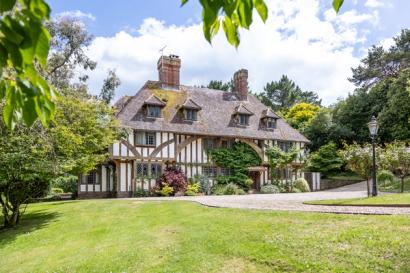
First impressions are not superficial. They are simply efficient. Most people decide how they feel about a house before they have taken their coat off. That means the approach, the front door, and the general air of order are doing far more work than they get credit for.
Start outside. Clear the path. Edge the borders. Remove weeds that have settled in with the confidence of long-term tenants. Replace broken lights, cracked planters, and tatty house numbers. Clean the windows properly. Streaks do not read as characters. They read as a to-do list that never got done.
If you have planting, aim for restraint. A few well-chosen shrubs and a tidy lawn look calm in every season. Too much colour can look joyful in May and slightly frantic by July. If you have paintwork that is flaking or timber that is tired, address it. Buyers may forgive a dated cushion. They do not forgive the suspicion of water, rot, or a long-running feud with basic upkeep.
A front door is worth attention. If it looks solid and well-finished, it suggests the rest of the house has been treated with similar seriousness. It is a small detail with an outsized impact, which is exactly the sort of thing sensible people notice.
A house can look immaculate and still feel wrong. You know the sensation. A draft that finds your ankle. A door that sticks. A floorboard that sighs like it is about to offer you life advice. None of these issues is necessarily catastrophic, but together they create doubt. Doubt is expensive.
Prioritise the fundamentals. Check for leaks and signs of damp. Ensure taps, toilets, and radiators behave themselves. Service heating and cooling. Make sure windows open smoothly and seal properly. Replace worn seals and tired handles. Update smoke alarms and carbon monoxide detectors. Confirm that electrics feel safe and modern rather than improvised.
If you can improve insulation, do it. A comfortable house feels more valuable because it is easier to live in. It also photographs better because people are not shivering while viewing it, which helps them concentrate on the nice cornicing instead of their own mortality.
This is also where paperwork becomes quietly powerful. Receipts and service records are the domestic equivalent of being able to cite the correct committee minutes. They reassure buyers that things were done properly and that the house has not been held together by luck and optimism.
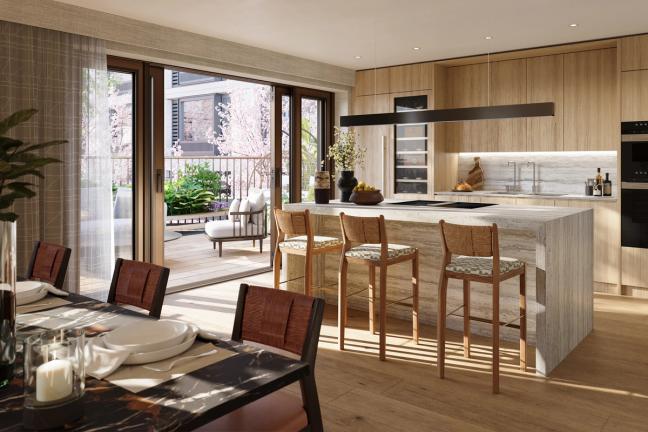
Kitchens sell homes because kitchens sell futures. People look at a kitchen and immediately picture themselves being more organised than they really are. They imagine Sunday mornings that begin with calm and end with something homemade. You may not be able to deliver that life. The kitchen can at least suggest it.
A full renovation can increase value, but coherence matters more than spectacle. A kitchen that looks wildly more expensive than the rest of the home can feel awkward, as though one department received all the funding while the others made do with goodwill. Aim for proportion. Choose finishes that will age well. Avoid anything too trend-led, since trends turn quickly and buyers do not enjoy inheriting a design moment they missed.
If you are not rebuilding, focus on high-impact updates. Replace damaged or dated worktops. Repaint or reface cabinetry if the carcasses are sound. Swap tired handles for something simple and well-made. Upgrade lighting so the room feels useful rather than moody. Replace taps and sinks if they look worn, and choose fixtures that feel substantial.
Appliances matter too, but mostly in the way they fit and function. Buyers want them to look dependable and properly integrated, not like a last-minute arrangement involving a tape measure and hope.
A good kitchen reads as clean, efficient, and quietly attractive. It should look like it will cope with real life, and it should not look frightened of fingerprints.
Bathrooms are where buyers look for neglect, because neglect shows up there first. Grout discloses the truth. So do mould spots, cracked tiles, and drips that have been tolerated for far too long.
If the bathroom is fundamentally sound, you may not need to rebuild it. You may simply need to sharpen it. Regrout and reseal where necessary. Replace tired silicone lines. Improve ventilation so the room does not feel like it has been fighting a losing battle with steam. Update the shower head if it looks weary. Replace dated mirrors and lighting. A vanity unit that looks tired can be swapped for something clean-lined and practical.
Keep the palette calm. A bathroom should feel like a place where you can start the day without being challenged by your own design decisions. If you add touches of luxury, make them functional. Good water pressure is genuinely persuasive. Better lighting is even more persuasive because it makes the whole room look newer.
Buyers do not need a spa fantasy. They need assurance. A bathroom that looks fresh and well-maintained says the house has been looked after by someone who respects sealing and sane schedules.
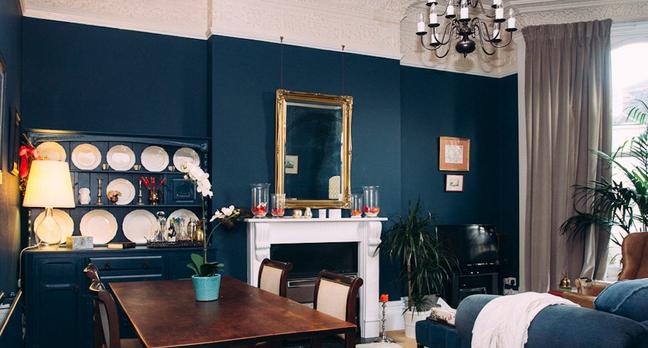
Paint is the simplest way to change how a home feels. It is also one of the easiest ways to make a home feel cheap. Loud colours can be delightful in theory, but they can make buyers focus on repainting rather than the quality of the space. Feature walls can be fun, but they also signal a certain restlessness.
Choose neutral colours with warmth. Stark whites can feel clinical. Cold greys can feel cold. Soft off-whites, warm greiges, and muted tones tend to work across different light conditions and styles of furniture. Use a consistent palette throughout the home. It creates continuity, and continuity makes rooms feel larger and calmer.
Finish matters. Flat paint can look elegant, but it marks easily. In hallways and kitchens, use a durable finish that cleans well. Crisp skirting boards and neat edges are worth the effort. They create the sense of a home that has been properly finished rather than hurriedly completed.
A painted home should feel clean and settled. It should not feel like it is waiting for your next impulse.
Lighting is one of the most underestimated levers in home value. A dark room can feel small and tired even if it is perfectly sized. A well-lit room can feel generous and fresh even if nothing structural has changed.
Think in layers. You want general light for the whole room, and then softer points of light for warmth and depth. Replace harsh, cold bulbs with warmer tones. Consider dimmers in living spaces because flexibility feels grown-up. In kitchens and bathrooms, make sure task lighting is bright and accurate, since nobody enjoys chopping vegetables in a chiaroscuro experiment.
Natural light matters too. Clean the windows. Replace heavy curtains with lighter treatments when privacy allows. Trim outside greenery that blocks light. If a room is chronically dim, use lighter wall colours and mirrors placed thoughtfully. It is not a trick. It is simply helping the room show its best side.
Good lighting makes buyers linger. When buyers linger, they imagine living there. When they imagine living there, they start making emotional decisions and then pretending those decisions were rational.
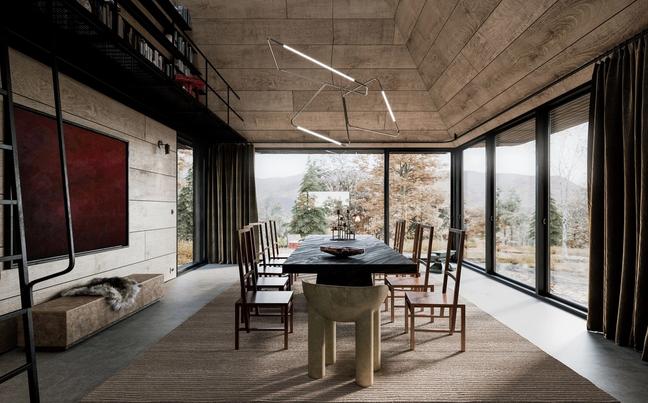
Extra space can increase value, but only if it feels usable. A loft conversion that feels cramped and gloomy will not charm anyone. A garage conversion that removes storage without replacing it can become a genuine drawback. People do want more room, but they also want the home to function smoothly.
If you convert a space, make it feel like it always belonged. Ensure ceiling heights are comfortable. Ensure heating, ventilation, and lighting are properly planned. Provide enough sockets and thoughtful placement. Avoid creating a room that feels designed for one oddly specific purpose that most buyers do not share.
Not every value-add needs an extension. Built-in storage can be transformational. A well-designed utility area is quietly brilliant. A small office space that looks intentional can be a major advantage, especially when many people now expect their home to support work as well as living.
The aim is to increase flexibility. Flexible space feels valuable because it gives buyers options, and options feel like control.
Floors carry an enormous amount of psychological weight. Worn carpet suggests years of compromise. Scratched wood suggests lively evenings that ended in minor tragedy. The right floor makes the entire home feel more coherent and more cared for.
If you have timber floors, refinishing can bring them back to life and make the house feel sharper immediately. If you have carpet that is stained, tired, or dated, replacement is often worth it. Choose something neutral and hard-wearing, and avoid textures that look fashionable but feel impractical. If you choose hard flooring, aim for something that looks natural and feels solid underfoot.
Consistency helps. Too many flooring types can make a home feel choppy. A more unified approach makes spaces feel larger. Rugs can add warmth and softness, but they should look intentional rather than deployed to conceal a problem.
When floors look good, buyers assume the rest has been handled properly, too. It is not always true. It is still useful.

Buyers increasingly care about comfort and running costs, and they are right to. Efficiency improvements can add value, especially when they are done properly and explained clearly.
Improve insulation where it makes sense. Seal drafts and address cold spots. Upgrade windows if the existing ones are failing. A higher EPC rating can make your home more attractive to buyers who are increasingly mindful of running costs. Modern heating systems are attractive because they signal reliability. Smart thermostats can help, but only if they are simple to use and do not turn the home into an accidental technology demonstration.
If you consider solar panels or other major efficiency upgrades, make sure they are installed professionally and presented with clear documentation. Buyers like innovation when it feels stable. They dislike it when it feels like an experiment.
Do not ignore the invisible systems. Updated electrics that meet current safety standards reassure buyers, even if buyers do not see them directly. A serviced boiler and clear maintenance records act as a good reference. They reduce fear. Fear is the enemy of a strong offer.
Not every upgrade pays back equally in every market. The smartest approach is often to improve to the level of your neighbourhood. Buyers tend to pay for what feels normal for the area and resist paying extra for choices that feel eccentric or mismatched.
Look at what comparable homes offer. If most local homes have two bathrooms, adding a second bathroom can be a powerful move. If the area is full of modest family homes, an ultra-minimalist kitchen that looks like an art installation might not deliver proportionate value. This is not a judgment. It is simply how expectations work.
Improvements that remove objections are often more valuable than improvements that add bragging rights. Fixing damp will do more than a designer pendant light. Better storage can do more than a statement wallpaper. You are trying to make the home easy to say yes to.
A house that is sensibly improved reads as trustworthy. Trustworthiness is what turns interest into commitment.
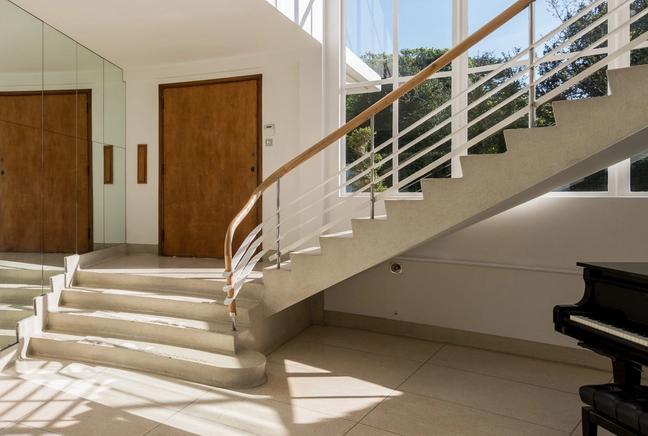
Once improvements are done, presentation matters. Declutter so rooms feel larger and calmer. Remove overly personal items so buyers can see the space rather than your biography. Clean deeply. A genuinely clean home signals care and reduces suspicion.
Furnish for scale and purpose. A few pieces that show how rooms work are helpful. In the master bedroom, a luxury bed or the kind of mattress luxury hotels actually use can make the space feel like a destination rather than an afterthought. Too much staging can feel theatrical. Keep scents neutral. Fresh air beats heavy fragrance every time because fragrance raises questions, and you do not want questions.
Photography matters as well. Good listing photos can increase interest and create momentum. Use natural light. Tidy surfaces. Make beds properly. Show the best angles without misleading. Surprises are rarely welcome in property, especially the kind that appear the moment someone steps through the door and realises the photos were optimistic.
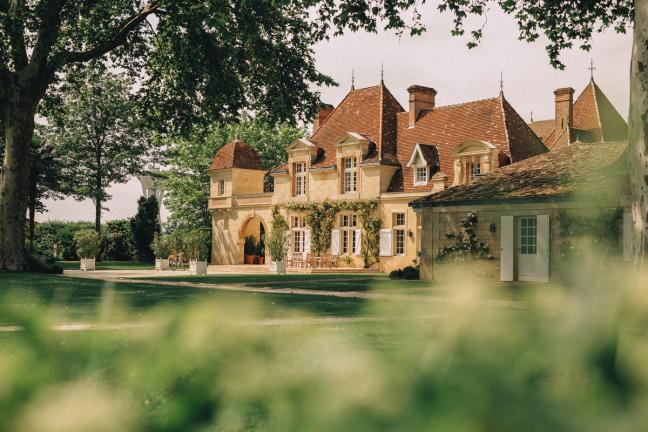
Increasing home value is not about turning your house into someone else’s fantasy. It is about making the home feel sound, efficient, and effortlessly liveable Fix what undermines trust. Improve what people use every day. Keep your choices coherent and calm.
Do that, and the house will make its own case. It will do so quietly and convincingly, which is the most effective way of doing anything.
To receive the latest in style, watches, cars and luxury news, plus receive great offers from the world’s greatest brands every Friday.