
Grooming -- 2 months ago

Technique matters, but so does what happens before and after the blade ever touches skin. Get those details right and you’ll stop asking how to get rid of razor bumps every other morning.
Razor bumps are the sort of nuisance that feels trivial until it is on your neck, angry as a wasp, and visible in every mirror you pass. They arrive with a smug sense of timing, too. The morning of a wedding. The day you decided to wear an open collar. The week you promised yourself you would look put-together. You can do everything you think is right. Fresh blade. Hot shower. A respectable shaving gel. And still end up looking like you have been arguing with a bramble bush.
Most razor bumps come down to one idea. The hair gets cut. It curls. It grows back into the skin or fails to exit cleanly. The body responds as a body does. With inflammation, little red papules, and occasionally the kind of tenderness that makes you shave around the area for a fortnight like a man avoiding a diplomatic incident. Some skin types are more prone than others. Curly hair increases the chances. So does shaving too close, shaving against the grain, and using too many blades with too much pressure. The irony is that the pursuit of smoothness is often what creates the problem.
Getting rid of razor bumps is less about heroic treatments and more about changing the conditions that create them. Calm the skin. Free the trapped hairs. Reduce friction. Then adjust the shave so it stops happening again. The good news is that most cases respond well to a few sensible changes, and you do not need to turn your bathroom into a minor chemistry lab to get there.
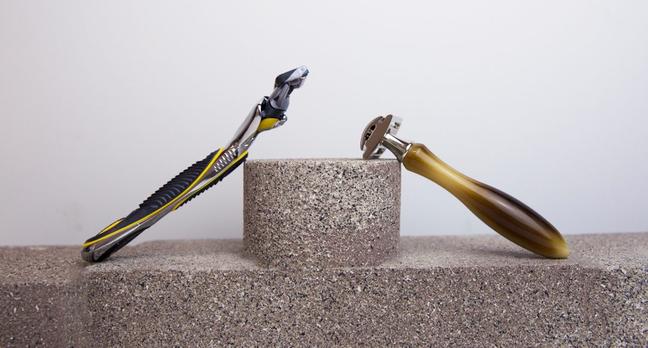
Razor bumps are usually a form of ingrown hair and irritation, often described as pseudofolliculitis. The hair is cut short and sharp. It then grows back into the skin, or curls sideways under the surface, and the surrounding area becomes inflamed. Sometimes you also get true folliculitis, which is irritation or infection around the hair follicle, and it can look similar.
The neck is a classic trouble spot because hair growth patterns are chaotic, and the skin is often more sensitive. The bikini line behaves similarly for the same reasons. Anywhere you shave closely, especially where hair is coarse or curly, can be a candidate.
Pressure and haste make everything worse. Multi-blade cartridges can cut hair below the skin line, which can feel wonderfully smooth for about five minutes. Then the hair tries to grow out and gets trapped. Shaving against the grain can do the same. Dry shaving is practically an invitation.
When bumps are active and irritated, treat the area like skin that has been mildly insulted, because it has. Stop shaving for a few days if you can. It is not always convenient, but continuing to shave over inflamed follicles tends to prolong the whole saga.
Use a warm compress for a few minutes once or twice a day. This softens the skin and can help trapped hairs surface. Follow with a gentle cleanser. Nothing harsh. Something like CeraVe Hydrating Cleanser or La Roche-Posay Toleriane works well because it cleans without leaving your face feeling like parchment.
After cleansing, apply a soothing moisturiser. Look for simple, barrier-friendly formulas. CeraVe Moisturising Cream is unglamorous but effective. Kiehl’s Ultra Facial Cream is a little more polished and still practical. If the skin feels hot or stinging, a thin layer of aloe vera gel can help, provided it is not packed with fragrance.
Hands off. Do not pick. Do not squeeze. Do not go digging with tweezers unless you can clearly see a hair tip at the surface. Digging turns a bump into a wound, and wounds invite dark marks that linger long after the irritation has gone.
If the area is very inflamed and itchy, some people use a tiny amount of over-the-counter hydrocortisone for a very short stretch. Treat this as an occasional fire extinguisher, not a daily skincare habit. If you are unsure, speak to a pharmacist or GP, particularly if you have sensitive skin or are prone to dermatitis.
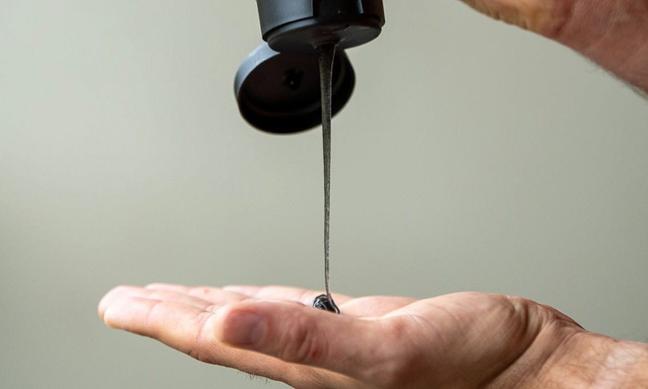
Exfoliation helps because it clears dead skin that can trap the hair. The mistake is thinking that more exfoliation equals more results. Over-exfoliation makes bumps angrier, not better.
Chemical exfoliants are usually more controlled than scrubs. Salicylic acid is excellent for razor bumps because it can get into pores and follicles. Glycolic acid can also help by smoothing the surface and improving the way hair exits the skin.
If you are new to acids, start slowly. Two or three times a week, then adjust. Paula’s Choice Skin Perfecting 2 per cent BHA is a classic option and easy to find in the UK and the US. The Ordinary Glycolic Acid 7 Per cent is a solid budget choice if you tolerate it. If your skin is reactive, consider a gentler approach like a mild PHA product, which tends to feel less aggressive.
Apply exfoliants at night. Avoid putting strong acids immediately after shaving until your skin has settled, because freshly shaved skin is already compromised. You can also alternate. Shave one day. Exfoliate the next. Your face will thank you by becoming less theatrical.
If you do one thing, change how close you shave. Razor bumps love a too-close shave. They thrive on perfectionism.
Shave after a warm shower or after holding a warm towel to the face for a minute. Use a proper shaving cream or gel with slip. Classic options like Taylor of Old Bond Street, Proraso, or even a well-formulated modern gel from Clinique can make the razor glide rather than drag.
Use a sharp blade, but do not assume more blades mean better. Many men prone to razor bumps do better with fewer blades. A good double-edge safety razor can be transformative because it gives a clean cut without repeatedly scraping the same patch of skin. If you want a modern take, brands like Merkur and Edwin Jagger are widely available in the UK and the US. If you prefer an electric approach, a quality foil shaver or a beard trimmer set to very short stubble often reduces bumps dramatically, because it avoids cutting hair beneath the skin.
Shave with the grain first. If you must go closer, do a second pass across the grain. Avoid going against the grain on the neck if bumps are a recurring issue. Keep pressure light. Let the blade do the work. Short strokes help. Rinsing the blade frequently helps, too, because a clogged blade tugs.
Finish with cool water to settle the skin. Pat dry. Do not rub like you are polishing a shoe.

After shaving, your goal is simple. Reduce inflammation. Protect the barrier. Avoid clogging follicles.
Alcohol-heavy aftershaves can feel bracing, but they often make irritation worse. If you like the ritual, choose something that behaves like skincare, not a chemical slap. An unscented balm can be a better choice than a traditional splash.
Look for ingredients like niacinamide, panthenol, and ceramides. These support the skin barrier and calm redness. La Roche-Posay Cicaplast Baume B5 is a useful emergency product for irritated skin, though a little goes a long way. For something lighter, a moisturiser like CeraVe PM or a simple gel-cream can work well.
If you are prone to bumps, consider a dedicated ingrown solution used sparingly. Tend Skin has a long-standing reputation in this category, and it is easy to find on both sides of the Atlantic. Use it carefully. Spot treat. Do not paint it on like emulsion.
Fragrance is another quiet culprit. A heavily scented product on freshly shaved skin can trigger irritation. Save the fragrance for your neck and wrists once the skin has calmed. Tom Ford and Creed are glorious, but they should not be used as antiseptics.
Sometimes you can see the hair trapped just under the surface, taunting you. Do not attack it. Encourage it.
Warm compress. Gentle exfoliation. Time. If the hair tip becomes visible at the surface, you can lift it out with a clean sterile needle or tweezers, but only lift. Do not pluck the hair from the root, because that can inflame the follicle again. Clean the area afterwards and keep it calm.
If bumps are painful, spreading, or filled with pus, treat them as a possible infection and speak to a pharmacist or GP. The correct treatment might be a topical antiseptic or antibiotic, and guessing in front of a mirror is not a medical plan.
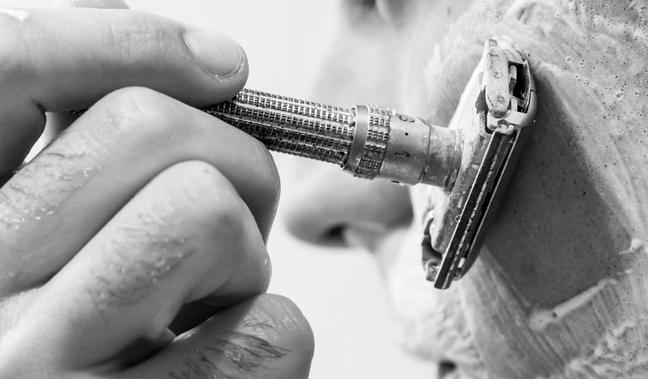
Neck bumps need special patience because growth patterns can change direction every centimetre. Map your grain with a day or two of stubble and shave accordingly. Many men discover they have been shaving against the grain on the neck for years without realising it, which is a very human mistake.
For body areas like the bikini line, avoid tight clothing immediately after shaving. Friction and heat make bumps worse. Use a gentle cleanser, then a light moisturiser. If you use acids, keep them mild and infrequent at first. The skin is often more sensitive than the face.
If you wax instead of shaving, you can still get ingrown. The same principles apply. Gentle exfoliation. Calm skin. Avoid picking. Reduce friction.
If you are doing all the sensible things and the bumps persist, a dermatologist can help. Prescription options can reduce inflammation and bacteria, and they can address associated pigmentation that some men develop, particularly on the neck. In severe cases, laser hair removal can be a long-term solution because it reduces hair density and growth patterns that cause ingrowns. It is not the first step. It can be a very effective last step.
Also seek help if you develop a fever, significant swelling, spreading redness, or deep, painful lumps. That is not normal razor bump territory, and it deserves proper attention.

Razor bumps disappear when you stop giving them ideal conditions. Keep the shave slightly less close. Use fewer blades or a different tool. Shave with the grain. Keep pressure light. Treat post-shaving skin as delicate. Exfoliate gently and consistently rather than aggressively and sporadically.
The best routine is the one you can live with. A calm shave three or four times a week that leaves your skin intact will beat a daily close shave that leaves you inflamed. Smoothness is not the goal. Looking well-groomed is. The difference is subtle. Your skin will notice it immediately.
To receive the latest in style, watches, cars and luxury news, plus receive great offers from the world’s greatest brands every Friday.