Style -- 18 hours ago

Short wears, good socks, and a little patience do more than any macho suffering. Treat the leather like skin and how to break in leather shoes becomes civilised.
New leather shoes have a particular talent. They look impeccable. They also behave as if your feet are an administrative inconvenience. The first wear can feel like a negotiation conducted in silence, with your toes as the bargaining chips and the heel counter as the obstinate civil servant who refuses to be rushed.
Breaking in leather shoes is not about suffering for style. It is about getting the leather to understand your life. Good shoes are built to last. That means the materials are firm and the structure is deliberate. A pair of Crockett and Jones oxfords or Edward Green loafers will not instantly feel like slippers, and thank goodness for that. The comfort comes from a gradual settling. The aim is to soften the right areas without collapsing the shape that makes them worth owning in the first place.
You can break shoes in badly. You can also break them in intelligently. The difference is simple. Badly means forcing long walks on day one, then blaming the shoe when your heel looks like it has been in a minor skirmish. Intelligently means short wears, thoughtful support, and a little care for the leather so it flexes rather than fights.
This is the quiet craft behind that enviable look where someone appears to have stepped out in pristine footwear without paying a visible price. They probably did pay. They just paid in instalments.

Leather shoes need to flex where your foot naturally bends. That usually means the vamp across the ball of the foot and the area around the instep. The lining needs to settle. The insole, especially if it is leather, will slowly mould to your foot. The upper should become more supple while retaining its structure. That balance is the whole game.
Some parts should not be encouraged to collapse. The toe box should keep its shape. The heel counter should remain supportive. The sole should not be soaked or tortured into softness. You want the shoe to become yours. You do not want it to become tired.
A good break-in feels like the shoe is learning your gait. A bad break-in feels like you have won a fight that ruined the furniture.
Before you reach for tricks, check the basics. Leather stretches a little. It does not change size. If the shoes are too short, you will never negotiate a comfortable peace. If they are too narrow in a way that crushes the forefoot, stretching might help slightly, but it will not deliver a miracle.
The ideal fit at first wear often feels snug rather than roomy. Your heel should not slide excessively. Your toes should have a little space. The widest part of your foot should sit at the widest part of the shoe. If that alignment is off, breaking in becomes an exercise in denial.
If you bought online and you are unsure, do not soldier on out of pride. Return them. The most expensive shoe is the one you cannot wear.
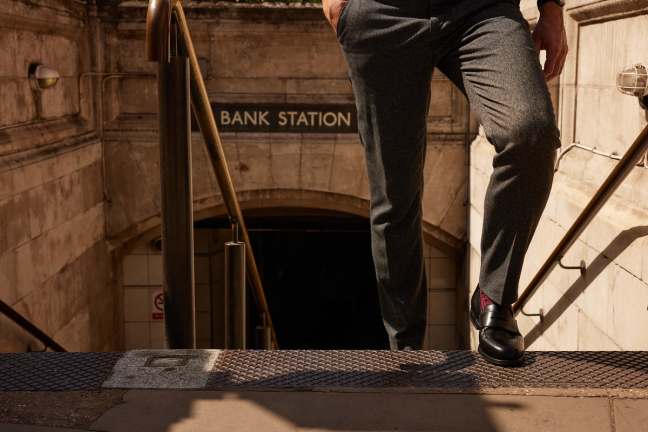
The simplest break-in method is also the least dramatic. Wear the shoes indoors for short periods. Twenty minutes. Then forty. Then an hour. Let your feet tell you where the pressure points are. Do this over several days.
This approach allows the leather to warm and flex without being overwhelmed. It also means you can stop before friction becomes injury. Blisters are not a badge of honour. They are a logistical failure.
Once the shoes feel more compliant indoors, take them outside for a short walk. Choose a route that allows an early exit. This is not the moment for a long commute, a wedding, or an afternoon of optimistic strolling.
Socks are not an afterthought in the break-in phase. They can change fit, and they can reduce friction. A slightly thicker sock can help if the shoe is just a touch roomy. A smoother, well-made sock can reduce rubbing in the heel.
For formal shoes, a fine merino sock from a house like Pantherella can be a smart compromise. It is thin enough to look correct. It is substantial enough to offer a bit of protection. For boots, a thicker merino or cotton blend can make early wears more comfortable.
Avoid novelty socks with odd seams during break-in. Your shoes are already making demands. Do not add additional variables.
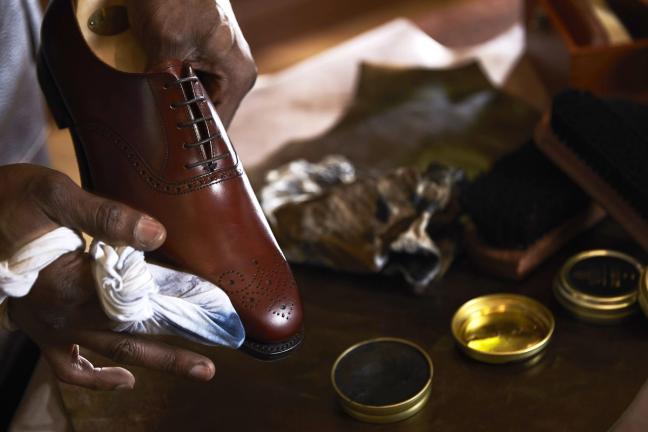
New shoes are often factory finished and reasonably supple. Some leathers, particularly stiffer calf or certain grain finishes, can benefit from light conditioning. The idea is not to oil them into submission. It is to maintain suppleness so the upper flexes cleanly at the right points.
Use a small amount of a reputable conditioner. Let it absorb. Buff gently. If you prefer creams, a neutral shoe cream can work nicely without changing colour. Avoid heavy oils unless you know the leather calls for it, because they can darken and soften more than you want.
Conditioning helps most when the leather feels dry or unusually stiff. If the shoes already flex well, do not overdo it. Restraint is the hallmark of good shoe care and good taste.
Shoe trees are not just for storage. They help the shoe hold its shape as it dries and relaxes after wear. They can also ease minor pressure by maintaining a gentle outward tension.
Use wooden trees, ideally cedar. Insert them after the shoes have aired for a short while. You want the moisture to evaporate before you lock the shape in place. Trees will not turn the wrong size into the right size. They will help a good shoe remain a good shoe.
If you are breaking in a pair you intend to keep for years, shoe trees are part of the deal. Think of them as the supporting cast that keeps the lead actor looking sharp.
If a specific area pinches, you can address it. The best approach is precision. If the shoe is tight across the width, a cobbler can stretch it properly using a shoe stretcher that applies controlled pressure. This is particularly useful for forefoot tightness and certain instep issues.
At home, you can use a shoe stretcher if you know what you are doing. Apply it gradually. Do not force dramatic expansion. Leather stretches a little. Your patience should stretch more.
Avoid soaking shoes with water to soften them quickly. It can damage the leather, compromise the structure, and create uneven drying that encourages cracking. A leather shoe is not a winter boot. Treat it like the crafted object it is.
Some discomfort is normal. Injury is optional. If you feel friction on the heel, use a simple preventative measure. A discreet blister plaster can save you a week of annoyance. A thin heel grip insert can reduce slip. Just be careful. If you add too much padding, you can alter the fit and create new pressure elsewhere.
For rubbing at the ankle in boots, a small piece of moleskin on the inside can help during the first few wears. The goal is to get through the settling period without turning each outing into a medical report.
If the shoes cause sharp pain, stop. Sharp pain is not breaking in. It is your body filing a complaint.
Leather needs recovery. It absorbs moisture and then dries. Wearing the same pair day after day during break-in can keep the leather damp and less stable. Rotate if you can. Even alternating every other day helps.
Rest also helps your feet. Your skin and soft tissue adapt. A short wear followed by a rest day can prevent blisters and make the whole process calmer.
This is also why a shoe that feels imperfect on day one can feel surprisingly good a week later. Leather learns. So do you.
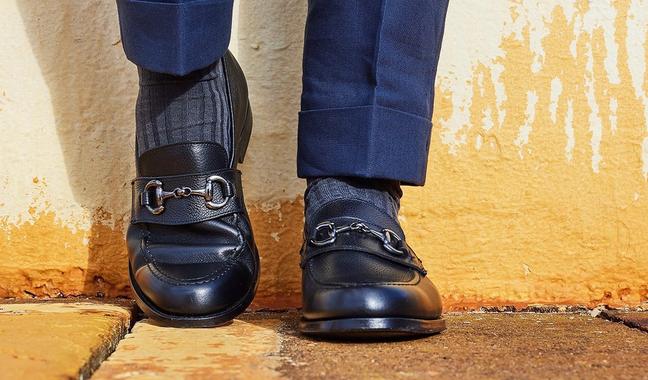
Oxfords and derbies tend to be structured and can feel firm at first, especially with a closed lacing system like an Oxford. Loafers can be tricky because they rely on a precise fit, and there is no lacing to adjust. Expect loafers to feel snug initially. They often relax into an ideal fit, but if they are painfully tight, do not assume time will solve it.
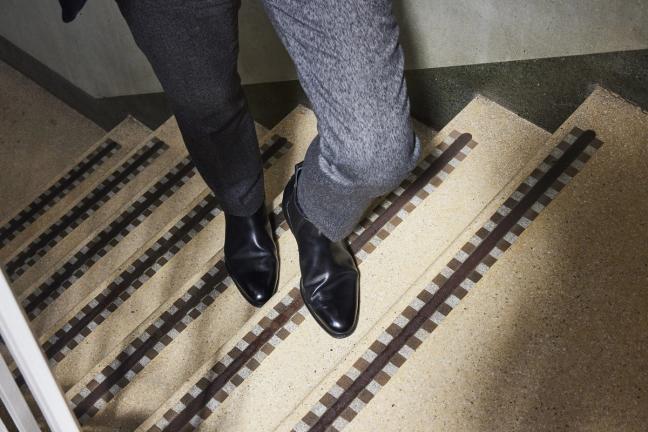
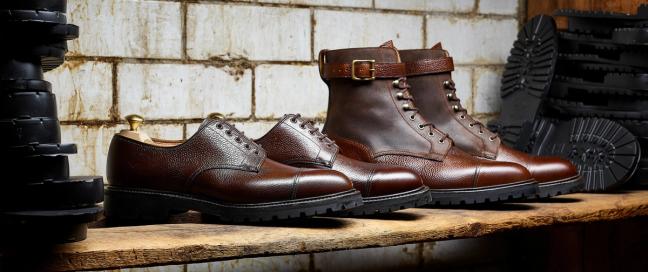
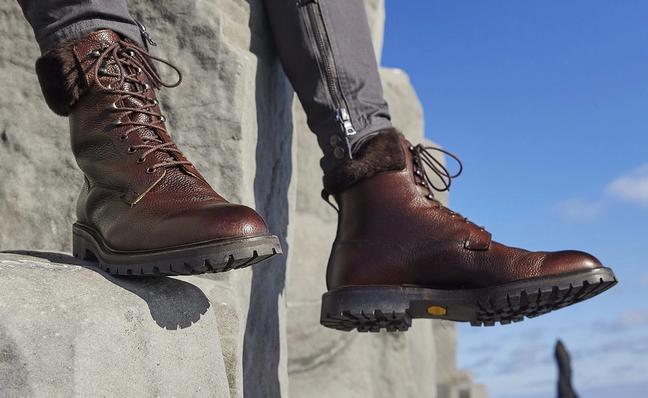
Boots, especially those with thicker leather, can take longer. A pair of well-made Chelsea boots or lace-up boots from a maker like Trickers may require a week or two of gradual wear to feel natural. The reward is that once broken in, they often become the most comfortable footwear you own.
Suede is typically easier. It is softer and more forgiving. It still needs care, but it rarely fights you in the same way a stiff calf can.
Avoid long walks on the first outing. Avoid getting them soaked. Avoid blasting them with heat to dry faster. Radiators and hairdryers can dry leather too quickly and encourage cracking.
Avoid aggressive stretching methods that distort the shape. If a shoe needs major expansion, it is probably the wrong size. Avoid over-conditioning in the hope of instant softness. Too much product can weaken the structure and attract dirt.
Most of all, avoid pretending you can bully a well-made shoe into comfort. The shoe will win. It is built to.
The best break-in is a quiet partnership. Start with the right fit. Wear them indoors in short sessions. Use sensible socks. Keep the leather lightly conditioned. Use shoe trees. Address tight spots with precision and professional help if needed. Protect your feet early, then let the shoe settle naturally. Rotate pairs so the leather can rest.
A well-made pair of leather shoes should feel like a personal possession, not an ongoing argument. Once they have shaped to you, the comfort is not casual. It is earned. You will also notice something else. The shoes look better. Leather that has been worn properly develops ease. It sits differently. It creases more gracefully. It becomes, in the best possible way, yours.
That is the real point of breaking in. Not pain. Not pride. Ownership in the only sense that matters. The kind your feet recognise immediately.
To receive the latest in style, watches, cars and luxury news, plus receive great offers from the world’s greatest brands every Friday.