
The Diary -- 3 days ago

The purchase price is the polite part of the conversation, everything else keeps talking. Heard in full, “How much does it cost to own a yacht?” becomes a question of crew, maintenance, mooring, and appetite.
The moment you start asking how much it costs to own a yacht, you reveal two things. First, you are either considering it, or you are dangerously curious, which in practice is the same thing once you have spent an evening scrolling through brokerage listings and imagining your life as a calmer, tanner version of yourself. Second, you suspect that the price tag on the brochure is only the opening bid in a much longer conversation. You are correct.
A yacht is not a purchase. It is a small floating enterprise that happens to serve excellent lunch. Even modest boats have running costs that arrive with the dependable timing of a tax demand, and larger yachts add a second tier of complexity, which involves crew, compliance, and the kind of maintenance schedule that would make a classic Aston Martin look positively low effort. None of this is a reason not to do it. It is simply the reason sensible people ask the question before they sign, rather than after they have already named the vessel something optimistic.
Costs also depend on how you use the yacht. A boat that lives in one marina and does weekends in the Solent has a different financial personality from a boat that summers in the Med and winters somewhere with better light and fewer administrative surprises. The difference is not only fuel and mooring. It is worn. It is crew. It is the frequency with which you will find yourself paying for something you did not know existed last Tuesday.
So let us talk about the real numbers in plain terms. Not to frighten you. To save you from the most expensive form of naïvety, which is assuming the sea will be grateful for your enthusiasm.
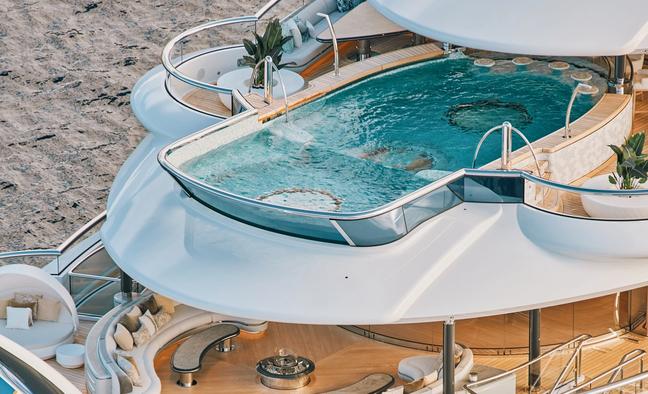
The price of the yacht is the easiest number to see and the hardest to interpret. New boats depreciate. Sometimes gently, sometimes like a dropped phone. Production motor yachts from brands like Princess, Sunseeker, Azimut, Fairline, Ferretti, and Benetti will generally lose value in the early years, then settle into a slower curve if they have been maintained properly.
Used yachts can be a smarter entry point, particularly if the first owner has absorbed the early depreciation and also paid for the initial teething problems, which can be surprisingly real even in very expensive objects. A survey is not optional. It is the closest thing you get to the truth.
As a rough guide, many owners plan on meaningful depreciation in the first five years for a new build, and a smaller annual slide thereafter. Exceptions exist. A well-kept yacht with a strong brand and a desirable layout can hold value better. A yacht with a complicated machinery suite and an owner who treated maintenance as an emotional suggestion will not.
The quiet point is this. Depreciation is a cost whether or not you sell. It is simply less visible than a bill from the shipyard.
Where the yacht lives is one of the biggest predictable costs. Marina fees vary wildly by location, season, and the length of your yacht. Britain has plenty of excellent marinas, and the bill tends to reflect not only the berth but the facilities, security, and proximity to the places you actually want to be.
In the Mediterranean, the numbers can become theatrical. A berth in Antibes, Palma, Porto Cervo, or Monaco in high season can feel like a luxury hotel in Dubai that charges by the metre. Some owners mitigate this by wintering elsewhere, using cheaper ports, or anchoring more often. Anchoring is romantic. It is also a skill, and it comes with its own risks, plus the small matter of getting everyone ashore without denting the tender. Budget-wise, you should treat mooring as a core annual cost. If you intend to move around, also budget for transient berths, which can be expensive in summer and occasionally scarce when you arrive late and confident.
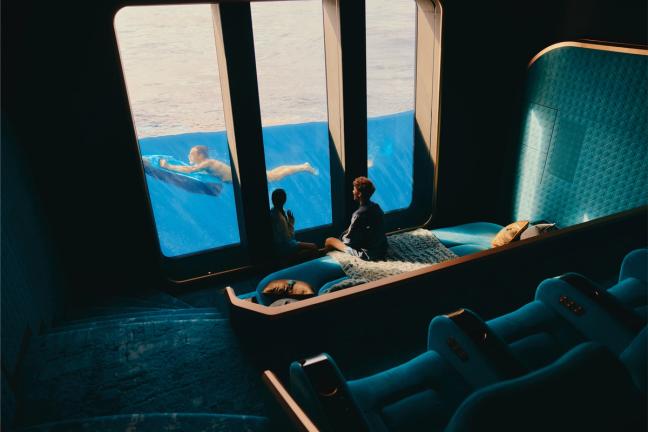
Small yachts can be owner-operated. Larger yachts cannot, at least not in any sane way, if you want them to run properly. Once you start employing crew, you take on salaries, insurance, training, uniforms, travel, food, and the general human reality that good people are expensive and bad people are even more expensive.
For a yacht that requires crew, the running costs are no longer just mechanical. They become organisational. Many owners use yacht management companies to handle compliance, accounting, crew logistics, and maintenance schedules. That adds cost. It also adds competence, which is usually worth it unless you are the sort of person who enjoys arguing with paperwork while anchored off Capri.
Even with a smaller crew, expect the annual cost of crew and management to represent a significant slice of your operating budget. If your idea of yachting is peace, you should pay for professionals who preserve it.
A yacht is in a constant relationship with salt, sun, vibration, and the sea’s quiet determination to test every seal and fitting you own. Maintenance is not a once-a-year affair. It is a rhythm.
Annual costs usually include servicing engines and generators, maintaining stabilisers, air conditioning, watermakers, electronics, safety gear, and all the small systems that make the yacht pleasant rather than merely afloat. Then you add haul out, antifouling, anodes, polishing, detailing, and the inevitable list of items discovered once the yacht is out of the water and everyone can see what has been happening beneath the surface.
Refits are the grown-up version of maintenance. A ten to fifteen-year-old yacht may need new soft furnishings, updated navigation systems, refreshed paintwork, and major mechanical overhauls. A refit can be modest, or it can be transformative. Either way, it is rarely cheap. The sensible approach is a sinking fund, which is an unromantic phrase for the most romantic outcome, which is not being surprised.
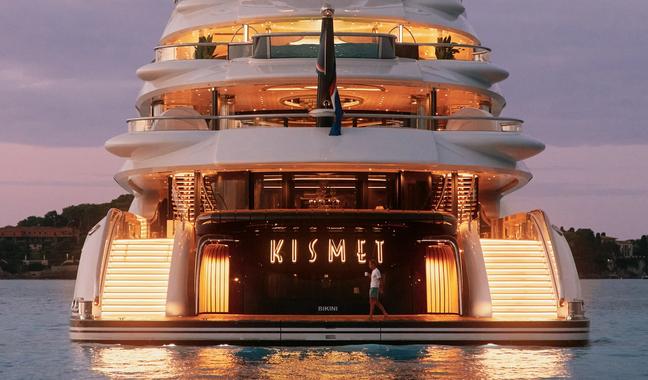
Fuel is a major variable cost, and it depends on speed, hull type, weather, and your willingness to cruise at a sensible pace. Motor yachts burn fuel with impressive enthusiasm. Planning fast is exhilarating. It is also financially expressive. Displacement cruising can be far more efficient, though it changes the rhythm of travel. Sailing yachts can be cheaper on fuel, though they still need engines and generators, and a sailing yacht with a large crew and high-end systems can be as costly as any motor yacht in its own way.
Beyond fuel, cruising costs include port fees, pilotage in some areas, local taxes, water and electricity at marinas, and provisioning. Provisioning is where fantasies meet receipts. Feeding a boat full of guests properly adds up, especially if you are stocking it like a private club and drinking like you are on holiday, which you are.
Insurance costs depend on the yacht’s value, cruising area, crew, and claims history. Underwriters also care about maintenance and surveys. Insurance is not an area to economise with bravado. The sea has no respect for it.
Compliance costs vary depending on whether the yacht is privately used or operated commercially, and also depending on the flag state and where you cruise. Even private yachts have safety equipment requirements and good practice expectations, and larger yachts often face more formal regimes. Compliance is dull. Compliance is also what keeps your yacht insurable and your day calm.
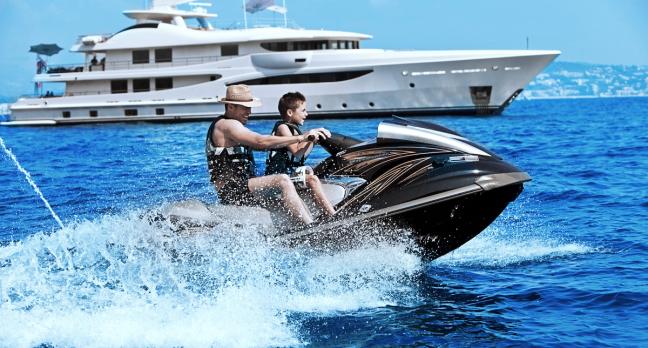
A yacht invites spending. Not through vulgarity, but through possibility. Once you have the platform, you start thinking about what would make it perfect. Better audio. Better Wi-Fi. A better tender. SeaBobs. Dive gear. A gym that folds away. A wine fridge that feels necessary once you have one.
Upgrades are not inherently reckless. They can improve safety, reliability, and enjoyment. The danger is lifestyle creep, where every season becomes a new wish list, and the yacht becomes a rolling renovation project. The most stylish yachts are not always the most upgraded. They are the most coherent. Taste matters here. So does restraint.
Owners love rules of thumb because they suggest a universe that can be summarised on a napkin. The most common rule is that annual running costs for a yacht can be around ten per cent of the yacht’s value, sometimes more for older boats or heavily used yachts, and sometimes more again once crew and ambitious cruising are involved. It is not a law. It is a mood.
A smaller owner-operated yacht might cost less than that in some years, particularly if you are disciplined and cruise locally. A larger crewed yacht can exceed it comfortably, especially if you want it immaculate, well-staffed, and ready to host without drama. The more you demand perfection, the more you pay for people and systems that deliver it.
The smartest way to budget is to separate fixed costs and variable costs. Fixed costs include mooring, insurance, maintenance contracts, management, and crew salaries if applicable. Variable costs include fuel, port fees, provisioning, guest usage, and discretionary upgrades. If you know your fixed costs, you know what owning the yacht costs even when it never leaves the berth. That number is the one you must be comfortable with.

The real question is not how much a yacht costs. It is how much you will use it and how much time you are willing to devote to running it well. A yacht that sits unused still costs money, and it also costs potential, which is a more painful form of waste. A yacht that is used properly tends to justify itself, even as it quietly empties your wallet, because it returns something rare. Space. Silence. Distance from land-based nonsense.
If you are approaching yacht ownership with eyes open, the numbers stop being frightening and start being managerial. You plan. You staff properly if you need to. You maintain the boat proactively. You accept that the sea charges rent for maintenance, and you pay it to keep the experience elegant.
Owning a yacht is not a flex. It is a commitment to a certain kind of life. Done well, it is also one of the few ways to spend money that can reliably buy time that feels unbothered. That, in the end, is what people are really paying for.
To receive the latest in style, watches, cars and luxury news, plus receive great offers from the world’s greatest brands every Friday.