The Diary -- 3 days ago

Prices swing with paint condition, panel complexity, and whether you’re chasing a colour change or a subtle refresh. Ask carefully how much does a car wrap cost, and the honest answer usually begins with what sits under the vinyl.
A car wrap is the civilised compromise. You get a new look without the permanence of paint, and you gain a layer of day-to-day protection from grit, minor scuffs, and the casual brutality of multi-storey car parks. You also retain the option to go back to stock later, which is reassuring in the way only reversibility can be.
The awkward truth is that the headline price is never the whole story. Wrap cost is driven by labour, not vinyl. It is driven by how complex your panels are, how much trim needs removing, how fussy you are about seams and edges, and how honest the shop is about preparation. A cheap quote can be real. It can also be a warning.
Prices also feel different in the UK and the US because labour markets differ and tax is presented differently. British pricing is often discussed with VAT in mind, while American quotes can vary widely by state and city, and sales tax is not always talked about in the same way. The result is that two wraps that look identical on Instagram can have very different economics behind them.
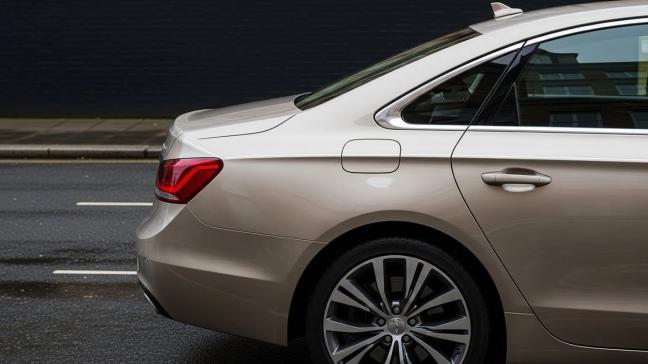
In the UK, a full colour-change wrap for a normal-sized car often sits in the broad range of about £1,800 to £5,000. Smaller cars in straightforward finishes tend to live at the lower end. Larger SUVs and cars with intricate bumpers, aggressive vents, and fiddly trim tend to move up quickly.
If you are wrapping something sizeable, such as a Range Rover, a long-wheelbase Mercedes, or a large performance SUV, the upper end of that range becomes more common, particularly if you want the finish to look paint-like rather than merely wrapped. Speciality films like colour-shift and high-gloss premium finishes can push the number higher again.
Partial wraps are where you can spend far less without sacrificing impact. A gloss black roof, mirror caps, a bonnet, a subtle stripe, or a clean dechrome can often come in at a few hundred pounds to around a thousand, depending on the car and the scope. It is also the sensible route if you like the idea of a change but do not want to commit to a full transformation.
In the US, a quality full wrap for a typical car often costs around $4,000 to $7,000. Smaller sedans can be less expensive, especially in straightforward gloss or satin finishes. Larger SUVs and trucks tend to sit higher, partly because of surface area and partly because of labour time.
If you choose demanding finishes like chrome, highly reflective films, or complex printed designs, the price can climb into the $8,000 to $10,000 bracket and beyond. It is not that the vinyl becomes magical. It is that the installation becomes less forgiving, and experienced labour becomes the deciding factor.
Regional variation is significant. A wrap in Los Angeles, New York, Miami, or San Francisco will often cost more than the same job in a smaller market, simply because skilled labour and overheads cost more in those places.
The biggest variables are boring, which is usually how expensive realities behave.
Vehicle size matters, but shape matters almost as much. Deep recesses, complex bumpers, tight panel gaps, sensors, and elaborate trim pieces add time. Time is what you pay for. A boxy vehicle can sometimes be easier than a sleek one, because the vinyl does not have to be coaxed around as many curves.
Finish matters too. Standard gloss, matte, and satin are usually the most predictable. Colour-shift films are pricier. Chrome and mirror-like finishes are typically premium because they show every flaw and punish sloppy technique.
Scope matters in a way many buyers miss. A basic colour-change wrap usually covers the exterior panels you see with the doors shut. If you want door shuts and inner jambs wrapped so the original colour does not flash when the doors open, expect higher labour and higher cost. Done well, it looks superb. Done badly, it looks like a compromise you paid extra for.
A wrap is only as good as the surface beneath it. Vinyl does not hide problems. It traces them.
If the paint is clean, smooth, and intact, prep is largely careful cleaning and decontamination, plus removing residues that stop film bonding properly. If the paint is peeling, heavily chipped, or has failing lacquer, the wrap may not adhere cleanly, and it will show defects through the film. You may need paint correction, bodywork, or at least a frank conversation about expectations.
This is where the gap between established and cheap becomes obvious. Better shops spend more time on prep, and they charge for it. They are not being precious. They are protecting the job.
A well-installed wrap on a regularly used car commonly looks good for around three to five years, sometimes longer with careful ownership and gentle storage. The sun is the main enemy. So is heat. Horizontal surfaces like the bonnet, roof, and boot lid tend to age first because they take the most exposure.
If you plan to keep the wrap for years, aftercare matters. Hand washing is kinder than aggressive automatic washes. Avoid strong solvents. Keep the car out of the relentless sun when possible. It is not just about appearance. It also affects how cleanly the wrap removes later.
Removal is a cost, whether you plan for it or not. If you wrap a car, you should assume you will pay to remove it one day, even if that day is years away.
In the UK, professional removal often falls roughly around £500 to £1,000 depending on vehicle size, film age, and how much adhesive remains. In the US, removal commonly costs around $500 to $1,500, again depending on the same factors. Old wraps, sun-baked wraps, and lower-quality films can take longer and cost more to remove.
If you are buying a used car that is already wrapped, ask how long it has been on and what film was used. That single question can save you an unpleasant bill.
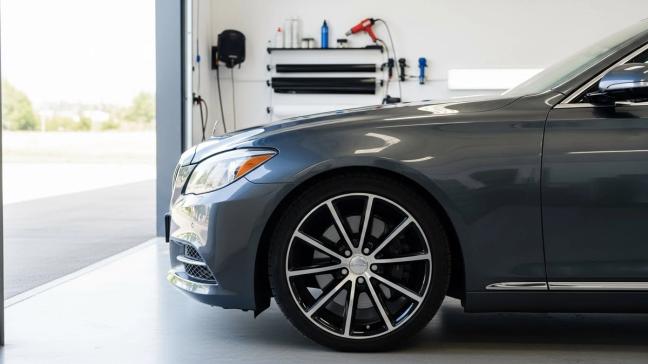
If you care about finishing, choose an established installer. The difference is not snobbery. It is a process.
In the UK, names like Yiannimize are well-known in the public eye, and many high-quality independent studios across London, Manchester, Birmingham, and the South East have built reputations on clean edges and consistent workmanship. In the US, established custom operations like West Coast Customs sit in the cultural spotlight, and many specialist wrap studios in major cities have deep experience with everything from daily drivers to supercars.
Beyond brand names, look for evidence of training and standards. Many reputable installers work with major film manufacturers and hold recognised qualifications through training programmes. It is not a guarantee of artistry, but it is a useful signal that the shop takes the craft seriously.
Vinyl wraps are usually about appearance, with some incidental protection. Paint protection film, often called PPF, is primarily about protection, though matte PPF can also change the look.
PPF generally costs more than vinyl because the material is thicker and installation is more demanding. It is a strong choice if you want to protect original paint, especially on high-value cars or cars that see a lot of motorway miles. Some owners combine the two, using PPF on high-impact front areas and vinyl elsewhere. It can be a very tidy compromise if you like both protection and reinvention.
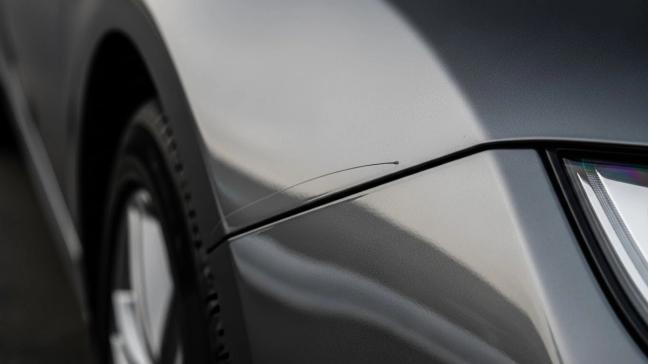
A bargain wrap can look fine at first glance, especially in flattering light. The problems arrive later. Edges lift. Seams become visible. Dust shows through. Trims look rushed. Removal becomes messy. You then pay again, either to redo it properly or to repair what the first job damaged.
A good wrap looks coherent. Panel alignment makes sense. Edges are tucked and finished neatly. The film sits without tension in vulnerable areas. It feels calm. That calm is the thing you are buying.
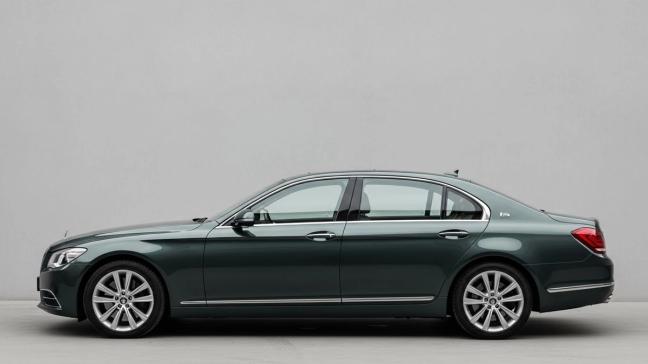
In the UK, a realistic working range for a quality full wrap is often around £1,800 to £5,000, with larger vehicles and more complex work pushing higher. In the US, a practical range is often around $4,000 to $7,000, with speciality finishes climbing beyond that. Removal is its own line item and should be budgeted for.
The best way to think about a wrap is simple. You are not paying for vinyl. You are paying for craftsmanship and time. Choose the shop accordingly, and the result will look like taste rather than impulse.
To receive the latest in style, watches, cars and luxury news, plus receive great offers from the world’s greatest brands every Friday.