Style -- 9 days ago

Beards have always sat at the crossroads of identity and upkeep. Across centuries, men have oiled, combed and disciplined them for reasons that range from the sensible to the theatrical.
For something that is essentially organised facial chaos, the beard has carried an absurd amount of responsibility. At various points, it has been a sign of priestly authority, imperial swagger, philosophical seriousness and, more recently, an excuse to justify owning three different bottles of sandalwood scented oil. Wherever men have allowed hair to colonise their faces, they have promptly felt compelled to oil it, perfume it and ascribe meaning to it.
What we now call beard oil, that small, self-satisfied bottle sitting beside the sink, is simply the latest, well branded chapter in a story that begins in early civilisations, passes through Victorian upholstery, and ends inside a barbershop that offers both espresso and opinions.
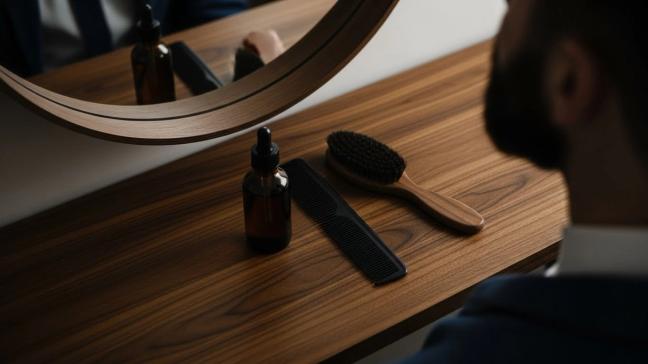
Long before anyone uttered the phrase "grooming routine", the Assyrians were already running one. Reliefs from ancient Mesopotamia show kings with beards so elaborate they could have been planned by architects, multi tiered, immaculately ringleted, often dyed and meticulously shaped.
Those constructions did not survive on desert air alone. Contemporary accounts and modern historians point to sesame and other early plant oils being used to keep both beard and skin from turning to parchment. The oil added weight, gloss and just enough pliability that those stylised curls did not disintegrate the moment a hot wind arrived.
In ancient Egypt, grooming was practically a civic duty. Pharaohs, even queens, wore ceremonial false beards for ritual occasions, but natural hair still needed management. Oils pressed from castor and almonds, enlivened with myrrh, frankincense and cedar, served much the same purpose as modern blends, soften the hair, soothe the skin, add a whisper of incense so that power smelt appropriately holy.
If you stripped away the hieroglyphs and decanted those mixtures into a frosted bottle, you would recognise the thinking instantly. Facial hair may be a statement, untreated facial hair in a dry climate is a problem. Oil was the solution.
By the time the Greeks took over the cultural agenda, beards had become a philosophical accessory. The early classical Greek beard was full, tidy and very deliberate, the kind of thing you wore while discussing ethics in the agora. Turning up with an unkempt chin would have suggested either madness or sophistry, neither of which did much for one’s social calendar.
Enter the barber. In Athens, the κουρεύς was part stylist, part news agency. Men had their hair and beards trimmed while trading gossip and opinions. Olive oil, occasionally infused with herbs or resins, was worked into beards to keep them smooth, scented and respectful of geometry. It was, in essence, an Aegean version of what Tom Ford’s Conditioning Beard Oil now does with almond, jojoba and a "Private Blend accord", manage texture, add shine, let everyone know you have standards.
Rome, as usual, turned the whole business into an institution. Early Romans equated beards with old fashioned virtue; later, once Scipio Africanus popularised the clean shaven look, the razor became a mark of civilisation. Public barbershops, the tonstrinae, offered shaves, trims and judicious application of perfumed oils to whatever facial hair survived fashion’s pendulum.
Nobody in the Forum would have recognised the phrase "beard oil" as a separate category. Oil was simply part of grooming. You used it on hair, on beards, on skin. But the habit of anointing whiskers with scented emollients was firmly in place.
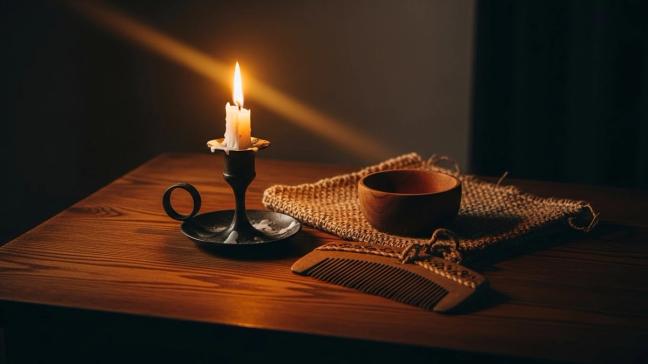
As Europe moved into the medieval period, facial hair picked up an even heavier load of symbolism. In many Christian cultures, a long beard might indicate piety or authority; at other times, particularly in courtly circles, a smooth chin became the preferred look for knights who wished their visors and their jawlines equally polished.
Across the Islamic world, the beard acquired a distinct religious dignity. Traditions encouraging cleanliness, oiling and combing framed beard care not as vanity but as part of a daily ritual. Oils, often the same olive, almond or regional plant blends used on hair and skin, were massaged into beards before combing, much as a modern gentleman might reach for a drop of Acqua di Parma Barbiere Beard Serum after a shower. The ingredients have changed; the logic has not.
Once again, there was no dedicated “beard oil” aisle. There was simply the expectation that if you were going to wear a beard, you would look after it. The beard was not yet lifestyle content. It was a visible indicator of faith, rank or trade, and oil was one of the tools by which it was kept respectable.
The early modern period brought sharper steel and more anxiety. As razors improved through the seventeenth and eighteenth centuries, it became possible for the average man to keep himself relatively clean shaven without handing his throat to a barber every time. Fashion, never slow to follow technology, embraced smoother faces among the urbane and the upwardly mobile.
Oils and pomades hardly vanished. They migrated upward, to head hair, and broadened their remit. Mixtures of animal fats, waxes, botanical oils and heavy fragrance were used to lacquer hair into place and provide a socially acceptable smell in an age before deodorant took up its post. Facial hair, when it appeared in the form of moustaches, sideburns or modest beards, would have received similar treatment.
The idea of a product made solely and specifically for the beard, however, was still dormant. For that, we needed industrial capitalism, Victorian confidence and one particularly ambitious barber.
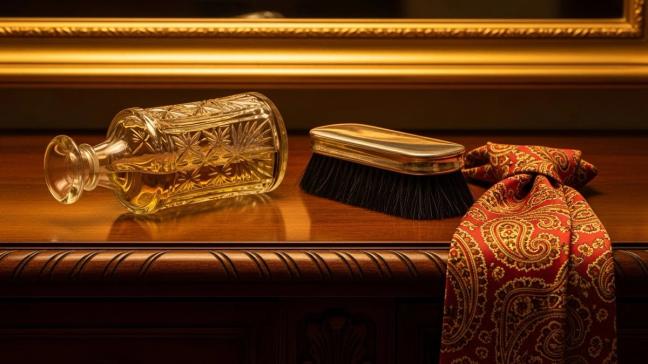
The nineteenth century did not do things by halves. It produced railways, empire, increasingly complicated bureaucracy, and a heroic revival of the beard. In Victorian Britain, facial hair became a moral accessory. Statesmen, clergymen, industrialists and generals sprouted full beards that looked as though they could have fielded their own regiments.
Grooming those constructions demanded more than soap and water. Enter Alexander Rowland, a London barber who, in the late eighteenth century, developed what would become the first truly mass-market hair oil for men, Macassar oil.
Allegedly derived from exotic oils sourced via the East Indies and fortified with perfumed essences, Macassar oil was heavily advertised as a tonic that would thicken, strengthen and generally improve the hair. It was used on the head, of course, but also on the luxuriant beards of the age, giving them the characteristic glossy, slightly menacing appearance seen in portraits of the time.
It was effective. It was also, by all accounts, catastrophically greasy. So much so that households began draping chairs with lace or embroidered cloths to protect upholstery from oiled heads and beards. These “antimacassars” became sufficiently ubiquitous that the word outlived both the product and the empire that made it famous.
If you have ever looked at a contemporary bottle of beard oil, say, a rich, natural blend from Honest Amish, and worried about it marking your collar, you are participating in a very old domestic negotiation. The Victorians understood perfectly well that a well oiled beard looks impressive. They also understood that it has consequences for upholstery.
The twentieth century, impatient as always, largely solved the beard problem by abolishing it. Safety razors, and later electric shavers, made daily shaving not only possible but positively convenient. In corporate life, particularly in the West, the clean shaven face became a sort of uniform, signalling reliability, professionalism and a willingness to turn up at nine o’clock without visible opinions on one’s chin.
There were flickers of resistance, interwar moustaches, the lavish sideburns and experimental facial hair of the 1960s and 70s, the odd professor who seemed to have smuggled his beard in from the nineteenth century. But for long stretches of the century, overt beard care became, at best, niche.
Hair tonics persisted, colognes and aftershaves flourished, but the idea of a dedicated oil for the beard faded from the mainstream. Barbers pivoted to haircuts and shaves. The average bathroom cabinet contained foam, a razor and something that smelt assertively of synthetic pine. Anything as specific as the modern beard oil would have seemed wildly unnecessary.
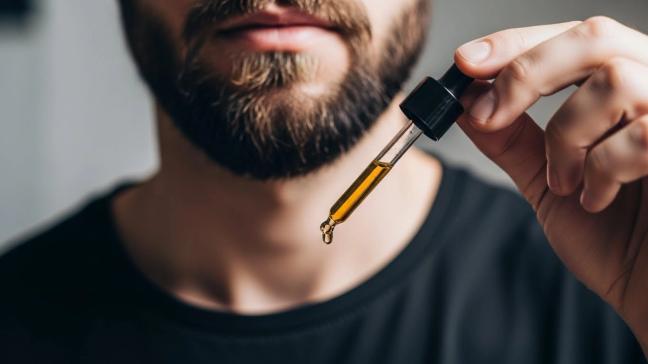
Then, as beards always do, they came back. The late 2000s and 2010s saw facial hair return to urban life with almost comic enthusiasm. Tech founders, actors, musicians and creative directors all appeared with varying degrees of scruff and splendour. Corporate dress codes relaxed. Barbershops re emerged with tiled walls, expensive coffee and more tattoos than a naval reunion.
Into this environment stepped the modern beard oil. At first, it was the domain of small makers on Etsy and early adopters in Brooklyn and Shoreditch, simple blends of jojoba, argan, grapeseed or sweet almond oil, scented with cedar, citrus or tobacco. The aim was practical, stop the itch, soften the wire, prevent "beardruff", but the experience felt pleasingly ritualistic.
From there, things moved quickly upscale. Tom Ford’s Conditioning Beard Oil arrived, essentially taking the functionality of those early blends and marrying it to Oud Wood, Tobacco Vanilla and Neroli Portofino. The result was a product that conditioned as any sensible oil should, but made your beard smell like a private members’ club rather than a health food shop.
Acqua di Parma’s Barbiere line followed a similar path, with light, elegant oils and serums that soften the beard while broadcasting the sort of Italianate citrus herbal charm that suggests you might, at any moment, step onto a Riva. Aesop and Le Labo tokened their way in with hair and beard oils that are as much about olfactory theatre as they are about keratin management.
Alongside these came specialist beard houses, Beardbrand, Live Bearded, Royal Beardsmen, Warlord and others, each offering their own view on what a modern beard should smell like and how much castor oil it can tolerate before looking like a crime scene. Their oils are often beautifully made, carefully balanced plant blends designed to absorb quickly and leave the beard soft rather than slick. They are, in effect, Macassar oil with better chemistry and less collateral damage.
When even the King opts to lend his royal warrant to a range of Highland beard oils laced with bog myrtle and marketed as both grooming and midge defence, you know we are firmly in the "beard oil as established category" phase of history.
In 2025, beard oil is no longer a curiosity. It is part of the standard male grooming repertoire, sitting alongside moisturiser, SPF and whatever serum you pretend not to own, and, for some, alongside quieter interventions like a beard transplant.
Articles discuss “best beard oils for dry skin” with the same seriousness once reserved for shaving creams. Grooming awards routinely line up Tom Ford against more rugged brands like Honest Amish or Beardbrand and judge them on slip, scent and shine.
The ritual itself, however, would be instantly recognisable to an Assyrian noble or a Victorian clergyman. You wash the beard. You towel it until it is merely damp. You place a few drops of oil, perhaps a discreet, cologne adjacent blend from Acqua di Parma, perhaps something woodsmoke and tobacco from a boutique American brand, into your palm. You warm it, work it into the skin beneath, smooth it through the hair, then comb it into order.
The vocabulary may have expanded. We now talk about hydrating the epidermis, supporting the barrier, and reducing transepidermal water loss. But the act is the same, managing visible hair so that it reflects better on you than on entropy.
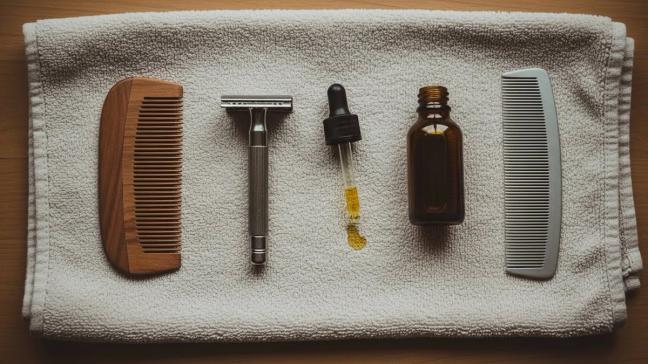
Strip away the packaging, and the history of beard oil is really the history of how men present themselves in public. Whenever the beard has meant something, wisdom, authority, rebellion, modernity, oil has followed, smoothing the symbolism into something wearable.
From sesame presses in Mesopotamia to Macassar bottles on Victorian dressing tables, from Roman olive oil to Tom Ford on a Chelsea sink, the through line is surprisingly simple. A beard, left alone, will tell a story you may not like. A beard that has been washed, oiled and combed tells a story you have chosen.
The modern bottle, whether it holds handcrafted Honest Amish blends, a sharp, barbershop note from Beardbrand, or the lazy hedonism of Oud Wood, is just the latest instrument in that quiet act of self editing. Used well, it does not announce itself. It simply ensures that your face looks less like a policy failure and more like a decision.
To receive the latest in style, watches, cars and luxury news, plus receive great offers from the world’s greatest brands every Friday.