Property -- 15 days ago

Monthly payments can feel civilised until the end-of-term maths shows its teeth. Get the terminology straight and car finance PCP becomes a negotiation about deposit, mileage, and what you will actually hand back.
Personal Contract Purchase, or PCP, is the sort of arrangement that makes perfect sense once you have read it twice, slept on it, and accepted that modern motoring is as much an exercise in contract management as it is in choosing the right shade of metallic grey. It offers flexibility, it rewards orderly behaviour, and it reserves the most consequential decision for the very end, when you are already emotionally attached and therefore at your most suggestible.
Still, PCP is not a mystery. It is a structured way to finance a car where you pay for a portion of the vehicle's value over a fixed term, with a final decision that lets you keep the car, return it, or trade it in. The devil, naturally, lives in the details, and PCP is essentially a careful negotiation with the devil about depreciation, mileage, and the precise definition of the word fair.
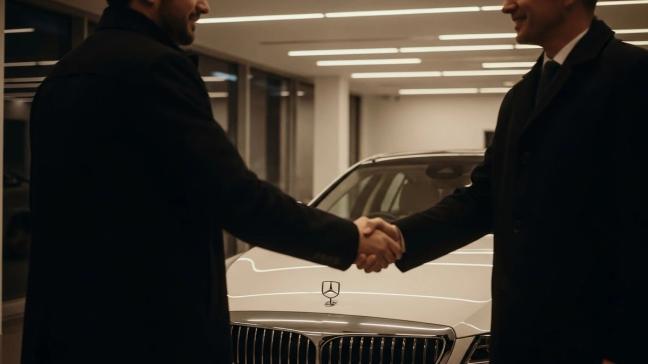
PCP is a form of car finance that sits somewhere between a traditional hire purchase agreement and a long-term rental, although it is not quite either. You pay an initial amount up front, then you make monthly payments for a set term, often two to four years. The monthly payments cover the expected depreciation over that period, plus interest and any applicable fees.
At the start, the finance provider estimates what the car will be worth at the end of the agreement. This estimated end value is set as a fixed figure. It is often called the guaranteed future value, or GFV. You do not pay that GFV through your monthly payments. It remains waiting at the end like an unopened envelope marked decisions.
This structure is the heart of PCP. You are financing the car's use and its expected loss in value, rather than financing the full purchase price in the way hire purchase usually does.
PCP can be made to sound more complicated than it is, mostly because paperwork has a natural instinct to protect itself through volume. In practice, there are three numbers that matter.
The first is the cash price of the car, which is the starting point, even if nobody expects you to pay it outright. The second is the amount you put in at the beginning, which is often described as a deposit. The third is the GFV, which is the amount left over at the end if you want to own the car.
Everything else is built around those. Your monthly payments are essentially the gap between the cash price and the GFV, adjusted by your deposit, then layered with interest.
If you understand those three numbers, you can usually see through the fog.

The deposit is the initial amount you contribute at the start of the agreement. It can be cash, it can be a part exchange, or it can be a combination. Sometimes it includes a dealer contribution or a manufacturer incentive. These incentives can flatter the figures in a way that feels like being offered a second biscuit. You can accept, but you should still check what you are agreeing to.
A larger deposit generally reduces the amount you need to finance. That tends to reduce the monthly payments, all else being equal. It can also improve the overall shape of the deal if it helps you avoid a situation where you owe more than the car is worth during the term.
It does not magically remove the key fact of PCP, which is that you are still not financing the full value of the car. The GFV remains at the end.
Your monthly payments are based on the car's projected depreciation over the term. Depreciation is the quiet force that makes a new car feel thrilling on the first day and financially surreal on the second. PCP is essentially an agreement that says, we will estimate how much value this car will lose, and you will pay that portion in instalments.
The finance provider does the estimating. They consider the make, model, expected demand, term length, and your chosen mileage allowance. They then set the GFV.
Once the GFV is set, the difference between the cash price and the GFV is the portion you are funding. Your deposit reduces the funded portion. Interest is then applied to the amount you borrow. The result is the monthly payment.
This is why two PCP deals on the same car can look different. Change the deposit, term, interest rate, or mileage allowance, and the monthly figure shifts.

The GFV is the anchor of the entire agreement. It is set at the start, and it does not change, assuming you meet the contract conditions. It represents the finance provider's estimate of what the car will be worth at the end of the term.
If the car is worth more than the GFV at the end, you may have equity. That equity can be used as a deposit on your next car if you part-exchange. If the car is worth less than the GFV, you are protected if you choose to return the car, provided you have kept within the mileage and condition rules.
This is the psychological appeal of PCP. It offers a form of downside protection at the end, which is comforting in a world where used car values can behave like political promises.
It is also why you should treat the GFV as a serious number, not a footnote. It affects the monthly payments, and it shapes your end options.
PCP agreements include an annual mileage allowance. You choose it at the start. The more miles you expect to do, the more the car is expected to depreciate. That usually leads to a lower GFV and higher monthly payments.
If you exceed your allowance, you typically pay an excess mileage charge. This is where optimism becomes expensive. Many people underestimate their mileage because the future looks calmer than it will feel on a wet Tuesday when the trains are cancelled.
Choose a mileage allowance that matches your real life, not your aspirational life. If your week involves motorways, client visits, family logistics, or a partner with a fondness for countryside weekends, be honest. The contract will be.

When you return a PCP car, the finance provider expects it to be in reasonable condition. The industry often refers to fair wear and tear, which is a phrase that sounds friendly until you have a disagreement about a scratched alloy.
In practice, minor marks consistent with normal use are usually acceptable. Significant damage, poor repairs, or missing items may lead to charges. The important thing is that PCP is not designed for a car that has lived a hard and chaotic life. It is designed for a car that has been driven, maintained, and not introduced to too many concrete pillars.
If you are considering a wrap to protect the paint or change the look, it is worth understanding what a car wrap costs before you decide.
Or if you suspect you will not be gentle with your car, either because of urban parking realities or because you have children and therefore accept chaos as a lifestyle, you should take this into account when deciding whether PCP suits you.
PCP ends with a choice, which is why it appeals to people who like the idea of keeping their options open. There are usually three main routes.
You can pay the final amount, which is the GFV, and then you own the car. This is sometimes called the optional final payment. Once paid, the car is yours, subject to any admin steps needed to transfer ownership.
You can return the car. If you do, you typically hand it back to the finance provider and walk away, assuming you have stayed within mileage and condition terms and there are no outstanding fees.
You can part-exchange it for another car. If the car's market value is higher than the GFV, the difference can form a deposit on the next agreement. Dealers often encourage this path because it keeps you in the cycle, which is not a criticism. It is simply the business model behaving as designed.
This end choice is the moment where the numbers become real. It is also where a calm review of your options is worth more than a burst of enthusiasm.

Life has a habit of changing its mind. Jobs move. Families expand. Priorities shift. If you want to end a PCP early, you can usually settle the agreement by paying the outstanding finance amount, which will be set out in your settlement figure.
That figure may be different from what you expect. Early in the agreement, you may have paid more in interest and less in capital, so the amount owed can feel stubbornly high. If the car's market value at that point is lower than the settlement figure, you may be in negative equity. That is the awkward moment where the car is worth less than the remaining finance.
Some people handle this by keeping the car longer. Others roll negative equity into a new agreement, which can be done, but it is rarely a decision that improves anyone's sleep.
Depending on your jurisdiction, there may also be a right to voluntary termination. This is a consumer protection that, in many regulated credit agreements, allows you to end the agreement once you have paid a certain proportion of the total amount payable. The details matter, and conditions apply, including care of the car. It is worth understanding your rights before you need them, not when you are already stressed.
Hire purchase usually finances the entire cost of the car, minus any deposit, and you own the car at the end once all payments are made. There is no large final GFV balloon to decide on. Monthly payments can be higher because you are paying off more of the vehicle's value during the term.
PCP, by contrast, keeps monthly payments lower by leaving the GFV to the end. That makes it appealing for people who like predictable payments and the option to change cars more frequently.
The trade-off is that you do not automatically own the car at the end of PCP. You must actively choose to pay the GFV if you want to keep it.
Neither is morally superior. They suit different temperaments. Hire purchase suits those who want a straight line. PCP suits those who want a fork in the road.

APR matters because it affects the total cost of borrowing. PCP deals are often advertised with attractive rates, especially when manufacturers support them to move stock or promote specific models. Even then, APR is still worth taking seriously because small changes can have a noticeable effect over time.
The key is to look beyond the monthly payment. A tempting monthly figure can conceal a deal that is less elegant in total. PCP makes it easy to focus on the monthly number because it is the number you see most often. Yet the agreement is not a subscription to a feeling. It is a credit arrangement with commitments.
If you want to judge a PCP deal with clear eyes, compare the APR, the GFV, the mileage, and the overall term. Those shape the outcome far more than the showroom mood lighting.
Part exchange often forms the deposit in a PCP deal. If you have equity in your current car, meaning it is worth more than any finance outstanding, that equity can be used as a deposit for the next agreement. This can make the numbers look pleasantly tidy.
If you owe more than the car is worth, you have negative equity. This can complicate a PCP deal, because it may need to be cleared or rolled into the new finance. Rolling it in is possible, but it can make the new agreement heavier than it appears.
Equity is the difference between a smooth handover and an uncomfortable negotiation. It is worth knowing where you stand before you walk into a dealership and allow yourself to be charmed by a new interior smell.

PCP tends to suit drivers who like changing cars every few years and who want predictable monthly payments. It also suits people who drive within a fairly stable mileage pattern and who keep their cars in good condition. If you are organised, if you service on time, and if you park with reasonable care, PCP will feel straightforward.
It can be less suitable for people with highly variable mileage, those who are rough on their cars, or those who simply prefer to own outright and keep a car for a long time. It can also be less comfortable for anyone who dislikes end-of-term decisions, because PCP is, by design, a delayed decision.
If you enjoy optionality, it is appealing. If you prefer finality, it may feel like an ongoing conversation you did not ask to have.
Before you sign a PCP agreement, you should be clear on the mileage allowance and the excess mileage charges. You should understand what counts as fair wear and tear and what would trigger additional charges. You should know the GFV and what it would take to own the car at the end.
You should also ask how early settlement works and what your rights are if circumstances change. You do not need to be suspicious. You simply need to be informed. Contracts, like politicians, become more reasonable when you read what they actually say.
Finally, consider your intended ownership story. If you think you might want to keep the car long term, look carefully at the final payment and how it fits your plans. If you know you will change cars, focus on the end value and the likelihood of equity. The goal is not to win the negotiation. The goal is to choose an agreement that makes sense for the life you actually lead.

PCP is a structured way to fund a car by paying for its depreciation over a set term, then choosing what to do at the end. It can be a neat solution for the right driver. It offers flexibility and a degree of protection against unexpected falls in used values, provided you stick to the rules on mileage and condition.
It also asks you to pay attention. PCP rewards the person who reads the numbers, understands the GFV, and treats mileage estimates as a matter of realism rather than optimism. Do that, and it becomes a practical tool. Ignore it, and it becomes a lesson delivered in paperwork.
A car is a depreciating asset, so it can be helpful to compare it with assets people buy to preserve value, such as gold and its ideal buying windows.
In short, PCP works very well when you approach it with calm, clear intent, and just enough scepticism to keep everyone honest. Which is rarely a bad way to travel.
To receive the latest in style, watches, cars and luxury news, plus receive great offers from the world’s greatest brands every Friday.