Grooming -- 1 month ago

One is defined by grain and American law, another is a broad family name, and the last is anchored to place and practice. In a decent bar, Bourbon vs whiskey vs Scotch becomes obvious the moment the glass hits the nose.
The world of brown spirits has a talent for making sensible adults feel vaguely underqualified. You ask for a whiskey, you are offered three whiskies, two whiskies, something called a single malt, and an opinion on peat that arrives with the confidence of a man quoting the Treasury Manual. Then someone mentions bourbon, and you wonder if you have accidentally joined a committee.
Let us restore order. Bourbon, whiskey, and Scotch are not rivals in a prizefight. They are family, with rules, traditions, and the occasional squabble over who is allowed to sit at the top table.
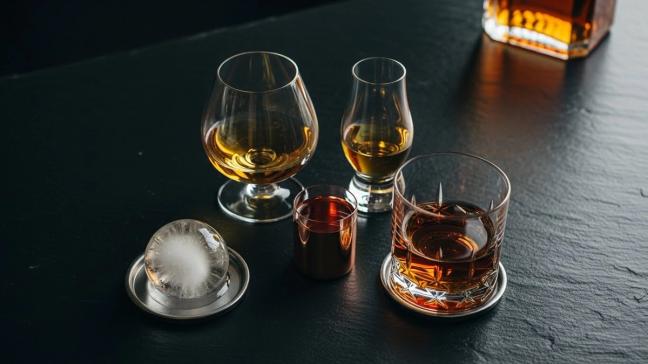
Whiskey is the broad category. It is a distilled spirit made from grain, matured in wood, and produced in many countries. Bourbon is a type of American whiskey with specific legal requirements, and it is usually sweeter and more vanilla-led. Scotch is whisky made in Scotland under strict rules, and it can range from honeyed and gentle to gloriously smoky.
If you remember one thing, remember this. All bourbon is whiskey. All Scotch is whisky. Not all whiskey is bourbon, and not all whisky is Scotch.
Whiskey is the umbrella term. It covers a vast territory that includes Irish whiskey, American rye, Canadian whisky, Japanese whisky, and the many subspecies that enthusiasts will insist are entirely different creatures, even when they are clearly cousins.
At its core, whiskey starts with grain. The grain is milled, mixed with water, and fermented into something like a strong beer. That liquid is then distilled to concentrate alcohol and flavour. The spirit is matured in wooden casks, which is where much of the character develops. Time in wood softens rough edges and adds notes like vanilla, spice, dried fruit, and toast.
The spelling is a mild cultural marker. Many American and Irish producers prefer whiskey with an e. Scotland, Canada, and Japan tend to use whisky without it. There are exceptions because the world enjoys an exception, and branding departments are paid to be creative.
Whiskey is not defined by one country or one flavour. It is defined by method and maturation. Everything else is politics, which is why people enjoy discussing it.
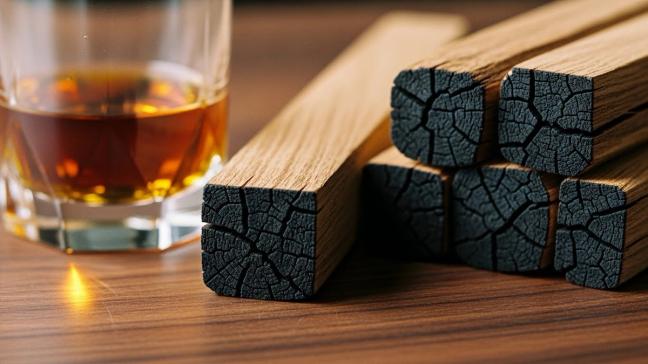
Bourbon is an American whiskey with a rulebook. It must be made in the United States. It must use a mash bill that is at least 51 per cent corn. It must be distilled to no more than 80 per cent alcohol by volume. It must enter the barrel at no more than 62.5 per cent alcohol. It must be matured in new, charred oak barrels. If it is labelled straight bourbon, it must be aged at least two years, and it cannot contain added colouring or flavouring.
Corn is the key. Corn brings sweetness and a rounder palate. New, charred oak brings caramel, vanilla, coconut, and a certain toasty warmth that can feel like a handshake from a well-fed uncle.
Bourbon is often associated with Kentucky, and for good reason. Kentucky’s climate encourages active maturation, with hot summers and cooler winters pushing spirit in and out of the wood. However, bourbon does not have to come from Kentucky. It can be made anywhere in the United States, provided it follows the rules. That fact tends to surprise people, which is part of the fun.
There is also Tennessee whiskey, which is essentially bourbon’s close neighbour with a distinctive local step. Many Tennessee whiskeys go through a charcoal filtration process known as the Lincoln County Process. This can soften the spirit and add a gentle sweetness. It is a separate classification in practice, even if the family resemblance is obvious.
Scotch is whisky made in Scotland. That sounds simple, and it is, but Scotland has taken the trouble to write down the details and then defend them with the dedication of a department protecting its stationery budget.
To be Scotch, the spirit must be distilled and matured in Scotland. It must be matured for at least three years in oak casks. It must be bottled at a minimum of 40 per cent alcohol by volume. It cannot include added flavouring. Caramel colouring is permitted in some styles, which remains a talking point for purists.
Scotch comes in several main types. Single malt Scotch is made from malted barley at a single distillery, and it is distilled in pot stills. Single grain Scotch is made at a single distillery but can include other grains and often uses column stills. Blended Scotch whisky is a blend of malt and grain whiskies from multiple distilleries. Blended malt is a blend of single malts with no grain whisky included.
The word single refers to the distillery, not the barrel. That misunderstanding is one of the great entry-level hazards, like thinking a committee meeting will end early.
Scotch is also shaped by place. Different regions have traditions, climates, water sources, and styles. Islay is famous for smoky, peaty whiskies. Speyside is known for fruit, honey, and elegance. The Highlands cover a wide range. Lowland malts are often lighter and grassier. Campbeltown is a small region with a distinct maritime character and a loyal following.

Taste is not a verdict. It is a preference, and preferences are best held with confidence and a little humour. Still, broad patterns help.
Bourbon often leans sweet and rounded. You may find vanilla, caramel, maple, toasted oak, and baking spices. The mouthfeel can be rich, and the finish can carry a warming, cinnamon-like glow. High-rye bourbons add peppery spice and a drier edge. Wheated bourbons can feel softer and more pastry-like, with a gentle sweetness.
Scotch is more varied, which is both its charm and its trap. A Speyside single malt might offer orchard fruit, honey, and a silky maltiness. A sherried Highland whisky might bring dried fruit, chocolate, and warming spice. An Islay malt can arrive with smoke, sea spray, and medicinal notes that some people find thrilling and others find alarming. Grain whisky tends to be lighter and sweeter, and it often forms the smooth base of blends.
Tasting general whiskey, beyond bourbon and Scotch, expands the range further. Irish whiskey is often triple-distilled and can be very smooth, with green apple and cereal notes. American rye tends to be spicy and bright. Canadian whisky can be light and versatile, often designed for easy drinking.
If you want a reliable shorthand, think of bourbon as sweet oak and spice, and think of Scotch as malt, complexity, and a broader spectrum from gentle to smoky.
The differences begin early.
Bourbon’s grain bill must feature corn. That shapes fermentation and flavour. The barrels must be new and charred, which gives a strong wood influence from the start. Maturation in many American regions is active because of temperature swings, so flavours can develop quickly and assertively.
Scotch is often built around malted barley, especially in single malts. Many distilleries use pot stills, which can preserve heavier congeners and richer flavours. The casks are typically used barrels, which might have held bourbon, sherry, wine, or other spirits. Used casks impart flavour more gently, and they allow the spirit’s character and the influence of long ageing to work in tandem.
Peat is another Scotch variable. Peat is partially decayed plant matter that can be burned to dry malted barley. The smoke infuses the grain with phenolic compounds that read as smoke, earth, and sometimes iodine. Not all Scotch uses peat, but when it does, it announces itself.
Water matters too, although the romance is often overstated. It contributes minerals and character, but most of what you taste is grain, fermentation, distillation choices, and maturation. Still, it would be churlish to deny a Highland spring its moment.
This is where the civil service energy truly blossoms.
Bourbon is protected by US law and regulations. The requirements around grain content and barrel type are what set it apart. Scotch is protected by UK law and specific Scotch whisky regulations, which define production and labelling with impressive thoroughness. These legal frameworks matter because they prevent the spirit world from becoming a free-for-all where any brown liquid can claim noble lineage.
There is also a cultural element. Bourbon carries the story of American distilling, frontier practicality, and the enormous influence of new charred oak. Scotch carries the story of regional identity, long maturation, and the careful blending of tradition with modern precision. Both stories are marketed, of course. That is part of their job.
Age statements are frequently misunderstood. They are not a guarantee of quality. They are a statement of the youngest whisky in the bottle when an age is declared. Older can mean more complex and more mellow, but it can also mean overly oaked or simply different. What matters is balance.
Barrels do most of the heavy lifting. New charred oak, as required for bourbon, pushes strong flavours into the spirit. Used casks, common in Scotch, allow subtler development and a wider palette of influences. Sherry casks can add dried fruit and nutty richness. Former bourbon barrels can add vanilla and gentle sweetness. Wine casks can add fruit and tannin. The cask is the silent partner, and it is rarely silent about its contribution.
If you enjoy the taste of vanilla and caramel, you are often enjoying the barrel as much as the spirit. If you enjoy dried fruit and spice in Scotch, you may be enjoying a sherry cask influence. None of this is a problem. It is the point.
There is no single correct way, despite what a man in a felt hat may tell you.
Neat is the purest expression, but it can be intense. A small splash of water can open aromas and soften alcohol heat, especially in higher-strength bottlings. Ice chills the whisky and reduces volatility, which can mute aromas while making the drink more refreshing. A large cube tends to melt more slowly and preserves balance. A handful of small cubes can dilute quickly, which can be fine if that is what you want.
Bourbon stands up well to ice because of its sweetness and robust oak. Scotch depends on the style. A delicate Speyside malt might feel muted with heavy chilling. A bold peated Islay malt can remain expressive even with ice, although some prefer it neat to preserve the full aromatic theatre.
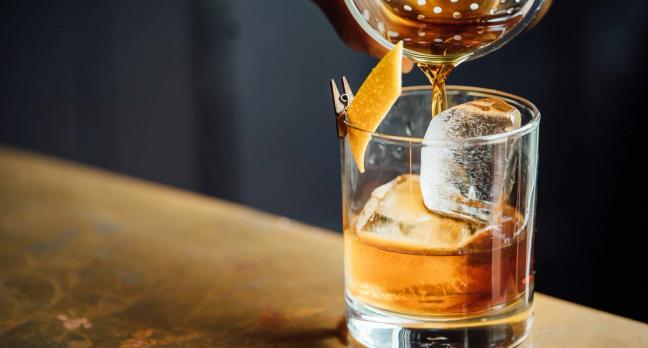
Cocktails are not a downgrade. They are a different use case, much like wearing a dinner jacket to dinner and a raincoat to the station. Bourbon shines in classics like the Old Fashioned and the Manhattan. Scotch appears in drinks like the Rob Roy and the Penicillin, and it can add smoky depth to a simple highball. Rye whiskey, when used, brings spice and structure.
If you are exploring, start neat, then add a little water, then consider ice if you prefer it. Treat it like a conversation. Give it time, and it tends to behave.
Choosing should not feel like filing a tax return. Begin with what you already enjoy.
If you like sweetness, vanilla, and a cosy oak character, start with bourbon. If you like layered complexity, malt character, and a spectrum that includes fruit, spice, and smoke, start with Scotch. If you want something smooth and approachable, Irish whiskey can be a gentle entry point. If you like spice and brightness, try rye.
Within Scotch, decide whether you want peat. If you do not know, begin with an unpeated Speyside or Highland malt. If you do know and you want to smoke, head towards Islay. Within bourbon, notice whether you prefer higher rye content for spice or wheated styles for softness.
Ignore the temptation to treat age as a ranking system. Focus on style and balance. Your palate is the only committee vote that counts.
Bourbon does not have to be from Kentucky, although Kentucky remains its spiritual capital. Scotch is not always smoky, and many Scotch whiskies are entirely unpeated. Single malt does not mean single barrel. It means one distillery. Whiskey and whisky are not different categories. They are spellings that tend to follow tradition.
Most importantly, the best whiskey is not the one someone else approves of. It is the one you enjoy, ideally without having to justify yourself like a minister at question time.
Bourbon, whiskey, and Scotch are not competing definitions. They are overlapping circles with clear boundaries and a great deal of shared craft. Whiskey is the broad church. Bourbon is America’s corn-led, new-oak expression of it. Scotch is Scotland’s carefully regulated, cask-driven, regionally expressive version of it.
If you want comfort and sweetness, bourbon is a splendid place to start. If you want variety and nuance, Scotch will keep you entertained for years. If you want to stop worrying about labels and start enjoying the drink, pour a modest measure, take a moment with the aroma, and remember that most of the world is not thinking about mash bills at all. They are missing out, but they also sleep well.
To receive the latest in style, watches, cars and luxury news, plus receive great offers from the world’s greatest brands every Friday.