
Food & Drink -- 10 days ago

The ideal setup feels boring in the best sense, cool, dark, and consistent. Once that’s in place, the best way to store wine at home becomes a matter of small habits rather than grand kit.
Storing wine at home is one of those subjects that invites people to speak in absolutes, usually after their second glass, and to insist that anything less than a subterranean cave lined with stone is an insult to civilisation. This is, of course, nonsense. Most wine does not require a medieval dungeon, and most homes do not appreciate being remodelled around a hobby that began as a simple desire to drink something decent on a Wednesday.
What wine does require is rather more modest and rather more achievable. It wants a calm environment. It wants it to be cool. It wants it steady. It wants darkness. It wants to be left alone. Wine is not asking for luxury. It is asking for competence, which is a different thing and far rarer.
Think of a bottle as a sealed little committee. Inside, there are aromas, acids, alcohol, and a handful of compounds that will either mature into something agreeable or collapse into something disappointing, and your job is to chair the meeting without letting the room overheat, without turning the lights on full, and without repeatedly shaking the table to see what happens. If that sounds like the civil service, that is because it is essentially the civil service, only with better outcomes.
So the best way to store wine at home is not a single product or a single rule. It is a set of conditions you can provide with a minimum of fuss and a maximum of quiet effectiveness. Get the conditions right, and the wine will behave. Get them wrong, and you will be left with the faintly tragic sensation that you have paid for potential and then smothered it with central heating.
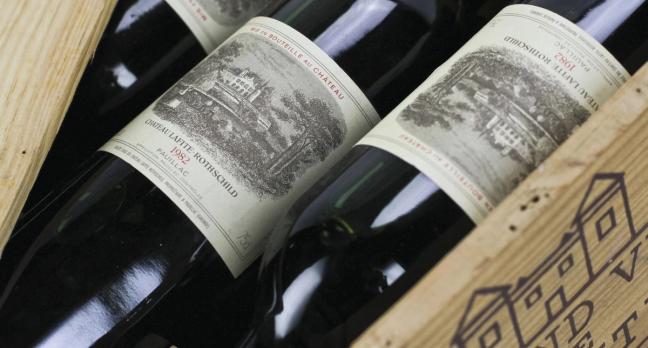
Temperature is the big one, the unglamorous monarch to whom all other concerns must bow. Wine stores best when it is cool, and it stores best when that coolness does not wander about like a politician’s promise. A consistent range around 10 to 14 degrees Celsius is a sensible target for longer storage, but the precise number matters less than the fact that it stays roughly the same. Wine is a patient creature. It can handle cool, and it can handle slightly less cool, but it does not enjoy being hauled up and down a thermal rollercoaster for your entertainment.
Heat accelerates ageing. That is not inherently evil, but it becomes evil in a domestic context because it accelerates ageing unevenly. Aromas can flatten. Fruit can take on a stewed character. Structure can loosen in the wrong way, like a well-cut jacket left out in the rain. The worst part is that you often do not notice the damage until you open the bottle and wonder, in a tone of betrayed politeness, why it tastes as if it has been waiting in a warm hallway for months. Because it has.
Fluctuation is the quieter villain. When the temperature rises, the liquid expands slightly and the pressure in the bottle shifts. When it falls, everything contracts again. Repeat that enough times, and you place stress on the closure and invite small, unwanted exchanges of oxygen. Oxygen is not always the enemy. It is part of ageing. It is also the thing that turns a wine from intriguing to exhausted when it arrives on the wrong terms.
So, where does one find stability in a normal home? Not in the kitchen, which is basically a factory for temperature swings. Not beside radiators. Not in a sun-soaked room that pretends it is the Riviera. Interior cupboards are often excellent, particularly those on interior walls. Under-stairs storage can be a gift, provided it is not sharing a space with a boiler or a hot pipe that behaves like a smug little furnace. A spare room can work if it stays cool in summer, which is a larger if than most people admit until August arrives and the curtains become a futile gesture.
If your home runs warm throughout the year, then it is wise to accept reality. A dedicated wine fridge is not an affectation. It is a practical response to physics, and physics does not respond to optimism.
Light damage is a splendid example of how a bottle can be ruined politely. It rarely announces itself with drama. It simply steals brightness. It dulls aromas. It makes flavours feel tired. Sunlight is the obvious culprit, but strong indoor lighting can do its own slow work over time, particularly on delicate wines. Ultraviolet light can trigger reactions in the wine that shift it away from freshness and towards something faintly wrong, the way a good shirt looks faintly wrong after an overenthusiastic wash.
Sparkling wine and aromatic whites are especially vulnerable, although reds are not immune, even if their darker glass offers some protection. The point is not to live in fear of a lamp. The point is to stop treating wine as décor. The bottle you position in a bright window to signal taste is the bottle you are quietly cooking in light. It looks confident. It is suffering.
Darkness is your ally. A cupboard with a door is often enough. Keeping bottles in their original boxes is even better, and it has the advantage of being the least glamorous solution, which means it usually works. Cardboard blocks light. It cushions bottles. It creates a little micro-environment that is steadier than an open display, and it asks nothing of you except the humility to accept that wine storage is not an interior design feature.
If you insist on displaying bottles, do it knowingly. Choose wines you plan to drink soon. Keep them out of direct sunlight. Accept that the aesthetic comes with a cost. The truly elegant approach is to store wine properly and then present it at the moment of opening, as if it simply materialised, unbothered and impeccable. This is the same trick used by well-run restaurants. It is also the same trick used by well-run governments. You reveal the success, not the scaffolding.
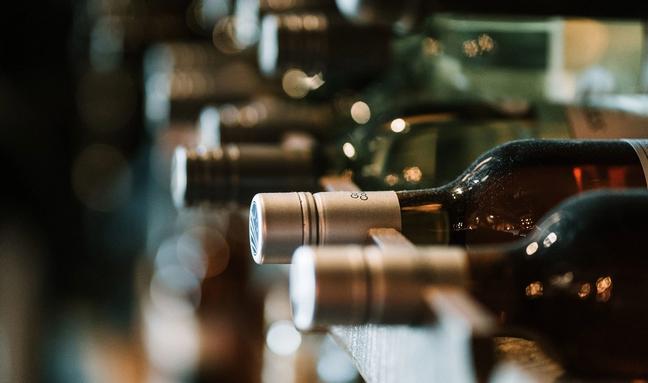
Humidity is where wine talk becomes suspiciously technical, which is often a sign that someone is enjoying themselves. The principle, however, is simple. Natural cork is a living material. Over time, if the air is very dry, the cork can dry out. A dry cork can shrink slightly. A shrunken cork can allow oxygen to creep in. That is when a wine begins ageing faster than intended, and the result is rarely charming.
For long-term storage of cork-closed bottles, moderate humidity is helpful. Many people cite a range around 50 to 70 per cent as sensible. You do not need to measure it daily like a Victorian doctor checking pulses. You simply need to avoid extremes. Most homes will be adequate, especially if your bottles are not sitting for decades, but certain environments can be problematic. Very dry, heated rooms can slowly desiccate corks. Very damp spaces can encourage mould and musty smells, and wine does not want to spend its formative years absorbing the atmosphere of a neglected cupboard.
If your storage area is very dry, you can improve matters by choosing a less heated space and by keeping bottles stored on their sides when they are cork-closed. That helps keep the cork in contact with the wine, which is the easiest form of moisture management. If your storage area is damp, keep it clean and ventilated. Mould on labels is mostly a cosmetic annoyance, but persistent dampness can signal an environment that is not ideal for the rest of your home, which is a different problem and one you should not ignore simply because the bottles look romantic.
Modern closures offer relief. Screw caps do not rely on the same relationship with humidity. Many technical corks are less sensitive than natural cork. This is all perfectly sensible, and it also slightly upsets the mythology. That is fine. Mythology is rarely helpful in storage. It is enjoyable at dinner. It is less enjoyable when you open a bottle and discover you have been living in fantasy.
The question of whether bottles must be stored on their sides is a favourite topic because it allows people to sound decisive. The correct answer is less theatrical. If a bottle has a natural cork and you intend to store it for months or years, store it on its side. This keeps the cork in contact with the wine and reduces the risk of drying. If you are holding a bottle upright for a short period before drinking, you are unlikely to cause disaster. For long-term storage, side storage is simply the sensible default.
For screw caps, upright storage is perfectly acceptable. For many technical closures, position matters less. Side storage still has practical advantages, since it saves space and keeps a collection tidy, but it is not a moral duty.
A proper wine storage setup is not merely a convenience. It is, if done well, a genuine asset, one of those quiet upgrades that can add real value to a home without requiring you to knock down walls or explain yourself to planning authorities.
Vibration is the overlooked nuisance. Wine prefers stillness. Constant vibration can keep sediment suspended in older reds and can interfere with the slow settling process that makes mature wines pour more cleanly. It may also affect long-term ageing. Science can become complicated, but common sense remains. Do not store wine on top of appliances that vibrate. Do not store it where it is repeatedly bumped and shuffled. Wine is patient, but it is not thrilled by being treated like luggage.
This is where the kitchen returns as the chief conspirator. It is warm. It is bright. It vibrates with refrigerators and dishwashers. It smells of cooking, which is delightful for humans and less delightful for anything that spends years sealed behind a closure that can, over time, allow subtle exchanges with the environment. The top of the fridge is the classic mistake. It seems convenient. It is also a small gauntlet of heat and vibration. The fact that it is common does not make it correct. It simply means many people have learned the hard way.
Wine, like whisky, rewards those who approach it with a bit of method and a bit of humility. The same instincts that guide learning to taste whisky properly, patience, attention, a willingness to let the thing speak before you decide what it is saying, apply just as well to storage. You are not rushing the process. You are chairing it.
Choose stillness. Choose consistency. Choose a place where the bottles can live undisturbed, like discreet officials who do their work best when nobody notices them.
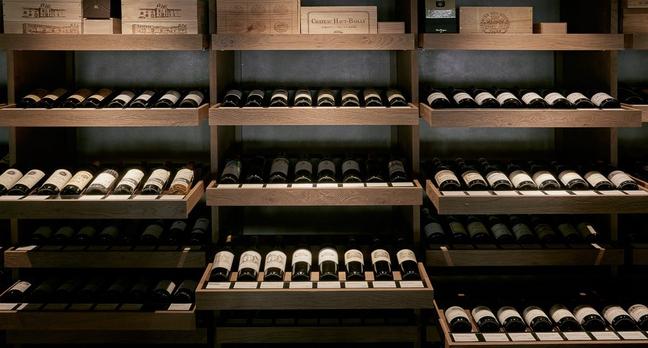
The best storage setup depends on how you actually drink, not how you like to imagine you drink. If you mostly buy wine to enjoy within a few weeks or a couple of months, you do not need to build a system worthy of an auction house. You need a cool, dark cupboard and a bit of discipline. Store bottles away from heat. Keep them out of the light. Lay cork-closed bottles on their sides if they will sit for a while. Drink them in good time. Do not let a modest collection become an archaeological site.
If you regularly keep bottles for six months to a few years, or if your home tends to be warm, a wine fridge becomes the sensible move. A normal kitchen refrigerator is not a wine cellar. It is very cold and very dry. It vibrates. It is open constantly. It smells of other things. It is excellent for chilling tonight’s bottle. It is a poor place to age wine. A dedicated wine fridge is designed for steady temperature and gentler conditions. It also has the pleasing side effect of making you feel organised. This feeling may be temporary, but it is enjoyable.
Single-zone wine fridges are often excellent for storage because they hold one steady temperature. Dual-zone models can be useful if you like keeping some wines closer to serving temperature while storing others a little cooler. Even then, remember that storage temperature and serving temperature are not the same. The elegant approach is to store wine cool and then bring it up to serving temperature with time, rather than forcing it with heat because you have forgotten that dinner exists until the last minute. This is, admittedly, a high bar. We do our best.
If you collect wines intended to age for years, then you want true stability. A cellar can provide it, if it is genuinely cool, dark, and steady. Not all cellars behave. Some are damp. Some are too warm. Some are full of smells that no wine should be obliged to live with. A proper wine cabinet can be a better answer, because it gives you control. The key is to create a steady environment. Romance is optional. Reliability is not.

Once you have chosen the right place, the rest is quite routine, and routine is what separates the person who always seems to have a good bottle ready from the person who always seems slightly surprised by their own collection. Organisation is not bureaucracy. It is simply a way of ensuring you drink bottles at their best.
Keep everyday wines accessible. Keep age-worthy bottles somewhere they will not be disturbed. If you buy cases, consider keeping them in their original boxes, at least for wines you intend to store for longer. It blocks light. It cushions the bottles. It also makes it less likely that you will forget what you own, which is a common problem in any collection that grows beyond a dozen bottles.
A simple inventory helps. It can be a notebook. It can be a spreadsheet. It can be an app if you enjoy the faintly modern sensation of scanning labels like a customs officer. The point is to know what you have, when you bought it, and roughly when you intend to drink it. This prevents the melancholy moment when you discover that the bottle you meant to open last winter has now endured two summers and a spring of neglect. Wine is patient. It is not immortal.
Handle bottles sensibly. If you suspect an older red has sediment, stand it upright for a day before opening so the sediment settles. Move bottles gently. Avoid unnecessary jolting. When transporting wine home, keep it out of the heat. Do not leave it in a hot car, not even for what you tell yourself will be a short stop. Heat is swift. Your intentions are irrelevant.
If your storage spot changes with the seasons, plan accordingly. Many homes are stable in winter and less stable in summer. A cupboard that feels cool in January can become noticeably warmer in July. If your home runs hot in summer, move the wine to the coolest interior space you have, or accept that a wine fridge is the simplest answer. This is not defeat. It is governance.
Store wine cool. Keep it dark. Keep it steady. Keep it still. Do these things, and you will open bottles that taste as they should. You will also acquire a small, satisfying reputation for always getting it right, which is, of course, the real goal, even if we all pretend it is not.
Once you have done the quiet work of storing wine properly, the reward is a bottle that tastes as it should, ideally enjoyed with something equally well-considered, whether that is good company, a meal that deserves the attention, or a cigar paired with the same care you gave the cellar.
To receive the latest in style, watches, cars and luxury news, plus receive great offers from the world’s greatest brands every Friday.