
Style -- 11 days ago
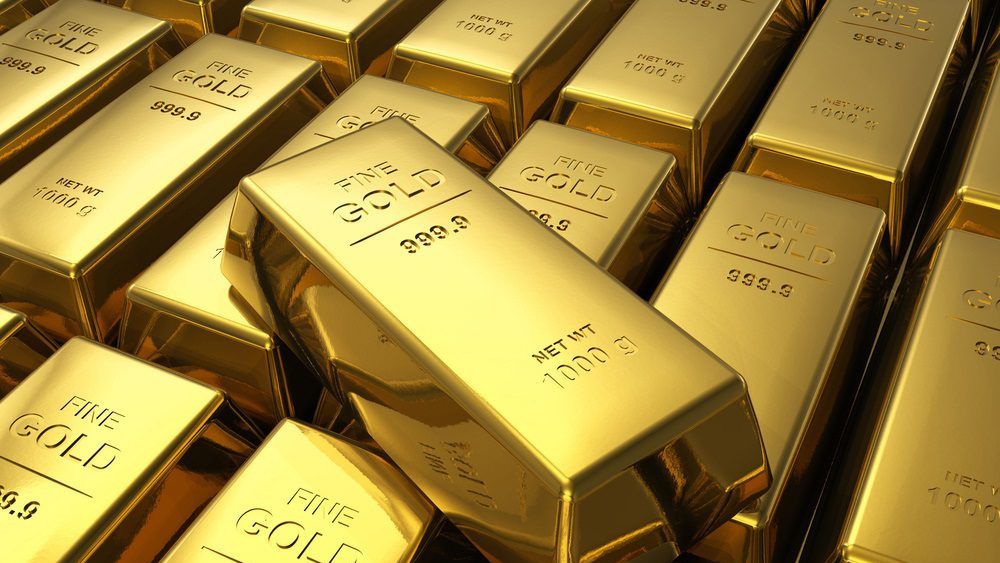
Rates, fear, and pride jostle for the wheel, and price simply follows. Once the mood shifts, the best time to buy gold becomes clearer than anyone wants to admit.
Gold has a peculiar talent for making sensible people behave like characters in a Cabinet meeting. Everyone insists they are calm, rational, and acting on principle. Everyone is also quietly watching everyone else, waiting for the moment the room changes temperature.
It is easy to see why. Gold sits outside the usual arguments of markets and modern life. It does not issue guidance. It does not miss earnings. It does not require you to believe in a founder’s vision, or a central bank’s mood, or the soothing fiction that risk can be diversified away like an awkward relative.
Still, the question arrives with clockwork regularity. When is the best time to buy gold?
The short answer is that the perfect moment is only obvious in retrospect, and even then, it tends to be described by someone who is trying to sell you a newsletter. The useful answer is longer. It is also, happily, more practical.
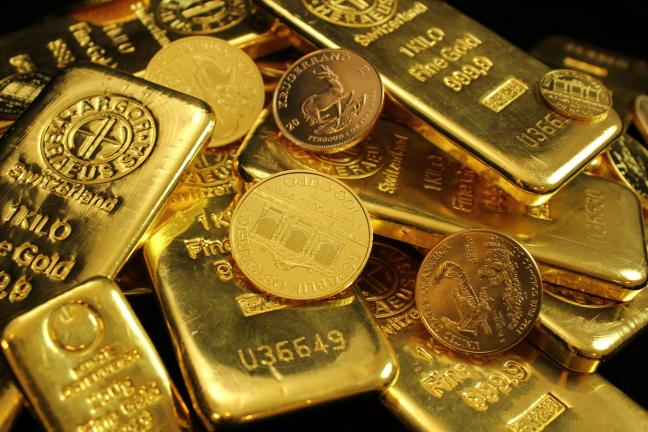
Before timing comes motive. Gold is rarely bought for the same reason people buy equities. It is not a bet on growth. It is a preference for resilience.
Some people use it as an insurance policy against inflation, currency weakness, or the sort of political theatre that makes markets briefly forget their manners. Others buy it as a ballast in a portfolio, because it can behave differently when shares and bonds are having a collective wobble. There are also those who simply like the idea of owning something that feels permanent, which is not entirely irrational in an era where even your music is rented.
Gold’s habit of attracting attention tends to intensify when uncertainty rises. Recent events have offered a reminder of that, with safe-haven demand pushing gold towards fresh highs during bouts of geopolitical tension.
If you buy gold for peace of mind, then timing is about reducing regret, not chasing perfection.
Gold does not move like a normal consumer good. It is not cheaper in the sales, and it is not obliged to reward your patience.
It responds to narratives, to monetary policy, to real yields, to currency strength, and to that intangible thing called risk appetite, which is what economists call fear when they are trying to sound calm. When expected returns on other assets look less compelling, interest in gold can rise, which can push its value higher.
This means you can be right about the world and still be early or late about the timing. You can also be wrong about the world and still make money, which is an indignity markets have never quite apologised for.
So the aim is not to find the single best day. The aim is to buy under conditions that are broadly favourable, and to avoid the moments when gold is being treated like a lifeboat.
The most reliable principle is almost offensively simple. Gold is often most attractive as a purchase when it is not the centre of attention.
When headlines are calm, when investors are relaxed, and when the conversation has moved on to something less apocalyptic, gold can drift. This is when it tends to be treated as a boring allocation rather than a dramatic statement.
When the news turns theatrical, the opposite happens. Gold becomes a symbol, and symbols rarely trade at a discount. You are then buying not only metal, but also the premium of collective nerves.
That does not mean you should never buy during volatility. It means you should recognise the difference between building a position and joining a stampede. The stampede may still work, but it will not feel dignified.
If you want one macro signal that matters, it is real yields, which is to say interest rates after inflation is accounted for. When real yields rise, gold can struggle because it offers no yield of its own. When real yields fall, gold can look more appealing because the opportunity cost of holding it declines. PIMCO notes that changes in real yields have been among the most significant drivers of gold over recent decades.
In practice, this often means paying attention to what markets expect central banks to do next. Rate cut expectations can support gold, while a shift towards higher rates can pressure it, particularly if that shift is paired with a stronger currency.
You do not need to become an amateur economist. You simply need to notice when the world starts talking about falling rates, and when it starts talking about higher for longer.
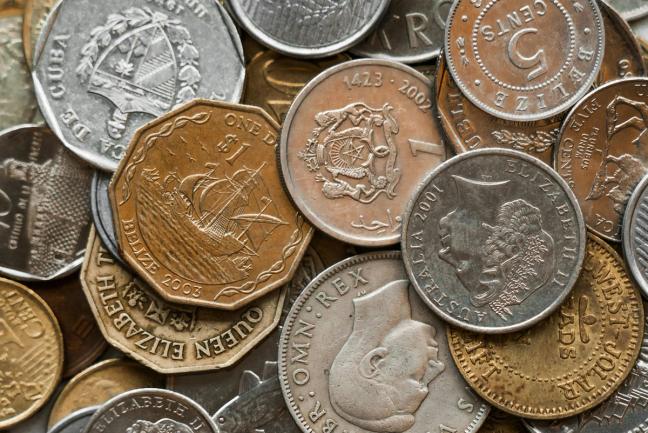
Gold is priced globally, yet you experience it locally. If your home currency strengthens, gold can become relatively less expensive in your terms. If your home currency weakens, gold can feel as if it has risen even when the global picture is steadier.
This is why two people in different countries can look at the same chart and have different emotional experiences. One sees opportunity. The other sees a slow theft of purchasing power.
If you are buying gold as a hedge against currency weakness, then a weakening currency is not necessarily a reason to wait. It may be the very reason you are buying. If you are buying for diversification, then currency strength can offer a more comfortable entry point.
Gold has seasonal patterns, largely driven by jewellery demand, cultural buying, and the rhythms of financial flows. Historical studies often show stronger periods around the turn of the year and again later in the summer, with softer stretches in parts of spring and early summer.
This is useful in the way a weather forecast is useful. It can guide you, but it cannot guarantee your picnic.
Seasonality matters most when nothing else is dominating the story. When macro forces are calm, seasonal demand can nudge prices. When central banks shift, or geopolitics flare, or markets panic, seasonality becomes background music.
So treat seasonal patterns as a tie breaker. If you already plan to buy, and you have flexibility, it can make sense to favour historically quieter windows rather than the months that often see stronger demand.
One of the more underappreciated forces in the gold market is central bank demand. When central banks are buying steadily, they can provide a supportive undercurrent that makes gold less dependent on short-term sentiment.
The World Gold Council has reported continued central bank purchases recently, with momentum remaining firm. This does not mean prices only go up. It does mean there is structural demand in the background that can change the market’s character.
For an individual buyer, the lesson is not to copy a central bank. You do not have their time horizon, and you do not have their political reasons. The lesson is to recognise that gold is not only a retail obsession. It is also a policy tool for institutions that think in decades.
When gold has already surged, the temptation is to buy because it feels like validation. Everyone is talking about it. Charts look dramatic. People begin to speak of a new era.
This is the moment to be most British. Mildly sceptical. Politely unconvinced. Interested, but not impressed.
Gold has recently experienced extraordinary strength, and it delivered one of its best annual performances in decades.
That sort of run can continue, but it also raises the risk that you are buying enthusiasm rather than value.
If you are buying as a long-term allocation, you can still buy after a rally. You simply need a method that stops you from feeling foolish if the market cools. That method is usually gradual buying, which turns timing into a process rather than a gamble.
The most useful tactic for most people is staged buying. You decide the allocation you want over time, then you buy in portions across weeks or months.
This does three things. It reduces the risk of buying at a temporary peak. It also reduces the anxiety of waiting for a perfect dip that never comes. Most importantly, it keeps you from turning gold into a personality trait.
If you are particularly nervous about volatility, you can stage purchases around certain conditions. You buy more when gold pulls back sharply. You buy less when it is rising higher. This is not a promise of better returns. It is a way of behaving like an adult.
Timing is also influenced by the form of gold you choose.
Physical gold, such as coins and bars, is tangible and pleasingly final. It also involves storage, insurance, and the practical reality that you will not be selling it with a single click. Premiums and dealing spreads can matter, so the best time to buy can include moments when those frictions are lower, not only when the global market is moving.
Gold funds and exchange-traded products are easier to buy and sell, and they can fit neatly into a broader portfolio. They can also encourage overtrading, because convenience is a seductive thing.
Neither is morally superior. They are different tools. The best time to buy can therefore mean different things. For physical gold, it might be when supply is calm, and premiums are less excitable. For paper exposure, it might be when macro conditions are shifting in your favour.
If your horizon is short, timing becomes ruthless. Small moves matter. Fees and spreads matter. Emotions matter most of all.
If your horizon is long, timing becomes less dramatic. The question turns into whether gold belongs in your financial life at all, and in what proportion, and what role it plays when everything else misbehaves.
Gold is often bought as a hedge. A hedge is meant to feel slightly unsatisfying when times are good. If your gold allocation is thrilling, then it is probably too large, or you have started using it for the wrong reason.
So choose your horizon first. Then your timing decisions become calmer.
There is a charming paradox with gold. The moments when it feels smartest to own are often the moments when it feels most expensive to buy.
If the world is in turmoil, gold tends to be bid up. That is not a market failure. That is the market doing precisely what gold is for.
This is why the best time to buy is often before you feel you need it. You buy when the insurance is boring, not when the house is already smoking.
Recent safe haven surges during geopolitical shocks illustrate this point neatly. When fear rises, gold can move quickly, and the late buyer often pays for the drama.
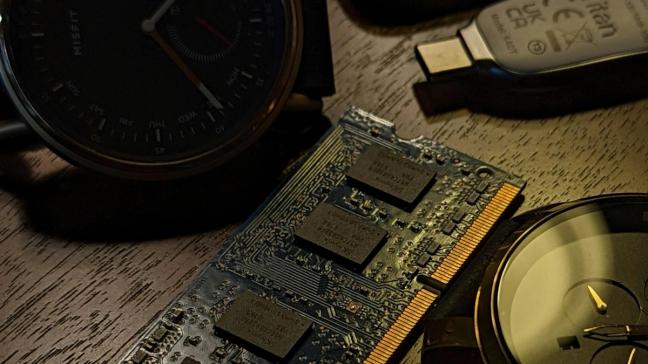
There is a certain irony in the fact that gold, often dismissed as a relic by those who prefer their assets to require software updates, tends to look more appealing precisely when the cutting-edge becomes unaffordable.
The current memory chip shortage has pushed up prices across the technology sector in ways that would have seemed theatrical twelve months ago. Gaming laptops have become noticeably more expensive, not because they have improved dramatically, but because the components inside them are now subject to the kind of supply negotiations usually reserved for defence contracts.
Smartwatches have followed a similar trajectory, their prices rising while their functionality remains largely unchanged. Even camera phones, once reliable beneficiaries of annual cost reductions, have begun creeping upward as manufacturers quietly pass on the cost of scarce components to consumers who had budgeted for something else entirely.
Gold does not suffer from supply chain bottlenecks in quite the same way. It does not require a facility in Taiwan to function. It is not competing for allocation against an artificial intelligence data centre that has decided it needs all the memory in the world by Thursday. It simply sits there, unhurried, while the technology sector conducts an elaborate argument with itself about who gets what and when.
This is not an argument against owning technology. It is merely an observation that gold occupies a different part of your financial life. One is about utility and the quiet hope that this year's model will age gracefully. The other is about durability and the rather less fashionable assumption that some things do not need to be reimagined every September. Both have their place, though only one of them will still be worth something if the update servers go dark.
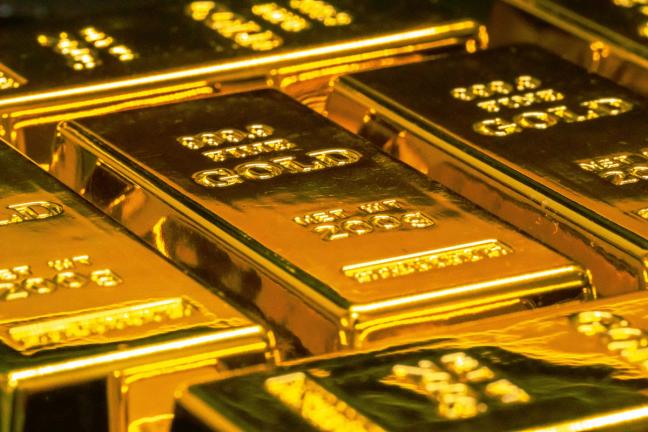
There are conditions that have historically offered more comfortable moments to build exposure.
One is when real yields are rising, and the market is generally optimistic about growth. Gold can lag in that environment, which can create quieter entry points. Another is when the domestic currency is strong, which can make gold less demanding in local terms. Another is when the news cycle is focused on anything other than a crisis.
None of these is are guarantee. They are simply conditions that tend to reduce the premium of panic.
Do not try to buy gold purely because it is trending on social media. Do not buy because you feel you are missing out. Do not buy because you want to win an argument.
Do not anchor on the highest point you have seen on a chart and treat it as a prophecy. Do not anchor on the lowest point and treat it as an entitlement.
Most of all, do not buy in a single emotional burst if what you want is stability. Stability is built with repetition, not with drama.

Gold is not complicated. People make it complicated because uncertainty is uncomfortable, and because the financial world rewards confident storytelling.
The best time to buy gold is when you have decided why you are buying it, and when you can buy in a way that you will not regret. For many, that means buying gradually. It means buying when markets are calm, not when they are screaming. It means keeping one eye on real yields and central bank signals, but keeping both feet on the ground.
Gold is not a solution to everything. It is a tool. Use it with the quiet composure of someone who understands that markets are cyclical, that politics is theatrical, and that the most reliable edge is often temperament.
That, in the end, is the best timing of all.
To receive the latest in style, watches, cars and luxury news, plus receive great offers from the world’s greatest brands every Friday.