
Cars -- 9 days ago

New-plate buzz fades, forecourts fill, and suddenly the conversation changes tone. Catch those moments and the best time to buy a car feels less like haggling, more like timing.
Buying a car is one of the few modern rituals that still combines romance, bureaucracy, and mild intimidation. You walk in wanting something handsome and dependable, and you leave having signed enough paperwork to qualify for a minor ministerial post. Somewhere in the middle, a person with perfect teeth offers you a cup of coffee and calls the monthly payment a “solution”. You nod gravely, as if this is all very normal, because adults must pretend that large decisions are made calmly.
The best time to buy a car is the moment when you are least emotionally involved, and the seller is most keen to look good on a spreadsheet. In other words, you want to shop when your heart is quiet, and their targets are loud.
What follows is not a single magic date. It is a calendar of human behaviour, commercial pressure, and a little bit of British theatre.

Most buyers shop when it suits them. The weekend. The school holiday. The day after, the current car makes a noise that suggests a loose relationship with the laws of physics.
Dealers, meanwhile, live by a different clock. They have monthly figures, quarterly targets, and a deep spiritual attachment to anything that helps them finish a reporting period looking competent. This is why timing matters. You are not negotiating with a person. You are negotiating with a system that has deadlines.
If you can align your visit with those deadlines, you tend to find more flexibility on the terms, the extras, and the general willingness to be helpful. Auto Express notes that the final month of a dealer quarter can be a particularly fruitful time, because pressure to hit targets rises and the appetite for a clean sale increases.
If you want a single rule that usually holds, it is this. The end of the month is often better than the beginning.
It is not mystical. It is administrative. Monthly reporting is the great drumbeat of modern commerce, and the last few days can turn even the most unflappable sales team into people who suddenly return calls. A buyer who is ready, polite, and slightly indifferent can become very interesting indeed.
There is also a useful psychological detail. A salesperson who is short of a target is not negotiating in the abstract. They are negotiating with a number that has a name, a deadline, and the ability to make their manager sigh loudly. This is the moment when modest requests are more likely to be entertained, and when small concessions can appear without anyone having to pretend they were always on the table.
Do not expect miracles. Expect motion.

If the end of the month is helpful, the end of the quarter is when the plot thickens.
Many dealers work towards quarterly performance goals, and the closing weeks of a quarter can sharpen priorities. Auto Trader points out that the end of each quarter can be a good time to negotiate, since dealers may be keen to hit targets and secure bonuses.
There is a delicious Whitehall logic to this. Everyone insists the system is impartial, yet everyone knows the system becomes more accommodating when it needs a favourable outcome. If you turn up near quarter-end with financing arranged, a trade-in ready, and a calm expression that says you can walk away, you are essentially offering them a tidy conclusion at precisely the moment they want tidy conclusions.
You will notice an increase in enthusiasm. It will be framed as excellent customer service. It is actually mathematics.
In the UK, the number plate change is not just a clerical event. It is a social signal. It affects demand, it affects timing, and it influences the way people feel about what is “new”.
Plates change on 1 March and 1 September each year, which is confirmed in multiple UK car guides and leasing resources. That means many buyers hold off, because they want the latest identifier on the drive. Dealers know this. They plan around it.
If you want the newest plate, you shop around those dates, and you accept that demand is high. If you want a calmer conversation, you should hop just before or just after, when the frenzy settles and normality returns.
There is also a sensible middle path. If you buy just after the plate change, you get a car that feels current for longer, which can be psychologically pleasing, and occasionally helpful when it comes time to move it on. If you buy just before, you can sometimes find more willingness to shift stock, because nobody wants to be left holding cars that suddenly look slightly older in the public imagination.
It is not rational. It is still real.
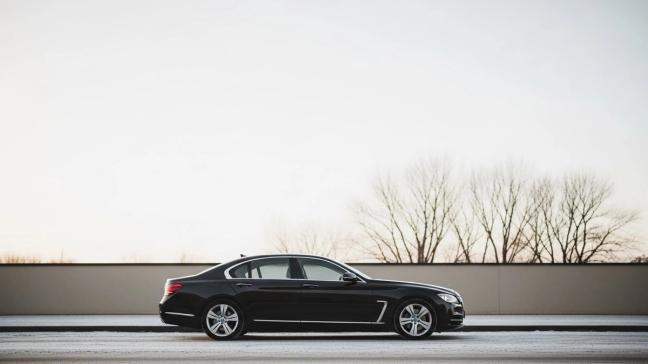
The used market has its own rhythm. Buyers are more plentiful at certain times, and that demand can lift asking prices and reduce choice. Data-driven market updates frequently note seasonal patterns, including small month-to-month shifts that align with the time of year rather than any great drama.
In broad terms, winter can be a quieter period for used car shopping. Fewer people want to spend a wet Saturday trudging around forecourts while their fingers go numb and a stranger asks if they have considered paint protection. When fewer people shop, sellers often become more attentive.
December can be a curious mix. Some people are distracted, and some are determined to tidy up the year with a purchase. Early January can feel calmer, and calm is often where good decisions happen. You are less likely to compete with impulsive buyers. You are more likely to find a seller who would enjoy the relief of concluding a deal without fuss.
Just remember that winter also reveals the honest flaws. Tyres, heaters, batteries, wipers, and that charming tendency for condensation to suggest a secret life in the door seals. A winter test drive is not glamorous, but it is informative.
If you are considering a used car that has been wrapped, it is worth understanding what a wrap costs and how long it should last, because a tired film can hide sins or simply become one.
If you want better service and potentially better outcomes, go when the dealership is quiet. Auto Trader specifically suggests visiting on weekdays when there is less footfall, because you are more likely to get attention and possibly better offers.
On a Saturday, you are one of many. On a Tuesday, you are the plot.
A calm showroom means you can ask questions without being hurried. It also means the salesperson is not juggling three conversations and a managerial eyebrow. You can take your time, and they can too, which is when the whole thing becomes less of a scrum and more of a negotiation between adults.
If you can, arrive in the late afternoon. People tend to be more realistic when the day is ending. It is a small thing, but small things are the entire game.

Cars, like suits and hairstyles, go through cycles. A new model arrives. Everyone wants it. Then the novelty fades, and the sensible buyers quietly appear with a notebook and a raised eyebrow.
If you are looking at a new car, it can be worth paying attention to the model lifecycle. When a facelift or replacement is imminent, outgoing stock becomes less fashionable and more negotiable. When a new model has just launched, the older version begins its slow drift into better value territory, especially once the initial rush is over.
This is the part where you must behave like a seasoned operator. Admire the new thing, then buy the good thing that everyone is suddenly overlooking. The best purchases rarely happen at the height of excitement. They happen when excitement has moved on.
The same logic applies to nearly new cars. When registrations spike around plate changes, more cars enter the market a few months later. More supply can mean more choice, and choice tends to improve your leverage.
Many people time car buying around personal milestones. A new job. A new baby. A sudden desire to become the sort of person who owns a roof box.
Sensible enough.
If you are relocating abroad, timing your purchase becomes even more delicate, since selling a car under pressure rarely ends well.
Yet there is another calendar that can matter just as much. The policy calendar.
Rules and charges change. Tax treatment changes. Local schemes change. Electric vehicles, in particular, have seen shifts in how they are treated, including changes to vehicle tax rules from April 2025 in the UK, which removed the previous position where many EVs paid no vehicle excise duty. Government guidance sets out that electric, zero or low-emission cars registered on or after 1 April 2025 pay a first-year rate and then the standard rate thereafter.
You do not need to become an amateur accountant, but you should avoid buying blindly near known change points. If a rule changes on a given date, buying just before or just after can affect your running costs and your future buyer’s assumptions.
London-based readers have another layer to consider. The Congestion Charge treatment for electric cars has changed, which alters the daily reality for people who drive into central London regularly. Even if you do not live in London, the broader lesson is useful. Local policy can shape ownership in ways that do not show up in the brochure.

The worst time to buy a car is when you are flustered. When your current vehicle has failed theatrically. When you have just watched a video review that made you feel inadequate. When you have decided you deserve something dramatic, and you are in the mood to prove it.
Urgency is expensive. Not always in money, but in judgment. It makes you accept terms you would normally question, and it makes you ignore small issues that later become large annoyances.
The principle is the same one that applies to buying an engagement ring. The best decisions happen when your heart is quiet and your research is done.
If you can, create time. Arrange your financing. Research the trim levels. Know what matters to you and what does not. Turn up rested, fed, and capable of saying, “I will think about it”. That sentence is the motoring equivalent of parliamentary sovereignty.

If you want the clearest answer that still respects reality, it is this.
Aim for the end of the month, and if you can, align it with the end of a quarter. Visit on a weekday when the showroom is quiet, and attention is plentiful. Decide whether you care about the newest plate, and time your new car purchase around the March and September changeovers accordingly. For used cars, consider quieter winter periods when fewer people are shopping, and you can negotiate without theatre. Then do the most important thing. Stay calm.
Because the real advantage is not a specific date on the calendar. It is the ability to behave like you do not need the car, even when you very much want it. That is when the system, with all its targets and scripts, begins to bend ever so slightly in your direction.
To receive the latest in style, watches, cars and luxury news, plus receive great offers from the world’s greatest brands every Friday.