
Style -- 9 days ago
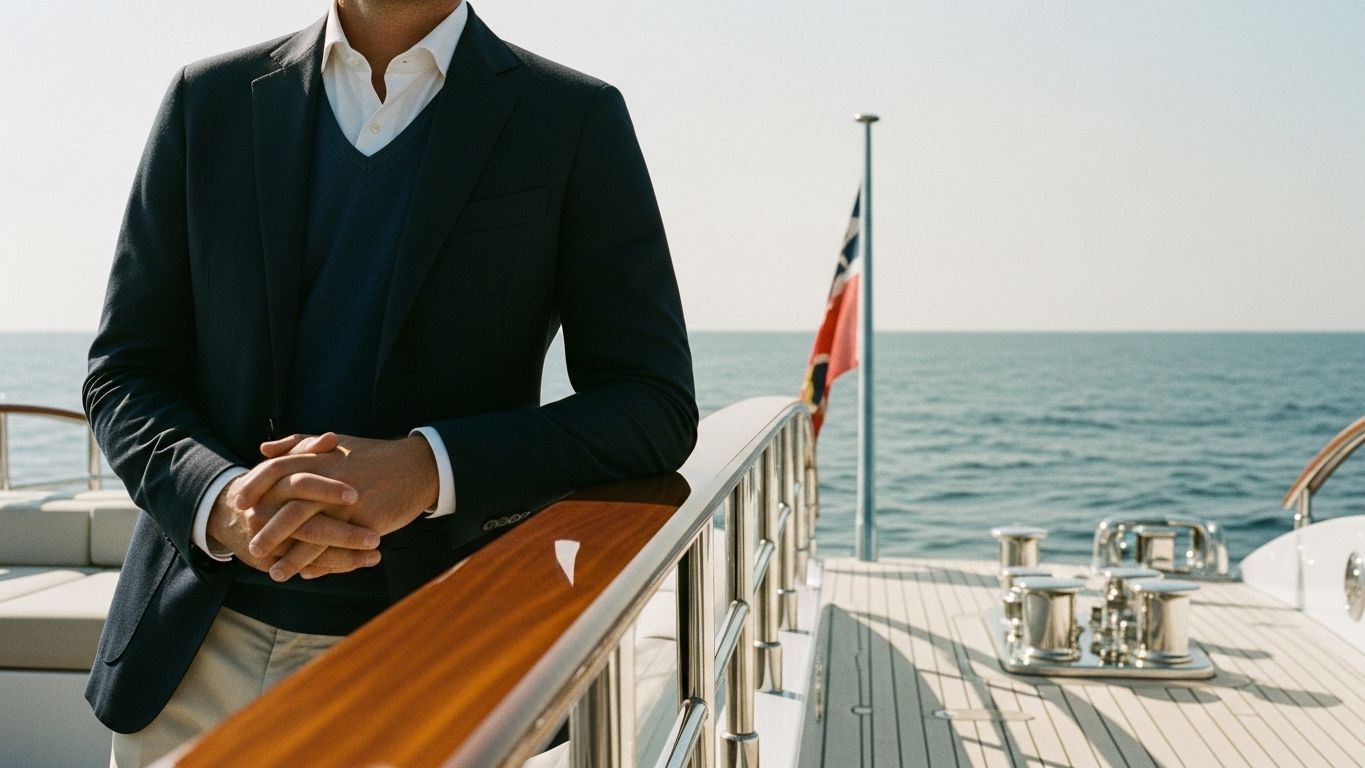
Registry choice decides how painful the admin becomes, long before the yacht leaves the berth. The best flag state for yachting keeps compliance tidy and cruising uncomplicated.
A yacht’s flag is the least glamorous thing on board. It is also the thing that decides who gets to ask awkward questions, which rules you must obey, and how swiftly the whole business is resolved when you are trying to slip out of port before someone suggests a second bottle of rosé. We like to tell ourselves the choice is about tradition and taste. In practice, it is about jurisdiction, surveys, crew paperwork, and the kind of administrative competence that feels dull right up until it saves you a fortnight in the wrong marina.
So what is the best flag state for yachting? The honest answer depends on how you use the yacht, where you cruise, and how you want your life to feel when the captain calls with a query that begins with the words the authorities. Some flags suit private owners who want quiet competence and global respect. Some suit charter operations that need commercial flexibility without turning the vessel into a floating bureaucracy. Some suit Mediterranean cruising where VAT and customs questions are not theoretical and can arrive with the certainty of a lunch reservation.
This subject attracts confident claims and glossy certainty. We will be more helpful than that. The sensible approach is to understand what the flag actually changes, why reputation matters when officials come aboard with clipboards, and which registries tend to fit common ownership patterns. Choose your flag like you choose a watch. Not for the logo. For life, it makes it easier.
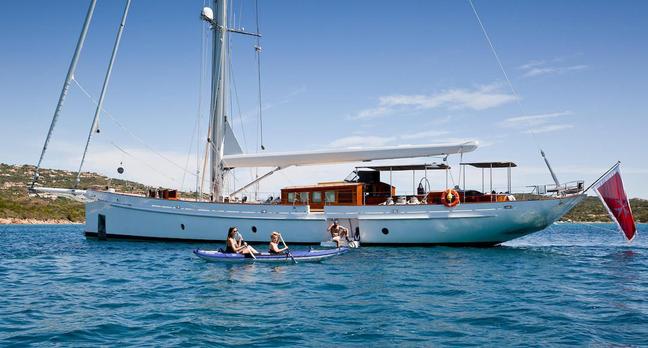
The flag state is the country or territory whose laws your yacht lives under. It influences safety standards, surveys, certification, crew requirements, and how compliance is assessed. It also shapes what happens when something goes wrong, and what happens when nothing goes wrong, which is the real ambition. A well-run yacht is rarely lucky. It is usually well administered.
Flag choice also touches finance and insurance. Lenders like registries with clear rules around registration and mortgages. Insurers like flags with credible oversight because credible oversight tends to correlate with fewer nasty surprises. Then you have the softer power. A respected flag can reduce friction with marinas and authorities, and it can make routine clearances feel routine rather than theatrical.
Tax and customs are the other part of the picture, particularly if you spend time in European waters. A flag does not magically remove VAT or duties. It can, however, affect how smoothly you navigate the regimes that do exist, and how convincingly your yacht’s status is understood when someone decides to take an interest.
Start with purpose. A private yacht has a different regulatory life from a yacht that charters. Chartering means passengers for reward, contracts, and a higher compliance bar. Some owners want occasional charters without living under a full commercial regime all year. That is where the details matter and where the right registry can save you from a great deal of pointless back and forth.
Next comes geography. The Mediterranean has its own ecosystem, with EU customs and VAT considerations that can shape ownership structures and cruising patterns. The Caribbean can be more relaxed in tone but not necessarily less serious about safety and security. If you cruise globally, you want a flag that is recognised, respected, and supported across time zones, with administrators who understand yachts rather than treating them like an administrative afterthought.
Finally, think about people. Crew hiring and certification requirements vary by flag. If you want a truly international crew pool, you generally prefer registries that are aligned with international standards and are not unnecessarily restrictive.
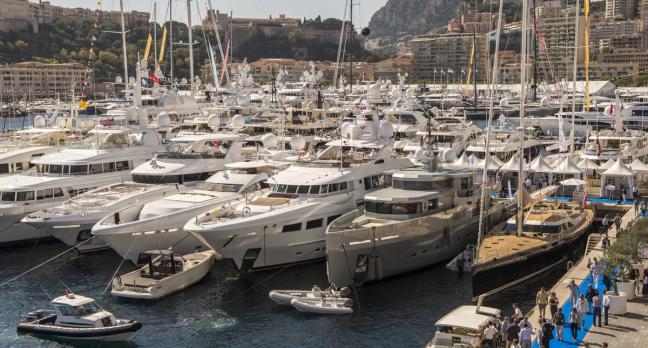
Reputation sounds like a social concern. In this world, it is operational. Coastal states inspect visiting vessels, and some flags attract more scrutiny than others. Flags associated with strong oversight tend to experience fewer delays and fewer unpleasant surprises. That matters if you value time, which one assumes you do if you own a yacht.
A helpful indicator is how flags perform in recognised inspection regimes over time. The details shift year to year, but the broad pattern holds. Some flags consistently sit in the more trusted category. That usually reflects a registry that takes compliance seriously and has systems that work. In yachting, the goal is not perfection. It is predictability.
The Red Ensign family of registries, which includes certain British-linked jurisdictions and territories, has long appealed to yacht owners who want a blend of reputational strength and practical administration. The attraction is not romance, although some people enjoy the nod to tradition. The attraction is that these registries tend to be widely recognised, professionally run, and accustomed to the realities of large yacht operation.
Owners and managers often like them because the rulebook is serious, the processes are familiar to the industry, and the result is a yacht that can move through ports with less friction. Nobody should choose a flag purely for how it looks at the stern. But it is quietly pleasant when the flag that looks appropriate also behaves appropriately.

If you asked the superyacht world to pick a default flag, Cayman would appear early in the conversation. It is widely recognised, familiar to captains and managers, and generally regarded as well run. Owners tend to value registries that understand yachts as complex operational platforms, not as novelty objects with teak.
Cayman’s appeal is also tied to pragmatism around different patterns of use. Many yachts are private most of the time and charter occasionally. A registry that understands how that works, and that offers clear pathways for compliant operation, can be more valuable than one that forces you into an all-or-nothing posture. For owners who want a flag that plays well with finance, insurance, and charter expectations, Cayman often feels like the path of least resistance. Not the cheapest. Not the flashiest. The least resistant.
Malta is a serious maritime jurisdiction, and it sits naturally within a European context. That matters if your yachting life is Mediterranean-heavy. The administrative machinery is used to deal with international owners and commercial operations. That can make the experience smoother, particularly for yachts that charter and want a framework that is legible across European ports.
The conversation around Malta often drifts into tax and VAT. It is worth keeping your feet on the deck. EU VAT on yachts is not a dinner party topic, and it is not a place for improvisation. The right structure depends on your residency, your ownership set-up, and how the yacht is genuinely used. Malta can be an excellent registry for the right profile. It can also be the wrong answer if you choose it for the myth rather than the reality.

The Marshall Islands has become a serious player, and not only in commercial shipping. It has invested in yacht-specific regulation and administration, which is why it appears more frequently in modern superyacht discussions. Owners who like it often point to the combination of scale and pragmatism. A large registry tends to have institutional muscle. When it also understands yachts, the result can be a workable blend of order and efficiency.
This can suit owners who cruise widely or who charter regularly. It can also suit those who want a flag that is treated as mainstream by service providers and authorities worldwide. The best compliment a registry can receive is that nobody talks about it on board. Things simply work.
The Isle of Man and Bermuda appeal to a certain temperament. The kind that wants strong administration, a professional reputation, and processes that do not feel improvised. They sit comfortably in the same orbit of British-linked registry culture, and they are familiar with the industry.
These flags can be particularly attractive if you value conservative compliance and want a registry that yacht managers know well. The advantage is rarely a single dramatic feature. It is the accumulation of small efficiencies. Fewer surprises. Clearer expectations. Less time spent in administrative fog.

For smaller yachts and eligible owners, registering under your home country's flag can be a sensible and respected option, whether that's the UK, US, Australia, or elsewhere. It can feel refreshingly direct. If your cruising is largely domestic or regional and your operational needs are uncomplicated, the simplest solution is often the best. A good flag is not a trophy. It is a framework.
That said, as yachts grow in size and complexity, owners often move towards specialized maritime registries with deeper superyacht-specific experience and infrastructure. Popular choices include the Red Ensign Group registries (Cayman Islands, Isle of Man, British Virgin Islands), Malta, and the Marshall Islands. Each offers different advantages in terms of tax treatment, crew regulations, and regulatory support. The International Chamber of Shipping maintains comparative information on flag state performance that can inform this decision.
This shift isn't a criticism of traditional national registries. It's simply a reflection of what large yacht operations demand: specialized knowledge of commercial yacht operations, charter regulations, and the unique compliance needs of vessels that blur the line between private and commercial use.
If you cruise in EU waters with a yacht flagged outside the EU, customs rules become part of the planning. Temporary admission and similar regimes can allow private use for a defined period, subject to conditions. The details matter, and enforcement can vary by port and by circumstance, which is why owners rely on professional advice and good yacht management rather than bravado.
The key point is simple. Your flag choice should align with your residency, your usage pattern, and where the yacht actually spends time. A flag that looks clever on paper can become tiresome if it creates constant explanations on the quay.

The best flag state for yachting is the one that makes the yacht easier to run, easier to insure, easier to finance, and easier to move through the world without unwanted theatre. For many large yachts, the Cayman Islands remains a perennial favourite because it combines recognition with operational practicality. Malta often suits Mediterranean-focused owners who want a European framework that is taken seriously. The Marshall Islands can be compelling for global cruising and charter profiles that benefit from a large registry with a yacht focus. Isle of Man and Bermuda suit owners who prefer quiet order and a registry culture that feels designed by people who have actually met a yacht manager.
Choose the flag that matches your reality. Then let it do its job. It should sit quietly at the stern and keep you out of trouble while you concentrate on the only sensible objective. Enjoying the yacht without feeling you are being audited.
To receive the latest in style, watches, cars and luxury news, plus receive great offers from the world’s greatest brands every Friday.