
Property -- 7 days ago

A beard transplant guide should begin with realism rather than fantasy. The craft works best when the goal is harmony, restoring balance to the face with a surgeon’s eye rather than a sculptor’s ambition.
A beard is more than hair. It is identity, confidence, and, for many, a statement. Yet not every man is blessed with facial follicles that behave. Patchy growth, uneven density, or simply genetics can leave potential beards looking more apologetic than ambitious. For some, the solution is surgery: the beard transplant.
But before you call a clinic, check your passport, or mentally commit to a “before and after” photo, read this first. A beard transplant is a serious choice. What follows is everything you truly need to know: the what, the how, the cost, the risk, the reality, delivered with clarity, experience, and the occasional taste for understatement.
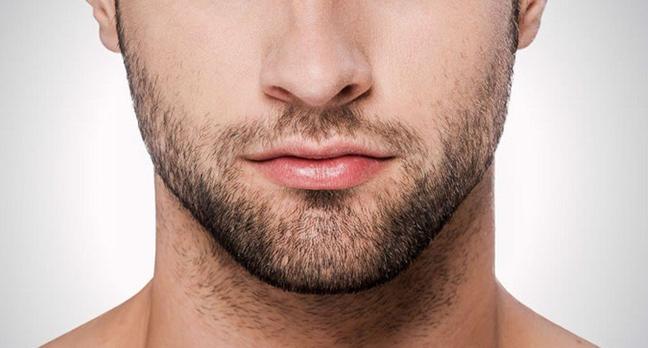
At its core, a beard transplant is a surgical procedure that moves hair follicles, typically from a donor site on your scalp, into areas of the face where beard growth is thin or absent. The goal is to create a fuller, more even, more natural looking beard.
In some cases, beard hairs themselves, for example from under the chin, can serve as the donor source, especially when scalp hair has been overused or when a softer match is preferred.
Men choose this path for different reasons. Some suffer from patchy growth or genetic limits. Others bear scars or uneven patches from burns, injuries, or previous surgeries. And some simply want the kind of beard that photographs well, feels deliberate, and carries presence even on a hungover Monday morning.
A beard transplant is not a magic wand, but for many, it is the closest thing to a one-time solution for permanent facial hair.
Not every man is a suitable fit for a beard transplant. Qualified candidacy usually depends on several factors:
Donor hair quality: There must be sufficient healthy hair at the donor site (often the back of the scalp). The follicles need to be robust, resistant to balding, and a reasonable match to facial hair in terms of thickness and texture.
Facial skin condition: The recipient area must be free from active skin disease, inflammation, or other conditions that might impair graft survival.
Realistic expectations: Transplants can significantly improve density and distribution, but they do not instantly produce a lumberjack level beard overnight. Growth unfolds gradually over weeks and months.
Commitment to care and patience: The early weeks involve healing, redness, scabs, and perhaps temporary shedding known as “shock loss.” Long term results take between six and twelve months to fully mature.
Surgeons will typically run a physical assessment, evaluate donor supply and discuss your beard goals before declaring you a candidate. If your donor hair is weak or your expectations are misaligned, a transplant might be ill advised.
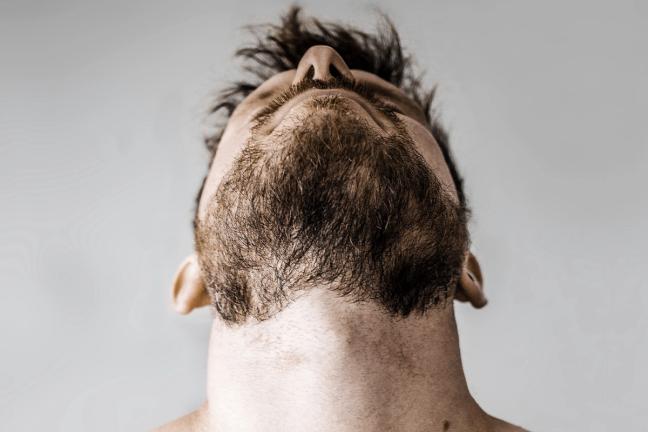
Modern beard transplants rely on methods borrowed from scalp hair transplantation, adapted for the unique demands of facial hair.
This is the most common method. Individual hair follicles are harvested one by one using a tiny punch device under local anaesthetic. These grafts are then transplanted into the beard area and carefully placed to match the natural direction and growth pattern of existing facial hair.
FUE is preferred because it minimises scarring, offers more precise placement, and allows for quicker recovery compared with older, more invasive methods.
Some clinics still offer the “strip” approach, also called FUT or LSE, where a strip of scalp skin is removed and follicles are dissected under a microscope. These are then transplanted to the beard area.
The strip method may provide a larger number of grafts at once, but it tends to produce linear donor scars and is generally less suited for beard work, where precision and natural angles are critical. Most experienced practitioners recommend FUE for facial hair. If a clinic suggests FUT for a beard transplant, it deserves a careful second opinion.
A transplant session, whether performed using FUE or FUT techniques, typically lasts several hours, often between four and eight, depending on the graft count. Local anaesthesia ensures comfort throughout the procedure. After implantation, the area is cleaned, possibly bandaged, and initial aftercare instructions are provided.
Postoperative side effects are usually mild: redness, minor swelling, and tiny scabs at the transplant sites. Patients are often able to return to light activity within a few days, though strenuous exercise, swimming, or shaving should be delayed according to the surgeon’s guidance.
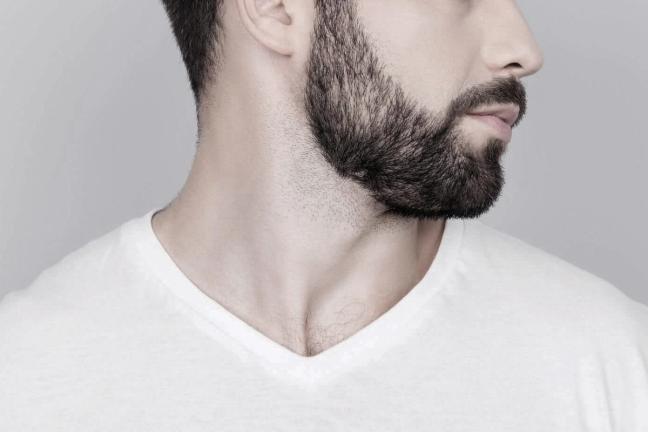
Hair transplant surgery always involves cost complexity. “How much does a beard transplant cost?” is rarely a simple question. Pricing depends on graft count, technique, surgeon experience, after care, and sometimes even geographic location.
In the UK, many clinics quote fixed price packages, but even then, the numbers vary widely. Some advertise as little as £2,899 for small procedures, while others charge £4,000 to £7,500 for more extensive work.
Why such variation? Because “beard transplant” might mean anything from a modest moustache fill to full chin and full jawline density. Graft count matters enormously. A few hundred grafts cost far less than thousands. Technique, surgeon demand, and included aftercare also change the equation. Clinics that include follow up, medications, and post op support naturally cost more than those offering “surgery only.”
Then there are hidden costs: post op medications, possible second sessions, travel if you are not local, downtime from work, and the psychological commitment to waiting months before the beard truly settles and grows in.
If you are quoted a price, always ask precisely what is included: graft count, aftercare, medications, follow ups, revision guarantees, and whether what you see is the final price or just a starting point. A beard transplant is more like commissioning a bespoke suit than buying a mass produced T shirt.
Tempting though the before and after photos may be, a beard transplant is a process, not a plot twist. Expectations must be tempered with patience.
In the days following surgery, you will deal with redness, mild discomfort, and tiny crusts at the graft sites. For a short while, you might resemble a man in mourning. Scabs fall naturally within a week or two. Then comes the “shock loss” phase: transplanted hairs often shed. This is normal. Do not panic.
Growth resumes slowly. Early hairs appear soft and fine; they may seem askew, irregular, or underwhelming. Between months three and six, new growth typically begins in earnest. It may take six to twelve months before the full density and texture set in.
Results can be excellent, but only if the surgery was well planned, executed by a skilled surgeon, and aftercare was properly followed. Realistic density, natural hairline angles, alignment with existing hair direction, and donor matching all matter. When done right, a transplanted beard often becomes indistinguishable from natural growth.
It is not a quick fix. It is a commitment to healing, to maintenance, to patience. Treat it as you would repairing a classic watch: with care, respect, and time.
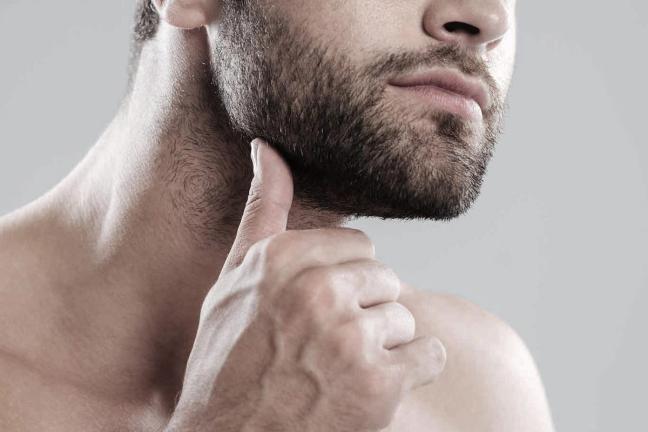
No surgical procedure is without a downside, and beard transplants carry several worth considering:
A responsible candidate treats the procedure as a long term project, not a quick cosmetic fix.
A transplant can be transformative, but it is not the only path. For men reluctant to gamble their scalp, wallet, or patience, there are non surgical alternatives:
For some men, good grooming and patience produce results worthy of respect. For others, a transplant remains the only option for meaningful change. The right path depends on personal expectations, risk tolerance, and commitment.
If you decide to proceed, this is where intelligence, care, and gentlemanly scepticism come in. The right clinic can make all the difference.
A beard transplant is a professional investment; choose accordingly.
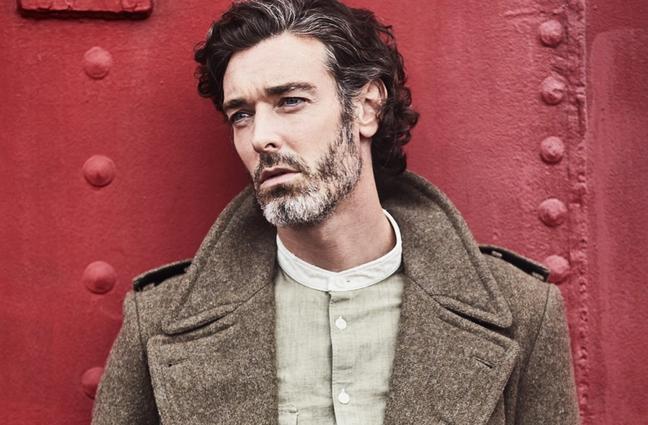
Ask yourself this: is your beard a matter of vanity, or is it a matter of confidence, identity, appearance, and dignity? A transplant is not a frivolous indulgence; when done right, it is the equivalent of commissioning a bespoke suit rather than buying off the shelf.
Over time, as grafts settle and hair grows in, the beard becomes not a transplant but part of you, natural, alive, and yours to groom or shave at will. If you accept that the journey requires patience, realistic expectations, and responsibility, a beard transplant can deliver more than fullness. It can deliver certainty.
If you treat it like a high stakes grooming decision, with care, research, and respect, it can become one of the best investments you make in your appearance and self confidence.
For the right man, in the right hands, the payoff is real. Not just hair. Confidence. Presence. A beard that carries intention.
That is the kind of grooming worth doing right.
To receive the latest in style, watches, cars and luxury news, plus receive great offers from the world’s greatest brands every Friday.