Warum der limitierte Peugeot 205 Lacoste der ultimative Aufschlag war
Der sportliche Kleinwagen, der anlässlich der French Open 1984 auf den Markt kam, hatte grüne Teppiche, eine tennisweiße Lackierung und jede Menge Platz für Ihre Schläger.
- Text von: Jonathan Wells
- Fotografie: Peter Singhof
2021 sponserte Peugeot zum letzten Mal die French Open. Der Autohersteller war mehr als drei Jahrzehnte lang Titelsponsor des Turniers – eine Partnerschaft, die 1984 begann –, bevor er die Zusammenarbeit schließlich beendete. In dieser Zeit brachte der französische Hersteller Dutzende Sondermodelle mit Tennisbezug auf den Markt. 2011 war es der 308 CC Roland Garros. 1995 der 306 Roland Garros Cabriolet in Grand Slam Green. Und zu Beginn der Partnerschaft der schnittige, aber schlichte 205 Open von 1988.
But the first was the best. For Peugeot, in order to inaugurate the sponsorship deal in 1984, brought another of Roland-Garros’s partners into the motoring mix, resulting in the Peugeot 205 Lacoste.
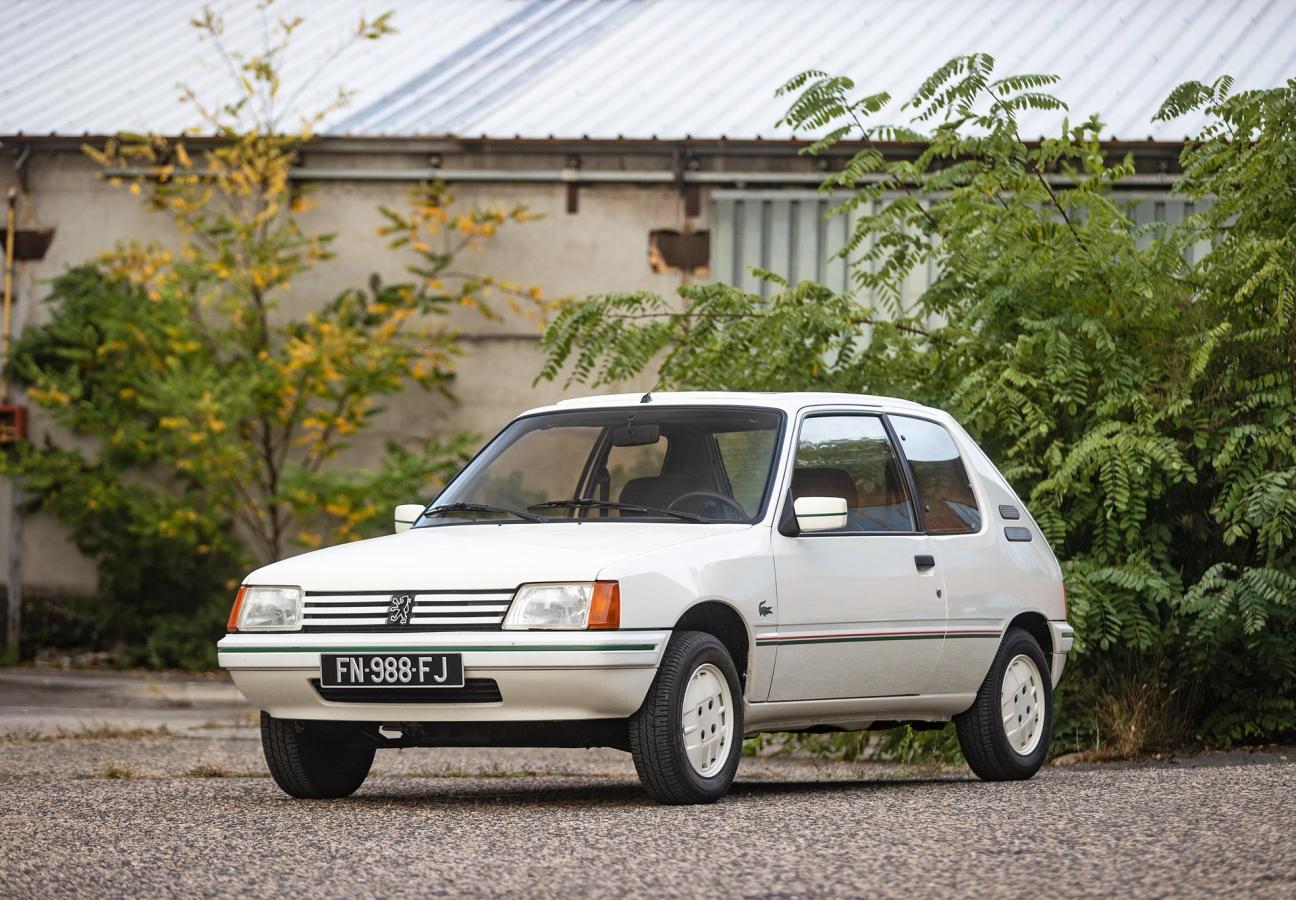
It was a natural fit: a French fashion house helping a French car manufacturer celebrate a French sporting institution. And the 205 was the perfect car for the job. When Peugeot launched its enduring supermini, in 1983, the company was on the verge of bankruptcy – but the little 205 managed to motor the brand back into the black. Yet, Peugeot was apprehensive about sinking too much money into a costly limited-edition, so only planned to build 1,000 Lacoste-branded models.
Was machte der 205 Lacoste anders?
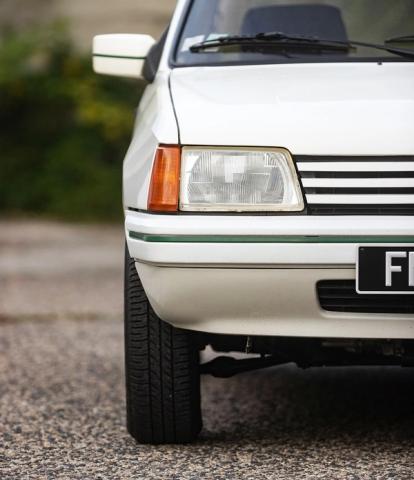
Still, the carmaker went all out. With a paint job as pristine as the crispest tennis whites, the 205 Lacoste eschewed aluminium rims for body-colour hubcaps, and even daubed the car’s rear fluted panel in the same court-ready shade of Meije White. The standard side mouldings were replaced with red-and-green decorative pinstripes, and slightly thicker all-green stripes embellished both the bumpers and the wing mirrors.
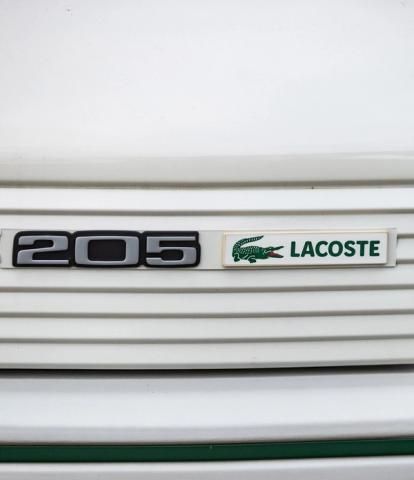
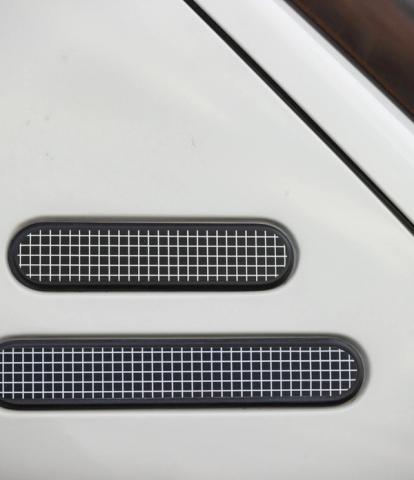
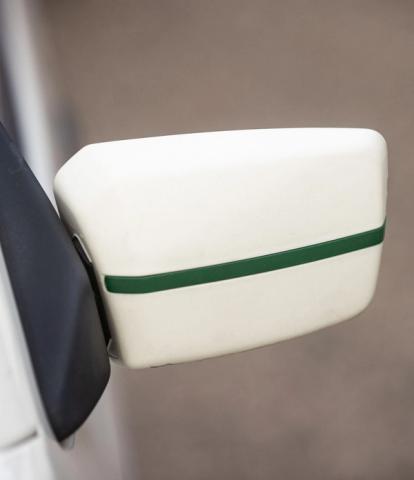
The front wings and back badging also featured the famous Lacoste crocodile, a logo that was first drawn in 1927, but had been given a major redesign – to more closely resemble the icon we know today – just months before the 1984 tennis tournament took place. Meanwhile, the sunroof overhauled the car’s existing design by almost doubling its dimensions (to 0.3 m²) and creating what the marque called “a new category between the traditional car and the convertible”.
“It is the car of winners,” Peugeot added upon the launch of the 205 Lacoste. “The car that is noticed without being noticed; which remains the true definition of chic and sportiness.”
What did Lacoste bring to this limited-edition 205?
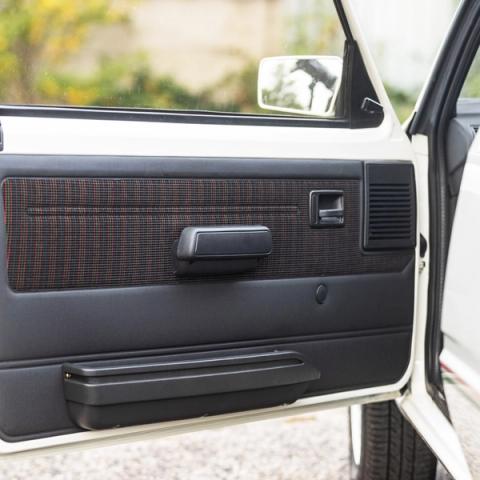
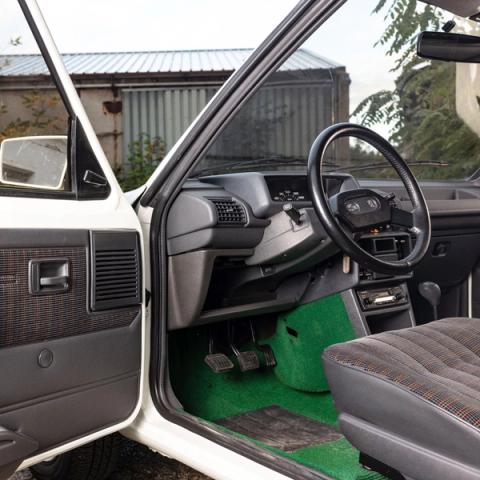
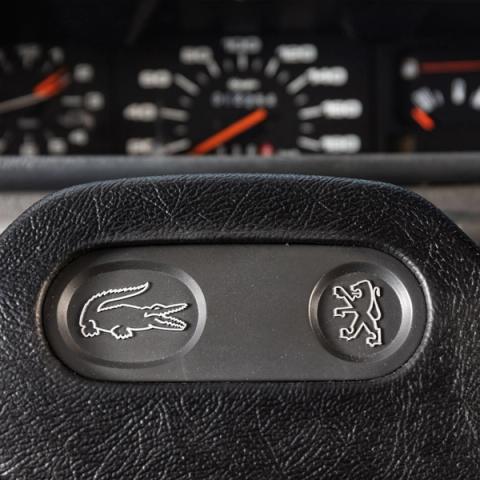
The Lacoste-trimmed interior stands testament to this claim. The seats and door cards were lined with velvet and bore patterns that resembled tennis nets (a similar-but-monochromatic motif could be found on the C-pillar details). The floor was carpeted in a grassy green textile, and the two-spoke steering wheel – covered in leather and borrowed from the 205 GTI – saw Peugeot’s lion and Lacoste’s crocodile sit side by side. Even the gear knob markings were inlaid with a vivid, sport-appropriate green.
Das Auto verfügte außerdem über eine hochmoderne elektrische Ausstattung, darunter elektrische Fensterheber und Zentralverriegelung (anstelle eines Drehzahlmessers befand sich im Kombiinstrument allerdings eine Analoguhr). Der Motor leistete 60 PS und ermöglichte in Verbindung mit einem synchronisierten Fünfganggetriebe eine Höchstgeschwindigkeit von 155 km/h sowie eine Beschleunigung aus dem Stand auf 100 km/h in 14,8 Sekunden.
Wie viele Exemplare des 205 Lacoste wurden gebaut?
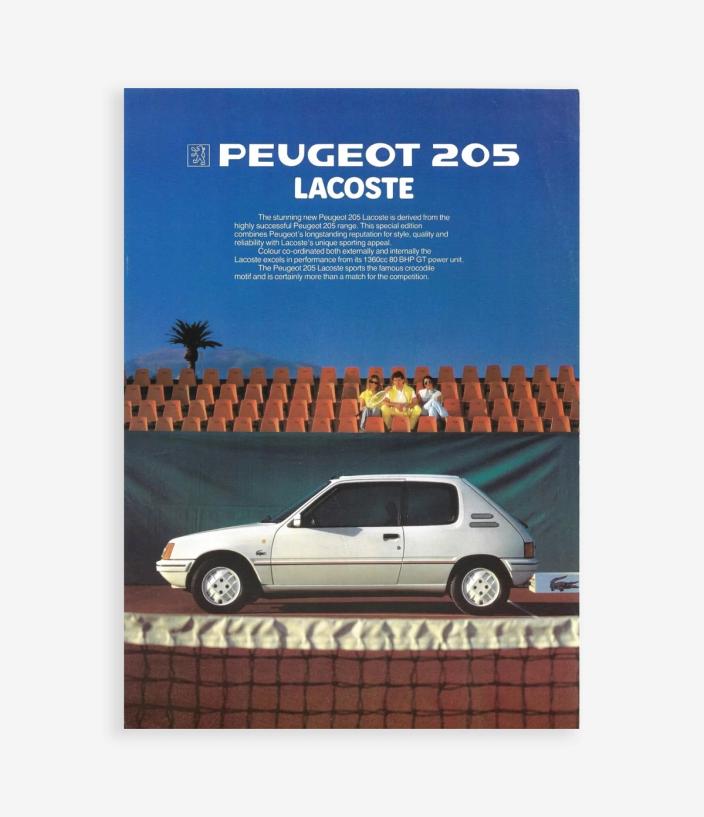
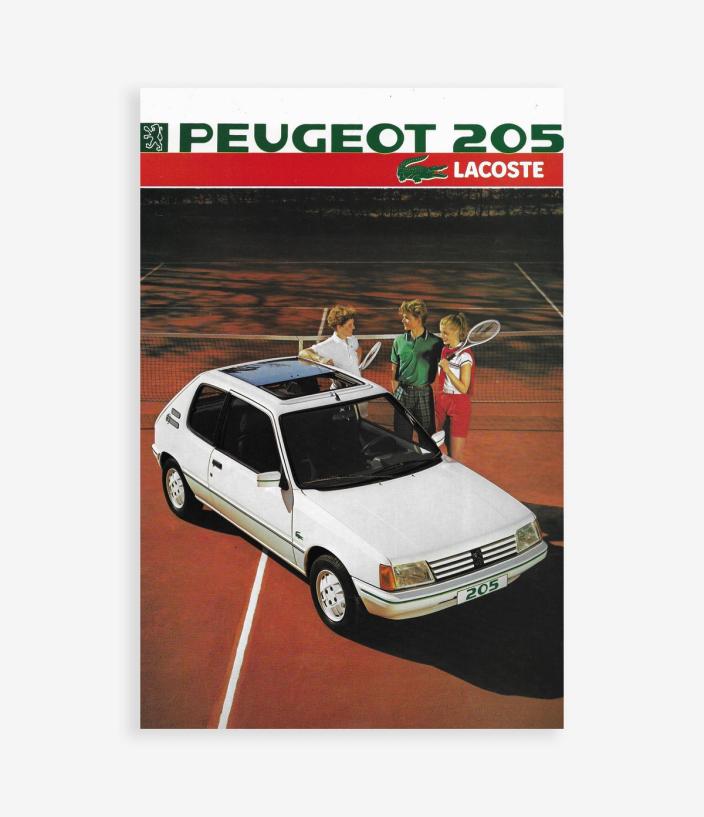
1984 war der 205 Lacoste ausschließlich als Fünftürer erhältlich. Doch mit seiner wachsenden Beliebtheit führte Peugeot 1985 eine dreitürige Version ein und erhöhte zugleich die Produktion auf 8.000 Fahrzeuge. Bis 1986 – dem letzten Jahr, in dem der 205 Lacoste angeboten wurde – liefen 15.000 Exemplare vom Band. Insgesamt wurden 24.000 Fahrzeuge gebaut – eine hohe Stückzahl für ein Sondermodell, aber dennoch weniger als 0,5 Prozent der gesamten Produktion des 205 (5,2 Millionen).
Heute sind nur noch wenige Exemplare des 205 Lacoste erhalten. Schätzungen zufolge sind im Vereinigten Königreich tatsächlich weniger als zehn davon noch fahrbereit – eines davon ist passenderweise in Wimbledon zu Hause. Heutzutage wird Roland-Garros von einem anderen französischen Hersteller gesponsert: Renault, der Anfang dieses Jahres selbst den limitierten 5 E-Tech Roland-Garros vorstellte. Doch nichts übertrifft die ursprüngliche Tennis-Kooperation: Peugeot und Lacoste landeten gleich beim ersten Aufschlag einen Volltreffer.
- Bildmaterial mit freundlicher Genehmigung von Artcurial Motorcars
Lust auf weitere stilvolle Kooperationen aus der Automobilwelt? Darum ist der Cadillac Seville „Gucci Edition“ das stilvollste Auto aller Zeiten …
Weitere Artikel

Die neuen Regeln für den Herbst-Look – laut New & Lingwood
Auto der Woche: Willkommen beim Jaguar Type 01, dem Auto, das das Internet zum Absturz brachte