
Fitness -- 1 month ago

From spring marathons to ultra-distance inspiration, running’s current boom is fuelled by data, discipline and smarter recovery. Here’s how to train with intent, avoid injury and turn steady miles into meaningful progress.
After a month of sobriety, some may be plotting paths to becoming the next cross-continental distance runner, in the guise of Russ Cook - a.k.a The Hardest Geezer - or William Goodge, who have run the length of Africa and width of America respectively. Many, though, will simply be eyeing up the spring marathons, such as Rome (March 22nd), Paris (April 12th) or London (April 26th), to name a few.
How best, then, to maximise your chance of success? And how do you minimise the risk of injury—or avoid hitting the dreaded wall?
For a sport so simple, running contains a deep well of meaning.
To start making strides and noticing real improvements in pace and time, monitoring your heart rate on each run brings huge benefit. Doing so allows you to understand your relative effort on every workout and get better at finding the right intensity mix for your training. The mistake most runners make is sticking with high effort ‘tempo’ runs, going at a similar pace on each jog.

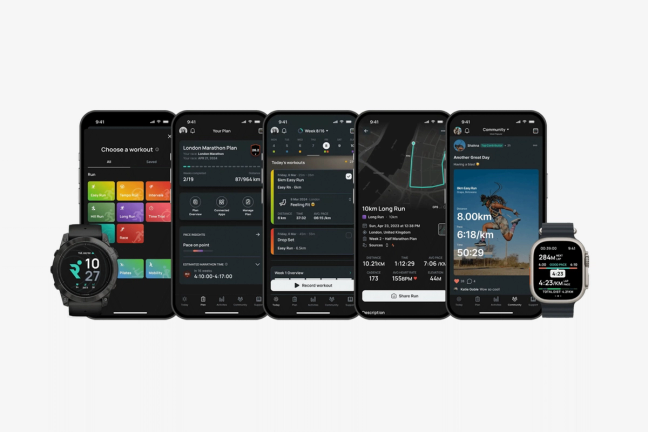
Smart watches like Garmin or Coros take into account sleep, heart rate, threshold levels and more, tailoring a ready-made programme for you each day. If wearing an electronic watch isn’t for you, less clunky options like Whoop and Oura still offer all the data, just accessed via your phone.
It is easy to get carried away when you feel your fitness is on the rise. However, as any good watch or training plan will caution, your body needs time to adapt and recover between runs. Without a built in plan on a smart watch, Runna offers industry-leading programmes from 5km right up to a full marathon.
The key to enhancing performance is good sleep and being well fuelled. You should also plan to build your fitness gradually over time. A good rule of thumb is to increase your weekly mileage by only 10 per cent, with at least two days off after a long run.
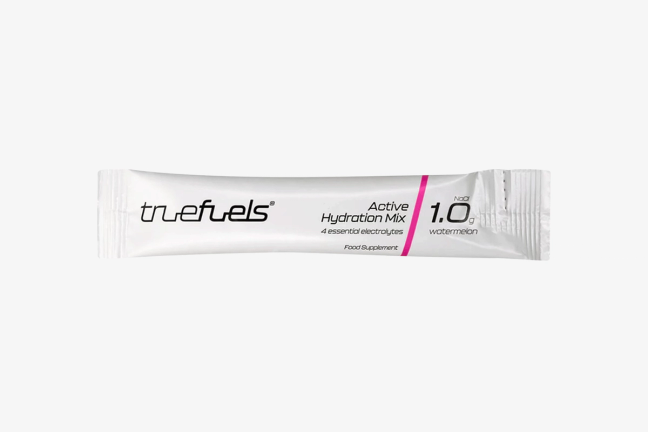
Ensuring you consume enough carbohydrates before longer runs will dramatically aid performance. Former Olympic gold medallist Alistair Brownlee has teamed up with sports scientists to create an energy gel that emphasises scientifically backed nutrition strategies – such as glucose–fructose mixing and electrolyte balance – and includes salt. Sodium and other electrolytes found in salt help maintain fluid balance, nerve function and muscle contraction, delaying cramps and fatigue.
Alongside gels, I can attest to the sustaining power of the natural performance enhancer Nomio. Developed at the Karolinska Institutet, a medical research facility in Sweden, the shot prevents lactic acid build-up, helping runners retain effort levels during higher-intensity sessions. It does this by delivering isothiocyanates (ITCs) into the body, activating your antioxidant defence systems. Read more about Nomio here.

Otherwise, be sure not to neglect the tried-and-tested methods of recovery. Unless your running is complemented by copious strength and conditioning, you face impending doom in the form of runner’s knee. Keep this at bay with help of a sauna, cold plunge and a massage gun.

Never known as the most glamorous sport, the running community has been somewhat behind the curve when it comes to public interest. That has all changed with the recent running boom, as social media plays it part in showcasing better performance and giving users something to strive towards.
Unsurprisingly, the longer-form media of YouTube is a distance runner's channel of choice. Top British athletes Alex Yee and Jake Barraclough (‘Ran To Japan’) produce particularly insightful content, with the former having graduated into the running hall of fame after recording the second-fastest time ever by a British male in Valencia just before Christmas.
For a more relatable feed, Calum Goddard documents his journey from a sub-four-hour marathon towards a goal closer to three hours at this year’s London Marathon. He also hosts a dedicated running podcast, interviewing voices from across the running world.
Whatever path your running takes you on, just be sure to keep running…
To receive the latest in style, watches, cars and luxury news, plus receive great offers from the world’s greatest brands every Friday.