Gear -- 3 days ago
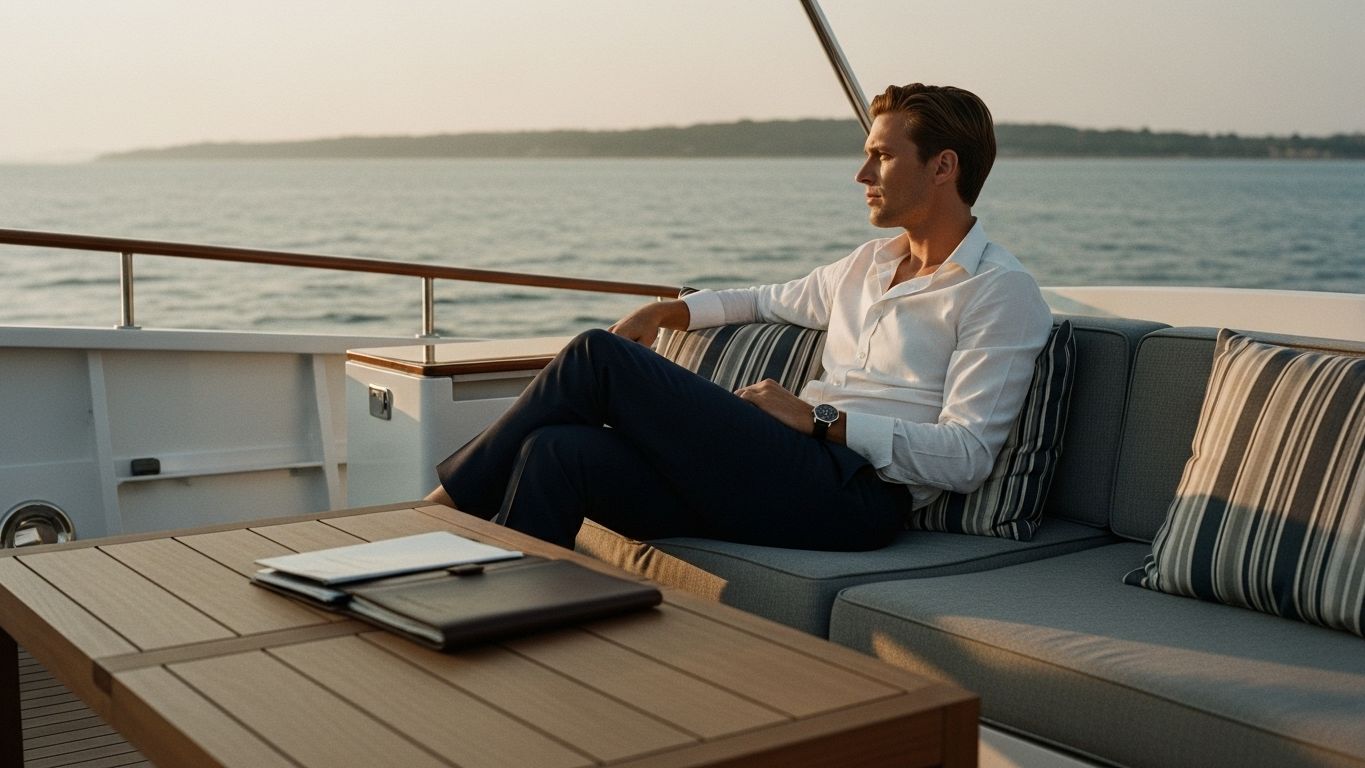
The smartest bookings begin with restraint, a clear route, a realistic guest list, and a boat that suits how you actually live. With that settled, you can decide how to choose a yacht charter without paying for someone else’s fantasy.
A yacht charter is one of life’s more persuasive illusions. You step aboard, and suddenly the world looks manageable. The coastline behaves. Lunch is unhurried. Your phone becomes a small, polite object rather than a tyrant. Even your friends appear better dressed, largely because salt air has a way of making everyone seem as though they have read the right books and avoided the wrong people.
Yet chartering a yacht is not like booking a hotel, and it is certainly not like booking a villa. It is closer to hiring a moving private house that also contains engines, crew, rules, and the sea’s habit of laughing at your plans. The good news is that the right charter feels effortless. The slightly less good news is that effortlessness is manufactured, and you manufacture it with decisions made weeks before you arrive, plus a little realism about what you actually want.
Buying a yacht, meanwhile, is less “freedom” and more “beautiful responsibility with teak.” Chartering gives you the magic without the year-round relationship with maintenance, marinas, and invoices that arrive like they own the place.
Most charter disappointments come from one of three things. Choosing the wrong type of yacht for the holiday. Choosing the right yacht but the wrong crew culture. Or expecting the Med, the Caribbean, or the South Pacific to behave like a brochure, which is adorable but rarely rewarded.
So this is how to do it properly. Not with panic. Not with a spreadsheet that ruins the romance. With a calm set of choices that protect the thing you are really paying for. Time that feels expensive in the best way.
Begin with the least nautical question. What sort of week are you trying to have?
Some people want movement and variety. They want to wake up somewhere new each morning, collect coves like souvenirs, and dine ashore often enough to feel the place. Others want to anchor somewhere beautiful and barely move. They want long swims, long lunches, and the feeling that the calendar has been confiscated.
Be honest about your pace. A yacht can do both, but not at the same time. A schedule that looks thrilling on paper can feel relentless in practice, especially with children, older guests, or anyone who considers an early start a personal affront. Conversely, a week spent anchored in one bay can feel heavenly or dull, depending on your temperament and your group.
Also, decide whether the yacht is the destination or the platform. If the yacht is the star, you will care about design, toys, and service. If the destination is the star, you will care about range, draught, and itinerary, plus whether the yacht makes it easy to go ashore. Clarity here saves money and saves mood.
The biggest early decision is whether you want a motor yacht, a sailing yacht, or a catamaran.
A motor yacht is the classic choice for comfort, space, and speed. It is usually the easiest option for mixed groups, first-time charterers, and anyone who values stability at anchor. The trade-off is fuel use, and sometimes a slightly more hotel-like feeling if you choose a very large, very polished boat.
A sailing yacht offers romance in a way that is difficult to fake. The soundscape changes. The pace changes. The sense of arrival improves. Sailing yachts can also be extremely luxurious, from sleek performance boats to big, graceful superyachts. The trade-off is that sailing is weather-dependent, and not everyone enjoys heel angle with their rosé.
Catamarans have become the sensible person’s secret, particularly for families and groups who want space and stability without the bulk of a large motor yacht. They offer wide decks, shallow draught for anchoring close to shore, and a calmer ride at anchor. The trade-off is that they can be slower under power, and some people find the aesthetic less romantic than a classic monohull. Taste varies. The sea is indifferent.
Your choice should follow your group. If you have non-swimmers, people nervous at sea, or anyone who dislikes movement, stability matters. If your group is keen on sailing or simply wants a more tactile experience, sailing becomes part of the joy rather than a risk.
Yacht size is discussed in metres and feet, which is helpful and also misleading. Two yachts of the same length can feel very different inside depending on beam, layout, and how the space has been designed.
Smaller yachts can be charming and intimate. They also require more tolerance. Cabins are tighter. Storage is limited. Privacy is less complete. Larger yachts offer more space and more separation, which matters for groups where everyone does not share the same bedtime or the same tolerance for other people’s habits.
A useful approach is to think in terms of communal space and cabin equality. If every cabin is similar, the trip feels fair. If one cabin is a palace and the others are compromises, the dynamic shifts, sometimes subtly and sometimes not. If you are the host, this matters. Generosity looks elegant. It also prevents small resentments that could otherwise develop into dinner conversation.
Some places are built for yachting. Others are merely visited by yachts.
The South of France and Italy offer glamour and infrastructure. You can combine anchor life with dinners ashore in Antibes, Capri, Portofino, or Saint-Tropez. You also get crowds and a certain amount of performance, plus high-season marina pressure.
Greece offers variety, history, and excellent swimming, with island hopping that feels made for yachts. The wind can be a factor, particularly in the Cyclades, which can be exhilarating or irritating depending on how you feel about hair.
Croatia offers dramatic coastline, historic towns, and an easy rhythm of short hops and lively evenings ashore. The Balearics offer a similar mix, with a different flavour and a strong beach-club ecosystem.
The Caribbean is the winter classic. It is warm, social, and built around anchorages. The British Virgin Islands are famously easy for first-timers. St Barths is famously good for people who enjoy arriving in style and pretending they have never tried. The Grenadines offer a quieter, more natural charm.
Choose the region that fits your group. If you want lively nights ashore, pick a place where that is the rhythm. If you want nature and privacy, pick a place where it is easy to anchor without a flotilla of neighbours and a soundtrack of competing playlists.

A good charter broker is a matchmaker and a risk manager. They will interpret what you say and what you do not say. They will steer you away from the wrong yacht. They will also handle the paperwork, payments, and practicalities, which is essential because charter contracts are not written for whimsy.
The broker should ask the right questions. Who is travelling? What is the mood? What is non-negotiable? What is a nice-to-have? If they do not ask, you should worry. A broker who simply sends listings is not brokering. They are forwarding emails.
You also want a broker who knows the crew culture of different yachts. The difference between a wonderful charter and a merely adequate one is often the crew. A yacht can be beautiful. A great crew makes it feel like your best week of the year.
Listings can be lyrical. They can also be vague, which is not the same thing as elegant.
Look for concrete information. Cabin configuration, including bed sizes. Whether cabins are ensuite. Air-conditioning capability. WiFi and its limits. Stabilisation at anchor and underway. Water toys and tenders. Whether the yacht has a beach club, a decent swim platform, and an easy tender set-up.
Also, look for photos that show real spaces, not just glossy angles. If the listing avoids showing certain cabins or bathrooms, that is usually a clue. Ask for a recent video walkthrough if possible. The yacht you charter should look like the yacht you board.
Finally, pay attention to refit history. A yacht can be older and excellent if it is well-maintained and regularly updated. A newer yacht can still be tired if it has been run hard. Condition is a practice, not an age.

The crew set the tone. Not through domination. Through rhythm.
Some crews are formal, polished, and discreet. They deliver service like a good hotel, with quiet efficiency and clear boundaries. Some crews are warmer and more informal, more like hosting in a friend’s beautifully run house. Neither is superior. The right one depends on you.
If you are travelling with family, a crew that is excellent with children is priceless. If you are travelling with friends and want a social feel, an upbeat crew with a great chef and a sense of humour can turn the week into something genuinely memorable. If you are travelling with clients or in a more corporate mode, you may prefer a calmer, more formal approach.
Ask your broker for honest guidance. Also, ask what the crew enjoy doing. If you want watersports every day, you need a deck team that likes running toys, not one that views it as an administrative inconvenience.
The chef is often the hidden star of a charter. Good food lifts everything. Poor food makes you feel oddly cheated, even if the sunsets are flawless.
Most charters use a preference sheet. Treat it seriously. Mention allergies clearly. Mention dislikes without being theatrical. Mention what you love. Also mention the sort of meals you want. Long, lazy lunches. Lighter dinners. Formal dining some nights. Casual family style most nights. The crew can only deliver what they understand.
If you have a group with mixed diets, the chef’s skill becomes even more important. A great chef can make vegetarian food feel luxurious rather than dutiful. A mediocre chef will make everyone miss steak in a way that feels faintly tragic.
Also, be realistic about provisioning. Remote anchorages limit what can be sourced. If you want specific items, mention them early. Champagne can be found almost anywhere. Certain niche ingredients cannot.

Charter pricing has two parts. The charter fee and the expenses.
The charter fee covers the yacht and crew. Expenses are handled through an additional allowance, often called the APA, which covers fuel, food, drink, port fees, and other operating costs during your trip. This is not a trick. It is simply how charter works, because expenses vary based on how you use the yacht.
A week spent cruising fast and docking in expensive marinas will cost more than a week spent anchored and moving gently. Heavy use of toys can increase fuel use. Hosting elaborate dinners and premium wines changes provisioning costs. Beach-club lunches ashore can sit outside the yacht budget, depending on your choices.
Ask your broker for a realistic expense estimate based on your intended itinerary and group style. Then add a buffer, because people are very good at saying they want a quiet week, and very bad at behaving quietly once the first afternoon turns golden.
A good itinerary has ambition and slack. It gives you options. It does not trap you.
Weather changes. Wind changes. Sea state changes. Ports fill up. A guest feels tired. A child becomes seasick. A sudden desire for a beach club appears. Your itinerary should be a guide, not a prison.
Work with the captain. A great captain reads conditions and suggests adjustments that improve the experience. Listen. You are not surrendering control. You are borrowing expertise. The sea does not negotiate with confidence alone.
Also, think about the tender time. In some areas, you will be anchored and using the tender for shore access constantly. If your group dislikes the tender, you should plan more docked nights. If your group loves the tender and the adventure of it, anchoring becomes part of the fun.

Ask about stabilisers. Ask about air-conditioning and generator noise. Ask about the tender size and whether it suits your group. Ask about shade on the deck. Shade is a form of luxury that only becomes obvious when it is missing.
Ask about sound systems and whether you can play music without making enemies. Ask about WiFi if you must work. Then consider not working. Ask about crew quarters and whether guest areas remain private. Ask about water-making capability if you intend to use remote anchorages. Ask about laundry arrangements if you are packing light and hoping to stay smug.
None of this is being difficult. It is how you protect the atmosphere you want.

Choosing a yacht charter is really about matching. Matching yacht type to destination. Matching crew culture to guest mix. Matching itinerary to energy levels. Matching the budget to how you actually live when you are relaxed.
Do that, and the charter becomes what it should be. A week where time expands. A week where meals taste better. A week where you forget what day it is and do not care. The yacht becomes a beautifully run stage for the sort of living most of us rarely allow ourselves, which is unhurried and slightly ridiculous in the best way.
The wrong charter can still be pleasant, because you are on a yacht and the sea is forgiving if the sun cooperates. The right charter is something else. It becomes a memory you return to when the world gets noisy. Choose it with care. Then board as if nothing took effort at all. That is, after all, the point.
To receive the latest in style, watches, cars and luxury news, plus receive great offers from the world’s greatest brands every Friday.