Um caderno de fotógrafo, de Robert Spangle
Um diário fotográfico de um viajante intrépido
- Texto de: Robert Spangle
- Fotografia: Robert Spangle
Sou, antes de mais, americano e, sempre que tenho oportunidade, um americano no estrangeiro. Alistei-me no Corpo de Fuzileiros Navais em 2007 e saí em 2011. Durante esses anos, viajei pela primeira vez na vida: Afeganistão, algumas zonas da América do Sul, Norte de África, Médio Oriente e Europa. Para com os amigos que perdi em combate, sentia — e continuo a sentir — uma enorme dívida: a de viver; e perceber como viver tornou-se o meu principal objetivo. Desde então, passei a maior parte da vida a viajar — 20, por vezes até 35 semanas por ano. A cultura, o estilo e, acima de tudo, a curiosidade mantêm-me na estrada. Viver assim é estar constantemente a aprender e faz-me sentir vivo. Saí dos Fuzileiros Navais com perguntas e só comecei a encontrar respostas quando comecei a fotografar conflitos: primeiro toureiros, depois pilotos de motociclismo, lutadores de calcio e, por fim, guerras e os homens, jovens (e menos jovens), que nelas combatem. Parte do meu trabalho acompanha as longas sombras da política externa americana (Afeganistão, Iraque e, discutivelmente, Ucrânia); outra parte acompanha o mito americano e os seus guardiões modernos. Embora, em relação à minha pátria, sinta que a distância faz crescer o afeto, também me vejo sempre, antes de mais, como americano.
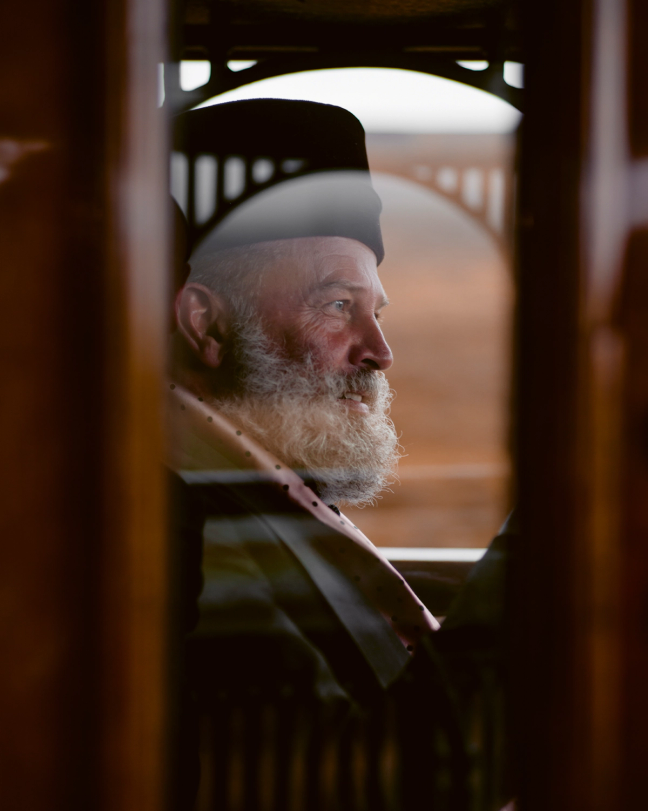
Getting to photograph Robert Rabensteiner, one of the great minds of fashion, on Belmond’s Royal Scotsman train, was an incredible experience. Robert has been the embodiment of what I’ve learned about style: style is substance.
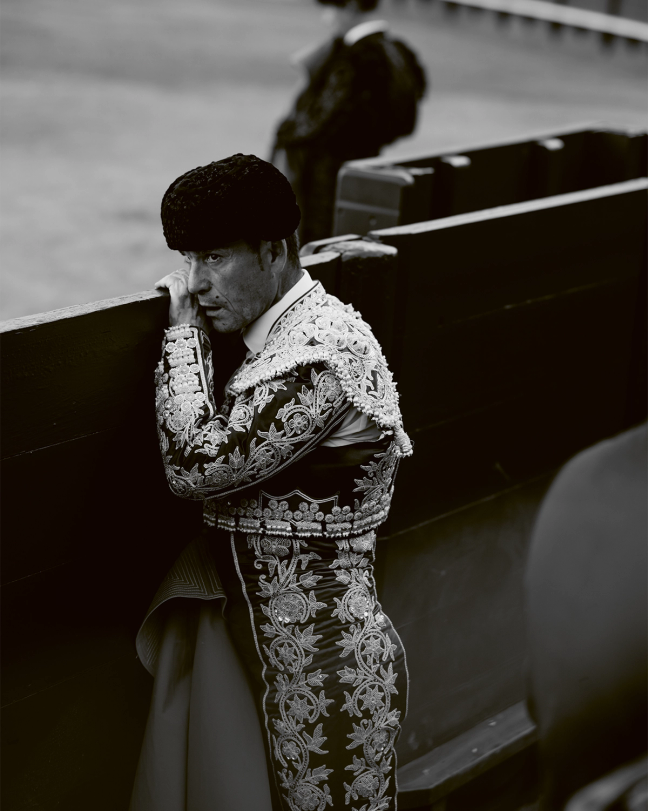
Matadors waiitng to enter the arena in Seville. When I first started photographing conflicts, as well as blood sports, I was focused on the action. I didn't learn anything until I began to focus on the men's eyes. The action is in the arena, but it all plays out in the eyes beforehand.
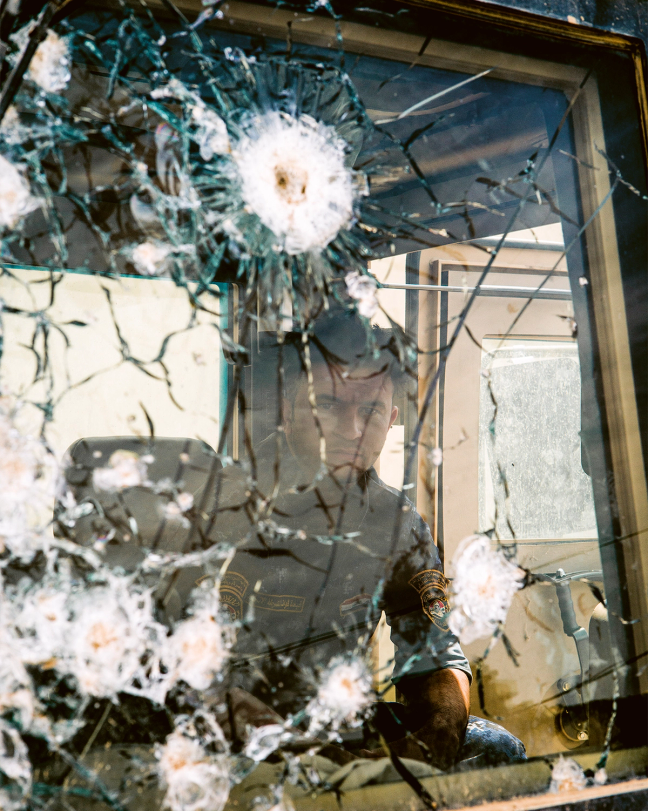
Photographing Iraqi and Nato forces pushing ISIS out of Mosul in 2017 was my first experience working as a photojournalist. I was very hesitant to go back to war. However, the stories of the men I met there captivated me to a higher degree than fashion work ever had.
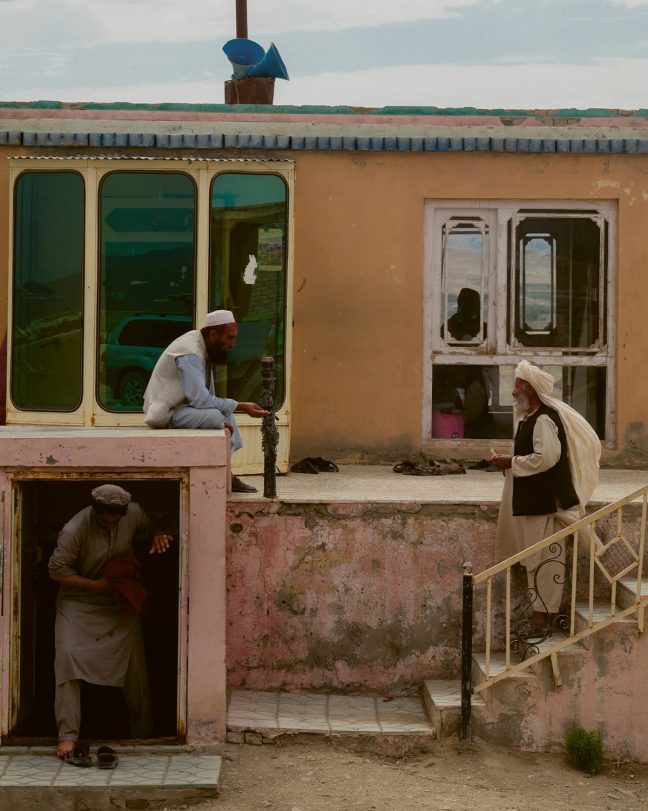
I'd deployed to Afghanistan twice as a Marine. Returning was in part coming full circle to unresolved questions of my youth, and also a natural progression. I'd covered fashion weeks ad nauseum, and Afghanistan was the farthest you could get from that and still find people.
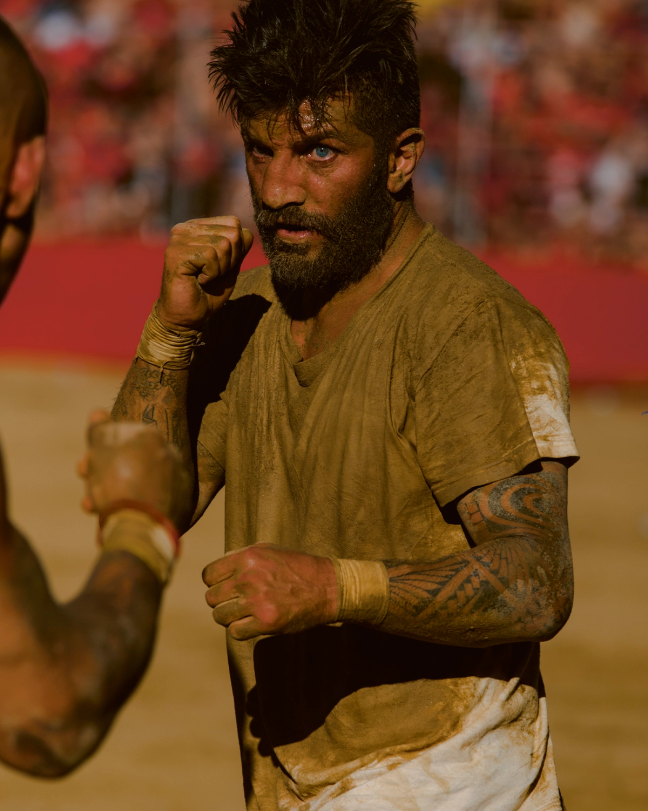
I followed teams of Florence's calcio storico, a historical bare-knuckle blood sport. These men train year round, often from age six, for a few bloody weekends in June, and win nothing more than honour. I learned here that conflict and competition have a spiritual component.
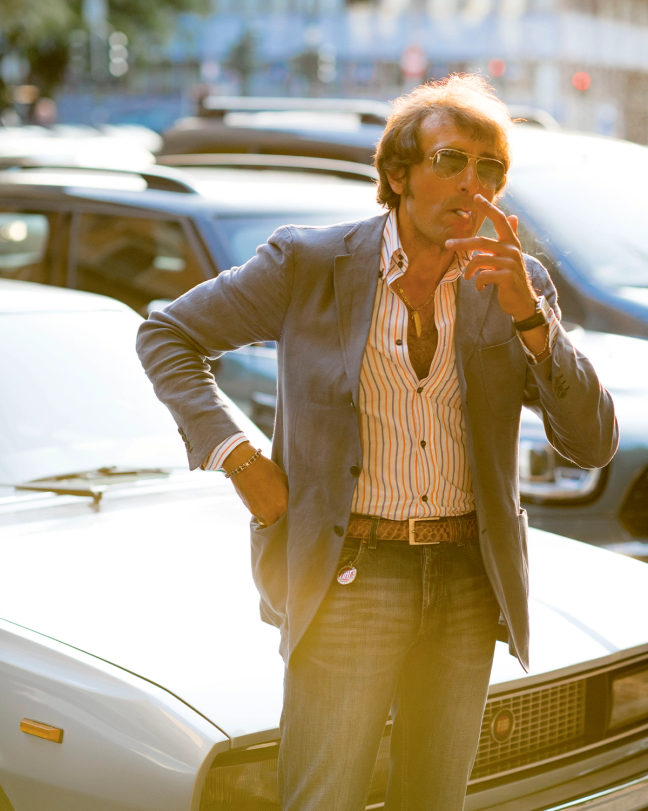
I met the Biscioni Torino auto club in 2021. They have petrol in their veins and cigarettes perpetually in their hands, tearing up picturesque Turin in their collection of 70s Italian cars. Style is something these guys live, and not just on the weekend.
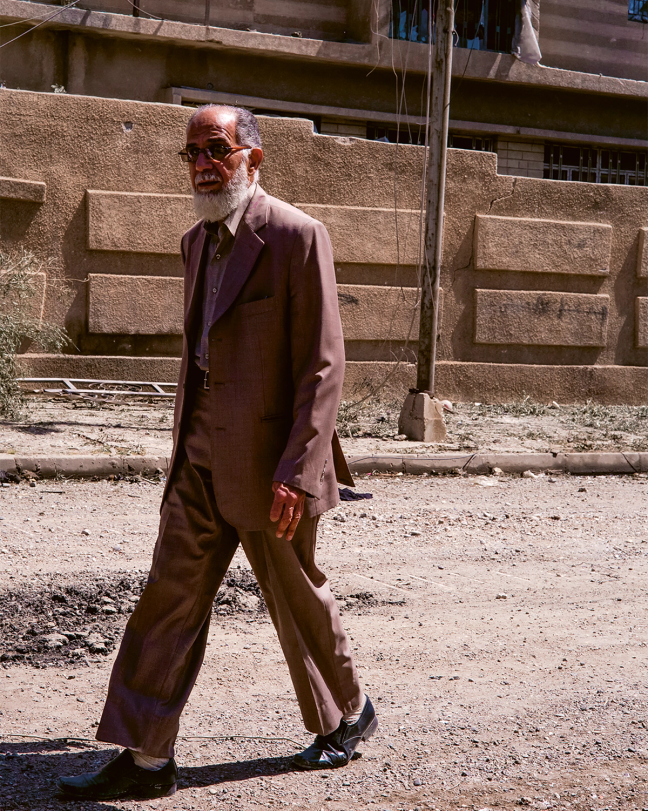
This was one of the first images I took on the frontlines of Mosul. Later, a journalist pointed out this solitary man's missing thumb and forefinger were the likely marks of a bomb maker – possibly why he was fleeing without a family accompanying him.
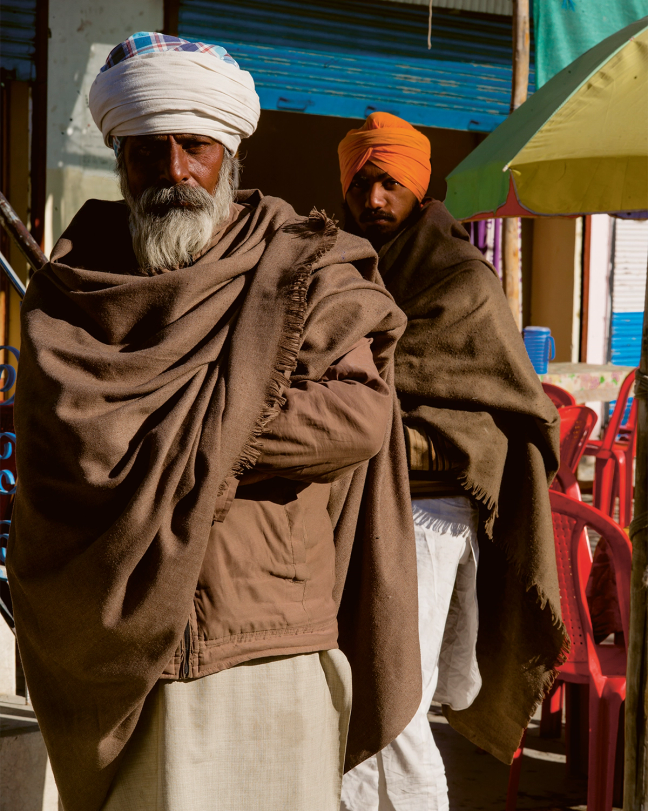
An early morning, about 10,000 or 11,000 feet above sea level, in one of the most remote regions of India, Nubra. Seeing the rich intersection of cultures on the border of India and Pakistan provoked me to look for fashion further afield than the fashion weeks.
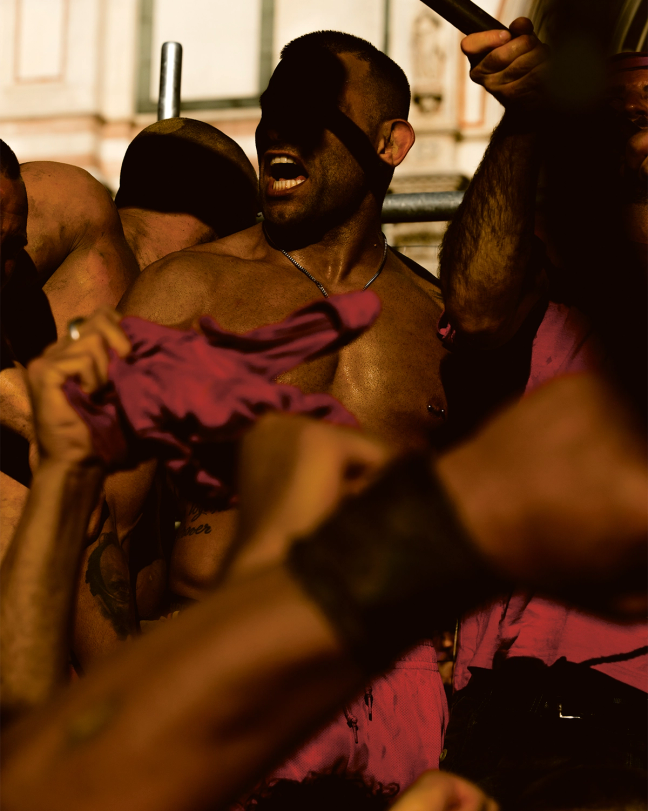
Blood sports or dangerous competition seem to be a glaringly unneccessary part of modern life. Yet, while calcio storico might look like hooliganism or tribalism, these men had forged a fierce sense of belonging and purpose, something the modern world struggles with.
Para mais inspiração para viajar, descubra a nossa seleção dos melhores destinos para viajar a solo...