Previous Issue
Issue 24
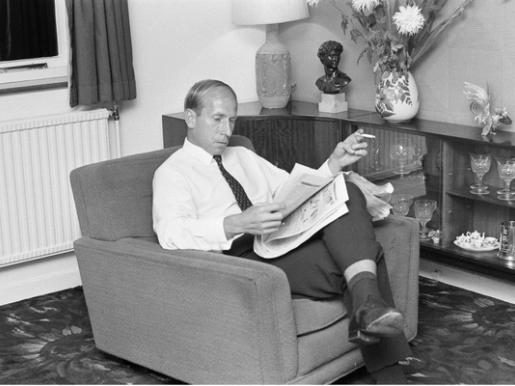
Cinco fumadores vencedores do Campeonato do Mundo
Alguns dos maiores ícones dos Mundiais de futebol partilhavam um hábito improvável: fumar.

Anthony Bourdain, who has just been immortalised all over again in sizzly A24 film ‘Tony’, had a tattoo on his forearm quoting the writer Michel de Montaigne: “I Suspend Judgement.” The cook-turned-writer meant judgement about other people, of course, wherever he happened to encounter them. “In the breaking of bread, he found a way to close the distance between himself and strangers the world over,” Patrick Radden Keefe once wrote. But when it came to food, his judgement was entirely unsuspended, thrillingly present — spicy, salty, laced with a strange combination of gallows humour and high philosophy. He made you yearn again for the lost prawn brains you’d never had; crave even the purple Czech blood sausage with its “touch of nutmeg; its notes of sweetness, longing and death.” And that was just a Tuesday. When Bourdain discussed his most beloved dishes on the planet, things got positively rapturous. Here are five of those.
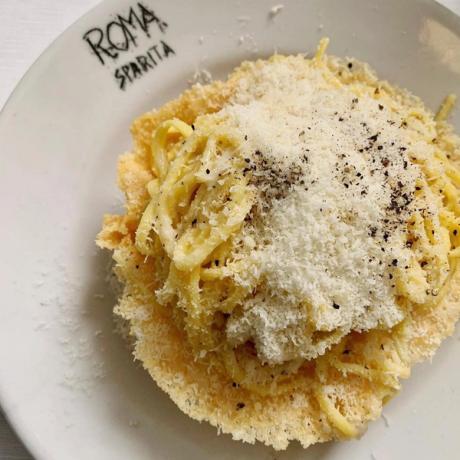
Durante um episódio da sexta temporada de «No Reservations», Bourdain visitou o Roma Sparita, no bairro de Trastevere, em Roma, e pediu a especialidade da casa, cacio e pepe, uma das quatro massas tradicionais romanas. Depois de uma garfada, disse: «Tenho a certeza de que isto é ilegal em algum lado.» Depois de duas: «Isto pode ser a melhor coisa da história do mundo.» Ao perceber o que tinha encontrado, tentou ocultar a identidade da trattoria, chamando-lhe «Restaurante X». Mas a notícia espalhou-se quase de imediato, e hoje formam-se filas diariamente na pequena praça junto ao Roma Sparita — um exemplo da tensão que Bourdain sentia no trabalho que fazia, esse ato de «matar aquilo que se ama».
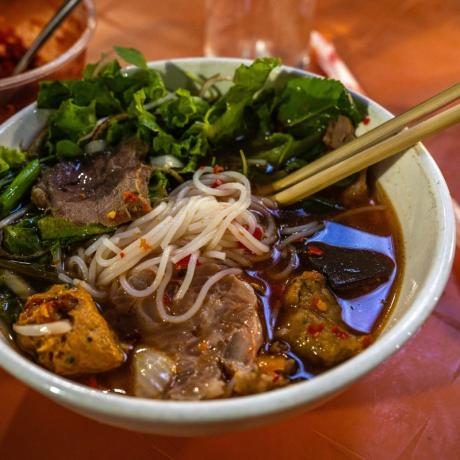
Bourdain’s recipe for happiness was simple. “Low plastic stool, check. Tiny little plastic table, check. Something delicious in a bowl, check.” He might also have added ‘a former President’, after being memorably joined at a shaky plastic dining spot by Barack Obama in Hanoi for some pork belly noodle soup. (“This is killer!” Obama said.) But it was a spot in Dong Ba Market in Hue, Vietnam, that he placed on his own Mount Rushmore of dishes. “In the hierarchy of delicious, slurpy stuff in a bowl, bún bò Huế is at the very top,” he said. “An elaborate broth of mixed bones scented with lemongrass, spice, and fermented shrimp paste, with rice noodles heaped with tender, slow-cooked beef shank, crabmeat dumplings, pig’s foot, and huyet-blood cake. It’s the greatest soup in the world — as sophisticated and complex a bowl of food as any French restaurant. It really is just the top of the mountain.”
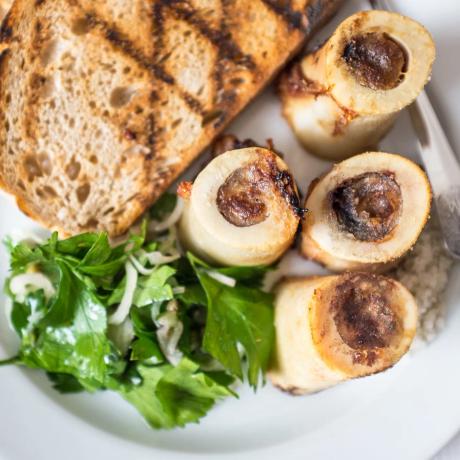
O St. John era talvez o «restaurante preferido no mundo» de Bourdain. Depois de terminar a sua primeira refeição ali, ajoelhou-se e fez uma vénia à cozinha. Foi o tutano com torradas de Fergus Henderson, que Bourdain provou pela primeira vez em 1999, que lhe ficou particularmente na memória. «Os anjos cantam, as trombetas celestiais soam, seis gerações dos nossos antepassados sorriem-nos do céu», escreveu. «É manteiga de Deus.» Anos mais tarde, diria que esse prato — «simples, austero e luxuoso» — seria a sua última refeição de eleição na Terra: «aquele tutano assado com salada de salsa e alcaparras, acompanhado de algumas fatias de baguete torradas e bom sal marinho», tudo servido «na sala de jantar do St. John, em Londres, depois da hora de fecho, com uma caneca de Guinness bem fresca».
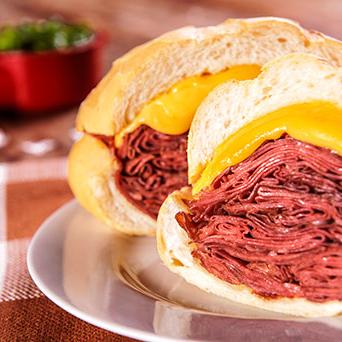
Bourdain called the mortadella sandwich at the almost 100-year-old Bar do Mané as São Paulo's "guilty pleasure" — a simple portuguese bun, heaped with an ungodly amount of fried, brick-pink mortadella, and then topped with optional melted cheese. It is a "rite of passage —a beloved heap of oozing awesomeness, a reflection (or mutation?) of Brazil's proud and powerful Italian dimension." Later, Bourdain was inspired to create his own version in ‘Appetites’ (2016) — this time with a kaiser roll, a little mustard and mayonnaise, and a slab of provolone melted atop the fried mortadella.
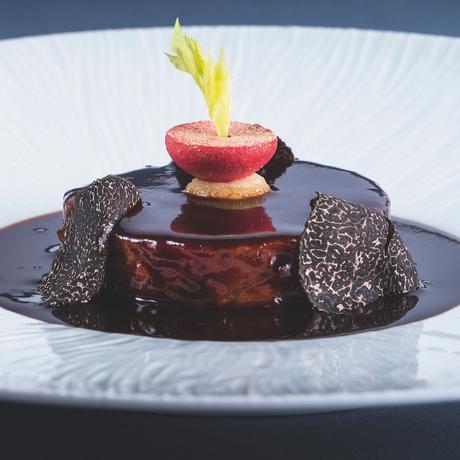
Bourdain ficou fascinado com a grandiosidade, a tradição e a estranheza lionesa do Restaurant Paul Bocuse — um berço da haute cuisine, liderado pelo chef homónimo, com um chapéu branco tão alto como um cone de trânsito. Entre pratos tão gloriosamente propícios à gota como uma sopa de trufa negra e um frango recheado com trufas, escalfado numa bexiga de porco, Bourdain apaixonou-se pelo «lendário lièvre à la royale,», um prato de lebre selvagem, caçada por Bocuse e pelos seus amigos, «coberta com um molho feito do próprio coração, fígado e pulmões picados, engrossado com o seu próprio sangue… o rico e glorioso molho rematado com trufas e chartreuse». O prato, com olhos caricaturais a adornar a carcaça e reluzente como uma fonte de chocolate, era, segundo ele, «absolutamente a Arca da Aliança perdida da cuisine ancienne».
Previous Issue
Issue 24
Alguns dos maiores ícones dos Mundiais de futebol partilhavam um hábito improvável: fumar.
Don't miss next week
Get The Friday Five and the week's best stories straight to your inbox.
Anthony Bourdain, who has just been immortalised all over again in sizzly A24 film ‘Tony’, had a tattoo on his forearm quoting the writer Michel de Montaigne: “I Suspend Judgement.” The cook-turned-writer meant judgement about other people, of course, wherever he happened to encounter them. “In the breaking of bread, he found a way to close the distance between himself and strangers the world over,” Patrick Radden Keefe once wrote. But when it came to food, his judgement was entirely unsuspended, thrillingly present — spicy, salty, laced with a strange combination of gallows humour and high philosophy. He made you yearn again for the lost prawn brains you’d never had; crave even the purple Czech blood sausage with its “touch of nutmeg; its notes of sweetness, longing and death.” And that was just a Tuesday. When Bourdain discussed his most beloved dishes on the planet, things got positively rapturous. Here are five of those.
Durante um episódio da sexta temporada de «No Reservations», Bourdain visitou o Roma Sparita, no bairro de Trastevere, em Roma, e pediu a especialidade da casa, cacio e pepe, uma das quatro massas tradicionais romanas. Depois de uma garfada, disse: «Tenho a certeza de que isto é ilegal em algum lado.» Depois de duas: «Isto pode ser a melhor coisa da história do mundo.» Ao perceber o que tinha encontrado, tentou ocultar a identidade da trattoria, chamando-lhe «Restaurante X». Mas a notícia espalhou-se quase de imediato, e hoje formam-se filas diariamente na pequena praça junto ao Roma Sparita — um exemplo da tensão que Bourdain sentia no trabalho que fazia, esse ato de «matar aquilo que se ama».
Bourdain’s recipe for happiness was simple. “Low plastic stool, check. Tiny little plastic table, check. Something delicious in a bowl, check.” He might also have added ‘a former President’, after being memorably joined at a shaky plastic dining spot by Barack Obama in Hanoi for some pork belly noodle soup. (“This is killer!” Obama said.) But it was a spot in Dong Ba Market in Hue, Vietnam, that he placed on his own Mount Rushmore of dishes. “In the hierarchy of delicious, slurpy stuff in a bowl, bún bò Huế is at the very top,” he said. “An elaborate broth of mixed bones scented with lemongrass, spice, and fermented shrimp paste, with rice noodles heaped with tender, slow-cooked beef shank, crabmeat dumplings, pig’s foot, and huyet-blood cake. It’s the greatest soup in the world — as sophisticated and complex a bowl of food as any French restaurant. It really is just the top of the mountain.”
O St. John era talvez o «restaurante preferido no mundo» de Bourdain. Depois de terminar a sua primeira refeição ali, ajoelhou-se e fez uma vénia à cozinha. Foi o tutano com torradas de Fergus Henderson, que Bourdain provou pela primeira vez em 1999, que lhe ficou particularmente na memória. «Os anjos cantam, as trombetas celestiais soam, seis gerações dos nossos antepassados sorriem-nos do céu», escreveu. «É manteiga de Deus.» Anos mais tarde, diria que esse prato — «simples, austero e luxuoso» — seria a sua última refeição de eleição na Terra: «aquele tutano assado com salada de salsa e alcaparras, acompanhado de algumas fatias de baguete torradas e bom sal marinho», tudo servido «na sala de jantar do St. John, em Londres, depois da hora de fecho, com uma caneca de Guinness bem fresca».
Bourdain called the mortadella sandwich at the almost 100-year-old Bar do Mané as São Paulo's "guilty pleasure" — a simple portuguese bun, heaped with an ungodly amount of fried, brick-pink mortadella, and then topped with optional melted cheese. It is a "rite of passage —a beloved heap of oozing awesomeness, a reflection (or mutation?) of Brazil's proud and powerful Italian dimension." Later, Bourdain was inspired to create his own version in ‘Appetites’ (2016) — this time with a kaiser roll, a little mustard and mayonnaise, and a slab of provolone melted atop the fried mortadella.
Bourdain ficou fascinado com a grandiosidade, a tradição e a estranheza lionesa do Restaurant Paul Bocuse — um berço da haute cuisine, liderado pelo chef homónimo, com um chapéu branco tão alto como um cone de trânsito. Entre pratos tão gloriosamente propícios à gota como uma sopa de trufa negra e um frango recheado com trufas, escalfado numa bexiga de porco, Bourdain apaixonou-se pelo «lendário lièvre à la royale,», um prato de lebre selvagem, caçada por Bocuse e pelos seus amigos, «coberta com um molho feito do próprio coração, fígado e pulmões picados, engrossado com o seu próprio sangue… o rico e glorioso molho rematado com trufas e chartreuse». O prato, com olhos caricaturais a adornar a carcaça e reluzente como uma fonte de chocolate, era, segundo ele, «absolutamente a Arca da Aliança perdida da cuisine ancienne».
Previous Issue
Issue 24
Alguns dos maiores ícones dos Mundiais de futebol partilhavam um hábito improvável: fumar.
Don't miss next week
Get The Friday Five and the week's best stories straight to your inbox.