Previous Issue
Issue 16
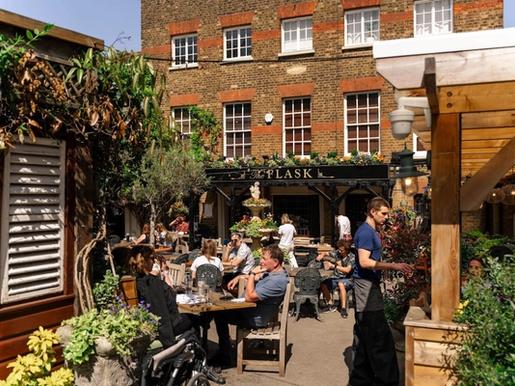
The Five greatest pub gardens in London
London’s pub gardens are under threat, so here are five glorious places to smoke, squint at a QR code, and inhale the absolute peak of Western civilisation.
Il Festival de Cannes sta al cinema come una crème brûlée sta alla nutrizione. Certo, un po’ di sostanza c’è. (Sostanza al singolare, ci tengo a sottolinearlo.) Ma in realtà ciò che conta è l’involucro agrodolce che la racchiude: quel bordo friabile, irresistibile e lucido, che minaccia di spezzarsi gloriosamente da un momento all’altro alla minima pressione. E poi, a casa non si riuscirebbe mai davvero a ricrearla. Nell’atteggiamento e nelle sue strane tradizioni, Cannes è ostinatamente, imbronciatamente francese: un attimo prima è un’assolutista politica, quello dopo una regina del dramma sgargiante. E proprio per questo tende a regalare momenti strani e meravigliosi che, si ha l’impressione, potrebbero accadere soltanto laggiù, sulla Croisette. Ecco dunque, mentre il festival entra nella sua seconda settimana, alcuni dei momenti più «cannois» della storia di Cannes.
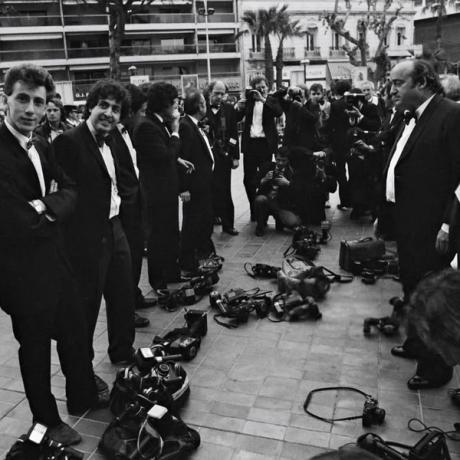
Durante la promozione del suo film del 1983 «L'estate assassina», la star francese Isabelle Adjani decise di averne abbastanza dei paparazzi e disertò il tradizionale servizio fotografico dopo la conferenza stampa. I fotografi, da sempre i veri detentori del potere al festival, decisero di vendicarsi quando il giorno seguente l'attrice arrivò sul tappeto rosso per la première del film: al suo arrivo, posarono tutti le macchine fotografiche e le voltarono sdegnosamente le spalle, ignorandola del tutto. Molti anni dopo, nel 2011, si verificò un episodio analogo ma decisamente più affettuoso: quando il leggendario attore Jean-Paul Belmondo arrivò davanti al Palais, tutti i fotografi posarono nuovamente le macchine fotografiche, ma questa volta per applaudirlo.
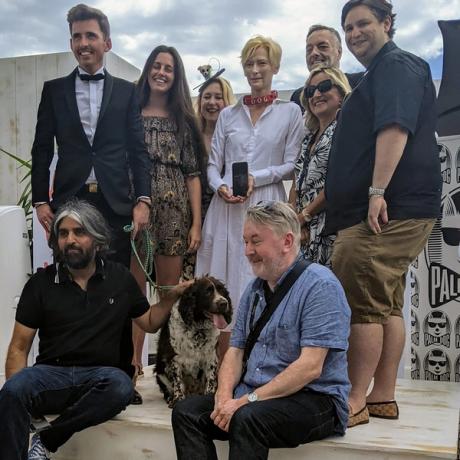
Uno dei premi più insoliti (e sorprendentemente ambiti) del Festival è la «Palme Dog» (un gioco di parole sul premio principale, la «Palme d’Or»): un riconoscimento assegnato al miglior interprete canino dell’anno. Il premio, che consiste in un collare per cani borchiato, viene assegnato ogni anno dal 2001 ed è nato da un’idea del giornalista cinematografico britannico Toby Rose. Nel 2021 è stato conferito ai tre springer spaniel di Tilda Swinton — Snowbear, Dora e Rosy — che hanno recitato al fianco dell’attrice in «The Souvenir Part II».
“I have to tell you honestly, this is the prize to get,” Swinton said on collecting the award. “We’ve been eyeing it for years. I tried to get the dogs here but they’re busy. I hear they’re on the beach in the Highlands of Scotland.”
Nel 2019, Quentin Tarantino ritirò il premio per conto dell'attrice canina di «C'era una volta a... Hollywood». «Devo dire che è un grande onore riceverlo», dichiarò il regista. «L'ho detto a tutti: non ho idea se vinceremo la Palma d'oro. Ma sentivo di avere buone possibilità di vincere la Palm Dog. Perciò voglio dedicare questo premio alla mia meravigliosa attrice Brandy. Ha portato la Palm Dog a casa, in America».
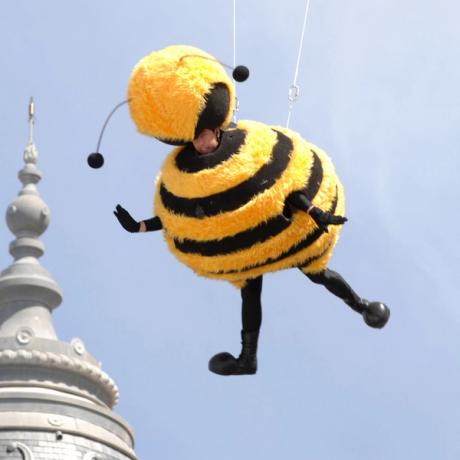
Cannes is known for its attention-seeking publicity stunts, many of which are gently ridiculous — like the time that Jerry Seinfeld jumped off the roof of the Carlton while dressed as a giant bee to promote his new animated film ‘Bee Movie’. “They tell me that Scorsese did the same thing last year for The Departed,” he joked afterwards. In 2016, meanwhile, after many years of jewel-heists, assaults and robberies at the Festival, a French company called Oraxy thought it would be a fun idea to send six men in terrorist-grade militia gear and black masks on a speedboat to storm the jetty at Hotel du Cap Eden-Roc in order, somehow, to promote its new broadband offering. It didn’t go down particularly well. In 2001, to promote the film ‘24 Hour Party People’ about the Happy Mondays, the marketing team took their inspiration from a scene in the biopic, in which Shaun Ryder accidentally poisons an entire flock of pigeons. And so they commissioned the creations of hundreds of worryingly realistic fake dead pigeons and dumped them onto the Majestic Beach — completely horrifying members of the public, who thought they were real. Chaos ensued. “A pigeon landed on the table of a top French TV honcho,” Variety reported at the time. “Security guards threatened the actors with cans of mace. Joel and Ethan Coen, also lunching at the restaurant, reportedly were highly amused.”
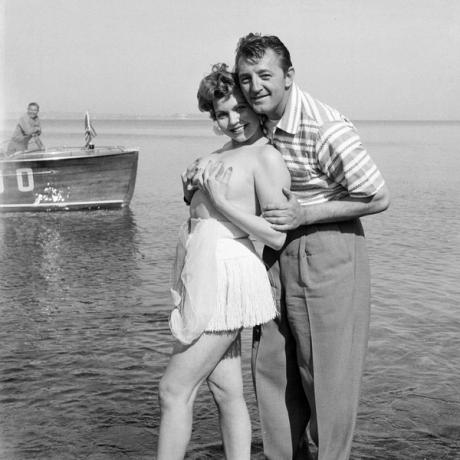
In 1954, a young actress called Simone Silva was named ‘Miss Festival’, and headed to the beach to do a photoshoot with the megastar Robert Mitchum as part of a publicity tour. Things quickly got out of hand. Or in hand, actually. “All of a sudden her bra fell or she dropped it," Mitchum said at the time, before adding: “I just put my hands out just to hide her breasts from the camera,” which seems like a completely watertight defense. The stunt caused such a ruckus between the photographers vying to capture the moment that two of them ended up with broken arms, and when Silva started posting the resulting photos along La Croisette the next morning, she was banned from the festival for life — only to die three years later from a stroke at the age of 29.
Il regista Lars Von Trier potrebbe benissimo essere l’animale guida di Cannes: anarchico, sperimentale, ossessionato dal sesso e incline a bizzarre esternazioni. Nel 2011, poco prima di una conferenza stampa dedicata al film di Von Trier «Melancholia», il suo produttore gli disse: «Hai fatto un grande film. Se solo riesci a tenere la bocca chiusa, vincerai la Palma d’oro». Von Trier, invece, rispose a una domanda sullo stile visivo del film con un bizzarro monologo, culminato con queste parole del regista: «Che posso dire? Capisco Hitler. Penso che abbia fatto alcune cose sbagliate, assolutamente. Provo un po’ di simpatia per lui», per poi aggiungere: «Ok, sono un nazista». Per qualche motivo, la Palma d’oro andò invece a Terrence Malick.

Previous Issue
Issue 16
London’s pub gardens are under threat, so here are five glorious places to smoke, squint at a QR code, and inhale the absolute peak of Western civilisation.
Don't miss next week
Get The Friday Five and the week's best stories straight to your inbox.
Il Festival de Cannes sta al cinema come una crème brûlée sta alla nutrizione. Certo, un po’ di sostanza c’è. (Sostanza al singolare, ci tengo a sottolinearlo.) Ma in realtà ciò che conta è l’involucro agrodolce che la racchiude: quel bordo friabile, irresistibile e lucido, che minaccia di spezzarsi gloriosamente da un momento all’altro alla minima pressione. E poi, a casa non si riuscirebbe mai davvero a ricrearla. Nell’atteggiamento e nelle sue strane tradizioni, Cannes è ostinatamente, imbronciatamente francese: un attimo prima è un’assolutista politica, quello dopo una regina del dramma sgargiante. E proprio per questo tende a regalare momenti strani e meravigliosi che, si ha l’impressione, potrebbero accadere soltanto laggiù, sulla Croisette. Ecco dunque, mentre il festival entra nella sua seconda settimana, alcuni dei momenti più «cannois» della storia di Cannes.
Durante la promozione del suo film del 1983 «L'estate assassina», la star francese Isabelle Adjani decise di averne abbastanza dei paparazzi e disertò il tradizionale servizio fotografico dopo la conferenza stampa. I fotografi, da sempre i veri detentori del potere al festival, decisero di vendicarsi quando il giorno seguente l'attrice arrivò sul tappeto rosso per la première del film: al suo arrivo, posarono tutti le macchine fotografiche e le voltarono sdegnosamente le spalle, ignorandola del tutto. Molti anni dopo, nel 2011, si verificò un episodio analogo ma decisamente più affettuoso: quando il leggendario attore Jean-Paul Belmondo arrivò davanti al Palais, tutti i fotografi posarono nuovamente le macchine fotografiche, ma questa volta per applaudirlo.
Uno dei premi più insoliti (e sorprendentemente ambiti) del Festival è la «Palme Dog» (un gioco di parole sul premio principale, la «Palme d’Or»): un riconoscimento assegnato al miglior interprete canino dell’anno. Il premio, che consiste in un collare per cani borchiato, viene assegnato ogni anno dal 2001 ed è nato da un’idea del giornalista cinematografico britannico Toby Rose. Nel 2021 è stato conferito ai tre springer spaniel di Tilda Swinton — Snowbear, Dora e Rosy — che hanno recitato al fianco dell’attrice in «The Souvenir Part II».
“I have to tell you honestly, this is the prize to get,” Swinton said on collecting the award. “We’ve been eyeing it for years. I tried to get the dogs here but they’re busy. I hear they’re on the beach in the Highlands of Scotland.”
Nel 2019, Quentin Tarantino ritirò il premio per conto dell'attrice canina di «C'era una volta a... Hollywood». «Devo dire che è un grande onore riceverlo», dichiarò il regista. «L'ho detto a tutti: non ho idea se vinceremo la Palma d'oro. Ma sentivo di avere buone possibilità di vincere la Palm Dog. Perciò voglio dedicare questo premio alla mia meravigliosa attrice Brandy. Ha portato la Palm Dog a casa, in America».
Cannes is known for its attention-seeking publicity stunts, many of which are gently ridiculous — like the time that Jerry Seinfeld jumped off the roof of the Carlton while dressed as a giant bee to promote his new animated film ‘Bee Movie’. “They tell me that Scorsese did the same thing last year for The Departed,” he joked afterwards. In 2016, meanwhile, after many years of jewel-heists, assaults and robberies at the Festival, a French company called Oraxy thought it would be a fun idea to send six men in terrorist-grade militia gear and black masks on a speedboat to storm the jetty at Hotel du Cap Eden-Roc in order, somehow, to promote its new broadband offering. It didn’t go down particularly well. In 2001, to promote the film ‘24 Hour Party People’ about the Happy Mondays, the marketing team took their inspiration from a scene in the biopic, in which Shaun Ryder accidentally poisons an entire flock of pigeons. And so they commissioned the creations of hundreds of worryingly realistic fake dead pigeons and dumped them onto the Majestic Beach — completely horrifying members of the public, who thought they were real. Chaos ensued. “A pigeon landed on the table of a top French TV honcho,” Variety reported at the time. “Security guards threatened the actors with cans of mace. Joel and Ethan Coen, also lunching at the restaurant, reportedly were highly amused.”
In 1954, a young actress called Simone Silva was named ‘Miss Festival’, and headed to the beach to do a photoshoot with the megastar Robert Mitchum as part of a publicity tour. Things quickly got out of hand. Or in hand, actually. “All of a sudden her bra fell or she dropped it," Mitchum said at the time, before adding: “I just put my hands out just to hide her breasts from the camera,” which seems like a completely watertight defense. The stunt caused such a ruckus between the photographers vying to capture the moment that two of them ended up with broken arms, and when Silva started posting the resulting photos along La Croisette the next morning, she was banned from the festival for life — only to die three years later from a stroke at the age of 29.
Il regista Lars Von Trier potrebbe benissimo essere l’animale guida di Cannes: anarchico, sperimentale, ossessionato dal sesso e incline a bizzarre esternazioni. Nel 2011, poco prima di una conferenza stampa dedicata al film di Von Trier «Melancholia», il suo produttore gli disse: «Hai fatto un grande film. Se solo riesci a tenere la bocca chiusa, vincerai la Palma d’oro». Von Trier, invece, rispose a una domanda sullo stile visivo del film con un bizzarro monologo, culminato con queste parole del regista: «Che posso dire? Capisco Hitler. Penso che abbia fatto alcune cose sbagliate, assolutamente. Provo un po’ di simpatia per lui», per poi aggiungere: «Ok, sono un nazista». Per qualche motivo, la Palma d’oro andò invece a Terrence Malick.
Previous Issue
Issue 16
London’s pub gardens are under threat, so here are five glorious places to smoke, squint at a QR code, and inhale the absolute peak of Western civilisation.
Don't miss next week
Get The Friday Five and the week's best stories straight to your inbox.