Le carnet d’un photographe, par Robert Spangle
Le journal photo d’un voyageur intrépide
- Texte: Robert Spangle
- Photographie: Robert Spangle
Je suis avant tout Américain et, dès que l’occasion se présente, un Américain à l’étranger. Je me suis engagé dans le Corps des Marines en 2007 et je l’ai quitté en 2011. Entre ces deux dates, j’ai voyagé pour la première fois de ma vie : en Afghanistan, dans certaines régions d’Amérique du Sud, en Afrique du Nord, au Moyen-Orient et en Europe. Envers les amis que j’ai perdus au combat, j’éprouvais — et j’éprouve toujours — une immense dette : celle de vivre. Comprendre comment vivre est alors devenu ma priorité. Depuis, j’ai passé la majeure partie de ma vie à voyager — 20, voire 35 semaines par an. La culture, le style et, par-dessus tout, la curiosité me poussent à rester sur les routes. Vivre ainsi, c’est apprendre sans cesse, et cela me donne le sentiment d’être vivant. J’ai quitté les Marines avec des questions, et je n’ai commencé à trouver des réponses qu’en photographiant des conflits : d’abord des toreros, puis des pilotes de moto, des combattants de calcio, ensuite des guerres et les hommes, jeunes — ou moins jeunes — qui les livrent. Une partie de mon travail suit les longues ombres projetées par la politique étrangère américaine (en Afghanistan, en Irak et, sans doute, en Ukraine) ; une autre explore le mythe américain et ceux qui, aujourd’hui, en sont les gardiens. Si, à l’égard de ma mère patrie, je constate que l’éloignement renforce l’attachement, je me considère aussi, toujours et avant tout, comme un Américain.
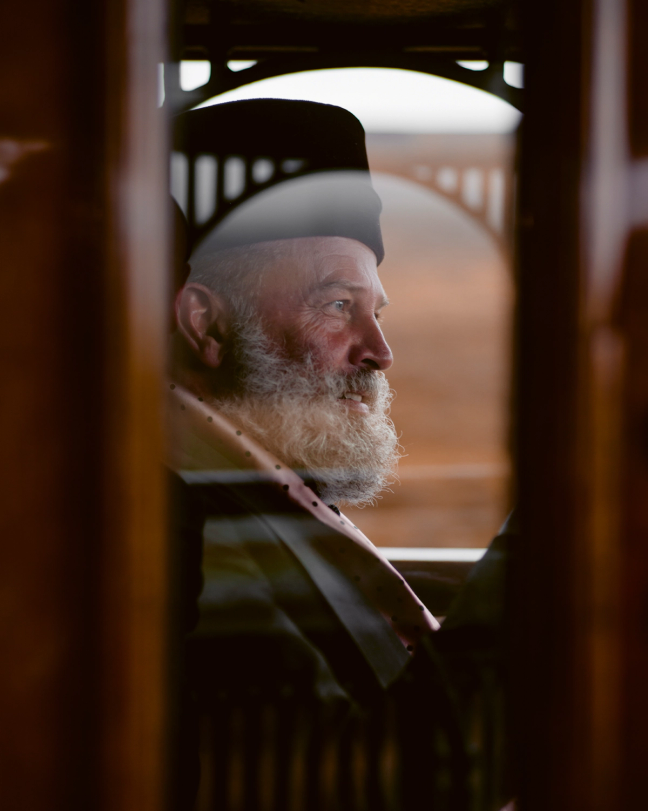
Getting to photograph Robert Rabensteiner, one of the great minds of fashion, on Belmond’s Royal Scotsman train, was an incredible experience. Robert has been the embodiment of what I’ve learned about style: style is substance.
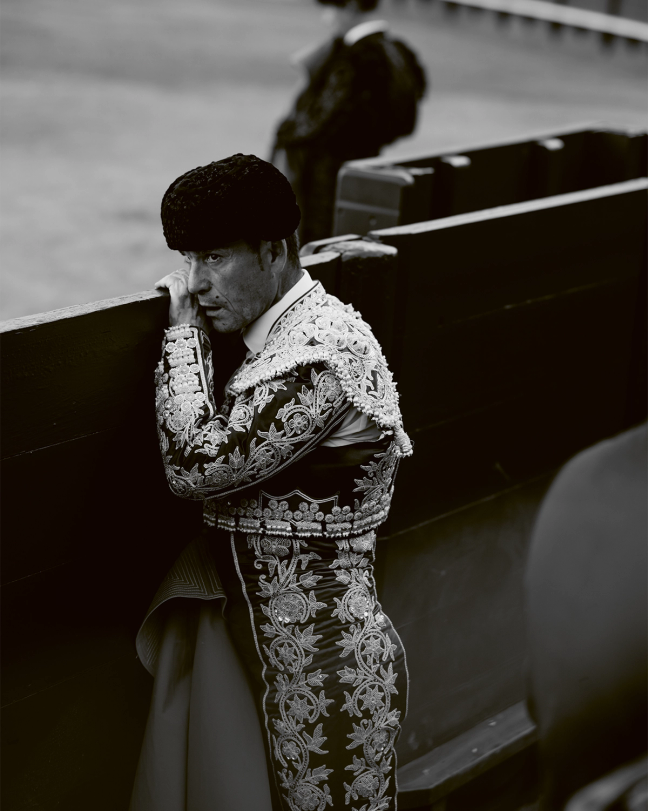
Matadors waiitng to enter the arena in Seville. When I first started photographing conflicts, as well as blood sports, I was focused on the action. I didn't learn anything until I began to focus on the men's eyes. The action is in the arena, but it all plays out in the eyes beforehand.
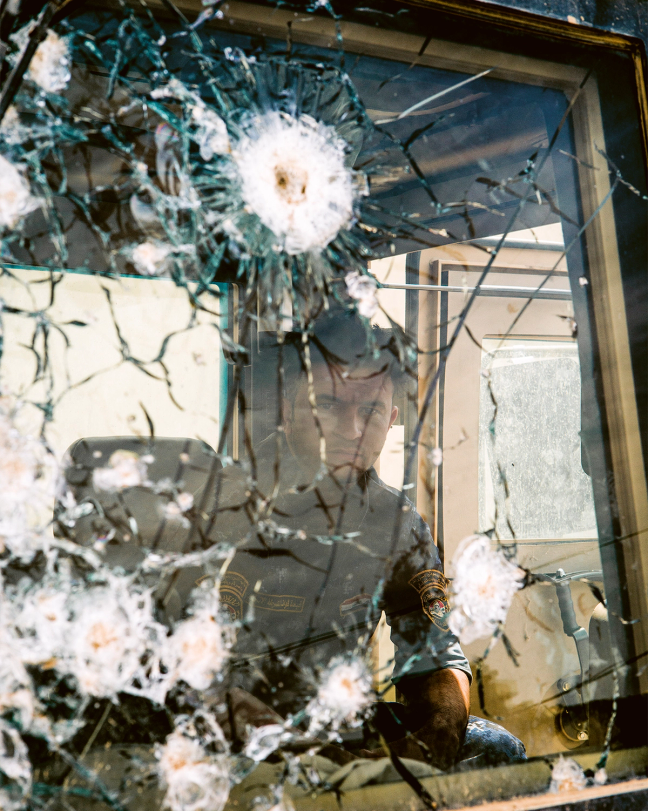
Photographing Iraqi and Nato forces pushing ISIS out of Mosul in 2017 was my first experience working as a photojournalist. I was very hesitant to go back to war. However, the stories of the men I met there captivated me to a higher degree than fashion work ever had.
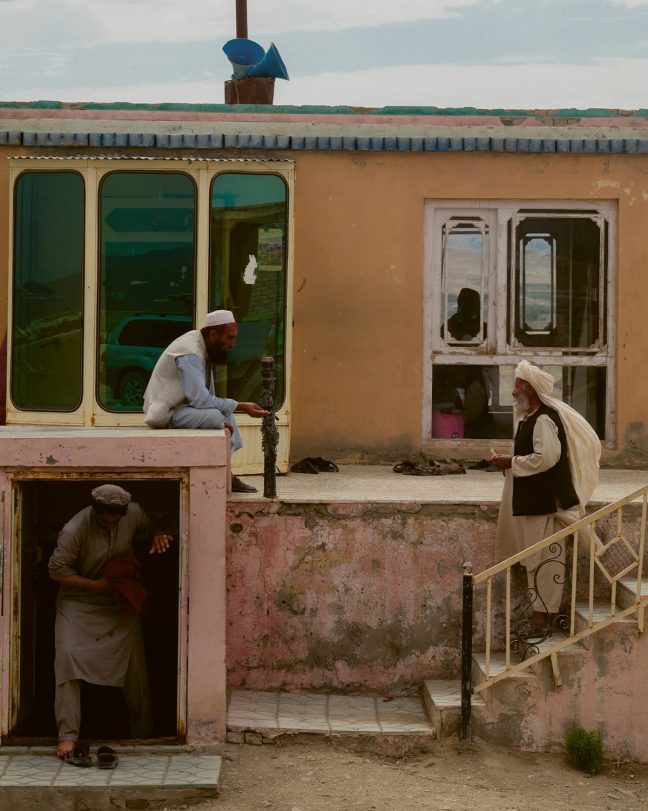
I'd deployed to Afghanistan twice as a Marine. Returning was in part coming full circle to unresolved questions of my youth, and also a natural progression. I'd covered fashion weeks ad nauseum, and Afghanistan was the farthest you could get from that and still find people.
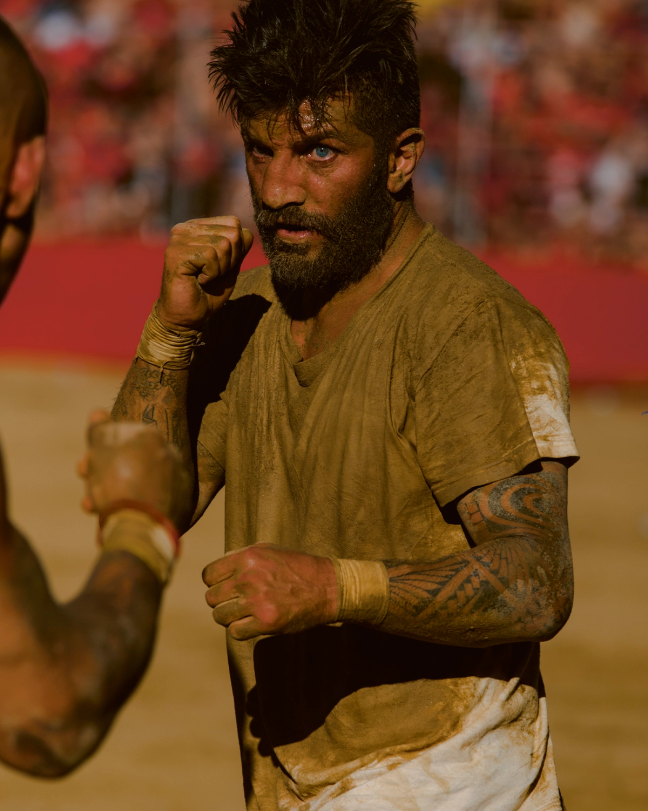
I followed teams of Florence's calcio storico, a historical bare-knuckle blood sport. These men train year round, often from age six, for a few bloody weekends in June, and win nothing more than honour. I learned here that conflict and competition have a spiritual component.
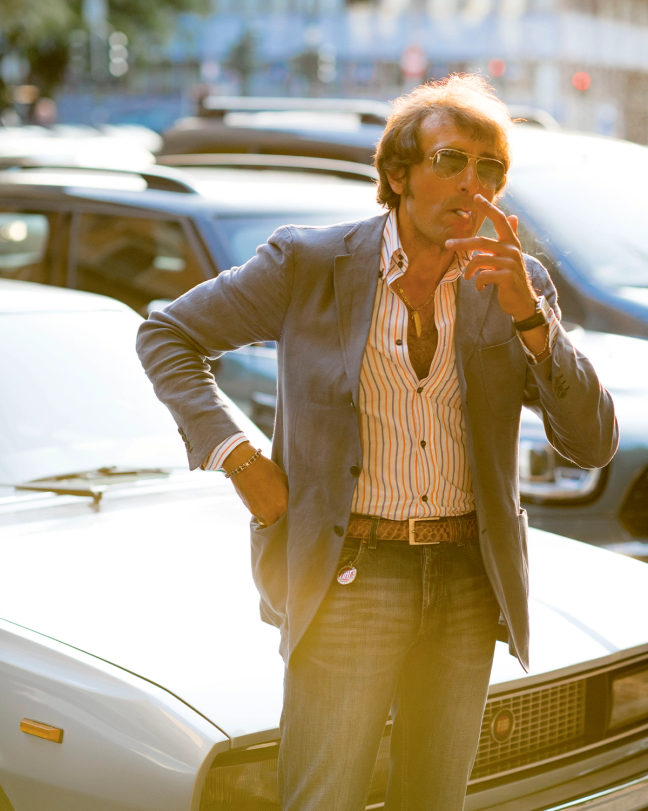
I met the Biscioni Torino auto club in 2021. They have petrol in their veins and cigarettes perpetually in their hands, tearing up picturesque Turin in their collection of 70s Italian cars. Style is something these guys live, and not just on the weekend.
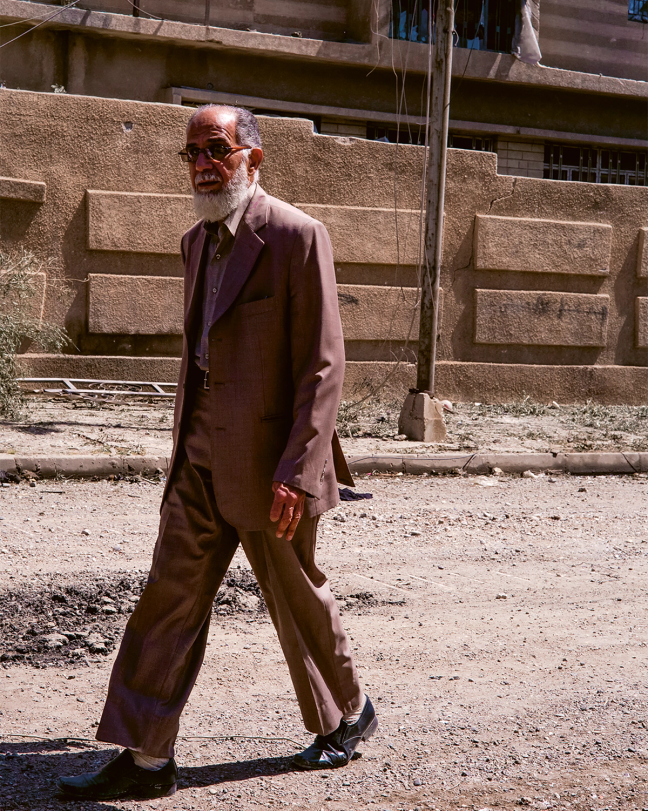
This was one of the first images I took on the frontlines of Mosul. Later, a journalist pointed out this solitary man's missing thumb and forefinger were the likely marks of a bomb maker – possibly why he was fleeing without a family accompanying him.
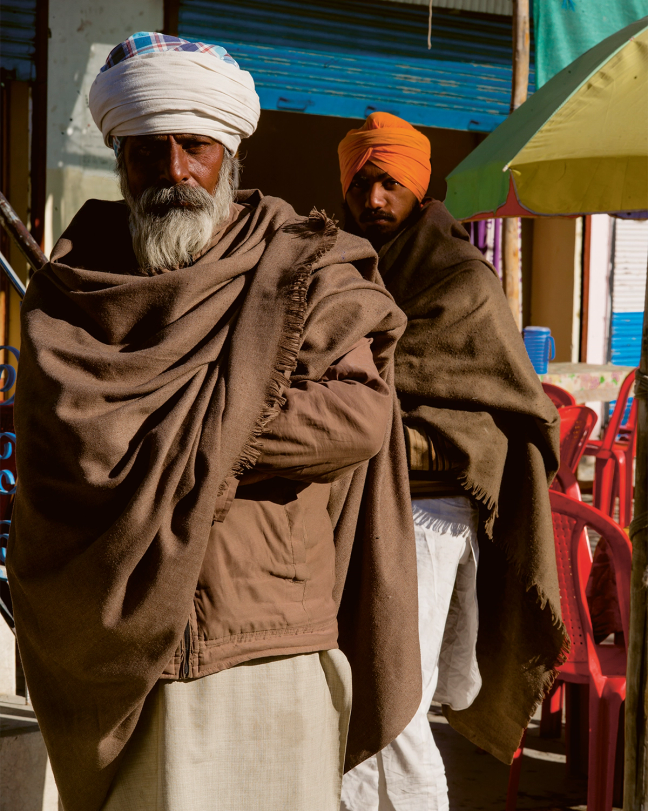
An early morning, about 10,000 or 11,000 feet above sea level, in one of the most remote regions of India, Nubra. Seeing the rich intersection of cultures on the border of India and Pakistan provoked me to look for fashion further afield than the fashion weeks.
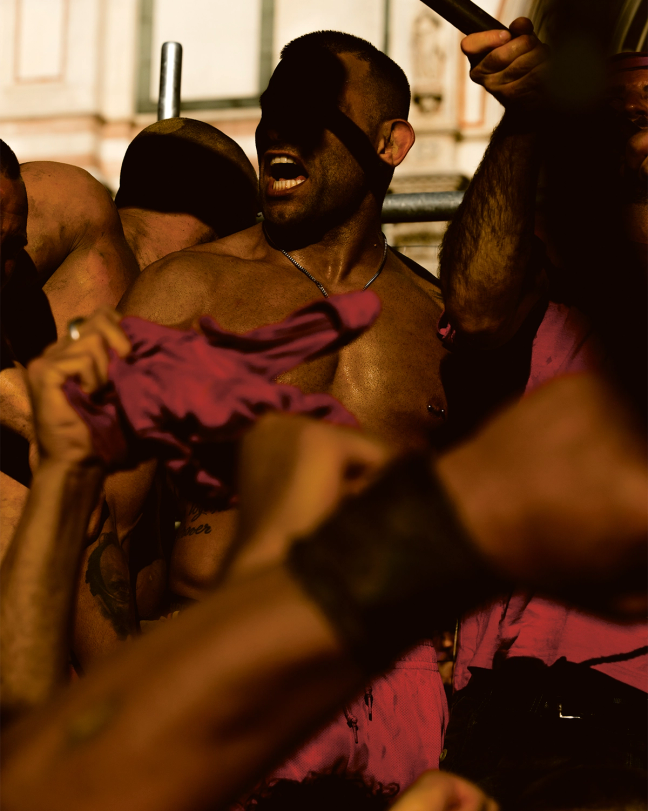
Blood sports or dangerous competition seem to be a glaringly unneccessary part of modern life. Yet, while calcio storico might look like hooliganism or tribalism, these men had forged a fierce sense of belonging and purpose, something the modern world struggles with.
Pour encore plus d’inspiration pour vos voyages, découvrez notre sélection des meilleures destinations où voyager en solo...