Previous Issue
Issue 9

Cinque idee di lavoro per Meghan, duchessa di Sussex
Meghan Markle’s jam empire stalls as Netflix pulls the plug, prompting five alternative career moves for the Duchess.

French etiquette expert Hélène Meillard has just released a new book about how not to look uncouth in France, presumably with sections entitled “don’t be English,” and “definitely don’t be English and then try to speak French and also we’re all laughing at you in the kitchen and your wife’s hair.” In ‘Brillez,’ which is apparently an unexpected hit with Meillard’s Gen-Z followers, phrases like “bon appetit” and “enchanté” are deemed coarse, like bad pâté. (On which point: bon appetit!) Etiquette experts are usually an odd, self-appointed bunch. I think there should be an etiquette guide on how to write etiquette guides, with the first chapter being: “So Your Novel Didn’t Work Out, Then?”
Ciononostante, Meillard solleva alcune questioni sensate. Per esempio, suggerisce giustamente di arrivare con 15 minuti di ritardo a qualsiasi cena, così da lasciare ai padroni di casa il tempo di risolvere gli intoppi dell’ultimo minuto; il che significa che per tutta la vita sono stato, senza volerlo, terribilmente educato, come un orologio fermo che segna l’ora giusta due volte al giorno — che, a dire il vero, è spesso proprio la scusa che uso per giustificare il mio ritardo. C’est la vie! Ma questo mi ha fatto riflettere su quali espressioni inglesi più o meno recenti potremmo voler bandire anche quest’anno. Sentite: è quel che è.
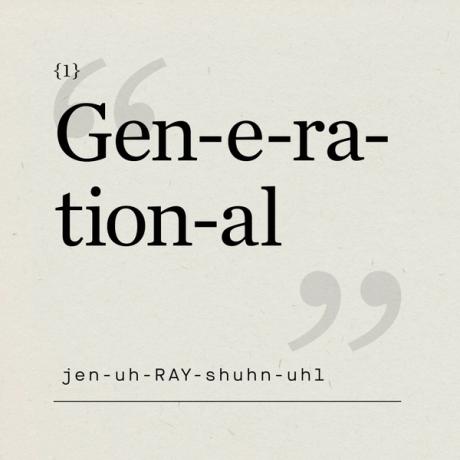
Ultimamente ho notato che questo termine si sta insinuando nel linguaggio comune come sinonimo di «piuttosto buono». La sua definizione corretta è: «relativo a generazioni diverse»; per esempio, i motivi per cui i vostri genitori a trent'anni potevano permettersi una casa a schiera con cinque camere da letto a Belgravia, mentre voi dividete ancora con qualcuno un bilocale a Fulham, sono generazionali. (Si veda anche l'uso che ne fa Central Cee nella canzone «Sprinter», assolutamente azzeccato: «Non abbiamo ricchezza generazionale / è solo da un anno che ho questi milioni». Curiosità: in origine si chiamava «Generational Gee»).
Non significa «che capita una volta in una generazione», come nell’espressione «è un talento davvero irripetibile», nonostante venga usato così dai commentatori sportivi americani e da quelli-di-Notting-Hill-che-hanno-appena-mangiato-un-bagel-niente-male.
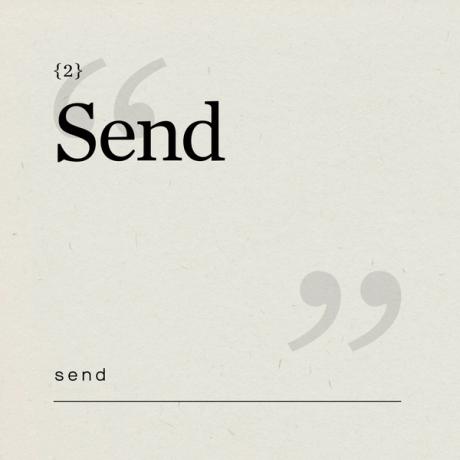
As in: “send it” (drink a pint), “going full send” (staying up past 11pm and then feeling very worried the next day) and “are we sending it this weekend, then?”, which is only acceptable if you’re a DHL employee, at which point I commend your overtime work ethic.
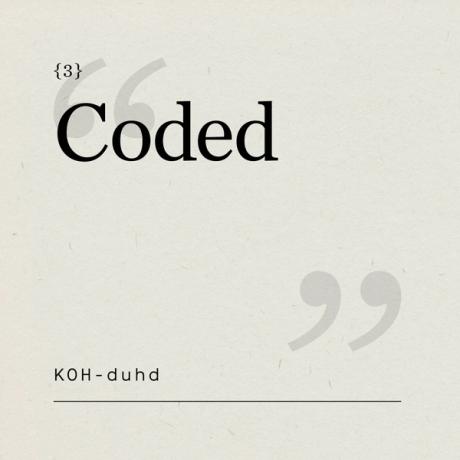
Things used to be a bit like other things, but now they're “something-coded”,which is good if you want to sound like a Warwick University media studies lecturer while talking about loaded fries. (“Kebab van-coded”, which someone actually said near me recently). So a political viewpoint might be “Tory-coded,” a good-looking pub is now “Pelican-coded”, and a long-winded, overly judgemental article about bannable phrases is probably quite “gout-coded”, in fairness.
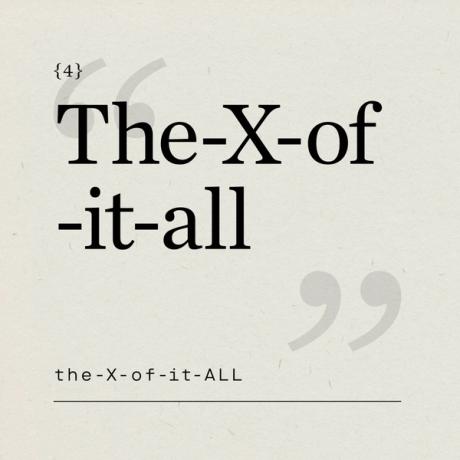
A mainstay of smug American commentary podcasts, this sentence form is a lazy way of shoe-horning a new topic into the conversation, while at the same time implying that the new topic is usefully loaded with shared, prior context and special meaning.
Ecco alcuni esempi che ho sentito questa settimana: «e poi c’è tutta la questione Larry Ellison …»; «forse è solo tutta la questione della sobrietà…»; «vogliamo parlare di tutta la questione Heathcliff?...». Ormai è dappertutto. Non vedo l’ora che arrivi il giorno, ormai prossimo, in cui qualcuno del The New Yorker dirà: «e che dire di tutta la questione “tutta la questione”?»
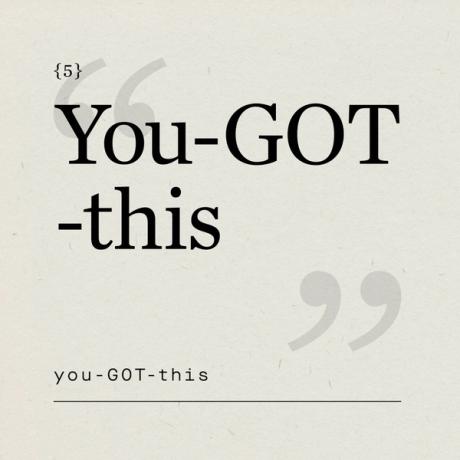
…as a synonym for “good luck” or “you will probably be sufficiently competent in your upcoming presentation.” I recently saw a video of a celebrity saying “you got this” to his wife during labour, as if giving birth is a station at Hyrox. Adidas have also now adopted it as an advertising slogan, slapped across moody photos of perspiring gymnasts and very talented people you too could be like if you just believed in yourself for once and also bought our shoes. It is a dispiriting alternative to Nike’s “Just do it,” which was itself pretty vague, but at least had the pleasing air of a tetchy mother-in-law scolding the wedding planner about a last minute change to the tableplan: “for Christ's sake, Angela, just do it.”
Previous Issue
Issue 9
Meghan Markle’s jam empire stalls as Netflix pulls the plug, prompting five alternative career moves for the Duchess.
Don't miss next week
Get The Friday Five and the week's best stories straight to your inbox.
French etiquette expert Hélène Meillard has just released a new book about how not to look uncouth in France, presumably with sections entitled “don’t be English,” and “definitely don’t be English and then try to speak French and also we’re all laughing at you in the kitchen and your wife’s hair.” In ‘Brillez,’ which is apparently an unexpected hit with Meillard’s Gen-Z followers, phrases like “bon appetit” and “enchanté” are deemed coarse, like bad pâté. (On which point: bon appetit!) Etiquette experts are usually an odd, self-appointed bunch. I think there should be an etiquette guide on how to write etiquette guides, with the first chapter being: “So Your Novel Didn’t Work Out, Then?”
Ciononostante, Meillard solleva alcune questioni sensate. Per esempio, suggerisce giustamente di arrivare con 15 minuti di ritardo a qualsiasi cena, così da lasciare ai padroni di casa il tempo di risolvere gli intoppi dell’ultimo minuto; il che significa che per tutta la vita sono stato, senza volerlo, terribilmente educato, come un orologio fermo che segna l’ora giusta due volte al giorno — che, a dire il vero, è spesso proprio la scusa che uso per giustificare il mio ritardo. C’est la vie! Ma questo mi ha fatto riflettere su quali espressioni inglesi più o meno recenti potremmo voler bandire anche quest’anno. Sentite: è quel che è.
Ultimamente ho notato che questo termine si sta insinuando nel linguaggio comune come sinonimo di «piuttosto buono». La sua definizione corretta è: «relativo a generazioni diverse»; per esempio, i motivi per cui i vostri genitori a trent'anni potevano permettersi una casa a schiera con cinque camere da letto a Belgravia, mentre voi dividete ancora con qualcuno un bilocale a Fulham, sono generazionali. (Si veda anche l'uso che ne fa Central Cee nella canzone «Sprinter», assolutamente azzeccato: «Non abbiamo ricchezza generazionale / è solo da un anno che ho questi milioni». Curiosità: in origine si chiamava «Generational Gee»).
Non significa «che capita una volta in una generazione», come nell’espressione «è un talento davvero irripetibile», nonostante venga usato così dai commentatori sportivi americani e da quelli-di-Notting-Hill-che-hanno-appena-mangiato-un-bagel-niente-male.
As in: “send it” (drink a pint), “going full send” (staying up past 11pm and then feeling very worried the next day) and “are we sending it this weekend, then?”, which is only acceptable if you’re a DHL employee, at which point I commend your overtime work ethic.
Things used to be a bit like other things, but now they're “something-coded”,which is good if you want to sound like a Warwick University media studies lecturer while talking about loaded fries. (“Kebab van-coded”, which someone actually said near me recently). So a political viewpoint might be “Tory-coded,” a good-looking pub is now “Pelican-coded”, and a long-winded, overly judgemental article about bannable phrases is probably quite “gout-coded”, in fairness.
A mainstay of smug American commentary podcasts, this sentence form is a lazy way of shoe-horning a new topic into the conversation, while at the same time implying that the new topic is usefully loaded with shared, prior context and special meaning.
Ecco alcuni esempi che ho sentito questa settimana: «e poi c’è tutta la questione Larry Ellison …»; «forse è solo tutta la questione della sobrietà…»; «vogliamo parlare di tutta la questione Heathcliff?...». Ormai è dappertutto. Non vedo l’ora che arrivi il giorno, ormai prossimo, in cui qualcuno del The New Yorker dirà: «e che dire di tutta la questione “tutta la questione”?»
…as a synonym for “good luck” or “you will probably be sufficiently competent in your upcoming presentation.” I recently saw a video of a celebrity saying “you got this” to his wife during labour, as if giving birth is a station at Hyrox. Adidas have also now adopted it as an advertising slogan, slapped across moody photos of perspiring gymnasts and very talented people you too could be like if you just believed in yourself for once and also bought our shoes. It is a dispiriting alternative to Nike’s “Just do it,” which was itself pretty vague, but at least had the pleasing air of a tetchy mother-in-law scolding the wedding planner about a last minute change to the tableplan: “for Christ's sake, Angela, just do it.”
Previous Issue
Issue 9
Meghan Markle’s jam empire stalls as Netflix pulls the plug, prompting five alternative career moves for the Duchess.
Don't miss next week
Get The Friday Five and the week's best stories straight to your inbox.