Previous Issue
Issue 23
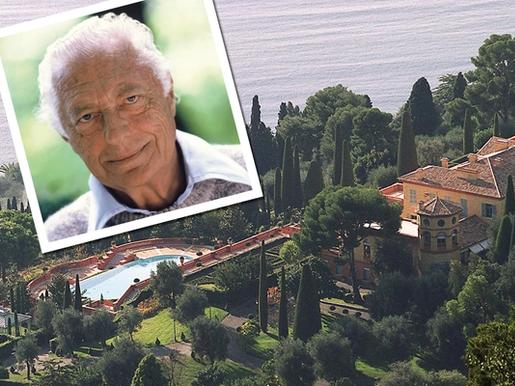
Le cinque case estive dei playboy del jet set
Cinque leggendarie dimore estive in cui il jet set del Novecento si rifugiava, intratteneva i propri ospiti e definiva l’epoca d’oro del glamour della Riviera.

Tra le infinite analisi a posteriori sul perché il calcio, di fatto, non stia tornando a casa, c’è un aspetto che è stato clamorosamente trascurato: le sigarette. E sebbene il mio avvocato insista perché vi ricordi i numerosi rischi associati al fumo — provoca il cancro, una morte dolorosa e, peggio ancora, triplica le probabilità di vincere un premio Nobel per la poesia — la mia coscienza mi impone di sottolineare un fatto curioso: molti dei più affascinanti e memorabili vincitori della Coppa del Mondo della storia erano fumatori. (La correlazione è aneddotica, non medica — anche se uno dei migliori atleti di endurance che conosco attribuisce la propria capacità polmonare al fatto di aver fumato in passato, un’abitudine che paragona all’«allenamento in alta quota».) Eccone cinque — tra le esclusioni degne di nota figurano l’italiano Gianluca Vialli, che durante Italia ’90 si accese una sigaretta proprio in panchina per protestare contro la sostituzione; Sócrates, capitano del Brasile negli anni Ottanta, che fumava quaranta sigarette al giorno ed era noto per bersi una birra nell’intervallo, ma che non vinse mai una Coppa del Mondo; e Diego Maradona, che una Coppa del Mondo la vinse eccome e amava anche fumare, ma francamente quello era il minore dei suoi vizi e, sentite, forse questo è materiale per un altro articolo.
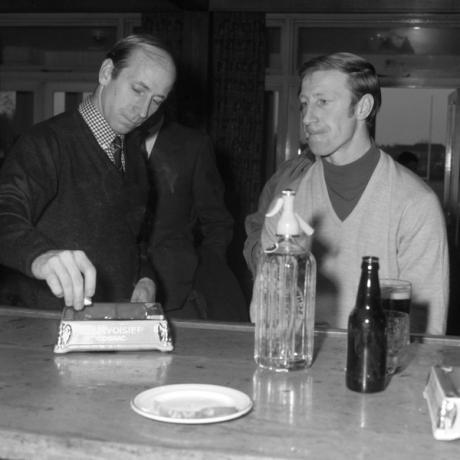
I vincitori della Coppa del Mondo del 1966 erano un gruppo piuttosto disinvolto rispetto agli standard moderni. Quell’estate il capitano Bobby Moore fu il volto di una campagna pubblicitaria nazionale per i pub, invitando i tifosi a «fare un salto al pub sotto casa» per una pinta e una partita a freccette. Jack Charlton e l’attaccante Jimmy Greaves amavano fumare e, a quanto si dice, arrivavano anche a 20 sigarette al giorno. Ma fu il carismatico Bobby Charlton ad accendersi notoriamente una sigaretta durante l’intervallo di quella fatidica finale, quando il punteggio era fermo sull’1-1, e poi di nuovo negli spogliatoi, dopo che l’Inghilterra aveva vinto 4-2.
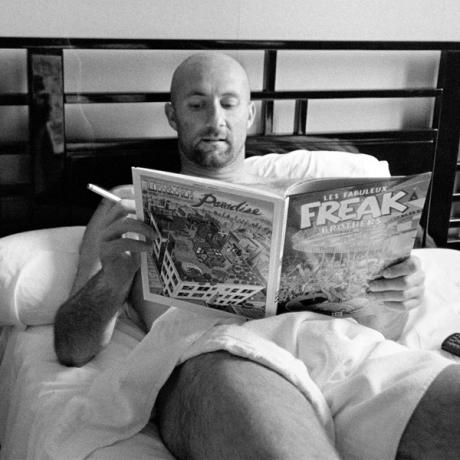
Danish striker Nicholas Bentner recently told the BBC that, on his first day at Juventus, he walked into the bathrooms to find Italian maestros Andrea Pirlo and Gianlugi Buffon smoking in a cubicle. In 2006, meanwhile, in the hours before the fateful World Cup final in Berlin, the Italian goalkeeper had been shown footage of the French squad training that day — and was struck by a tidal wave of nerves. To calm himself, he said, he smoked a full pack of cigarettes in the corridors of the team hotel — and later shepherded his team to a 5-4 victory on penalties. Buffon was later awarded the Golden Glove as the tournament’s best keeper.

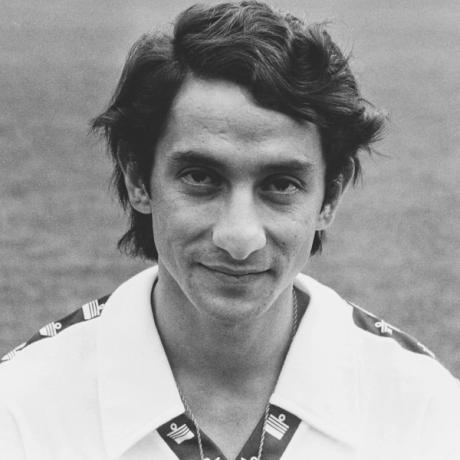
Ispirato dal suo allenatore César Luis Menotti, accanito fumatore, si dice che Ardiles arrivasse a fumare fino a 40 sigarette al giorno durante il cammino dell’Argentina verso la vittoria dei Mondiali disputati in casa nel 1978.
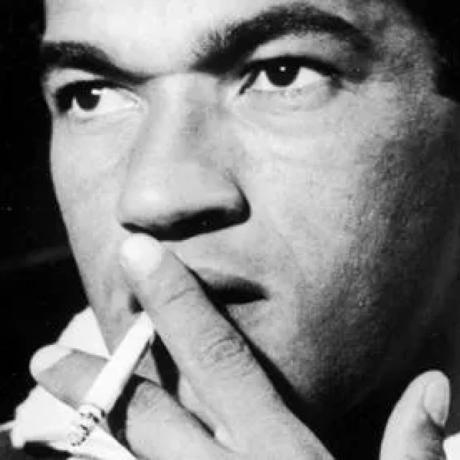
Often described as the greatest dribbler of all time (at least, before Messi popped up), Garrincha was arguably the real driving force in Brazil’s 1960s pomp, even more so than Pele. (The team didn’t lose a single match when the two played together.) Garrincha, who famously ignored team tactics in favour of an impulsive style (his favourite trick was to beat a man, watch him recover himself, and then beat him again) played as he lived — fast and loose. He smoked 40 cigarettes a day, drank wildly, and loved the company of professional women. When he died at the age of 49 in penury, he left three ex-wives, one of them the famous samba singer Elza Soares, and 14 children to five different women, one in Sweden.
In their home campaign in 1998, the victorious French team were followed for five weeks by photographer Stephane Meunier for a remarkably candid photo story about their time off the pitch. Thierry Henry and David Trezeguet share a pair of wired headphones on the team bus to the last-16 clash against Portugal; Alain Boghossian shaves Fabien Barthez's head in the shower. And absolutely everyone seems to be smoking. The images, which present an oddly idyllic moment before the hyper-professionalism of the sport, also capture one of the greatest world cup winning teams of all time — led to victory that night by two headers from Zinedine Zidane, who had smoked a cigarette just before boarding the coach.
Previous Issue
Issue 23
Cinque leggendarie dimore estive in cui il jet set del Novecento si rifugiava, intratteneva i propri ospiti e definiva l’epoca d’oro del glamour della Riviera.
Don't miss next week
Get The Friday Five and the week's best stories straight to your inbox.
Tra le infinite analisi a posteriori sul perché il calcio, di fatto, non stia tornando a casa, c’è un aspetto che è stato clamorosamente trascurato: le sigarette. E sebbene il mio avvocato insista perché vi ricordi i numerosi rischi associati al fumo — provoca il cancro, una morte dolorosa e, peggio ancora, triplica le probabilità di vincere un premio Nobel per la poesia — la mia coscienza mi impone di sottolineare un fatto curioso: molti dei più affascinanti e memorabili vincitori della Coppa del Mondo della storia erano fumatori. (La correlazione è aneddotica, non medica — anche se uno dei migliori atleti di endurance che conosco attribuisce la propria capacità polmonare al fatto di aver fumato in passato, un’abitudine che paragona all’«allenamento in alta quota».) Eccone cinque — tra le esclusioni degne di nota figurano l’italiano Gianluca Vialli, che durante Italia ’90 si accese una sigaretta proprio in panchina per protestare contro la sostituzione; Sócrates, capitano del Brasile negli anni Ottanta, che fumava quaranta sigarette al giorno ed era noto per bersi una birra nell’intervallo, ma che non vinse mai una Coppa del Mondo; e Diego Maradona, che una Coppa del Mondo la vinse eccome e amava anche fumare, ma francamente quello era il minore dei suoi vizi e, sentite, forse questo è materiale per un altro articolo.
I vincitori della Coppa del Mondo del 1966 erano un gruppo piuttosto disinvolto rispetto agli standard moderni. Quell’estate il capitano Bobby Moore fu il volto di una campagna pubblicitaria nazionale per i pub, invitando i tifosi a «fare un salto al pub sotto casa» per una pinta e una partita a freccette. Jack Charlton e l’attaccante Jimmy Greaves amavano fumare e, a quanto si dice, arrivavano anche a 20 sigarette al giorno. Ma fu il carismatico Bobby Charlton ad accendersi notoriamente una sigaretta durante l’intervallo di quella fatidica finale, quando il punteggio era fermo sull’1-1, e poi di nuovo negli spogliatoi, dopo che l’Inghilterra aveva vinto 4-2.
Danish striker Nicholas Bentner recently told the BBC that, on his first day at Juventus, he walked into the bathrooms to find Italian maestros Andrea Pirlo and Gianlugi Buffon smoking in a cubicle. In 2006, meanwhile, in the hours before the fateful World Cup final in Berlin, the Italian goalkeeper had been shown footage of the French squad training that day — and was struck by a tidal wave of nerves. To calm himself, he said, he smoked a full pack of cigarettes in the corridors of the team hotel — and later shepherded his team to a 5-4 victory on penalties. Buffon was later awarded the Golden Glove as the tournament’s best keeper.
Ispirato dal suo allenatore César Luis Menotti, accanito fumatore, si dice che Ardiles arrivasse a fumare fino a 40 sigarette al giorno durante il cammino dell’Argentina verso la vittoria dei Mondiali disputati in casa nel 1978.
Often described as the greatest dribbler of all time (at least, before Messi popped up), Garrincha was arguably the real driving force in Brazil’s 1960s pomp, even more so than Pele. (The team didn’t lose a single match when the two played together.) Garrincha, who famously ignored team tactics in favour of an impulsive style (his favourite trick was to beat a man, watch him recover himself, and then beat him again) played as he lived — fast and loose. He smoked 40 cigarettes a day, drank wildly, and loved the company of professional women. When he died at the age of 49 in penury, he left three ex-wives, one of them the famous samba singer Elza Soares, and 14 children to five different women, one in Sweden.
In their home campaign in 1998, the victorious French team were followed for five weeks by photographer Stephane Meunier for a remarkably candid photo story about their time off the pitch. Thierry Henry and David Trezeguet share a pair of wired headphones on the team bus to the last-16 clash against Portugal; Alain Boghossian shaves Fabien Barthez's head in the shower. And absolutely everyone seems to be smoking. The images, which present an oddly idyllic moment before the hyper-professionalism of the sport, also capture one of the greatest world cup winning teams of all time — led to victory that night by two headers from Zinedine Zidane, who had smoked a cigarette just before boarding the coach.
Previous Issue
Issue 23
Cinque leggendarie dimore estive in cui il jet set del Novecento si rifugiava, intratteneva i propri ospiti e definiva l’epoca d’oro del glamour della Riviera.
Don't miss next week
Get The Friday Five and the week's best stories straight to your inbox.